
Article: Best Fabric for Hot Flashes: What to Wear When You Work Out Through Menopause
Table of Contents
Best Fabric for Hot Flashes: What to Wear When You Work Out Through Menopause
This page may contain affiliate links. We may earn a commission on purchases, at no additional cost to you. Learn more →
You're twenty minutes into class when the heat hits: chest, neck, face. Your top soaks through, and once the flash fades, the wet fabric turns cold on your skin. The best fabric for hot flashes won't stop that wave, but it can change how the next ten minutes feel.
My personal short answer: for sweaty sessions, a light top in TENCEL™ Lyocell, lightweight merino or a well-made quick-dry knit. For gentle movement, soft organic cotton. Always add a layer you can pull off in seconds.
First, the limit: no fabric reduces or prevents hot flashes. The Menopause Society lists adjusting your clothes among measures without solid evidence of benefit. Think comfort, not treatment. If you're in perimenopause or menopause and still training, this article is for you.
Key Takeaways
No fabric stops a hot flash. The right one makes the heat, sweat and chill easier to handle.
Cotton suits gentle movement but stays wet in sweaty sessions.
For HIIT, running or hot yoga: TENCEL™ Lyocell blends, light merino or quick-dry Oeko Tex certified synthetics, each with trade-offs.
Dress your upper body first. That's where the heat starts.
Keep moving. Exercise still matters for your health.
What a Hot Flash Does to Your Body Temperature
Hot flashes (or hot flushes, as they're called in the UK) are vasomotor symptoms. The Menopause Society says they affect up to 80% of women: sudden, intense heat in the upper body, especially the face, neck and chest, typically lasting 1 to 5 minutes.
Sweating, chills, anxiety or a racing heart can come with them. The Society cites a mean of 7 to 10 years, and the SWAN study found a median total duration of 7.4 years in women with frequent symptoms.
Why do menopausal hot flashes feel so big? Robert Freedman's research points to a narrowed thermoneutral zone in menopausal women with hot flashes. That's the comfort band your brain allows before it starts sweating or shivering. When it shrinks, a small rise in core body temperature can set off a full heat-loss response.
That's why I won't sell you a cooling miracle: hormonal changes drive it, not your wardrobe. For hydration, sleep and broader women's health in midlife, read Dr. Cathleen Brown's midlife health guide.

Can Exercise Cause Hot Flashes?
For some women, yes. In a 2024 study in Menopause, Sarah Witkowski's team followed 188 women aged 45 to 55 with 24-hour monitors.
Bursts of extra activity were followed by higher odds of hot flashes. It's observational: a link, not proof of cause. The 2023 Menopause Society position statement also notes that exercise may trigger hot flashes in symptomatic women.
Does exercise make hot flashes worse over time? The evidence is unclear in both directions. A 2016 trial led by Tom Bailey reported fewer hot flushes after 16 weeks of training, but only 21 women took part and they picked their own group. A Cochrane review of five trials on exercise for menopausal symptoms called the evidence insufficient.
My take: many women keep training through menopause, and sweating during perimenopause is no reason to stop. Many longevity experts stress regular exercise for your overall well-being. Hot flashes during workout sessions are a reason to dress smarter.
What the Best Fabric for Hot Flashes Can (and Can't) Do
The Menopause Society puts "cooling techniques, such as adjusting clothing or environmental temperature" on its list of measures with limited data or no significant benefit in trials. So clothing won't change the frequency of your hot flashes. If you're searching for menopause cooling clothes, here's what the right fabric can change:
how fast sweat leaves your skin and the fabric dries
how much wet fabric clings once the flash fades
how much air moves through the knit
how fast a layer comes off
That's the difference between finishing comfortable or clammy. It's the only promise I'll make.

Best Fabric for Hot Flashes: How the Fibers Compare
Whether you search for the best fabric for perimenopause or the best fabric for menopause, the question is the same: how does a fiber behave when heat comes in bursts and a chill follows? A 2022 review of 32 sports-clothing studies found few consistent differences between natural fabrics and synthetic fibers. Knit, fit and air permeability mattered a lot. Certain fabrics still win on sweat. For general sweat questions, see my guide to the best fabric for sweating.
TENCEL™ Lyocell (and how Modal differs)
TENCEL™ Lyocell is regenerated cellulose from wood pulp, not one of the classic natural fibers. Lenzing, its manufacturer, says in its lyocell leaflet that the fiber takes up more water vapor than cotton and is built to absorb and release moisture. That's manufacturer data. To me, lyocell feels cool and smooth on damp skin, though polyester still dries faster, as my TENCEL™ vs polyester comparison shows.
TENCEL™ Modal is a different fiber from the same company, known for softness. Its claims don't transfer to lyocell or to our leggings. More in what TENCEL™ actually is.
Lightweight merino wool
Merino takes moisture vapor into the fiber. Australian Wool Innovation, the industry body behind Woolmark, says wool absorbs up to 35% of its own weight in water vapor. Synthetics move liquid sweat and dry faster, and the 2022 review describes wool as slow to dry. Merino shines on cool outdoor runs where odor matters. In a hot studio, I'd skip it.
Is cotton good for hot flashes?
Yes, for the right workout. Cotton absorbs moisture better than most synthetic fibers and feels soft, which works for yoga, Pilates or a walk. GOTS-certified organic cotton also comes with strict limits on processing chemicals, which matters to me for sensitive skin.
The trouble starts when sweat keeps coming. Cotton fabrics hold moisture and dry slowly.
In a 2025 study from Swiss lab Empa, the cotton samples dried slowest, and the authors note that damp, clingy clothing can cause discomfort and keep cooling you after sweating stops. That's the chill after a flash. NC State's textile comfort center found that a wicking-finished polyester beat 100% cotton in its cooling test.
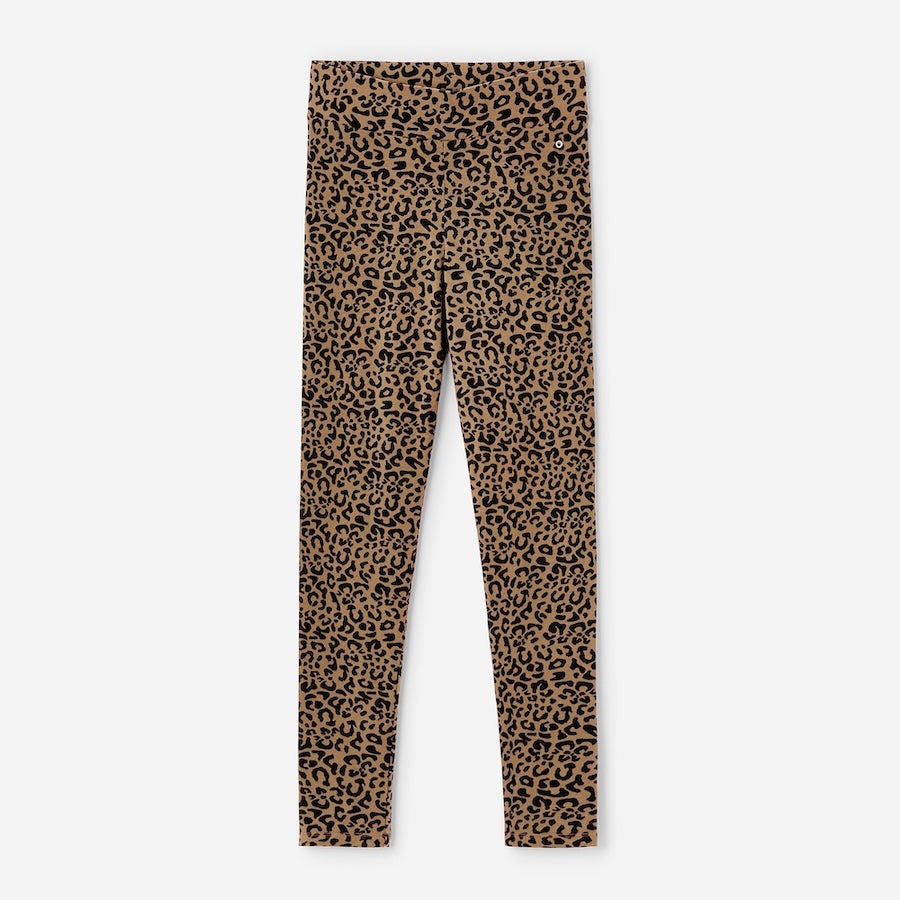
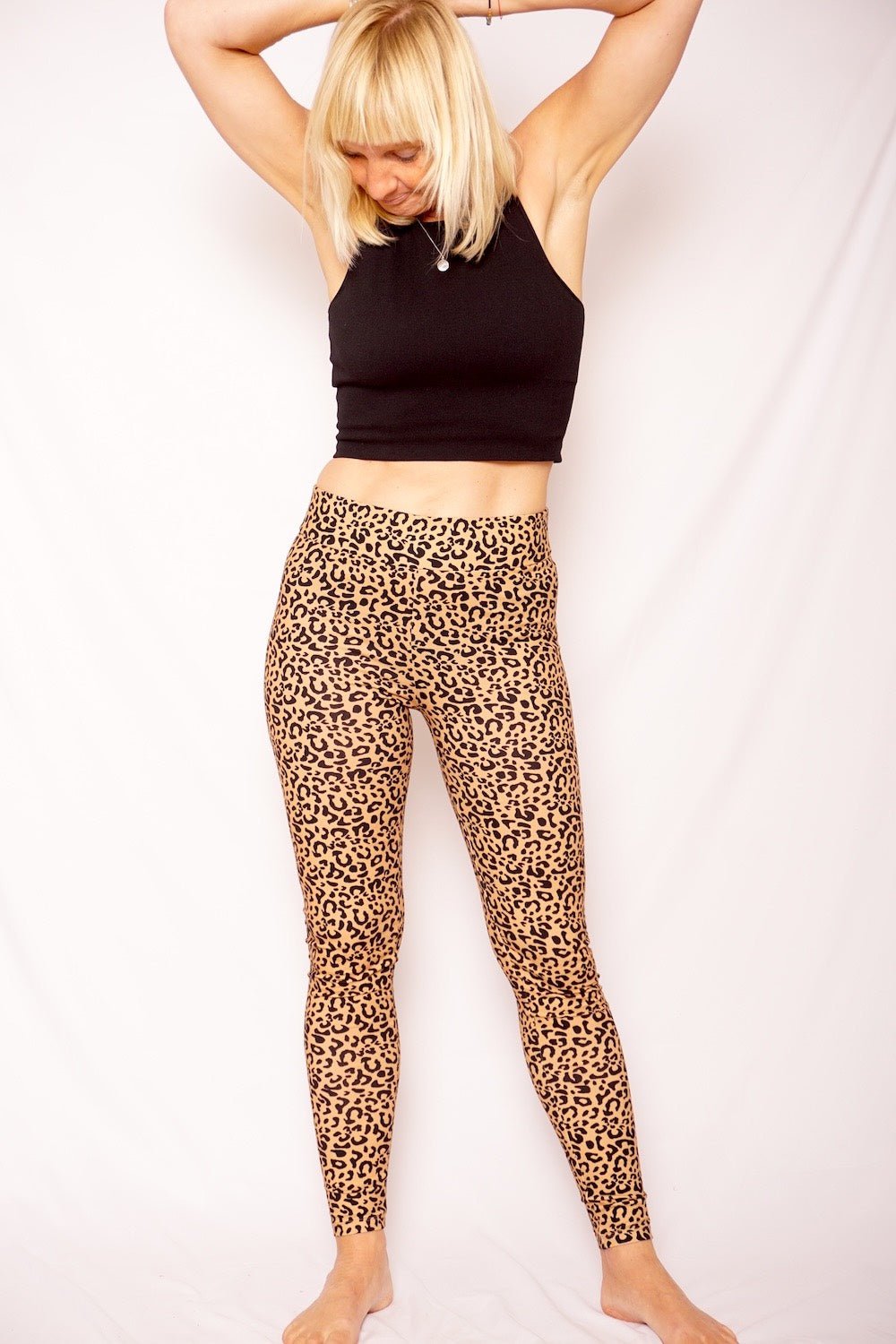
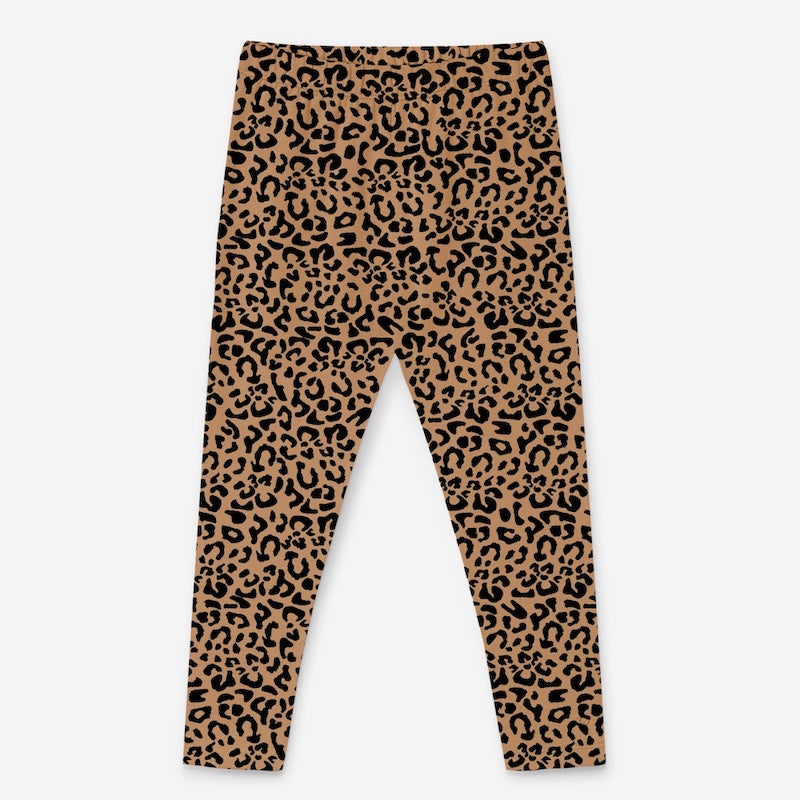
So no cotton for HIIT, spin, running or hot yoga. Our organic cotton leggings get great feedback for everyday wear and lighter training, but I wouldn't wear them to a marathon or a hot yoga class.
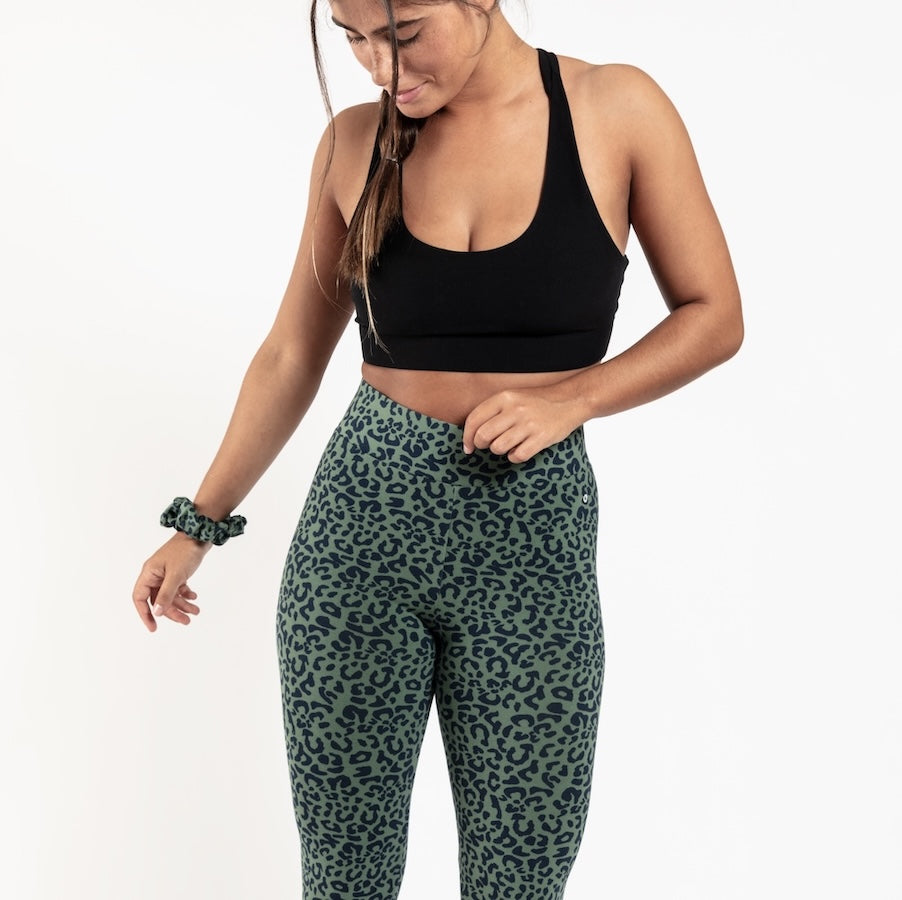
 AI-generated image
Linen
Linen's open weave lets a lot of air through: lovely for hot walks and sleepwear. With almost no stretch, it rarely shows up in leggings.
Bamboo (viscose)
The FTC says most bamboo textiles, perhaps all, are really rayon, made in a chemical process that leaves no trace of the plant. They can't be sold as plain "bamboo": the label has to name the fiber, as in "rayon (or viscose) made from bamboo." Antibacterial claims need proof. Here's how lyocell and viscose differ.
Silk
Silk feels cool and smooth, but it's delicate. It belongs on your pillows, not at the gym.
Polyester, nylon and spandex
Polyester absorbs very little moisture, so a quality polyester knit is built to wick sweat and dry fast. Nylon, the 2022 review notes, dries slowly. The review also found that synthetic shirts with high air permeability significantly increased sweat evaporation. For fastest drying, they deliver.
The trade-offs: they're plastic, some finishes contain PFAS, and polyester tends to smell. In a Ghent University study, shirts worn for an hour of indoor cycling smelled worse on polyester, where odor-causing micrococci grew better. Spandex (elastane) gives stretch to almost every legging. And a heavy, dense knit traps heat, whatever the fiber.
Fiber |
During a flash |
Afterwards |
Best workouts |
Watch-outs |
|---|---|---|---|---|
TENCEL™ Lyocell |
Smooth, takes up moisture |
Dries slower than polyester |
Yoga to cardio |
Dense knits feel warm |
Light merino |
Buffers moisture vapor |
Slow to dry, resists odor |
Cool outdoor runs |
Warm in hot studios |
Organic cotton |
Soft, absorbs well |
Stays wet, can feel cold |
Gentle yoga, walks |
Not for HIIT or hot yoga |
Linen |
Very airy |
Absorbs, wrinkles |
Hot-weather walks |
Almost no stretch |
Bamboo viscose |
Soft, absorbent |
Depends on knit |
Low-sweat movement |
Usually rayon, not bamboo |
Polyester / nylon |
Spreads sweat fast |
Polyester dries fastest |
HIIT, spin, running |
Plastic, odor, possible PFAS |
What to Wear by Workout
Here are my fabric choices, matched to how much you sweat. More options in natural fiber workout clothes.
Yoga and Pilates
Organic cotton or lyocell, a loose top, a soft bra. Shopping for cooling yoga clothes? Look for a light top and a layer you can slip off, not a "cooling" label. My picks: the best non-toxic yoga clothes.
Walking
Cotton or linen on mild days. A lyocell or light merino top on hot or brisk ones.
Strength training
Sweat comes in waves, with breaks between sets. Cotton or lyocell blends work if your leggings stay put in squats.
HIIT, running, spin and hot yoga
A lyocell blend, light merino outdoors, or quick-dry polyester, ideally with mesh panels. No cotton, least of all in a hot studio. That's what cooling workout clothes for women can realistically mean: fabrics that dry, not fabrics that treat.

Dress for Your Upper Body: Layers, Necklines and Your Sports Bra
The heat starts in your chest, neck and face, so that's where your clothing choices count most. Here's what I'd wear up top:
Layers: a light base plus a zip style or open layer you can drop in seconds. Skip tight pullovers.
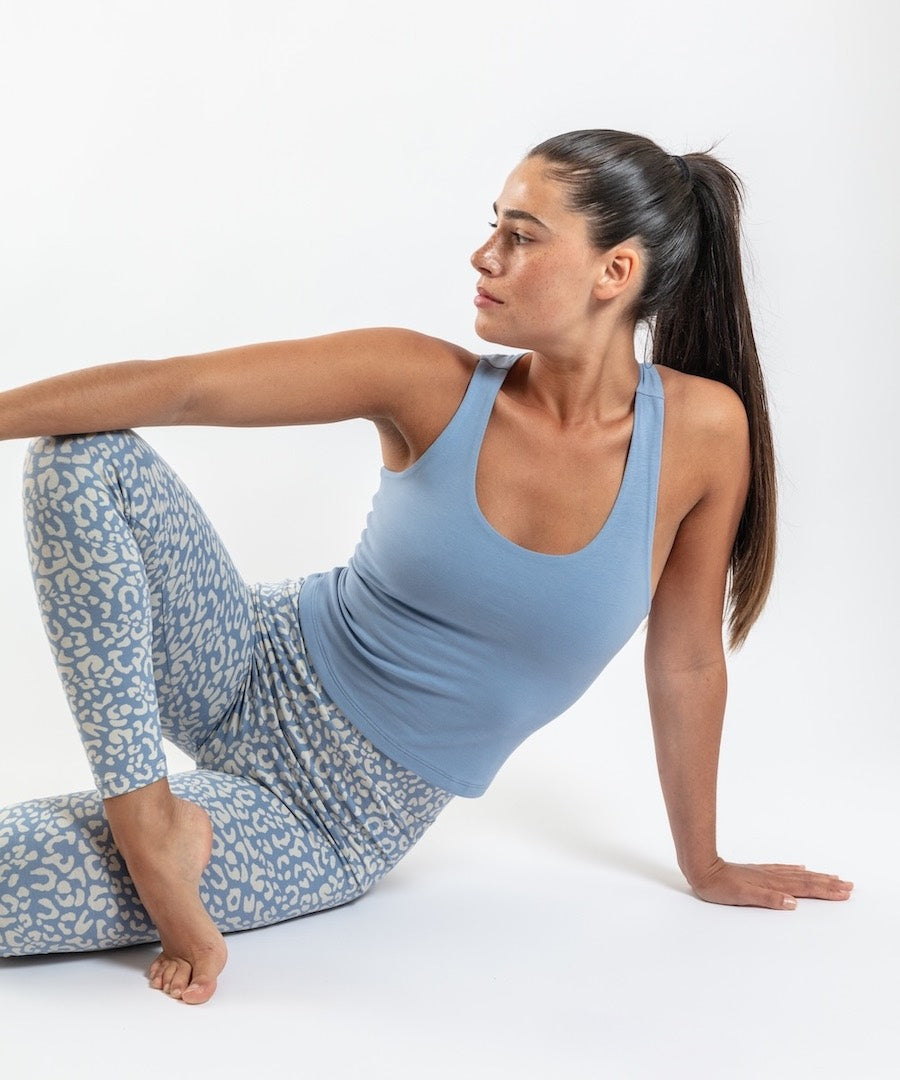
Necklines: scoop, V and racerback cuts let your skin breathe.
Fit: loose up top. The 2022 review links tight clothing to slower heat loss and compression garments to higher skin temperature.
Sports bra: sweat collects under the band. Match support to impact: soft and wireless for yoga and walks, firm high support for running and jumping. Don't trade support for softness on impact days. Choose smooth seams and materials that dry well. More in the best non-toxic sports bras.
Why I Chose TENCEL™ for Our Activewear
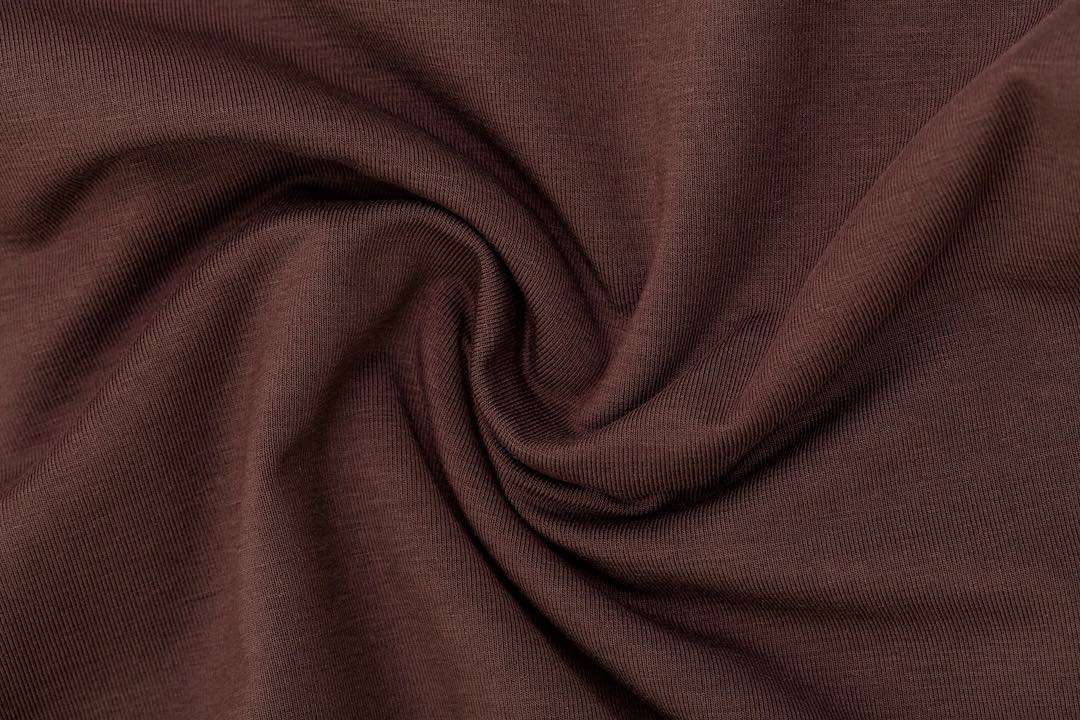
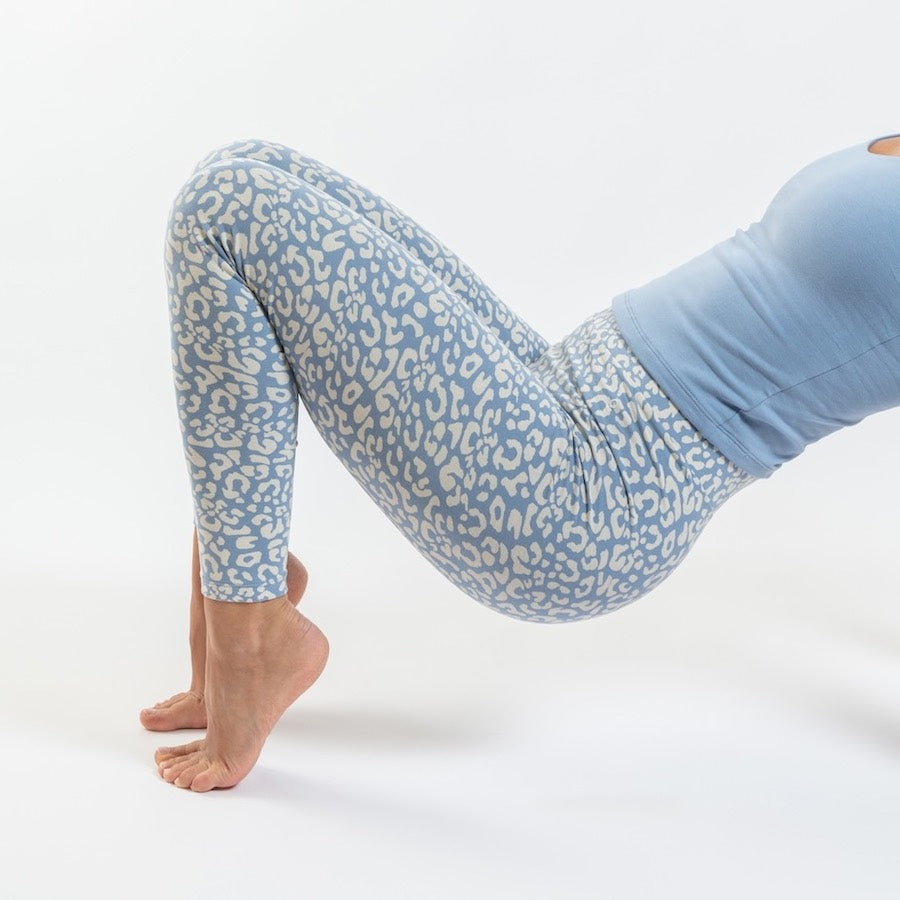
This part is my opinion and our own testing. Organic cotton has been our heart since 2018, and I still love it for everyday wear and gentle flows. But I know its limits when sweat pours. So we're launching leggings soon in 85% TENCEL™ Lyocell and 15% ROICA™ V550, OEKO-TEX® certified, with TENCEL™ used under license from Lenzing.

ROICA™ V550 is still elastane. Asahi Kasei's data sheet reports about 50% degradation after 24 months in a controlled compost test and says it won't degrade completely. So I don't call it biodegradable.
We chose a dense 300 GSM knit for opacity and soft compression. In our wear tests, the samples weren't see-through in squats and haven't pilled so far.
I've worn both the samples and our cotton leggings. One caveat: 300 GSM is a dense knit. For hot flashes, your top matters more than your leggings, because the heat hits your upper body first. More in my leggings fabric guide.

After the Workout and at Night: Sleepwear and Bed Sheets
Change into a dry top right after training; a damp shirt keeps cooling you. If you wake damp from night sweats, the same logic applies:
Pajamas: light lyocell, modal, linen or merino, cut loose.
Bed sheets and pillows: breathable weaves. Avoid heavy weaves and very high thread counts.
Bedroom: keep the bedroom cool if it feels better (comfort, not a proven treatment).
Care instructions: we wash our activewear at 30 °C (86 °F), without fabric softener. Cold water works too.
Checklist: Choosing Clothes for Hot Flashes
Fiber: match it to your sweat level.
Knit and weight: light, open knits win on breathability. Judge the whole garment, not just the fiber.
Fit: loose up top, supportive below.
Finishes: ask about PFAS and "anti-odor" treatments.
Certificates: GOTS for organic fiber and processing, OEKO-TEX® STANDARD 100 for testing against harmful substances.
These are the best clothes for hot flashes in my book: not one miracle fabric, but a smart system.
Conclusion: Your Best Fabric for Hot Flashes Is a System
The best fabric for hot flashes is the one that suits your workout: organic cotton for gentle days, lyocell, merino or a quick-dry knit for sweaty ones, plus one essential layer you can drop in seconds. Menopause friendly clothes aren't about a magic label. They're about feeling confident and comfortable enough to keep showing up.
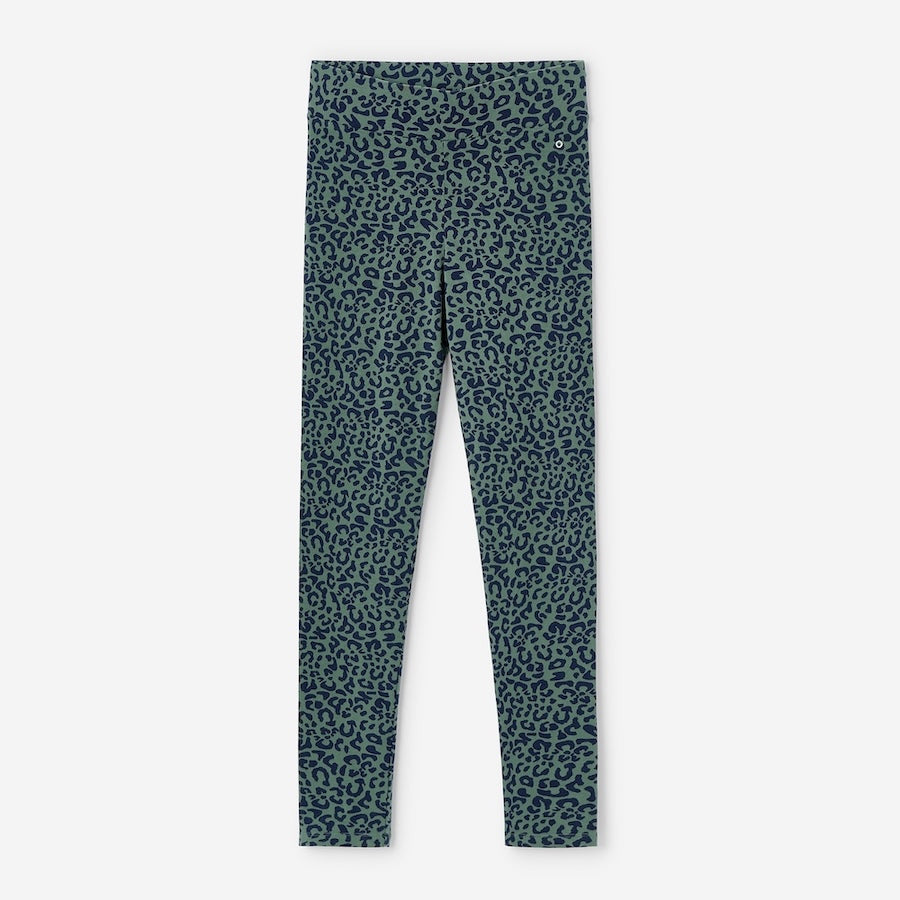
Explore our organic cotton tops, including the wireless Move-All-Day sports bra for lower-impact days, and our organic cotton leggings with a wide, high waistband. TENCEL™ leggings are coming soon.
FAQ
What makes hot flashes worse in menopause?
The Menopause Society names higher abdominal fat in younger women, current or past smoking, and surgical menopause as risk factors. Avoiding common triggers like alcohol, caffeine and spicy foods hasn't shown significant benefit in trials. Heavy, heat-trapping layers can make an episode feel more stifling.
When to take vitamin E for night sweats?
The Menopause Society lists vitamin E among supplements with limited data or no significant benefit in trials.
How to dress with a menopausal belly?
Choose comfort and fit: wide, soft high-rise waistbands that don't dig in, fabric with good stretch recovery that keeps its shape, and tops that skim rather than cling.
What do the Chinese use for hot flashes?
Traditional Chinese Medicine uses acupuncture and herbs such as dong quai.
What stops hot flashes immediately?
Nothing reliably stops one instantly; an episode typically lasts 1 to 5 minutes. Taking off a layer or stepping into cooler air may make it more bearable, but cooling isn't a proven treatment. For frequent, bothersome hot flashes, a clinician can explain the effective options, including hormone therapy and FDA-approved nonhormonal medicines.
What kind of clothes are best for reducing hot flashes?
Clothes don't reduce hot flashes; they make them easier to handle. The best clothing material for hot flashes is light, breathable, handles moisture well and comes off fast.
What is the best fabric for excessive sweating?
Quick-dry polyester dries fastest; merino and lyocell handle moisture with less plastic. My full sweat guide compares them.
*Advertisement: This article contains affiliate links marked with*. If you make a purchase through these links, we may earn a small commission at no additional cost to you.
The information provided is for educational and informational purposes only and is not intended as medical advice. It should not replace consultation with your physician or qualified healthcare provider. This article was created with the assistance of AI tools and has been editorially reviewed and approved by our team. All opinions expressed are our own.
Lilija Bairamova

Lilija is the founder of Orbasics, a brand born from her passion for creating a healthier, more sustainable world, starting with organic, toxin-free clothing for children. As a mother committed to a non-toxic lifestyle, Lilija has spent years exploring and embracing clean beauty, non-toxic living, and holistic wellness. She shares her expertise on everything from natural personal care to creating toxin-free home environments, offering practical tips and in-depth guides that empower you to make healthier choices and lead a more mindful, health-conscious life.


Leave a comment