
Table of Contents
Best Fabric for Sweating: What Actually Works (and What Doesn't)
This page may contain affiliate links. We may earn a commission on purchases, at no additional cost to you. Learn more →
Have you ever put on a fresh shirt in the morning, felt great — and then spent the rest of the day trying not to lift your arms? Most of us have been there. And most of us have blamed ourselves, our bodies, or just accepted it as part of life.
But here's what I've come to understand after years of researching what we put on our bodies: the problem usually isn't you. It's the fabric.
Sweating is your body doing exactly what it's supposed to do. It's your built-in cooling system — your body's natural cooling mechanism working hard to regulate your temperature. The real question is whether your clothes are helping that process or fighting it.
Because when you're wearing the wrong material, sweat has nowhere to go. It sits against your skin, shows through your shirt, and makes a completely normal bodily function feel like something to be embarrassed about.
Finding the best fabric for sweating isn't about stopping sweat. It's about wearing something that works with your body instead of against it.
Key Takeaways
-
Moisture-wicking fabrics draw sweat off your skin and spread it across the outer surface of the material, where it can evaporate quickly.
-
Breathable fabrics and wicking fabrics are not the same thing — both matter, but in different ways.
-
Merino wool is one of the few fabrics that handles sweat and odor naturally — without the chemical load of synthetics.
-
Organic cotton absorbs moisture but won't wick it — gentle on sensitive skin for casual wear, but not built for intense activity.
-
Lighter colors and loose fits reduce visible sweat marks significantly.
-
Synthetic fabrics like polyester and nylon wick fast, but are often treated with PFAS and chemical finishes that can irritate sensitive skin and worsen eczema — OEKO-TEX certification is the safeguard to look for.
What to Know Before You Start Shopping
Breathable vs. Moisture Wicking — They're Not the Same Thing
This distinction matters more than most people realize, and it's where a lot of fabric advice goes wrong.
-
Breathability refers to how well air moves through a fabric. When air circulates, sweat can evaporate right off your skin — the way it's supposed to. Think of loose linen on a hot afternoon. It feels cool because air is moving through.
-
Moisture wicking is different. Moisture‑wicking fabrics are designed to pull sweat away from your skin and carry it to the outer layer of the material, where it spreads out and evaporates more quickly. This happens through capillary action — the same principle that makes a paper towel draw up liquid. The fabric structure creates tiny channels that move moisture outward.
A fabric can be breathable without being a great wicking fabric. Cotton is a good example of this: it lets air through, but it also holds onto moisture rather than moving it away. According to North Carolina State University's Textile Protection and Comfort Center, moisture management is actually a measurable property in textiles — how efficiently a garment moves liquid from the side touching your skin to the outer layer. Cotton scores low on that scale. Polyester scores high.
Understanding the difference helps you stop buying fabrics that look good on paper but leave you uncomfortable by noon.
The Best Fabrics for Sweating, Honestly Evaluated
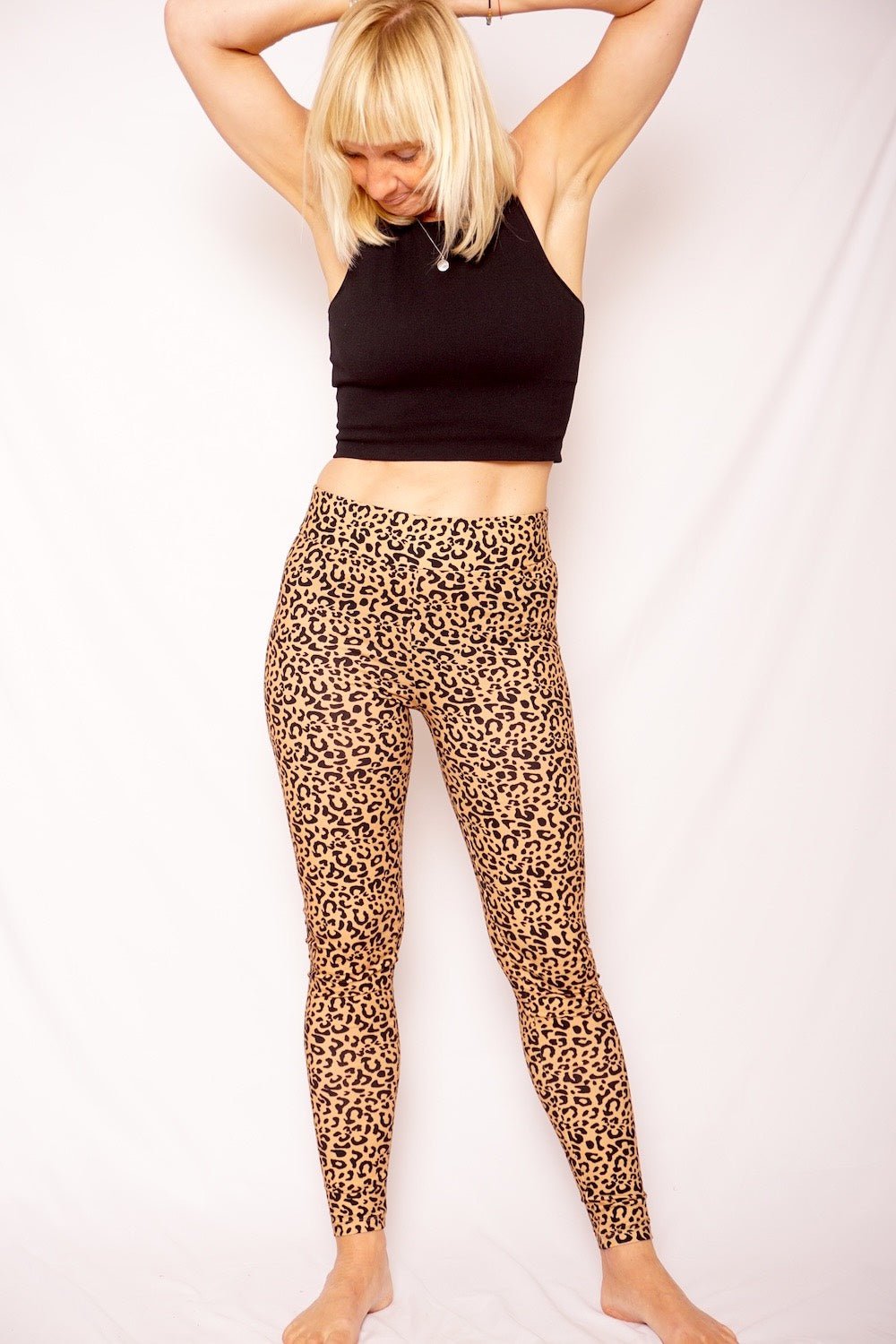
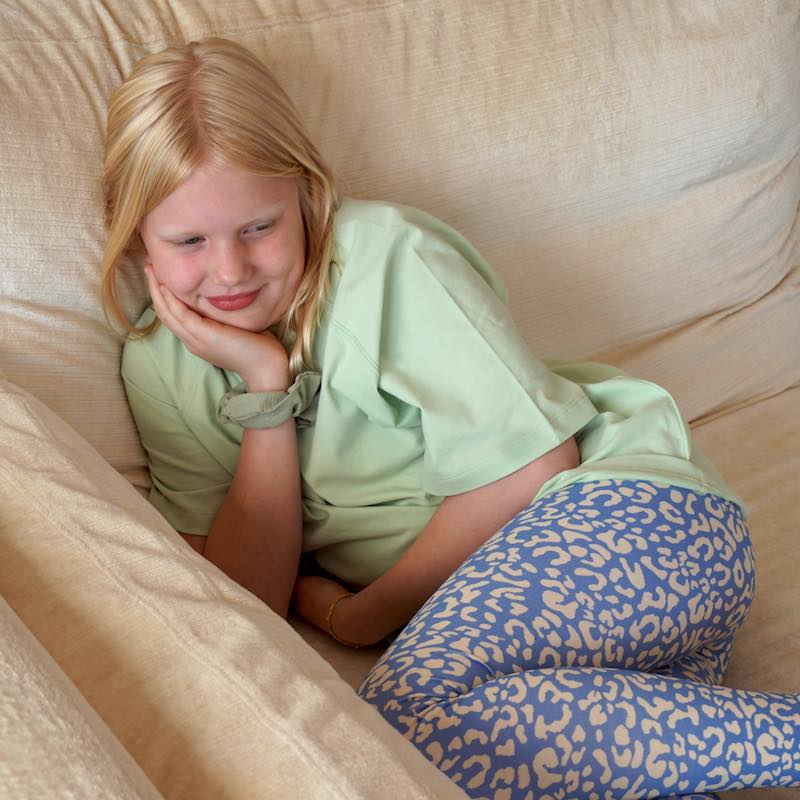
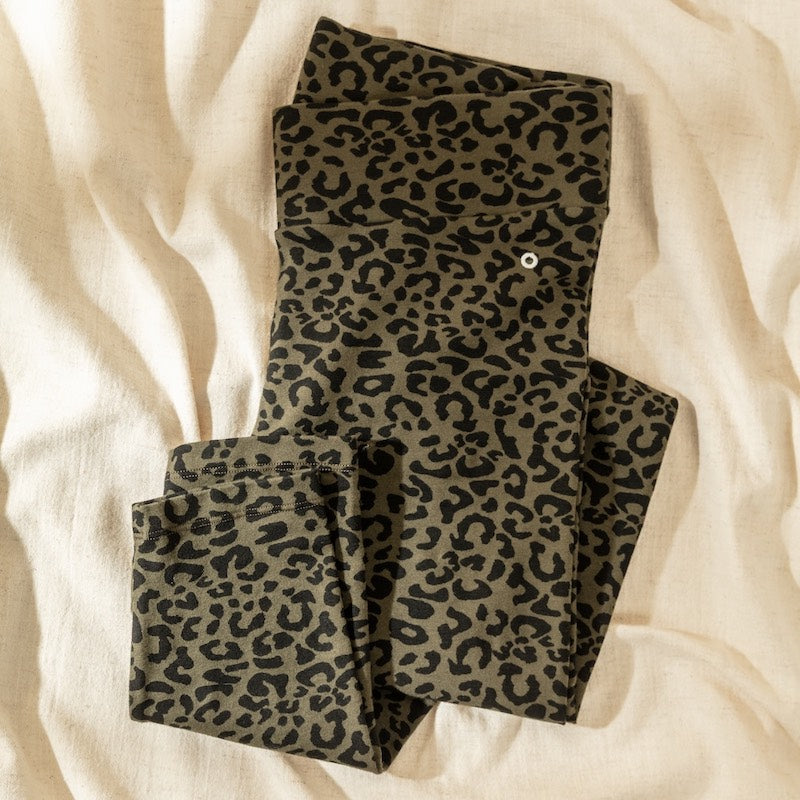
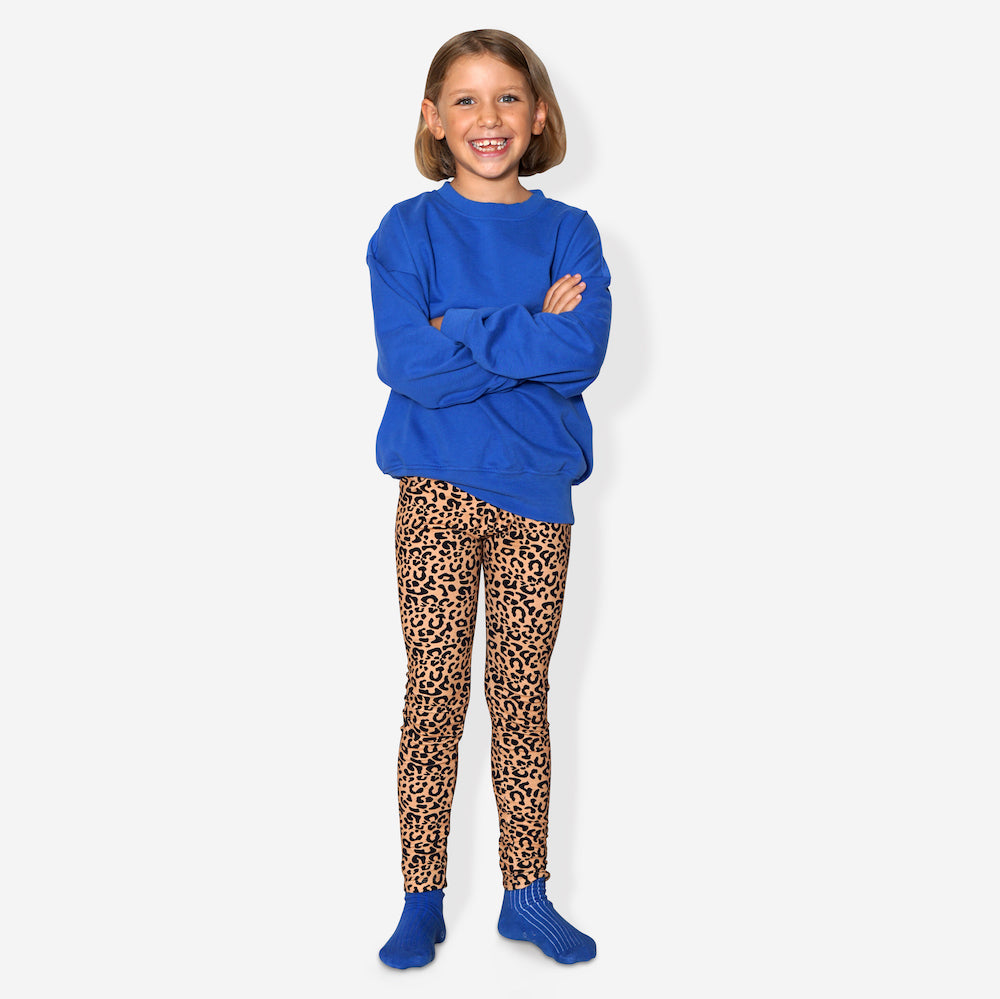
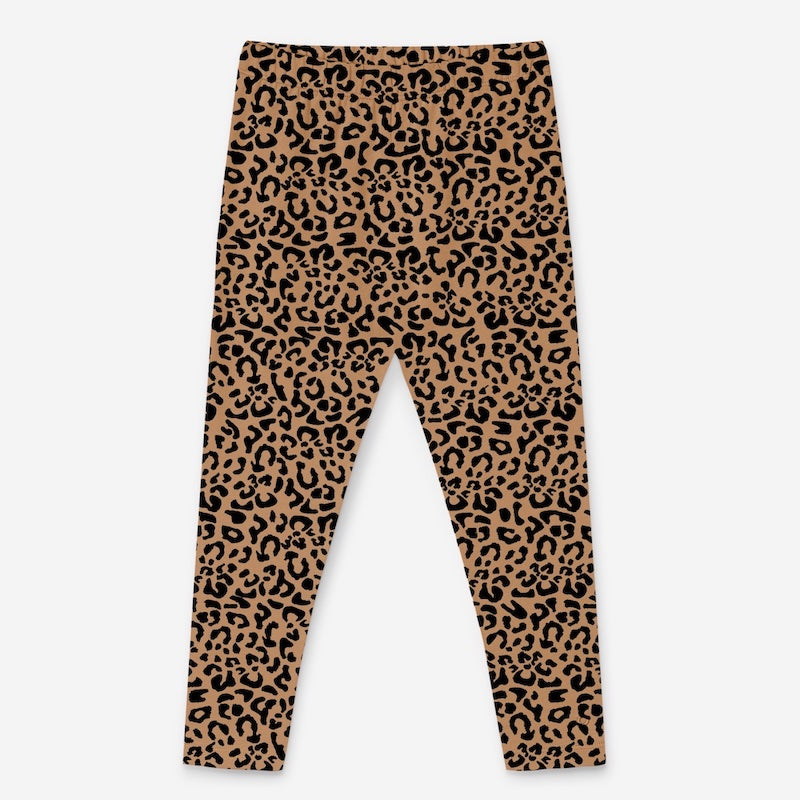
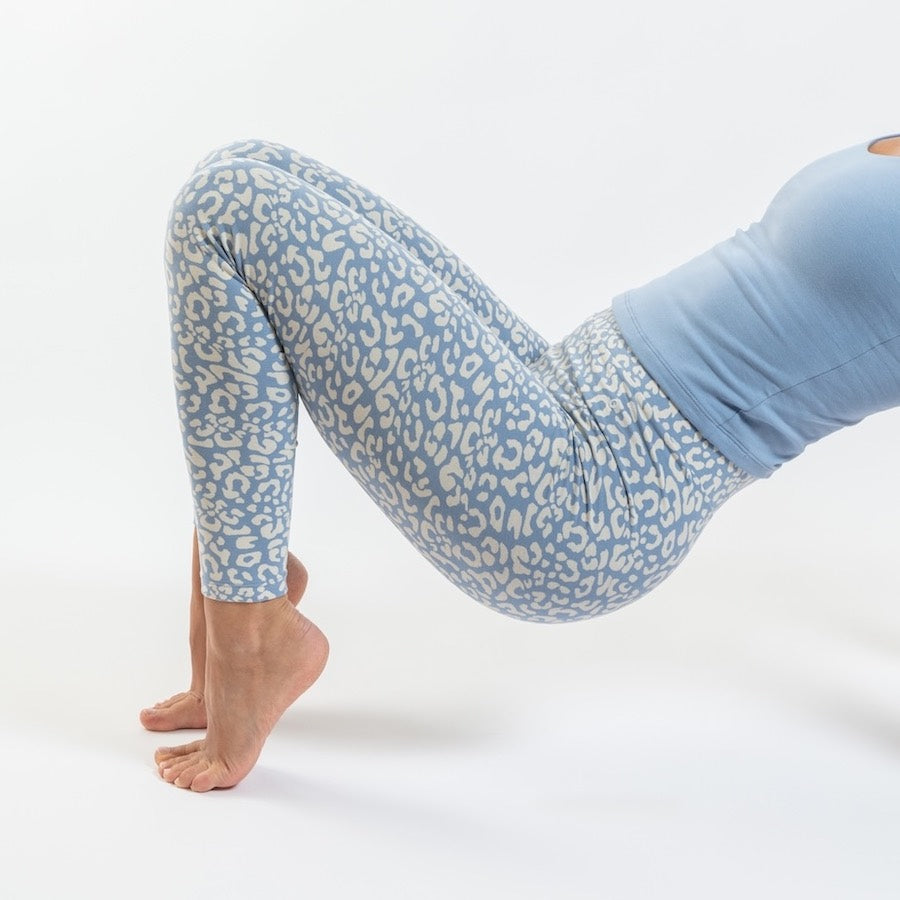
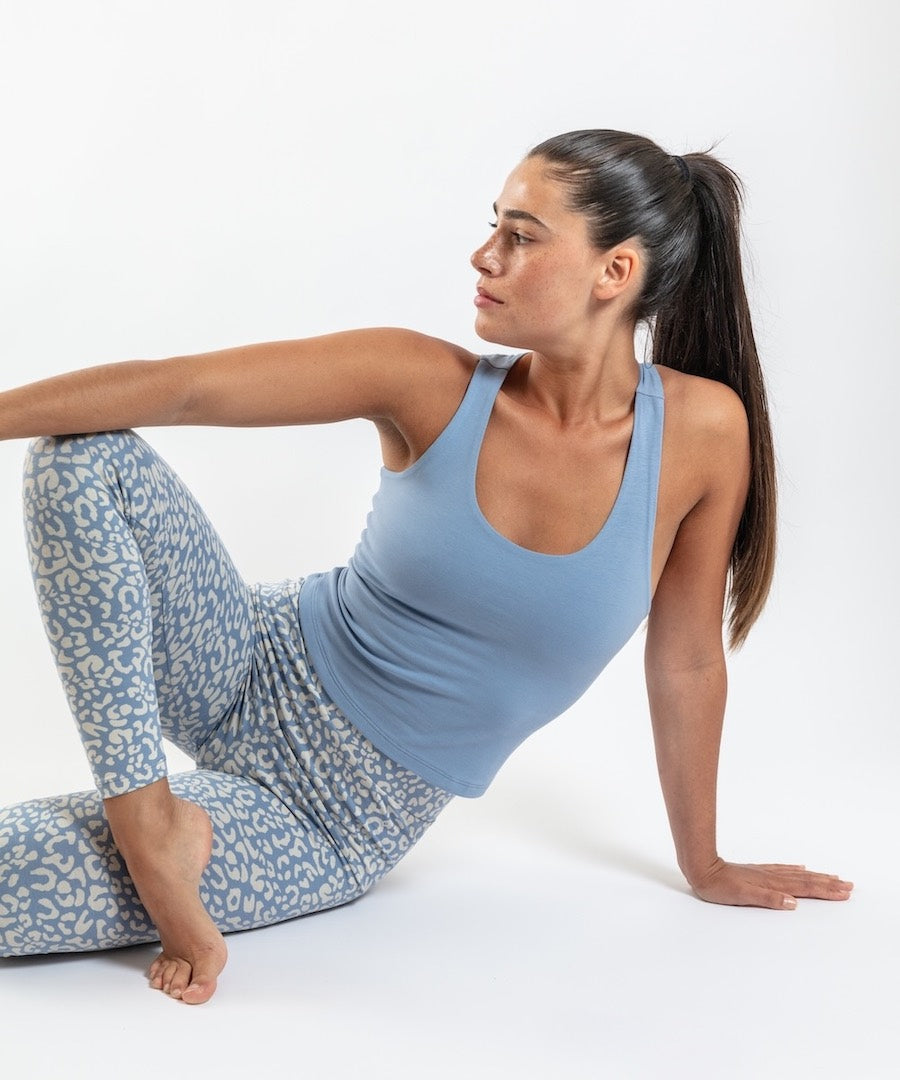
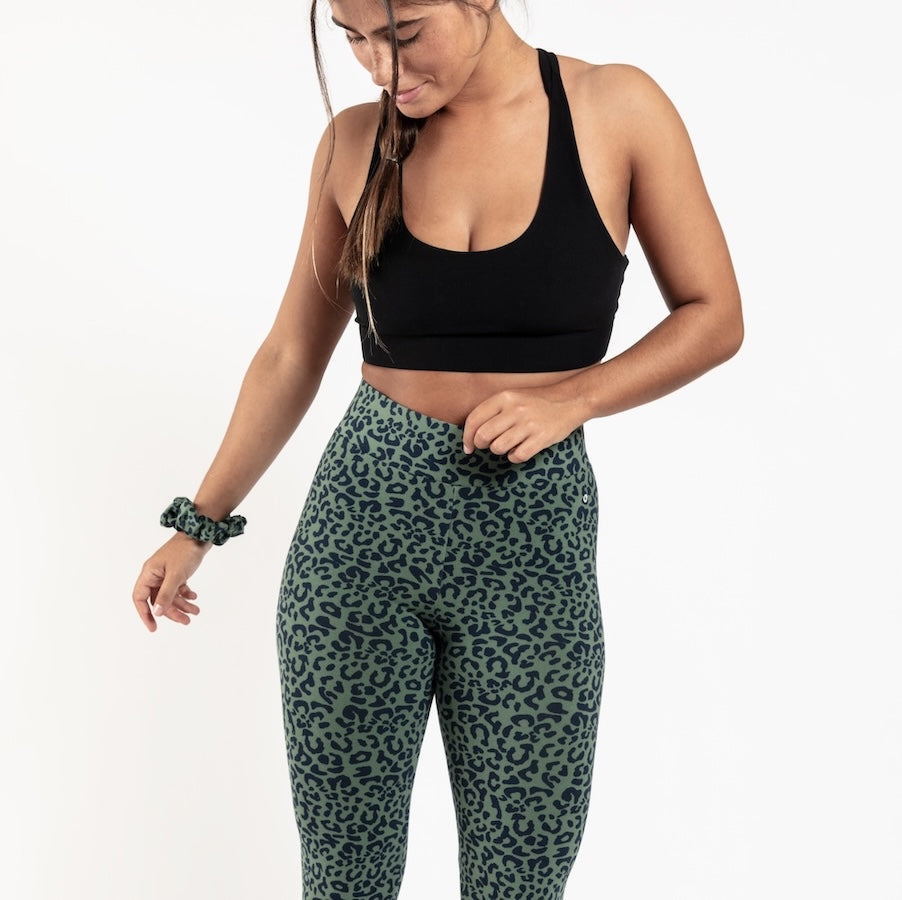
For gentler sessions, natural-fiber options can feel especially comfortable against warm skin: try our organic cotton leggings, organic cotton sports bra, or organic cotton racerback tank.
Polyester: Effective for Moisture Wicking — But Worth Understanding Fully
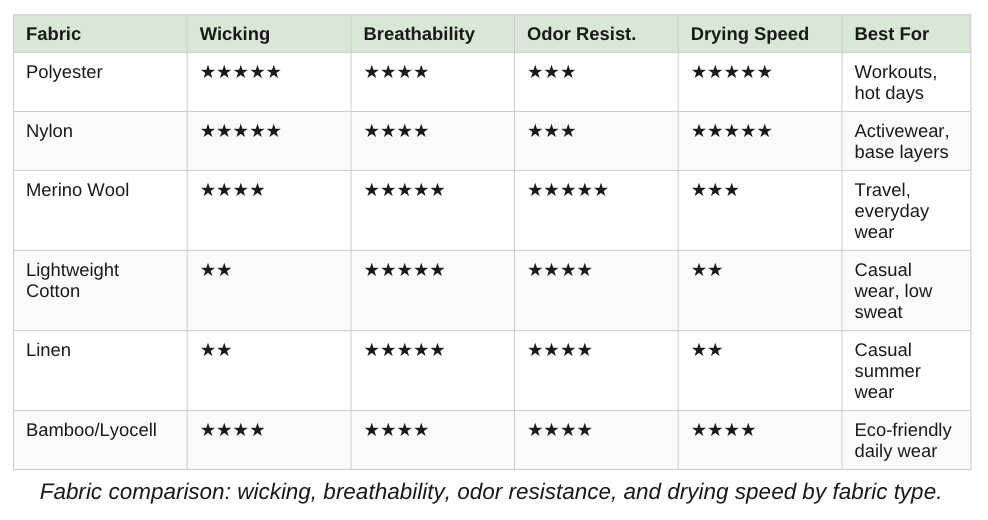
Polyester is the most common fabric in activewear, and it earns that place for a reason. It's lightweight, dries quickly, and wicks moisture away from your skin more efficiently than almost any natural fiber. When you need to stay dry during a workout or on a hot day, polyester does the job.
But if you have sensitive skin, eczema, or simply care about what's touching your body all day — there's more to this fabric than the performance spec.
-
The odor issue is well-documented. A 2014 study published in Applied and Environmental Microbiology found that polyester shirts smell significantly more unpleasant after exercise than cotton, because bacteria colonize synthetic fibers differently. The fabric pulls sweat to the surface efficiently, but that same surface also becomes a breeding ground for odor-causing bacteria.
-
The chemical concern goes deeper. Polyester is derived from petroleum, and most polyester garments — especially those marketed as moisture wicking, stain-resistant, or water-repellent — are treated with chemical finishes during manufacturing. These can include PFAS ("forever chemicals"), disperse dyes, formaldehyde, and phthalates. Research from the University of Birmingham found that the oil in sweat actively draws chemical additives out of synthetic fibers — and that those chemicals can then be absorbed through the skin. The more you sweat, and the harder you exercise, the more exposure occurs.
Consumer testing conducted by Mamavation in partnership with EHN.org found detectable levels of fluorine — a strong indicator of PFAS — in 1 in 4 pairs of mainstream activewear leggings tested. Separately, the Center for Environmental Health detected BPA at up to 40 times California's safe limit in some sports bras and leggings from major brands.
For eczema and sensitive skin, the picture is also concerning. Research by Dr. Ian Myles, an allergist and immunologist studying the skin microbiome, found that harmful bacteria like Staphylococcus aureus proliferate on polyester but cannot survive on cotton. Polyester's disperse dyes — the chemical colorants used to color synthetic fibers — are recognized skin irritants, particularly for children and people with eczema. Tight-fitting polyester traps heat and moisture against the skin, disrupting the skin's natural barrier and creating exactly the conditions that trigger flare-ups.
Does this mean avoiding polyester entirely?
Not necessarily. But it does mean being selective. If you're buying polyester activewear, look for OEKO-TEX Standard 100 certification — it means the garment has been independently tested for over 100 harmful substances including PFAS and formaldehyde. Wash new synthetic garments before wearing them the first time, as washing removes a significant portion of surface chemical residues. And if you have eczema, sensitive skin, or wear synthetic activewear for long periods directly against skin, it's worth considering alternatives.
We cover this in more detail in our article on how synthetic fabrics affect your skin microbiome — worth reading if this topic concerns you.
Best for: Workouts and high-sweat activity where staying dry is the priority — with OEKO-TEX certification, or if skin sensitivity is not a concern.
Nylon: Softer Than Polyester, But Similar Caveats
Nylon does what polyester does — it pulls sweat off the body and dries quickly — but it feels softer against the skin. It also tends to resist sweat stains and holds up extremely well over time. If polyester ever feels scratchy or uncomfortable next to your skin, nylon is worth trying for base layers and activewear.
That said, the same chemical concerns apply. Nylon is also a petroleum-derived synthetic fabric, and it's frequently treated with PFAS finishes and disperse dyes. The University of Birmingham research on sweat leaching chemicals from synthetic fibers applies to nylon too. For sensitive skin and eczema, nylon is softer in texture than polyester but not necessarily safer in terms of chemical load. Again, OEKO-TEX certification is the thing to look for.
Best for: Base layers, warm weather performance wear, everyday active pieces — with the same caveats on certifications and sensitive skin.
Merino Wool: The One That Handles Sweat and Odor
I know — wool sounds wrong for this conversation. But merino wool is one of the most genuinely impressive fabrics I've come across, and it consistently surprises people who discover it for the first time.
Merino's fine fibers are naturally moisture wicking, temperature-regulating, and — unlike synthetic materials — naturally antimicrobial. That means bacteria don't build up in the fabric the way they do in polyester, which is why merino wool garments don't develop that stubborn workout smell even after multiple wears. It also regulates body temperature across a wider range than most fabrics, which is why it works just as well on a warm day as a cool one.
Merino is one of the most breathable fabrics with strong moisture absorption and odor management — suitable for hiking, travel, and daily life. The one limitation: it's not the fastest-drying option if you're doing high-intensity exercise and sweating heavily.
Best for: Travel, everyday wear, outdoor activities — anywhere you need sweat control and odor resistance together.
Cotton: Go Organic if You Can
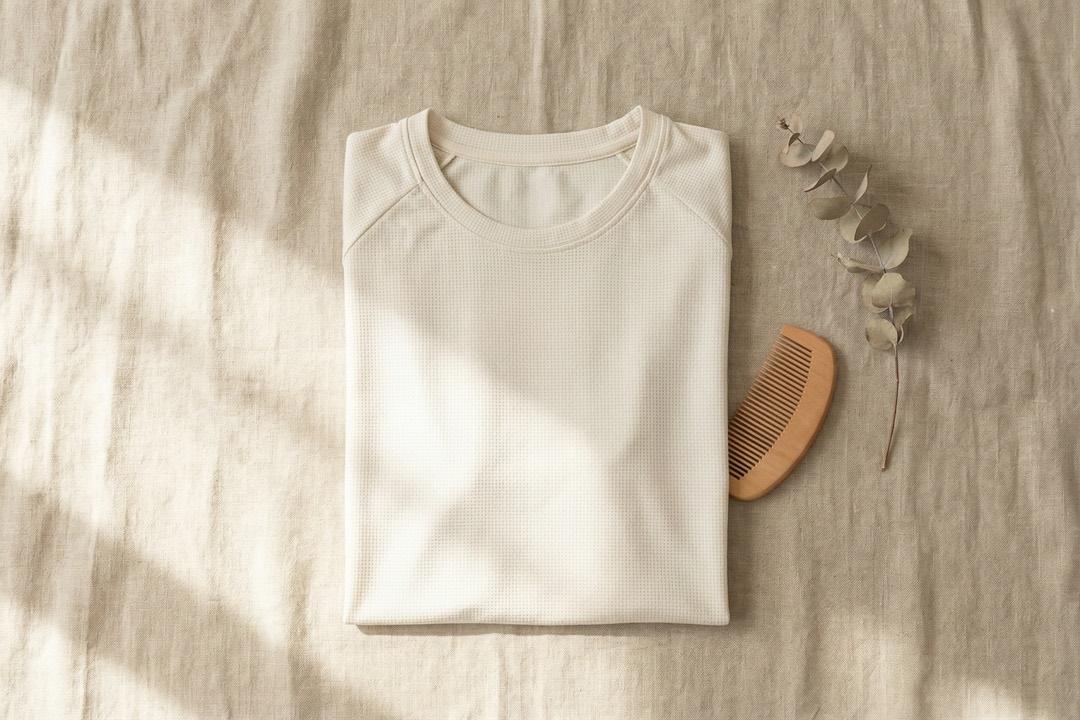
Cotton feels good. It's soft, breathable, and gentle on the skin — including for people who find synthetics irritating. Lightweight cotton is genuinely pleasant for low-key casual wear on warm days, and for eczema-prone or sensitive skin, it's a significantly better option than polyester or nylon.
The moisture limitation is real though: cotton absorbs sweat rather than wicking it away. Once it gets wet, it stays wet. That's fine sitting at a café — not so fine if you're commuting, presenting at work, or doing anything that involves moving your body. Cotton is a poor choice if you plan to break a sweat. The fabric holds onto moisture, which leads to visible sweat marks and that familiar heavy, stuck-to-your-skin feeling.
But here's what most fabric guides leave out: not all cotton is equal. Conventional cotton is one of the most pesticide-intensive crops in the world, and most cotton garments are also treated with finishing chemicals — formaldehyde (for wrinkle resistance), synthetic dyes, and softeners — that can irritate sensitive skin over time, even though the base fiber itself is natural.
Organic cotton is a genuinely different thing. Grown without synthetic pesticides or fertilizers, and processed without harsh chemical finishes, it's much gentler on the skin — especially for eczema and sensitive skin. If cotton is your fabric of choice, look for GOTS certification (Global Organic Textile Standard), which covers both the agricultural and processing stages, or OEKO-TEX Standard 100, which confirms the finished garment has been tested for harmful residues. These aren't just marketing labels — they're independently verified standards.
Best for: Casual, low-activity situations — office days, relaxed weekends, warm weather with minimal exertion. For sensitive skin and eczema, GOTS-certified organic cotton is strongly preferable over conventional.
Linen — Natural Breathability for Hot Days
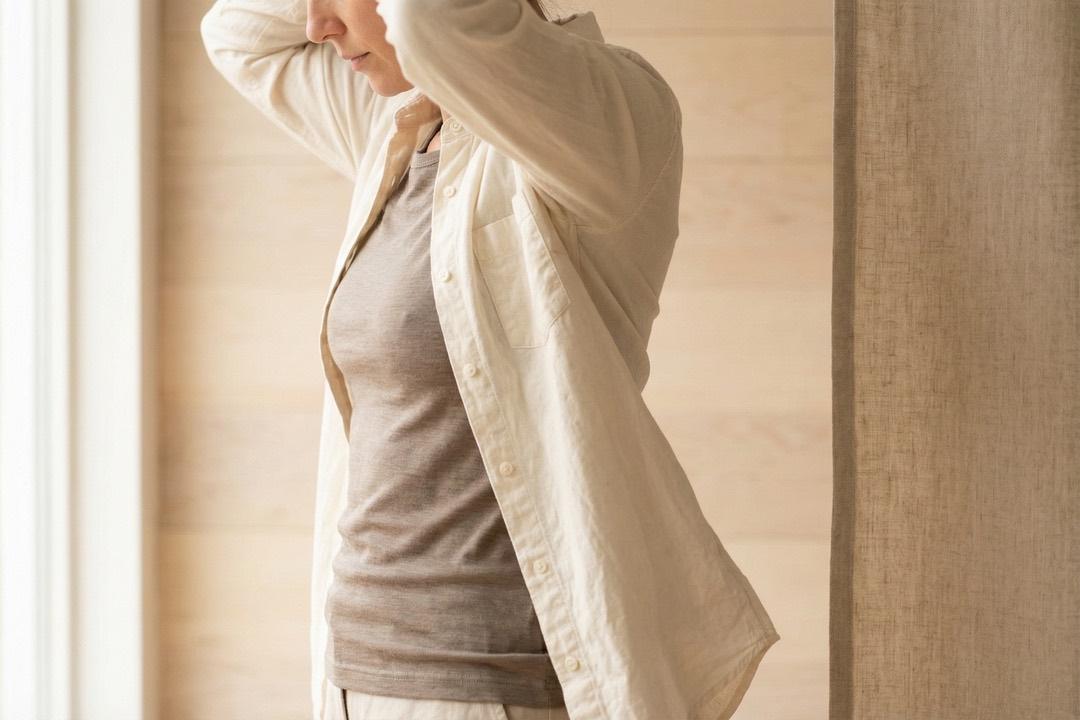
Linen has excellent breathability. Thanks to its loose, open weave, air can move easily through the fabric, which makes it an especially breathable choice in hot weather. It's a natural fabric made from flax fibers, lightweight, and pleasant to wear on hot days.
Like cotton, linen absorbs moisture rather than wicking it — and it wrinkles easily. Linen is ideal for casual wear when you want to stay cool, not for situations involving intense activity or excessive sweating.
Best for: Hot days, summer casual wear, low-sweat warm weather situations.
Bamboo and Lyocell (Tencel) — The Sustainable Middle Ground
Bamboo-based fabrics and Lyocell — sold under the brand name Tencel — have become popular for good reason. They're soft, genuinely breathable, and more effective at pulling moisture away from skin than cotton. Bamboo-based materials can absorb moisture up to 50% faster than cotton, and both have natural antibacterial properties that help with odor. For sensitive skin and eczema, they're among the gentler options in this list.
There are two things worth understanding before you buy, though.
-
On bamboo labeling: the Federal Trade Commission is clear that a product can only be marketed as "bamboo" if it's made from actual bamboo fiber. Most "bamboo" clothing is actually rayon or viscose processed from bamboo — which involves a chemically intensive manufacturing process, including solvents like carbon disulfide. It can still be a soft, functional fabric, but it's not the unprocessed natural material the marketing often implies.
-
Lyocell (Tencel) is genuinely different in this respect. It's produced in a closed-loop process that recaptures and reuses over 99% of the solvents used — making it one of the more responsibly manufactured semi-synthetic fabrics available. If environmental impact and chemical exposure both matter to you, Tencel-brand lyocell is the stronger choice within this category.
For either fabric, OEKO-TEX Standard 100 certification confirms the finished garment has been tested for harmful residues. It's the thing to look for on the label regardless of how the fabric is marketed.
Best for: Everyday wear, sensitive skin, eco-conscious shoppers — especially Tencel/lyocell if low chemical processing matters to you.
How to Choose the Right Fabric for Your Sweat Profile
When the Main Problem Is Feeling Constantly Wet
If keeping sweat off your skin is what matters most, synthetic wicking fabrics — polyester and nylon — are your best option. They move moisture away from your skin faster than any natural fiber, and they evaporate quickly even in warm or humid conditions. Pairing them with loose-fitting clothes helps even more: looser garments allow air to circulate, which gives sweat somewhere to go.
When Odor Is the Bigger Issue
Merino wool or bamboo-based fabrics are the answer here. Their natural antimicrobial properties mean bacteria — the actual cause of body odor — don't accumulate in the fabric the way they do in polyester. This is backed up by research: the 2014 Callewaert study found significantly worse odor on polyester shirts than cotton after exercise, and traced the difference to the microbial communities that develop on each fiber type.
When Visible Sweat Marks Are the Problem
For work situations or anytime visible sweat stains on an outer dress shirt would be embarrassing, a moisture wicking undershirt worn underneath does most of the work. On outer layers, lighter colors help — they reflect heat rather than absorbing it, and sweat marks show far less than on dark fabrics.
When the Climate Is Hot and Humid
Humid air is already saturated with moisture, which means sweat evaporates more slowly no matter what you're wearing. In these conditions, the looseness and breathability of what you wear matters as much as the fiber itself. CDC/NIOSH heat guidance explicitly identifies clothing characteristics — including breathability — as a factor in managing heat load on the body.
Simple Tips to Prevent Sweat Stains and Stay Comfortable
The fabric is the foundation. These habits help it work better:
-
Wear lighter colors when you know you'll be warm — they reflect heat rather than absorbing it, and sweat marks are far less visible.
-
Choose loose-fit garments that allow air to circulate. Even the best breathable fabrics can trap heat if the fit is too tight.
-
Use a moisture wicking base layer underneath outer garments to intercept sweat before it reaches visible layers.
-
Wash synthetic fabrics with a sports detergent — regular detergent can leave residue in synthetic fibers that reduces their wicking performance over time and makes odor worse.
-
Apply non-toxic antiperspirant and let it dry before getting dressed. Putting clothes on immediately after means the product transfers to the fabric rather than working on your skin.
A Note on Excessive Sweating
Fabric choice can do a lot. But if you sweat significantly more than others — regardless of heat or physical activity — it may be worth talking to a doctor. The American Academy of Dermatology describes this condition as hyperhidrosis: sweating beyond what your body needs for temperature regulation. It's common, and effective treatments exist.
The Cleveland Clinic notes that hyperhidrosis can significantly affect quality of life — but it's treatable, not something to just manage with fabric alone. If you suspect you're dealing with it, please reach out to a dermatologist.
International Trend Worth Knowing: PFAS in Fabrics
Many performance fabrics — especially those marketed as water-repellent or stain-resistant — use chemical finishes that may contain PFAS, a class of synthetic chemicals that don't break down naturally. New York and California both banned PFAS in apparel starting January 2025, and France passed a sweeping national PFAS restriction affecting clothing in 2026, as reported by the Washington Post.
These regulations are reshaping global supply chains, which means the performance fabrics reaching US stores are slowly changing too. If you're looking for sweat-resistant or moisture-managed workwear, it's worth checking whether garments carry PFAS-free certification — especially in anything marketed as "stain resistant" or "water repellent."
The Bottom Line
Sweating is normal. Your body is doing its job. What you wear just needs to stop making that harder than it has to be.
For intense activity, moisture wicking fabrics like polyester or nylon keep your skin drier than anything else — but they come with real trade-offs around chemical finishes and skin sensitivity that are worth knowing. OEKO-TEX certified options are a meaningfully safer choice if you go that route. For sweat and odor together, merino wool is hard to beat and brings none of that chemical baggage. For everyday casual comfort, organic cotton (look for GOTS certification) and linen are gentle, breathable options — just not designed for heavy sweat. And for sensitive skin with better moisture management than cotton, Tencel lyocell is worth knowing about.
The certification labels aren't just for the consciously eco-minded. For anyone with sensitive skin or eczema, they're a practical filter: GOTS and OEKO-TEX are how you know the fabric has actually been tested, not just marketed as natural.
The right fabric won't transform your body, but it can transform how you feel in it. And that's something worth paying attention to.
Frequently Asked Questions
What clothes are good for excessive sweating?
Moisture wicking fabrics like polyester and nylon work best when staying dry is the priority. For situations where odor is also a concern — like at work — merino wool is worth considering. A sweat-proof undershirt under a dress shirt can prevent sweat stains from reaching outer layers. If you experience excessive sweating that goes beyond normal heat or activity, the American Academy of Dermatology has a clear overview of what's available in terms of treatment.
What is the best cloth for absorbing sweat?
Cotton absorbs moisture well — but absorption and wicking are different things. Absorbing means the fabric holds sweat in; wicking means it moves sweat away from your skin so it can evaporate. For actual comfort, the best moisture wicking fabrics — polyester, nylon, or merino wool — are more effective than pure absorption, because they keep your skin drier rather than just soaking up what's there.
What type of fabric keeps you the coolest?
For low-activity situations in warm weather, linen and lightweight cotton offer excellent breathability and help with staying cool through airflow. For anything active, polyester and nylon are more effective because they support evaporation — the actual mechanism your body uses to cool itself. The most breathable fabrics for staying cool depend on whether you need passive airflow or active moisture transport.
Is polyester or nylon better for sweat?
Both wick moisture effectively and dry quickly — on pure performance, they're very close. Nylon tends to feel softer against the skin and resists sweat stains slightly better; polyester is more widely available and marginally faster-drying. For most people the performance difference is small enough that comfort against the skin is the deciding factor.
That said, both are petroleum-derived synthetic fabrics treated with chemical finishes — PFAS, disperse dyes, formaldehyde — that can irritate sensitive skin and have been shown to leach into sweat during exercise. Neither is a meaningfully cleaner choice than the other in that regard. If you have eczema or sensitive skin, neither polyester nor nylon is the first recommendation — GOTS-certified organic cotton, merino wool, or Tencel lyocell are gentler on compromised skin. If you do choose either synthetic, OEKO-TEX Standard 100 certification is the most reliable indicator that the garment has been tested for harmful residues.
*Advertisement: This article contains affiliate links marked with*. If you make a purchase through these links, we may earn a small commission at no additional cost to you.
The information provided is for educational and informational purposes only and is not intended as medical advice. It should not replace consultation with your physician or qualified healthcare provider. This article was created with the assistance of AI tools and has been editorially reviewed and approved by our team. All opinions expressed are our own.
Lilija Bairamova

Lilija is the founder of Orbasics, a brand born from her passion for creating a healthier, more sustainable world, starting with organic, toxin-free clothing for children. As a mother committed to a non-toxic lifestyle, Lilija has spent years exploring and embracing clean beauty, non-toxic living, and holistic wellness. She shares her expertise on everything from natural personal care to creating toxin-free home environments, offering practical tips and in-depth guides that empower you to make healthier choices and lead a more mindful, health-conscious life.




Leave a comment