
Table of Contents
GOTS-Certified Clothing: A Guide to Organic Cotton
This page may contain affiliate links. We may earn a commission on purchases, at no additional cost to you. Learn more →
Deciding to switch to GOTS-certified clothing is a tangible way to reduce chemical and social risks in your wardrobe, for yourself, your family and the environment. But how do we know if our clothing really is sustainable?
Whether you are choosing organic basics for your family or natural activewear for yourself, a clear label helps you look beyond a brand’s promises. This guide explains what GOTS certification means, how to check a finished garment and what to look for when buying organic cotton leggings.
What Is GOTS-Certified Clothing?
GOTS-certified clothing is made with at least 70% certified organic fibres and meets the Global Organic Textile Standard’s requirements for textile processing, environmental management and human rights, including social conditions. Independent certification checks the relevant supply chain, rather than relying on a brand’s own sustainability claims.
For you as a shopper, the useful distinction is between the raw materials and the final product: organic cotton tells you about the fibre, while a GOTS-certified finished garment also has to meet the applicable processing and labelling criteria. Check both the fibre composition and the certification details before you buy.
There is a wide range of synthetic and potentially harmful chemicals used in the fashion manufacturing process, from dyes and finishing agents to plastic additives.
Thankfully, transparency in the textile industry is improving and it is easier than ever to find certified, sustainable clothing. Among them is the Global Organic Textile Standard (GOTS) – one of the leading sustainable certifications. GOTS Version 7.0 was fully implemented on 1 March 2024. Version 8.0 was released in March 2026 with updated requirements on circularity, climate impacts and human-rights due diligence. It becomes mandatory on 1 March 2027, following a one-year transition period; earlier adoption is permitted. Read on to learn everything there is to know about GOTS!

Photo by @Orbasics
Why We Love GOTS-Certified Clothing
It can be confusing to grasp the concept of different organic standards. There are so many textile certifications out there, including the Organic Content Standard (OCS), OEKO-TEX, USDA Organic and many, many more.
However, the Global Organic Textile Standard (GOTS) is widely recognised as the worldwide leading textile processing standard for organic fibres, combining environmental and social criteria across the supply chain. Its criteria cover all key stages of textile processing, from the receipt of certified organic fibres to the finished piece, with detailed requirements on chemicals, environmental management and social conditions.
And most importantly: GOTS goes beyond the clothes themselves to take into account the human aspect. Many organic labels only focus on the raw fabric, while GOTS carefully looks at social criteria too. Since Version 7.0, GOTS includes explicit risk-based human-rights due diligence, stronger anti-discrimination rules and requirements to plan for closing living-wage gaps, making the social side of the standard even more robust.
There are many benefits of GOTS-certified clothing that impact you directly and indirectly.
The entire textile processing chain is designed to minimise risks for everyone involved.
It protects farmers, factory workers, consumers and the environment
The standard bans a wide range of toxic and persistent chemicals, sets strict residue limits and requires effective wastewater treatment to help reduce chemical risks.
Across major textile markets worldwide, GOTS is used and recognised, with independent, accredited certification bodies providing third-party verification.
The value of GOTS is that it connects certified organic raw materials with requirements for how clothes are processed and made. You can enjoy the organic basics you love while asking clearer questions about their supply chain.
Why Choose GOTS-Certified Organic Cotton?
Organic cotton is a natural starting point for everyday clothing. Think of the pieces you reach for most: a soft shirt, comfortable underwear, a baby outfit or leggings for a slow morning stretch. Choosing the right fabric starts with knowing what is in it and how its claims are checked.
What Makes Certified Organic Cotton Different?
Certified organic cotton comes from farming systems assessed against recognised organic production standards. Those standards restrict synthetic fertilisers, toxic pesticides and genetically modified organisms. GOTS accepts organic fibres certified under recognised farm standards; it does not itself certify the farm.
That is why the words “organic cotton” and “GOTS-certified clothing” answer different questions. The first describes the agricultural origin of the cotton. The second adds requirements for the textile processing chain. Neither the softness of a fabric nor its natural colour can tell you whether those checks took place.
GOTS-Certified Cotton or a Certified Finished Garment?
A statement about GOTS-certified cotton in a fabric should not be treated as proof that every item sold by a brand is certified. Look for certification information tied to the actual finished garment. The relevant certificate and product scope matter more than a general claim on a shop’s homepage.
The same applies to other natural materials. The Global Organic Textile Standard covers several organic fibres, including wool, hemp and linen. Cotton is only one option, and a fibre being natural does not automatically make it certified organic.

Photo by @Orbasics
What Is Required for GOTS Certification?
The GOTS certification is an independent system covering the relevant manufacturing and trading stages for products made with certified organic fibres, from the first processing of fibres through to finished goods and distribution. This type of third-party control helps guard against Greenwashing, which happens when brands claim to be sustainable but actually aren’t.
The GOTS certification sets comprehensive environmental and social criteria along the production and supply chain, from manufacturing to packaging, trading and distribution of textiles. There are various ecological and social criteria for the GOTS certification:

Infographic by @Orbasics
Fibre Content and Chemicals in GOTS-Certified Cotton
GOTS-certified products must contain at least 70% certified organic fibre material, such as organic cotton. Products labelled “made with organic” contain at least 70% and less than 95% certified organic fibres, while products labelled “organic” contain at least 95% certified organic fibres.
GOTS also permits an “organic in-conversion” label grade for products whose fibres come from farms transitioning to full organic certification, under defined conditions.
At the same time, GOTS sets strict requirements for the chemicals used in textile processing. Dyes, auxiliaries and process chemicals must meet toxicity and biodegradability or eliminability requirements. Hazardous groups such as PFAS/PFCs, certain heavy metals, azo dyes releasing carcinogenic amines, phthalates, organotin compounds and chlorinated solvents are banned or tightly restricted.
There are countless chemicals out there that you don’t want in your clothes or on your skin. By restricting hazardous inputs and setting residue limits, GOTS helps limit exposure to harmful substances and reduce pollution of surrounding ecosystems.
Storage and Packaging
The GOTS certification sets requirements for packaging, storage and transport too. Any paper or cardboard used in retail packaging for GOTS goods must either be recycled from pre- or post-consumer waste or be certified to a sustainable forest management programme such as FSC or PEFC. Packaging materials must not contain PVC.
Even transport and storage are considered: certified goods must be clearly identified and protected from contamination with prohibited substances and mixing with conventional products.
To reduce the amount of plastic waste, we decided to switch to paper packaging. Even though recycling can be a great method, our goal is to produce no plastic waste at all!
Social Criteria
What we also love about GOTS is that it takes the human aspect of clothing into consideration. Its social criteria are based on key International Labour Organization (ILO) norms and follow a broader human-rights approach. They prohibit child labour, forced labour and discrimination, and require safe working conditions, freedom of association and regular employment.
Employees must receive wages that meet at least legal or industry benchmark standards, whichever is higher, and working hours are controlled. Certified entities must also implement risk-based human-rights due diligence for their own operations and supply chains, assess living-wage gaps and develop plans to close them. These requirements were strengthened in GOTS Version 7.0.
Testing, Documentation and Supply Chain Transparency
All GOTS-certified companies must document the relevant stages of their textile manufacturing and trading processes, supporting traceability and the reliability of the certification. Testing for harmful contaminants is carried out by independent, accredited laboratories based on a risk assessment.
Approved certification bodies conduct annual on-site audits and may perform additional unannounced inspections to verify ongoing compliance with GOTS criteria.
Other Ecological Criteria
Other ecological criteria include waste disposal and targets for energy and water use. Wastewater from wet processing units must be treated in a functional wastewater treatment plant before discharge. GOTS also sets limits for chemical oxygen demand (COD), a measure of the pollution load in water, helping to control the environmental impact of textile production.
With Version 7.0, GOTS tightened rules on recycled synthetic fibres because of concerns about microplastics and quality, while allowing recycled GOTS goods waste and recycled organic fibres as additional materials to support circularity. You can explore these changes in the overview of GOTS Version 7.0.
How do I recognise the GOTS Certification?
GOTS stands for “Global Organic Textile Standard”, a globally recognised certification for sustainable clothing.
The certification was developed at the Intercot Conference 2002 in Düsseldorf, where international parties exchanged ideas on setting specific standards for the textile industry. But it wasn’t all talk, they also found a solution: the International Working Group for the Global Organic Textile Standard was founded. By 2006, the GOTS Certification was established and in 2008, the logo was presented to the public.

Photo by @GOTS
Today, you can recognise GOTS-certified clothing in several different ways:
The trademark certification logo
The lettering Global Organic Textile Standard
The GOTS label grade (organic or made with organic)
Details of the certification body
The licence or certification number of the certified entity
Make sure to check the required GOTS labelling details: the logo, label grade, certification body and licence or certification number. A logo alone is not enough to verify a claim. You can use the company details or certification number to check the certified entity in the GOTS certified suppliers database.

Photo by @Orbasics
Is GOTS Different From OEKO-TEX and Other Organic Labels?
An “organic” label can be useful, but its meaning depends on the standard behind it and the product it covers. A claim about organic cotton alone does not explain which dyes were used, how a processing facility manages wastewater or what protections apply to workers. Look for independent verification that answers the questions you care about.
GOTS vs OEKO-TEX STANDARD 100
OEKO-TEX STANDARD 100 focuses on testing textiles for harmful substances. Its testing requirements take account of the intended use and degree of skin contact. A STANDARD 100 label alone does not mean that a shirt or pair of pants contains certified organic cotton.
GOTS combines organic-fibre requirements with environmental and human-rights criteria for textile processing. The labels have different scopes, so check the full name of the certification. OEKO-TEX also offers other programmes, which should not be confused with OEKO-TEX STANDARD 100.
GOTS vs the Organic Content Standard
The Organic Content Standard (OCS) verifies and tracks organic material through the supply chain. It focuses on the integrity and traceability of that material. OCS does not add the same chemical-processing, environmental-management or social criteria as GOTS.
If you want both certified organic content and processing requirements, check for GOTS certification of the finished product. When comparing brands, read each label for what it actually verifies.
There have been many cases of Greenwashing, which is when a company just markets itself as environmentally friendly, instead of truly focusing on its impact. Producers that label themselves organic without an actual certification may not have ethical working conditions. Or they may consume significant amounts of energy and pollute the environment with their production processes.
As a sustainable label, we want to make choosing your clothes feel clearer. GOTS certification gives us a shared framework for explaining the organic fibres, processing requirements and independent checks behind our clothing.
How to Choose GOTS-Certified Clothing for Everyday Wear
Start with the clothes you enjoy wearing most. A well-chosen pair of organic cotton leggings or an easy long sleeve shirt can become part of many outfits. Check the material, the certification and the fit together, so the piece works for your day as well as your values.
Natural Activewear and Organic Cotton Leggings
Looking for natural activewear? Begin with the fibre composition. “Natural” is a broad description, so look for the exact percentage of organic cotton and any additional materials. A cotton-rich blend can still contain a synthetic stretch fibre, even when the finished garment is GOTS-certified. For a closer look at different fabrics and their uses, read our guide to natural fibre workout clothes.
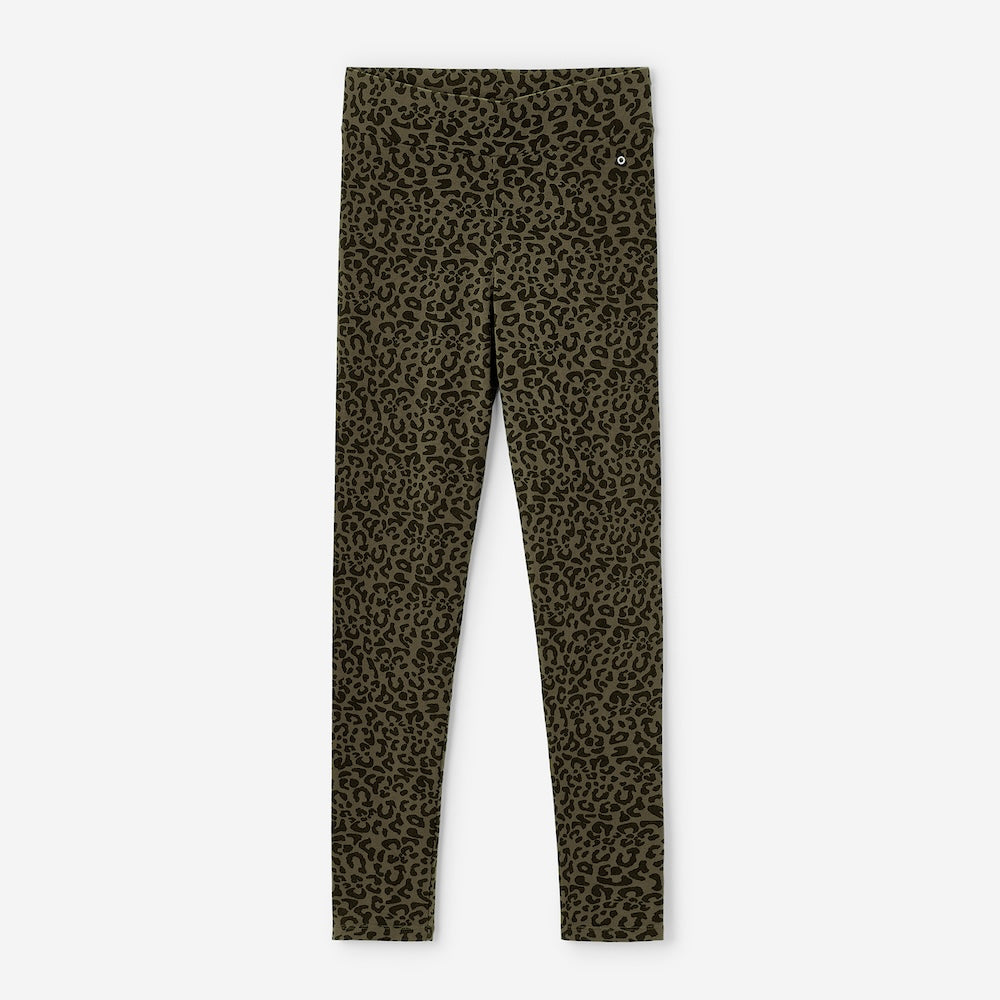
Our organic cotton leggings for women combine 95% organic cotton with 5% elastane. The organic cotton gives the fabric its soft feel, while the elastane adds stretch and helps it keep its shape. The finished leggings are GOTS-certified; they are not 100% cotton or plastic-free.
These leggings are designed for yoga, Pilates, walking and gentle everyday movement. Wear them for a morning stretch, while running errands or when you want comfortable clothing at home. Choose the cut and support that suit your routine: GOTS certification describes material and production requirements, rather than a level of athletic performance.
Animal Print Leggings: Look Beyond the Pattern
You can bring a little personality to your wardrobe and still ask thoughtful questions about its materials. An animal print does not tell you whether a fabric is synthetic, organic or certified. The product label and composition do.
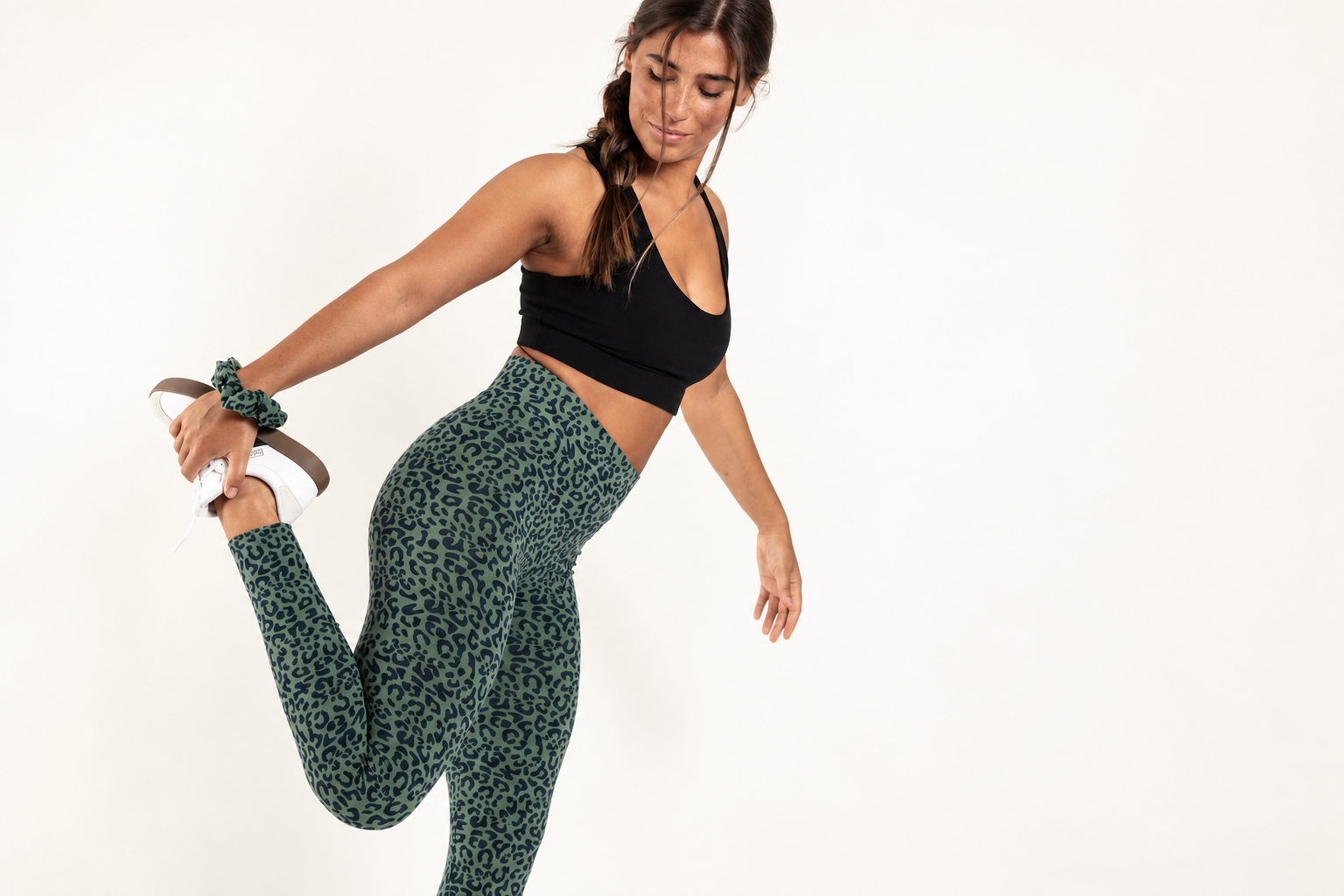
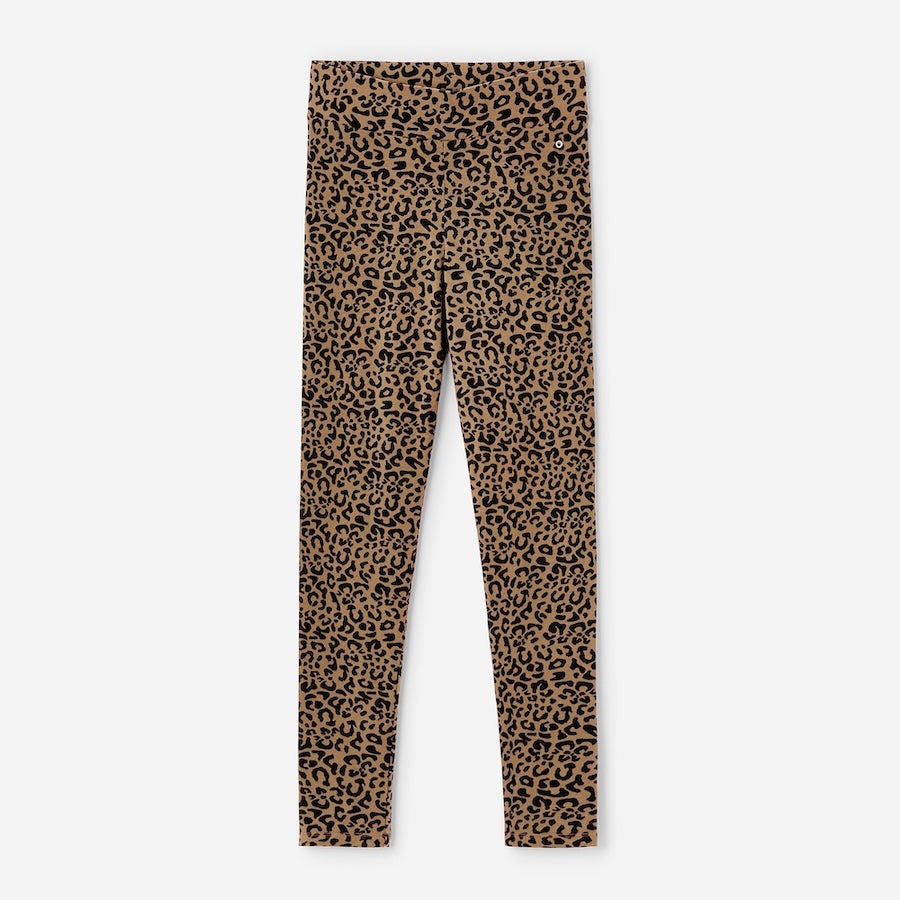
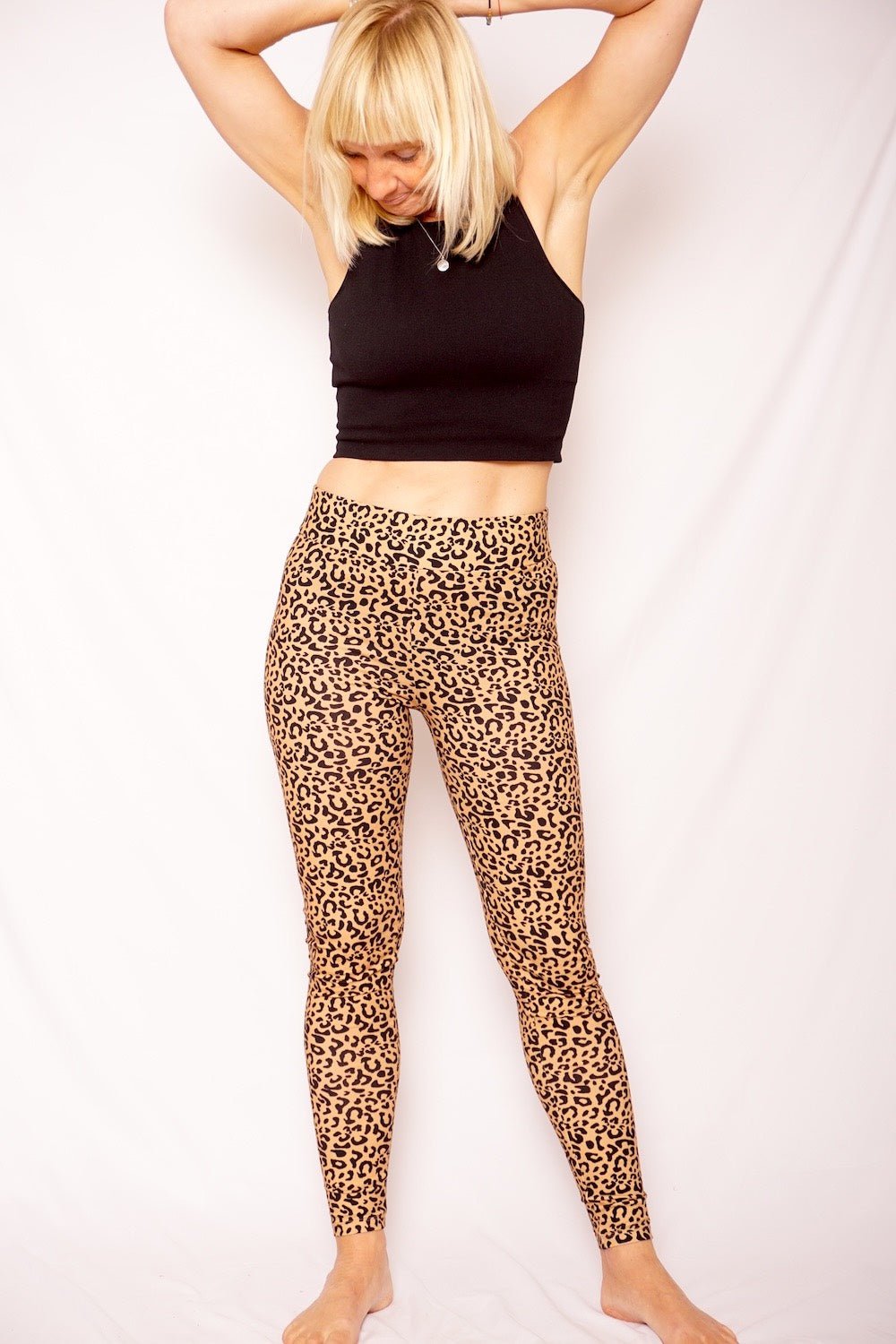
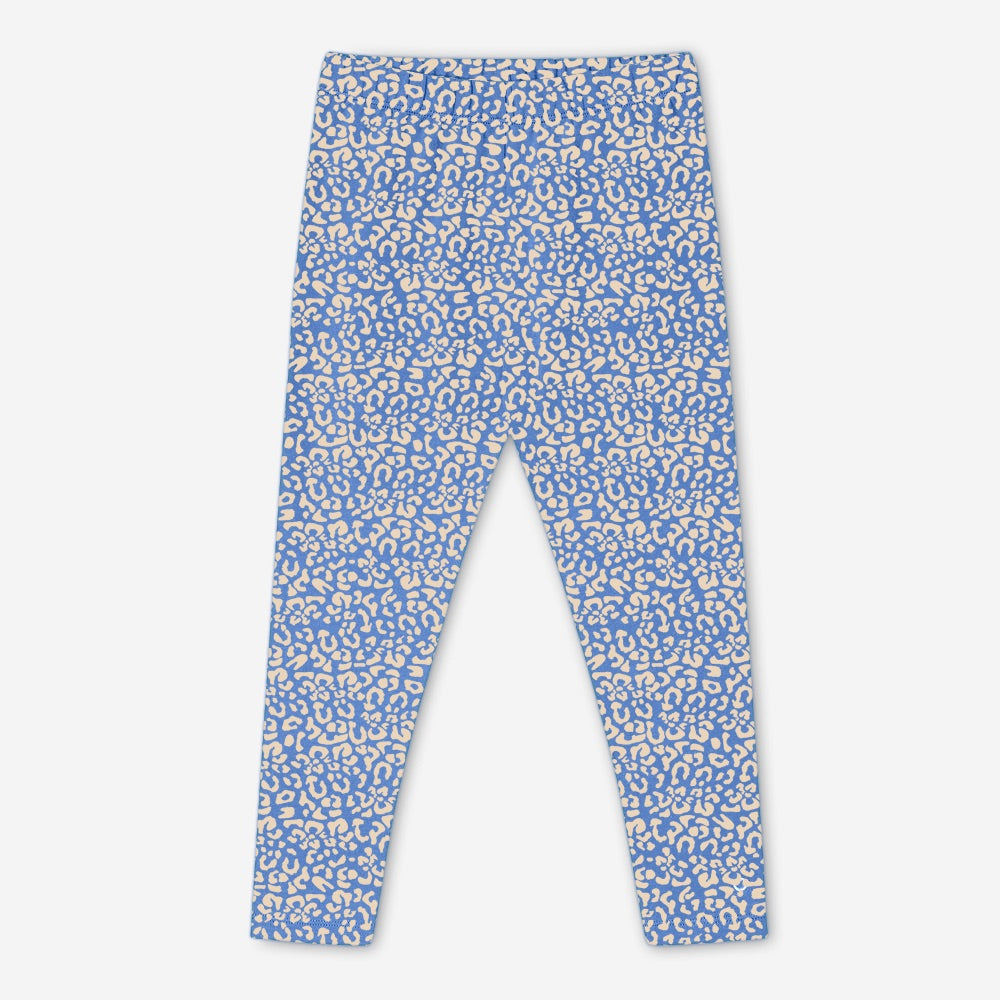
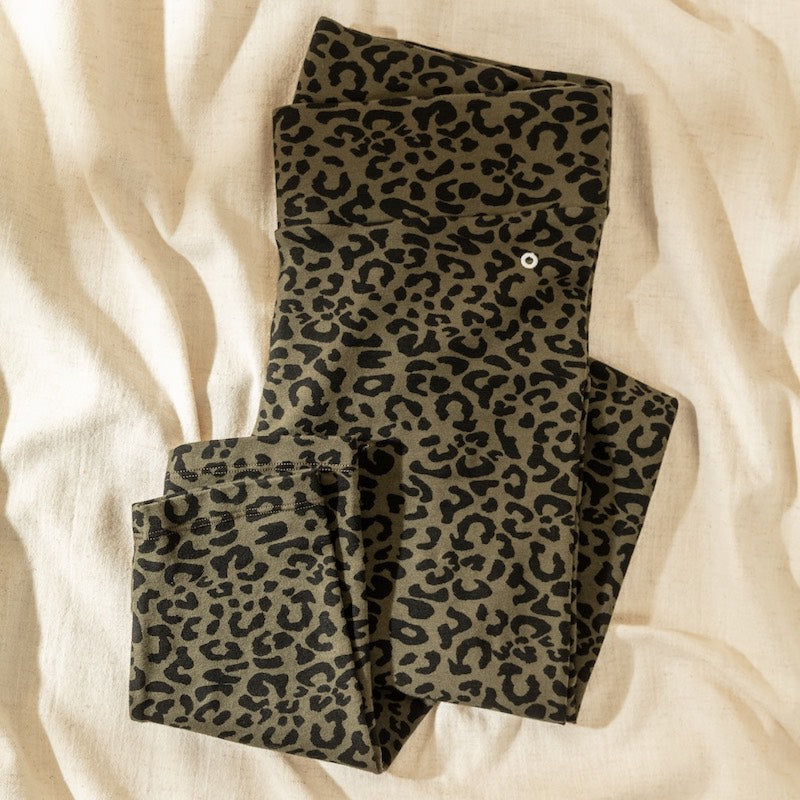
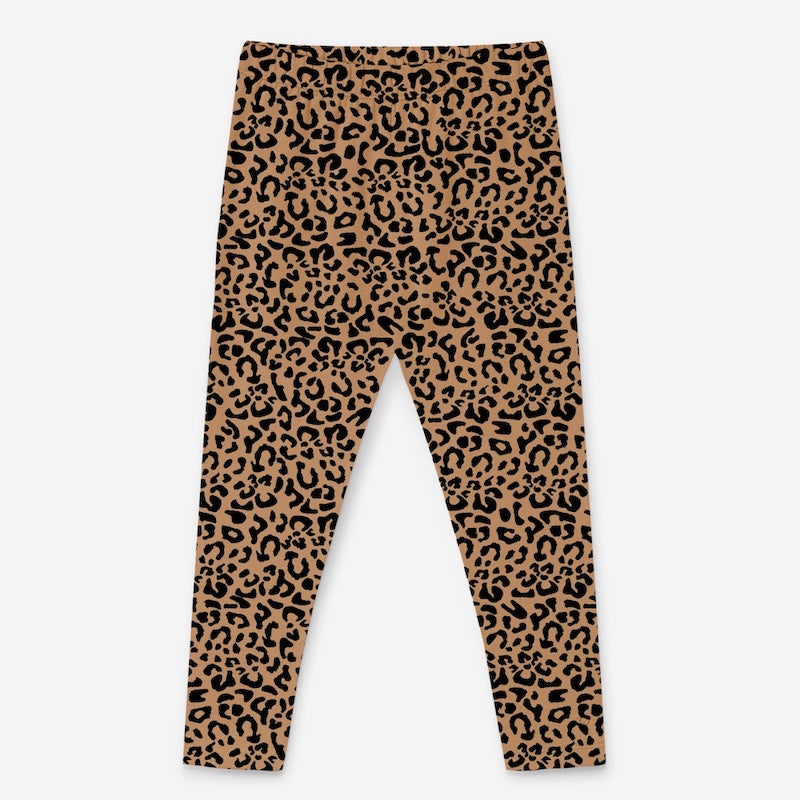
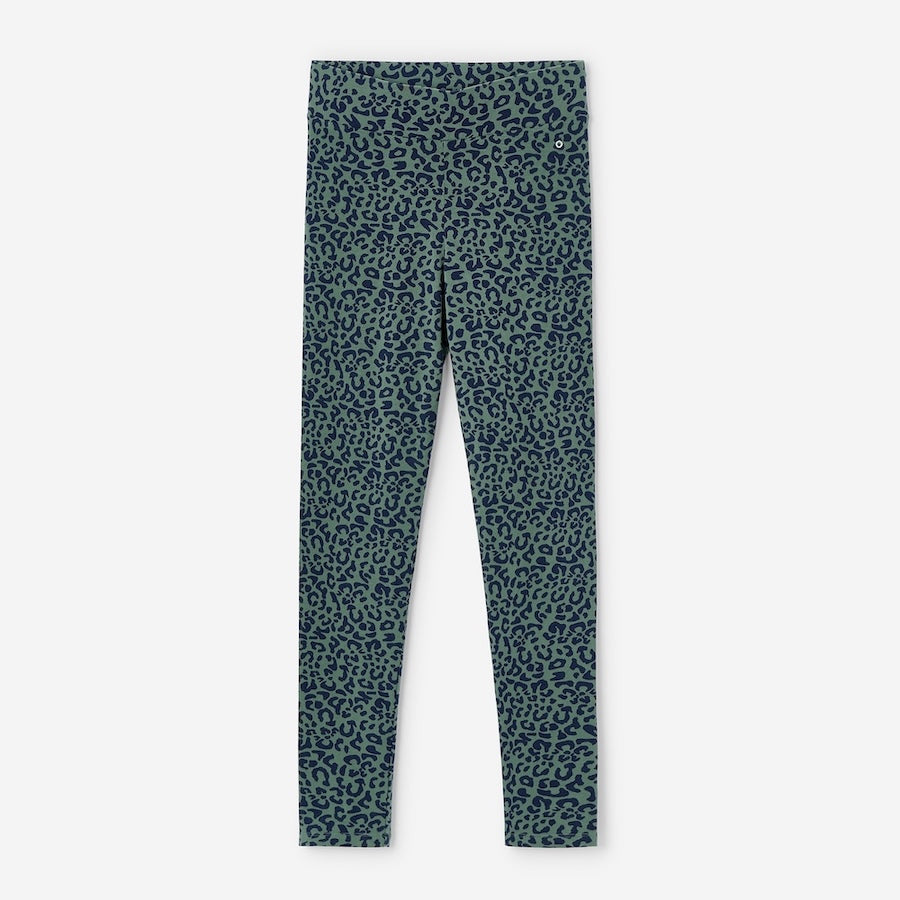
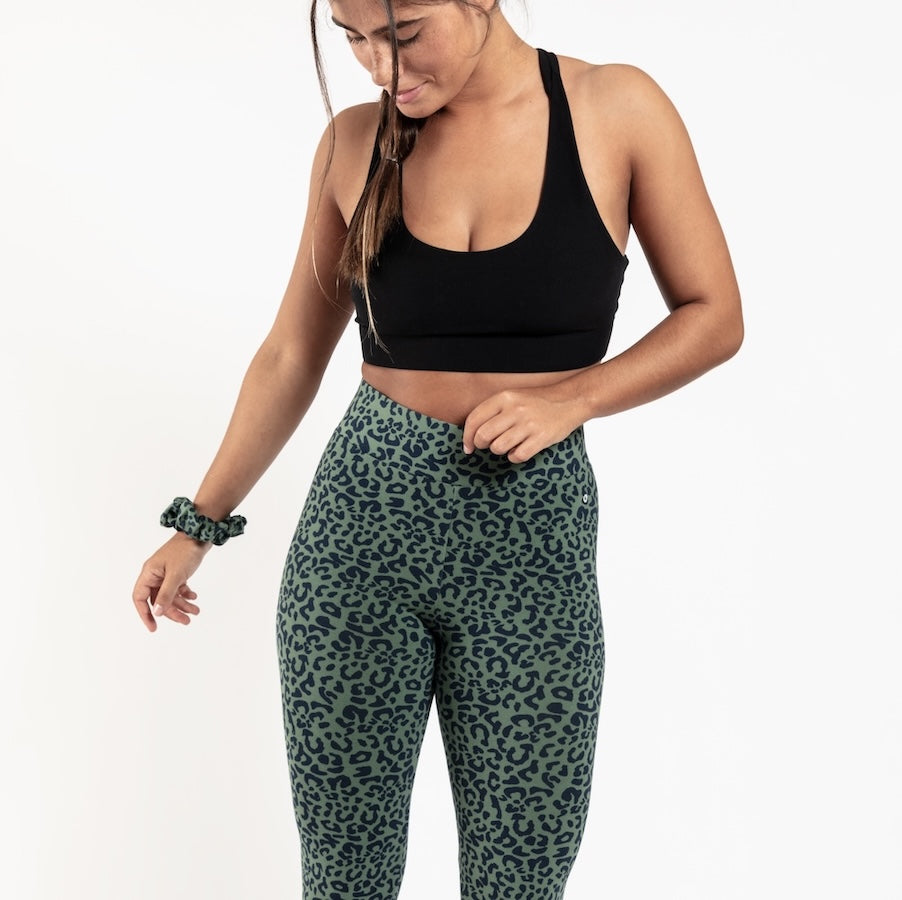
Our Leopard Print Leggings use 95% organic cotton and 5% elastane. If you love a bolder look, explore leopard, cheetah and other designs in our animal print collection. Check each style’s material and certification details, as the collection includes several types of garments.
Let the print set the mood. Pair animal print leggings with a plain shirt and trainers for everyday wear, or add a relaxed long sleeve layer for a slower weekend. Choose colours and shapes that work with what you already own, so your new favourite feels easy to wear again and again.
From Organic Basics to Long Sleeve Layers
Build your wardrobe around the moments you dress for: a comfortable commute, a walk, a day with your family or a quiet evening. Organic basics can include a simple tee, a long sleeve organic cotton top, relaxed pants or a soft layer you reach for after movement.
The same label checks apply when shopping for baby clothes, underwear, dresses or jeans from other brands. Look at the individual garment rather than assuming a whole collection is certified. Buying for a baby or choosing clothing you wear close to your skin makes clear fibre and processing information especially useful.
A Simple GOTS Shopping Checklist
Read the composition. Look for exact fibre percentages, including elastane or other additional materials.
Check the finished garment. Confirm that the product itself is covered, rather than only a reference to certified organic cotton fabric.
Read the full GOTS label. Find the label grade, certification body and licence or certification number.
Verify the details. Use the certified suppliers database and ask the brand if the scope of a claim is unclear.
Choose for your life. Read measurements, fit notes and care instructions before deciding which piece you will enjoy wearing.
Care for Your Organic Cotton Clothing
Follow the care label on each garment. Fabric blends, prints and construction can call for different washing and drying routines, even when two items both contain organic cotton. A little attention here helps you look after the clothes you already love. Our clothing, fit and care guide answers more questions about sizing, movement and looking after your Orbasics pieces.
For our Leo Leggings, the care instructions recommend washing at 30°C with similar colours, without fabric softener or bleaching agents, and avoiding the tumble dryer. Wash them inside out and let them air dry. Check the specific product instructions for other organic cotton styles.
Provided by Orbasics
Why GOTS Matters Beyond the Label
Here at Orbasics, we choose GOTS because we care about what happens before a piece reaches your wardrobe: the organic fibres, the textile processing and the people who make it. For us, a beautiful fabric should come with more than a promise.
You can bring those values into the moments you already love: an unhurried stretch, a walk outside or a comfortable day at home. Our organic cotton leggings combine 95% organic cotton with 5% elastane, with simple colours and expressive animal prints for everyday movement.
Explore our GOTS-certified organic cotton leggings and find your pair for slow mornings, gentle movement and everything in between.
GOTS-Certified Clothing: Your Questions Answered
Does GOTS Certification Mean 100% Organic Cotton?
No. GOTS applies to several organic fibres, and its “organic” label grade requires at least 95% certified organic fibres. The “made with organic” grade starts at 70%. Read the composition to see whether your garment contains organic cotton, another fibre or a permitted blend.
Can GOTS-Certified Organic Cotton Leggings Contain Elastane?
Yes, permitted blends can contain elastane if they meet the applicable GOTS requirements. Our leggings combine 95% organic cotton with 5% elastane for stretch. GOTS certification does not mean a garment is plastic-free, so the exact fibre content remains an important part of your choice.
Does GOTS Mean Clothes Are Chemical-Free?
No. Textile processing uses chemicals, including dyes and auxiliaries. GOTS restricts hazardous inputs and sets residue limits; it does not promise the absence of every chemical or trace substance. A description of the actual standard tells you more than an absolute “chemical-free” claim.
Who Issues GOTS Certification?
An approved, independent certification body assesses compliance with GOTS requirements. The Global Organic Textile Standard sets the rules; the certification body audits the relevant operations. Look for that body’s details and the certified entity’s licence or certification number on the label.
Is Recycled Cotton the Same as Organic Cotton?
No. “Recycled cotton” describes material recovered and reprocessed from an existing source, while “organic cotton” describes how the original fibre was grown and certified. Some recycled cotton can originate from organic material, but recycling alone does not establish organic status. GOTS sets specific rules for allowed additional fibres, so check the product’s verified composition.
Does GOTS Guarantee Living Wages or Carbon-Neutral Clothing?
GOTS requires certified entities to assess living-wage gaps and develop plans to close them. That should not be presented as proof that every worker already receives a living wage. Equally, GOTS certification alone does not establish that a finished garment is carbon neutral. Ask for evidence behind any separate wage or climate claim.
Can Printed Clothing Be GOTS-Certified?
Yes. A plain colour and an animal print can both appear on certified garments. The relevant material, chemical-input and processing requirements still apply. Check the actual product certification rather than judging a garment by its colour or pattern.
Which GOTS Version Applies in 2026?
GOTS Version 7.0 has been mandatory since 1 March 2024. Version 8.0 was released in March 2026 and becomes mandatory on 1 March 2027, with earlier adoption permitted. During the transition, do not assume that a brand has already adopted Version 8.0 without confirmation.
*Advertisement: This article contains affiliate links marked with*. If you make a purchase through these links, we may earn a small commission at no additional cost to you.
The information provided is for educational and informational purposes only and is not intended as medical advice. It should not replace consultation with your physician or qualified healthcare provider. This article was created with the assistance of AI tools and has been editorially reviewed and approved by our team. All opinions expressed are our own.
Lilija Bairamova

Lilija is the founder of Orbasics, a brand born from her passion for creating a healthier, more sustainable world, starting with organic, toxin-free clothing for children. As a mother committed to a non-toxic lifestyle, Lilija has spent years exploring and embracing clean beauty, non-toxic living, and holistic wellness. She shares her expertise on everything from natural personal care to creating toxin-free home environments, offering practical tips and in-depth guides that empower you to make healthier choices and lead a more mindful, health-conscious life.








Leave a comment