
Table of Contents
Polyester & Hautprobleme: Wie Sportkleidung Dein Hautmikrobiom Beeinflusst
This page may contain affiliate links. We may earn a commission on purchases, at no additional cost to you. Learn more →
Du ziehst dein verschwitztes Polyester-Sportshirt aus und bemerkst diesen hartnäckigen Geruch oder einen roten, juckenden Ausschlag auf der Haut. Du hast das Shirt schon dreimal gewaschen, und trotzdem bleibt das Problem. Was viele nicht wissen: Es ist nicht „nur Schweiß“. Die synthetischen Materialien, die du trägst, können deine Hautgesundheit stark beeinflussen und dein Hautmikrobiom durcheinanderbringen.
Seit den 1990er-Jahren haben synthetische Textilien explosionsartig zugenommen und machen heute rund 73 % der weltweiten Textilproduktion aus. Deine Haut kommt fast ständig mit Polyester-, Polyamid- oder Spandexfasern in Kontakt – besonders beim Sport, wenn dein Körper am empfindlichsten ist. Dein Hautmikrobiom – also die Gemeinschaft freundlicher Bakterien wie Staphylococcus epidermidis, Hefen und andere nützliche Mikroorganismen, die deine Hautoberfläche schützen – gerät jedes Mal unter Stress, wenn du Kleidung aus synthetischen Materialien trägst.
In diesem Artikel bekommst du wissenschaftlich fundierte Antworten zu den Hautgesundheitsrisiken von Polyester und anderen Kunstfasern. Wir schauen uns an, wie Schweiß, Hitze und die Wahl der Materialien dein Hautmikrobiom beeinflussen, decken versteckte Chemikalien in deinen Leggings auf und geben praktische Tipps, wie du deine Hautbarriere gesund halten kannst – ohne auf Sport verzichten zu müssen.
Eine Mikrobiologie-Studie aus 2021 stellt fest: „Polyester begünstigt selektives Bakterienwachstum und Geruchsbildung.“ Dein Lieblings-Sportoutfit könnte also deiner Hautflora schaden – aber es gibt Lösungen.
Wichtige Erkenntnisse
Bevor wir tiefer einsteigen, solltest du Folgendes über synthetische Materialien und deine Hautgesundheit wissen:
Synthetische Materialien beeinflussen dein Hautmikrobiom: Enge Polyester- oder Nylon-Sportbekleidung hält Schweiß und Wärme auf der Haut, was Bakterien begünstigt, die Geruch verursachen, und die Hautoberfläche reizen kann. Über 70 % der heutigen Textilien bestehen aus synthetischen Materialien – ein Thema, das besonders für empfindliche Haut oder Menschen mit Neurodermitis relevant ist.
Das empfindliche Gleichgewicht deiner Haut steht auf dem Spiel: Dein Hautmikrobiom kann durch nicht atmungsaktive Sportkleidung aus dem Gleichgewicht geraten. Studien zeigen, dass Polyester-Sportshirts mehr geruchsbildende Bakterien beherbergen, während Baumwolle eher harmlose, hautfreundliche Mikroorganismen unterstützt. Dieses mikrobielle Ungleichgewicht kann zu anhaltendem Körpergeruch und verschiedenen Hautproblemen führen.
Achte auf Hautreizungen und Hauterkrankungen: Textildermatitis (kleidungsbedingter Ausschlag) hängt oft mit synthetischen Stoffen zusammen, die deine Hautbarriere nicht atmen lassen. Wer zu Neurodermitis oder Akne neigt, kann durch synthetische Fasern und Schweiß verstärkte Schübe erleben. Studien zeigen, dass Polyester- oder Woll-Sportkleidung Symptome der Neurodermitis verschlimmern kann, während Bio-Baumwolle sanfter ist und die Hautgesundheit unterstützt. Schweiß plus enge synthetische Kleidung kann außerdem Follikulitis (entzündete Haarfollikel), Hitzepickel oder Pilzinfektionen auslösen.
Versteckte Chemikalien in deiner Sportkleidung: Viele synthetische Sporttextilien enthalten chemische Ausrüstungen wie Azo-Farbstoffe, Anti-Geruch-Beschichtungen, Flammschutzmittel oder andere schädliche Stoffe. In Polyester und Spandex wurden Formaldehydharze, Phthalate, BPA und weitere Zusätze nachgewiesen. Neue Forschung zeigt, dass Schweiß diese Chemikalien aus Mikroplastikfasern über Schweiß- und Talgdrüsen auf die Haut übertragen kann. Diese Substanzen werden mit Hautentzündungen, Kontaktdermatitis und sogar hormonellen Störungen in Verbindung gebracht.
Natürliche Materialien und clevere Gewohnheiten helfen: Stoffe wie Bio-Baumwolle, Bambus, Merinowolle oder Hanf ermöglichen bessere Luftzirkulation und Feuchtigkeitsableitung, verringern das Wachstum geruchsbildender Bakterien und enthalten meist keine aggressiven chemischen Ausrüstungen. Gesundheitsexperten empfehlen, verschwitzte Sportkleidung schnell zu wechseln, aktive Kleidung gründlich zu waschen und auf OEKO-TEX- oder GOTS-zertifizierte Produkte zu setzen, um dein Hautmikrobiom zu schützen und die Hautgesundheit zu erhalten.
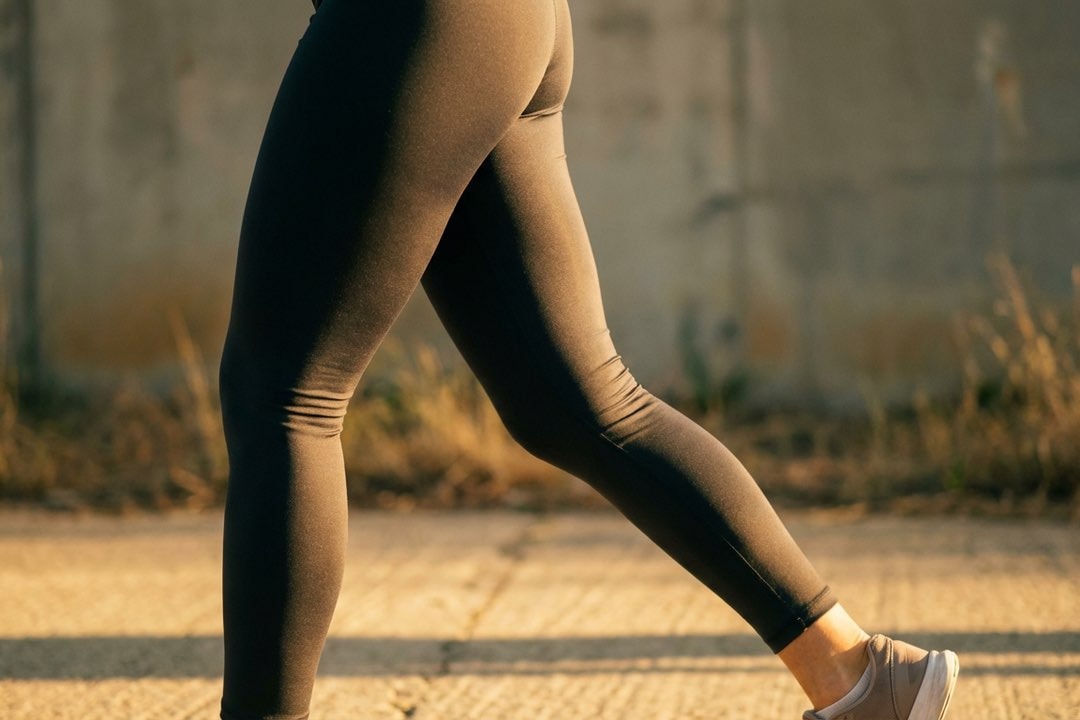
Das menschliche Hautmikrobiom verstehen (und warum Schweiß eigentlich nicht stinkt)
Dein Hautmikrobiom ist ein eigenes kleines Ökosystem aus Billionen Mikroorganismen – Bakterien, Pilzen und anderen Hautbewohnern. Dazu gehören verschiedene bakterielle Arten, die sich vor allem in Haarfollikeln, Schweißdrüsen und Talgdrüsen konzentrieren. Ein gesundes Hautmikrobiom ist deine erste Verteidigungslinie: diese harmlosen Hautbakterien verdrängen schädliche Keime, halten den pH-Wert deiner Haut im sauren Bereich stabil und sorgen dafür, dass deine Hautbarriere intakt bleibt.
Forschung zeigt, dass Hautbakterien wie Staphylococcus epidermidis antimikrobielle Peptide produzieren, die vor schädlichen Mikroben schützen. Besonders feuchte Körperstellen wie Achseln, Füße und Leisten sind reich an dieser mikrobiellen Vielfalt – genau dort, wo du beim Sport am meisten schwitzt. Dieses Gleichgewicht aufrechtzuerhalten, ist entscheidend für gesunde Haut und um Hauterkrankungen vorzubeugen.
Und jetzt das Überraschende: Schweiß an sich stinkt nicht. Dein Körper hat ekkrine Drüsen (produzieren wässrigen Schweiß) und apokrine Drüsen (geben leicht ölige Sekrete mit freien Fettsäuren in Achseln und Leisten ab). Beide Schweißarten sind im Grunde geruchlos. Erst wenn die harmlosen Hautbakterien die fetthaltigen Bestandteile zersetzen, entstehen die typischen Geruchsmoleküle.
Wenn Schweiß frei auf deiner Haut verdunstet, bleibt die bakterielle Aktivität minimal. Doch hältst du die Feuchtigkeit mit nicht atmungsaktiver Sportkleidung gegen die Haut, entsteht ein regelrechtes Bakterien-Buffet. Die warme, feuchte Umgebung unter synthetischen Stoffen lässt bestimmte Bakterien wie Corynebakterien stark wachsen – und der typische „Gym-Geruch“ entsteht.
Ein Labortest verglich Baumwoll- und Polyester-Shirts nach einem Spinning-Kurs: Synthetische Fasern beherbergten deutlich mehr geruchsbildende Bakterien. Studien zeigen, dass Polyester mehr geruchsassoziierte Bakterien fördert, während Baumwolle eher hautfreundliche Mikroorganismen unterstützt. Das zeigt eines ganz klar: Die Wahl deiner Kleidung beeinflusst aktiv, welche Mikroben auf deiner Haut dominieren. Wer ständig nicht-atmungsaktive synthetische Materialien trägt, kann das Gleichgewicht seines Hautmikrobioms chronisch stören – und damit anfälliger für Geruch und verschiedene Hautprobleme werden.
Warum synthetische Stoffe problematisch für die Haut sein können
Synthetische Stoffe – wie Polyester, Nylon, Spandex oder Acryl – sind künstlich hergestellte Textilfasern aus Rohöl. Sie dominieren Sportkleidung, weil sie strapazierfähig und dehnbar sind. Im Vergleich zu natürlichen Stoffen wie Baumwolle, Wolle oder Bambus unterscheiden sie sich jedoch stark darin, wie sie mit deiner Hautbarriere und deiner Hautgesundheit interagieren.
Ein zentrales Problem ist die Atmungsaktivität. Synthetische Fasern sind wasserabweisend. Sie leiten zwar Schweiß zunächst von der Haut ab, halten aber gleichzeitig Hitze und Feuchtigkeit direkt an der Hautoberfläche. Polyester und andere Kunstfasern lassen deine Haut beim Sport heiß und klamm werden, was Hitzepickel oder Hautentzündungen begünstigen kann. Baumwolle, Leinen und Wolle sind deutlich atmungsaktiver, unterstützen die Hautbarriere, helfen bei der Temperaturregulierung und fördern ein gesundes Hautmikrobiom.
Auch die mechanische Reibung enger synthetischer Sportkleidung belastet die Hautbarriere. Die meisten synthetischen Sportoutfits sitzen eng und körpernah. Jede enge Kleidung kann bereits die feuchte Haut reizen, doch nicht-poröse Kunstfasern in Kombination mit ständigem Reiben schaffen optimale Bedingungen für Textildermatitis. Die Reibung schwächt die Hautbarriere, sodass Krankheitserreger oder Reizstoffe leichter eindringen und Hautprobleme, entzündete Haarfollikel oder verschlimmerte Neurodermitis verursachen können.
Synthetische Fasern speichern Öle und Bakterien in ihren mikroskopischen Strukturen, während natürliche Stoffe wie Bambus oder Merinowolle oft antimikrobielle Eigenschaften haben. Das erklärt, warum synthetische Kleidung selbst nach dem Waschen Gerüche festhält – die Fasern binden Geruchsmoleküle und Mikroorganismen stark.
Wer empfindliche Haut oder bereits bestehende Hautprobleme hat, kennt diese Effekte wahrscheinlich: Dermatologen sprechen von Textildermatitis – Hautreizungen durch synthetische oder chemisch behandelte Stoffe, die die Haut am Atmen hindern. Polyester, Nylon, Rayon und Spandex ein höheres Risiko, Hautprobleme auszulösen oder Neurodermitis zu verschlimmern. kleidungsstück
Fazit: Synthetische Sportkleidung hält Schweiß und Wärme auf der Haut, erhöht die Reibung und speichert Bakterien – alles Faktoren, die Hautprobleme begünstigen. Wer regelmäßig Sport treibt oder unter Akne, Neurodermitis oder anderen Hauterkrankungen leidet, sollte die Wahl der Materialien besonders beachten, um seine Haut gesund zu halten.

Warum kein Polyester: Auswirkungen verschwitzter synthetischer Sportkleidung auf die Haut
1. Anhaltender Körpergeruch („Gym-Geruch“)
Der berüchtigte „Geruch von Sportkleidung“ ist wissenschaftlich belegt. Untersuchungen zeigen, dass Polyester-Sportkleidung deutlich mehr Geruch speichert als Baumwolle.
Der Grund: Polyester zieht Öl an und speichert es. Fetthaltiger Schweiß und Bakterienprodukte haften an den Polyesterfasern und überleben selbst das Waschen, besonders bei kalten Temperaturen. Das Shirt riecht frisch, solange es trocken ist, aber sobald es wieder Körperwärme ausgesetzt wird, entwickelt sich der typische Geruch.
Vergleichsstudien zeigen, dass Mikrokkoken und Corynebakterien – Bakterien, die Geruch verursachen – auf Polyester besonders gut gedeihen, während Baumwolle die hautfreundliche Flora unterstützt. Synthetische Stoffe können bis zu dreimal mehr Geruch speichern als Naturfasern. Dieser anhaltende Geruch signalisiert eine hohe bakterielle Belastung auf Kleidung und Haut – nicht optimal für dein Hautmikrobiom.
2. Hautreizungen & Textildermatitis
Rötungen, Juckreiz oder Hitzepickel dort, wo der Hosenbund sitzt oder unter dem Sport-BH? Das kann Textildermatitis sein – Hautreizungen durch Kleidung, die deine Hautgesundheit beeinflussen.
Jede enge oder raue Kleidung kann reizen, doch synthetische Fasern sind besonders häufige Auslöser für Kontaktdermatitis und Hitzepickel. Sie lassen die Haut nicht atmen, Schweiß bleibt auf der Epidermis, und die Hautbarriere wird geschwächt. Feuchtigkeit, die unter Sportkleidung gefangen ist, kann Entzündungen fördern.
Menschen mit Neurodermitis, empfindlicher Haut oder Allergien haben das höchste Risiko für Hitzepickel und Textildermatitis durch synthetische Sportkleidung. Polyester kann Neurodermitis verschlimmern, während Baumwolle sanfter ist und die Balance des Hautmikrobioms unterstützt.
Vorbeugung: Trage unter synthetischer Kleidung Unterlagen aus Naturfasern wie Baumwollunterwäsche, um deine Hautbarriere zu schützen. Wähle nahtlose oder etikettenfreie Designs, um Reibung zu reduzieren und Hitzepickel zu vermeiden. Zieh verschwitzte Sportkleidung direkt nach dem Training aus, damit sich dein Hautmikrobiom erholen kann. Neue synthetische Kleidungsstücke solltest du vor dem ersten Tragen waschen, um oberflächenaktive Reizstoffe zu entfernen, die Kontaktdermatitis oder Hitzepickel auslösen könnten.
3. Akne, Follikulitis & Pilzinfektionen („Schweißpickel“)
Hast du nach dem Training Pickel auf Rücken, Brust oder Po bemerkt? Enge, verschwitzte Sportkleidung kann Akne mechanica verursachen – auch „Sport-Akne“ oder „Polyester-Akne“ genannt – und deine Hautgesundheit beeinträchtigen.
Das passiert, wenn Reibung, Wärme und eingeschlossene Feuchtigkeit zusammenwirken, Poren und Haarfollikel verstopfen und das Wachstum bestimmter Bakterien fördern. Sportler entwickeln so zum Beispiel „Bacne“ durch enge Kompressionsshirts oder „Buttne“ durch nicht atmungsaktive Leggings. Haarfollikel und Poren werden mit Schweiß, Talg und abgestorbenen Hautzellen verstopft. Synthetische Stoffe verschärfen das Problem, da sie Wärme stauen und Schweiß nicht effektiv von der Haut ableiten.
Follikulitis – entzündete Haarfollikel, die wie Akne aussehen – ist eine weitere Hautinfektion, die durch Sportkleidung entstehen kann. Entzündete Haarfollikel bieten Nährboden für Bakterien wie Staphylococcus aureus, die eine Infektion verursachen können. Normalerweise schützt die nützliche Hautflora, z. B. Staphylococcus epidermidis, die Haut, doch die warme, feuchte Umgebung unter synthetischer Kleidung stört dieses Gleichgewicht.
Pilzfollikulitis („fungal acne“) wird durch die Hefe Malassezia verursacht, die in heißen, feuchten Bedingungen unter luftundurchlässigen synthetischen Stoffen gedeiht. Das führt zu juckender Haut und gleichmäßig verteilten Pickeln auf Rücken, Brust oder Schultern. Dieses Pilzwachstum in Haarfollikeln und um Talgdrüsen ist eine weitere Infektionsart, die durch feucht eingeschlossene Sportkleidung ausgelöst wird.
Schweiß selbst verursacht die Infektion nicht direkt, schafft aber das perfekte Umfeld – Wärme, Feuchtigkeit, Reibung und eine geschwächte Hautbarriere –, in dem sich schädliche Bakterien wie Staphylococcus aureus und Hefen ausbreiten können. Verschiebt sich das Gleichgewicht deiner Hautflora, setzen sich schädliche Bakterien gegenüber schützenden Arten wie Staphylococcus epidermidis durch, was zu Follikulitis und weiteren Hautproblemen führt.
Vorbeugung: Um Hautprobleme durch enge, verschwitzte Sportkleidung zu vermeiden, dusche direkt nach dem Training, um Bakterien von der Haut zu entfernen – selbst kurzes Abspülen hilft schon. Wechsle sofort aus der verschwitzten Kleidung in trockene Kleidung, wenn eine Dusche nicht sofort möglich ist, und benutze beim Training saubere Handtücher. Trag Unterwäsche oder Unterlagen aus Naturfasern unter synthetischer Kleidung, um deine Hautbarriere zu schützen. Verwende nahtlose oder etikettenfreie Kleidungsstücke, um Reibung und Hitzepickel zu vermeiden. Trage verschwitzte Shirts niemals erneut, ohne sie vorher zu waschen, und bei Pilzfollikulitis können antimykotische Duschgels helfen. Setze dich nicht in verschwitzte Sportkleidung – zieh zum Beispiel Yoga-Pants direkt nach der Stunde aus –, damit sich dein Hautmikrobiom erholen kann.
Studien zeigen: Synthetische Stoffe beim Sport können Akne und Neurodermitis verschlimmern, während Baumwolle oder atmungsaktive Naturfasern Schübe reduzieren und die Hautgesundheit unterstützen.
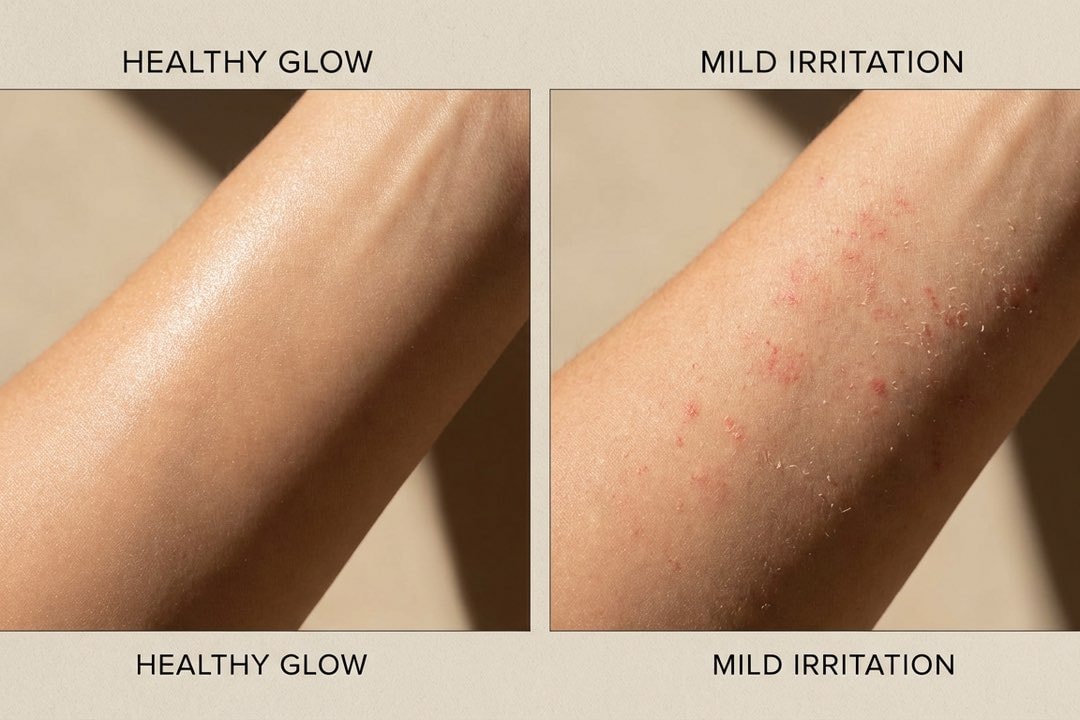
4. Versteckte Chemikalien in Kleidung aus Polyester
Synthetische Stoffe sind nicht einfach nur Fasern – sie enthalten oft einen ganzen Cocktail an Chemikalien: Formaldehydharze (gegen Falten), Azo- oder Dispersionsfarbstoffe, perfluorierte Verbindungen (PFAS) für Wasserabweisung, Flammschutzmittel, antimikrobielle Ausrüstungen (z. B. Silber oder Triclosan gegen Geruch) und Weichmacher wie Phthalate oder BPA in Polyester- oder Spandexmischungen.
Viele Fälle von Kontaktdermatitis lassen sich eher auf diese Chemikalien als auf die Fasern selbst zurückführen. Manche Menschen reagieren allergisch auf Dispersionsfarbstoffe in Polyester, was zu roten, juckenden Ausschlägen führt. Neue synthetische Kleidungsstücke tragen chemische Rückstände – Formaldehyd, Phthalate – die besonders bei Babys oder neurodermitisgeplagter Haut die Hautbarriere stören können. Deshalb ist Waschen vor dem ersten Tragen besonders wichtig.
Eine Studie der University of Birmingham von 2023 zeigte, dass eine schweißähnliche Lösung gefährliche Chemikalien aus Mikroplastikfasern herauslöst. Fetthaltiger Schweiß kann Stoffe wie Flammschutzmittel aus der Faser ziehen, die über die Haut aufgenommen werden. Tests des Center for Environmental Health Ende 2022 zeigten hohe BPA-Werte in Polyester-Sport-BHs und Leggings großer Marken. BPA und Phthalate sind hormonell wirksame Stoffe, die mit Problemen der Fortpflanzung in Verbindung gebracht werden.
Tipps:
Neue Sportkleidung 1–2 Mal vor dem ersten Tragen waschen, um chemische Rückstände zu reduzieren.
Marken wählen, die transparent mit chemischen Ausrüstungen umgehen, und auf GOTS- oder OEKO-TEX® Standard 100-Zertifizierung achten.
Unerklärliche Hautausschläge können von Farbstoffen oder elastischen Teilen in synthetischer Kleidung ausgelöst werden.
Gesündere Stoffwahl & Gewohnheiten beim Sport
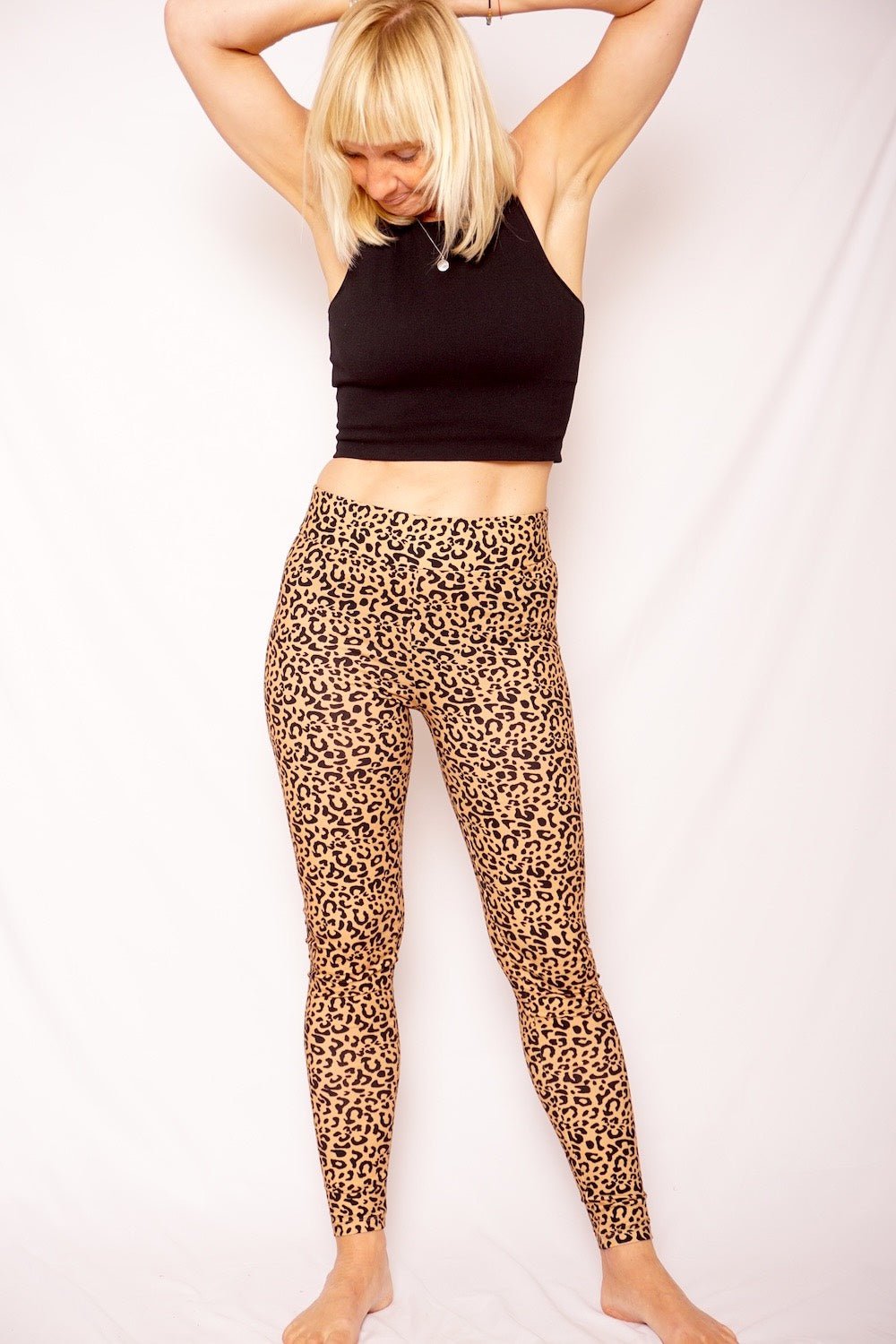
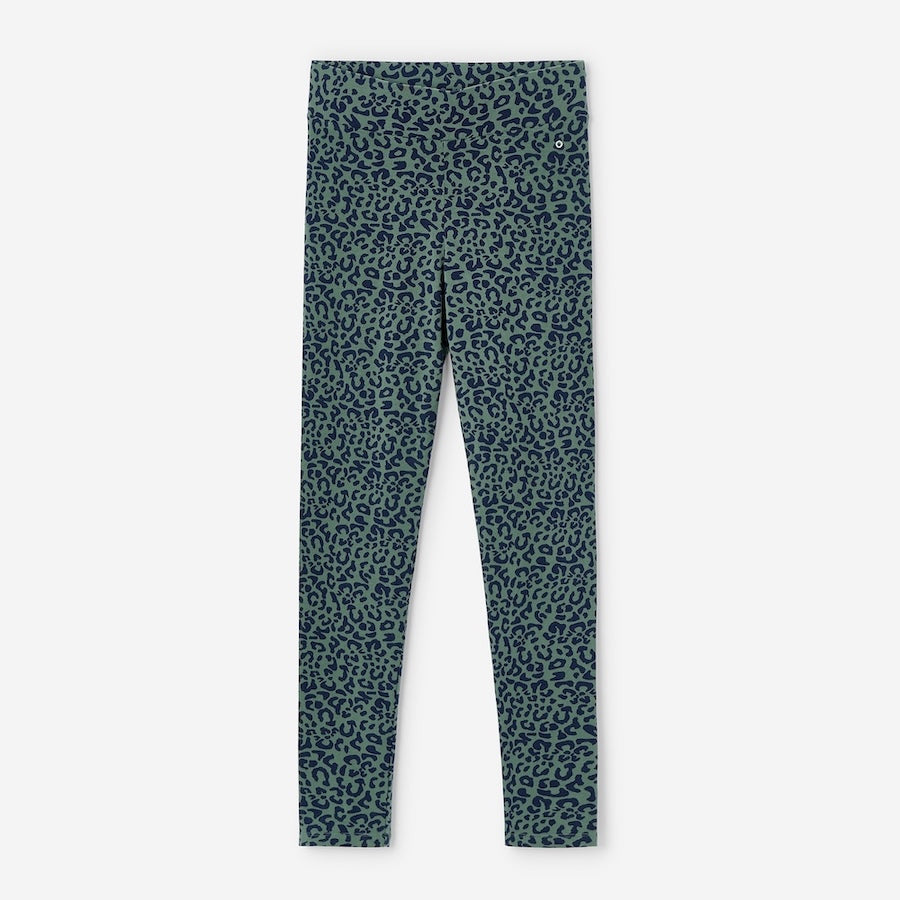
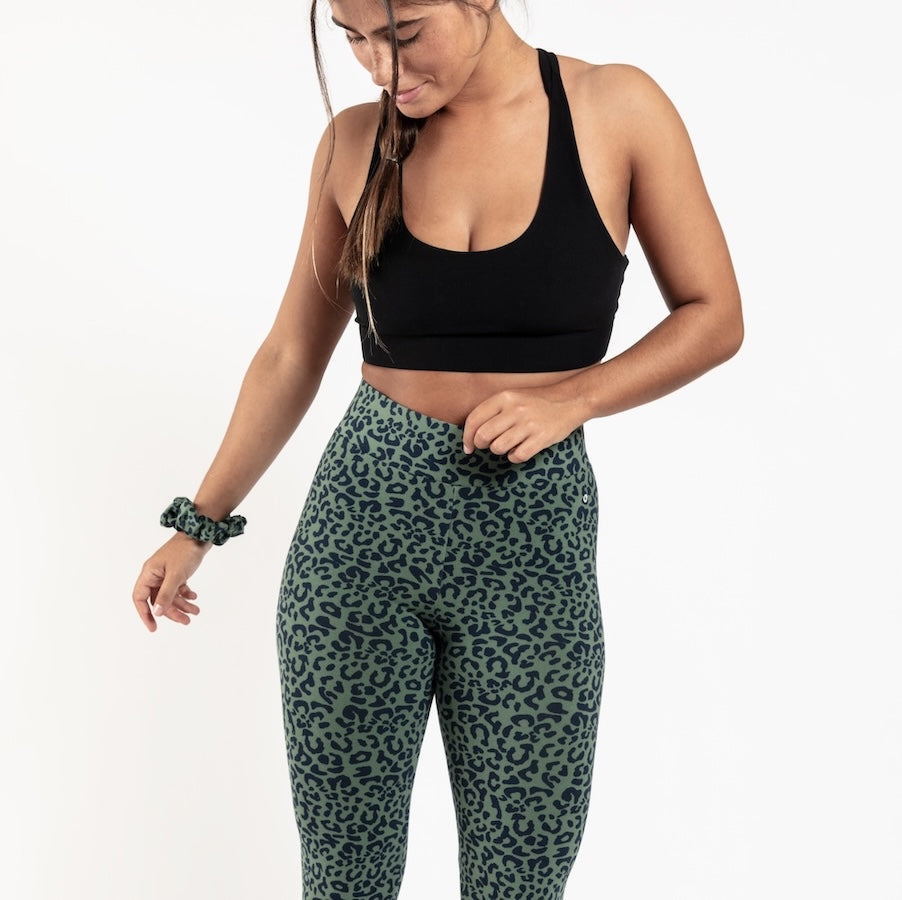
Für Yoga, Pilates und andere sanftere Einheiten kannst du unsere schadstoffarme Leggings, den Sport-BH aus Bio-Baumwolle oder das Racerback Top aus Bio-Baumwolle wählen.
Du musst dich nicht zwischen aktiv bleiben und Hautgesundheit entscheiden. Mit den richtigen Materialien und einfachen Gewohnheiten kannst du dein Hautmikrobiom schützen und dein Immunsystem unterstützen.
Bio-Baumwolle ist atmungsaktiv, hypoallergen und schweißableitend. Besonders empfehlenswert für Neurodermitis, da keine synthetischen Reizstoffe enthalten sind, die Kontaktdermatitis auslösen könnten. Moderne Bio-Baumwoll-Sportkleidung ist leichter und feuchtigkeitsleitend. Bio-Baumwolle vermeidet Pestizidrückstände und aggressive Azo-Farbstoffe, die empfindliche Haut reizen können.
Merinowolle ist ideal für Sport: sie nimmt Feuchtigkeit auf, bleibt trocken, ist geruchsresistent dank natürlicher antibakterieller Eigenschaften und reguliert die Temperatur, wodurch Hitzepickel vermieden werden. Merino wird viel in Sportbekleidung verwendet, ist extrem weich und kann die Schwere von Neurodermitis reduzieren, indem sie die Hautbarriere trocken hält und die bakterielle Belastung auf der Haut verringert.
Hanf & Leinen bieten hervorragende Atmungsaktivität und schnelle Feuchtigkeitsableitung, um Hitzepickel zu verhindern. Hanf hat antimikrobielle Eigenschaften und ist besonders langlebig. Beide Stoffe sind ideal für heiße Temperaturen und unterstützen die Hautgesundheit durch gute Luftzirkulation.
Tencel (Lyocell) ist ein modernes halbsynthetisches Material aus Holzfasern. Der Stoff ist glatt und fühlt sich kühl auf der Haut an. Er ist sehr atmungsaktiv und leitet Feuchtigkeit gut ab. Außerdem ist Tencel hypoallergen, unterstützt das Hautmikrobiom und beugt juckender Haut sowie Hitzepickeln vor.
Wenn du synthetische Sportkleidung trägst, solltest du auf hochwertige Funktionsstoffe achten, die feuchtigkeitsleitend und schnell trocknend sind. Meide Kleidungsstücke mit „bügelfrei“- oder „fleckenabweisend“-Ausrüstungen, denn diese enthalten oft chemische Behandlungen wie Formaldehyd oder PFAS, die Kontaktdermatitis auslösen können. Helle Farben sind außerdem vorteilhaft, da sie meist weniger Azo-Farbstoffe enthalten.
Kleide dich strategisch in Schichten, zum Beispiel ein Top aus Bio-Baumwolle unter einem Polyester-Hoodie. Wasche Sportkleidung gelegentlich in heißem Wasser oder nutze Sportwaschmittel mit Enzymen, um bakterielle Rückstände zu entfernen. Achte darauf, die Kleidung immer vollständig zu trocknen, um das Wachstum von Mikroorganismen zu verhindern.
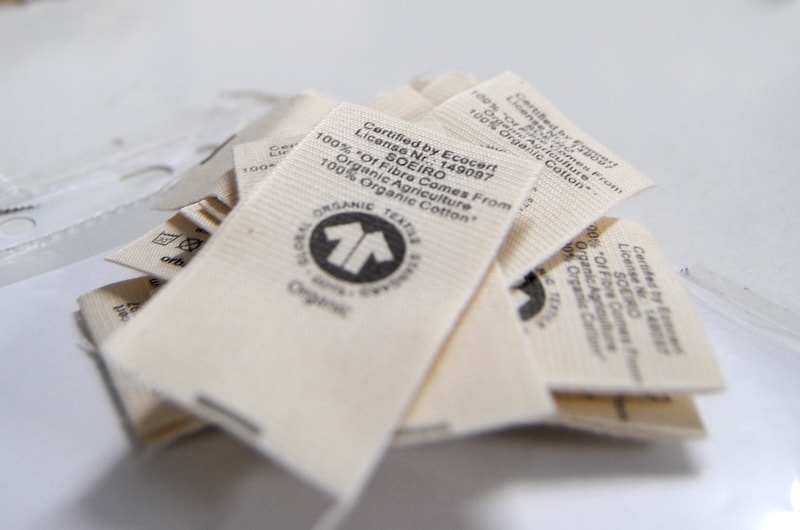
Achte auf Zertifizierungen wie OEKO-TEX® Standard 100, die prüfen, dass keine schädlichen Chemikalien über die Grenzwerte hinaus enthalten sind. GOTS garantiert, dass Bio-Baumwolle und Naturfasern ohne toxische Stoffe verarbeitet werden. Bluesign® oder ZDHC stehen für kontrollierten Chemikalieneinsatz. Diese Labels geben Sicherheit für deine Haut und unterstützen die langfristige Gesundheit deiner Haut.
Expertentipps für hautfreundliches Training
Schnell wechseln & Haut reinigen – Zieh verschwitzte Kleidung sofort aus und dusche oder spüle deine Haut innerhalb von 30 Minuten. Je länger du in nasser Kleidung bleibst, desto stärker vermehren sich Bakterien. Nutze ein mildes, pH-neutrales Reinigungsmittel, um dein Hautmikrobiom zu schützen.
Feuchtigkeitsleitende Accessoires nutzen – Verwende ein Baumwollhandtuch oder Schweißband, um Schweiß während des Trainings abzutupfen. Trockenere Haut verhindert verstopfte Poren und Hitzepickel.
Sportkleidung rotieren – Trage nie ungewaschene Kleidungsstücke ein zweites Mal. Halte mehrere Outfits bereit, damit du immer frische, trockene Kleidung hast.
Problemzonen gezielt schützen – Bei Läuferpickeln oder Sport-BH-Akne kann ein leichter Schutzfilm aus petrolfreiem Balsam oder Zinkcreme vor dem Training Reibung reduzieren. Danach die Haut reinigen und eine natürliche Feuchtigkeitspflege auftragen.
In hautfreundliche Sportkleidung investieren – Baue deine Trainingsgarderobe so auf, dass die Hautgesundheit berücksichtigt wird. Achte auf Marken, die Bio-Baumwolle oder schadstofffreie Sportkleidung anbieten.
Fitness und Hautgesundheit in Balance
Regelmäßiges Training ist wichtig für deine Gesundheit und dein Immunsystem – genauso wichtig ist die Pflege deines größten Organs, der Haut. Die Dominanz synthetischer Stoffe in Sportkleidung bringt echte Herausforderungen für die Hautgesundheit mit sich: von hartnäckigem Geruch und Sport-Akne über Textildermatitis, Hitzepickel, Kontaktdermatitis bis hin zu chemischen Rückständen, die dein Hautmikrobiom stören.
Bewusstsein und Wissen über diese Probleme nehmen zu, und es gibt einfache, effektive Lösungen. Atmungsaktive Naturfasern wie Bio-Baumwolle, schneller Wechsel nach dem Training und gezielte Pflege der Hautbarriere können das Risiko für Hautprobleme deutlich reduzieren. Dein Hautmikrobiom gedeiht, wenn es atmungsaktive Naturfasern und sanfte Pflege bekommt.
Mit umweltfreundlicher, hautfreundlicher Sportkleidung aus Bio-Baumwolle oder anderen Naturfasern anstelle von synthetischen Materialien und evidenzbasierten Strategien kannst du dein Fitnessprogramm genießen und gleichzeitig dein Hautmikrobiom stark, widerstandsfähig und gesund halten.

Häufig gestellte Fragen zu Polyester & Hautproblemen
Kann Kleidung aus Polyester Hautreizungen verursachen?
Ja – Textildermatitis und Kontaktdermatitis stehen oft im Zusammenhang mit synthetischen Stoffen, die schlecht atmungsaktiv sind. Polyester, Rayon oder Spandex stauen Schweiß auf der Haut und können Azo-Farbstoffe oder Harze wie Formaldehyd enthalten, die allergische Reaktionen auslösen. Das zeigt sich in juckender Haut, roten Flecken oder Hitzepickeln und schwächt die Hautbarriere.
Ist Polyester gut für Sportbekleidung?
Enge, nicht atmungsaktive synthetische Sportkleidung staut Schweiß, verstopft Haarfollikel und schafft eine warme, feuchte Umgebung, in der Bakterien und Hefen sich stark vermehren – das führt zu Ausschlag und Pickeln. Dermatologen beobachten, dass solche Hautprobleme besonders auf Rücken, Brust oder Oberschenkeln auftreten, wo die Kleidung Schweiß gegen die Haut drückt und das Hautmikrobiom aus dem Gleichgewicht bringt.
Lösen synthetische Stoffe Chemikalien aus?
Möglicherweise ja. Synthetische Textilien und Sportkleidung können Formaldehyd, Phthalate, BPA, Azo-Farbstoffe und Anti-Geruchs-Ausrüstungen enthalten. Studien zeigen, dass Schweiß einige dieser Chemikalien aus den Fasern lösen kann und sie über Schweißdrüsen und Talgdrüsen in den Körper gelangen. Chronische Exposition gegenüber solchen Stoffen wird mit Hautentzündungen, Kontaktdermatitis und hormonellen Effekten in Verbindung gebracht. Deshalb ist zertifizierte schadstofffreie Kleidung wichtig für die Hautgesundheit.
Wie kann ich mein Hautmikrobiom unterstützen ?
Konzentriere dich darauf, dein Hautmikrobiom zu regenerieren. Reinige die Haut nach dem Training sanft, um überschüssige Bakterien zu entfernen, ohne schützende Mikroorganismen zu zerstören. Verwende pH-neutrale Produkte, die das saure Milieu deiner Haut unterstützen. Lass deine Haut zwischen den Trainingseinheiten atmen, indem du lockere Kleidung aus Naturfasern trägst. Probiotika können deine Darmflora stärken und indirekt das Hautmikrobiom positiv beeinflussen. Am wichtigsten ist, kontinuierliche Störungen zu vermeiden, indem du atmungsaktive, schadstofffreie Naturstoffe wählst, die dein Immunsystem und gesunde Haut unterstützen.
Kann Polyester Hautprobleme verursachen?
Polyester kann bei empfindlichen Menschen durchaus Hautprobleme verursachen, vor allem in Form von Textildermatitis. Meist handelt es sich dabei nicht um eine echte Allergie auf die Faser selbst, sondern um Reizungen oder Kontaktallergien durch Chemikalien, Farbstoffe und Ausrüstungen im Polyestergewebe, was zu Rötungen, Juckreiz und Ekzemen führen kann. Besonders problematisch ist, dass Polyester Wärme und Schweiß staut, wodurch ein feucht-warmes Mikroklima entsteht, das bestehende Hauterkrankungen wie Neurodermitis verschlechtern und Juckreiz verstärken kann.
* Werbung: Dieser Artikel enthält mit * gekennzeichnete Affiliate-Links. Wenn du über diese Links einkaufst, erhalten wir eine kleine Provision – für dich entstehen keine zusätzlichen Kosten. Die bereitgestellten Informationen dienen ausschließlich Bildungs- und Informationszwecken und stellen keine medizinische Beratung dar. Sie ersetzen nicht die Konsultation eines Arztes oder qualifizierten Gesundheitsdienstleisters. Dieser Artikel wurde mit Unterstützung von KI-Tools erstellt und von unserem Team redaktionell geprüft und freigegeben. Alle geäußerten Meinungen sind unsere eigenen.
Lilija Bairamova

Lilija ist die Gründerin von Orbasics und Mutter ihrer Tochter Nika. Sie gründete Orbasics als Mutter auf der Suche nach gesunder und biologischer Kleidung für ihr Kind. Heute bietet Orbasics nicht nur Kleidung aus Bio-Baumwolle an, sondern hat sich auch zu einem Blog entwickelt, der sich nachhaltigem, gesundem und achtsamem Leben widmet. Mit Tipps, Anleitungen und Artikeln, die Ihnen helfen, einen nachhaltigeren, bewussteren und gesünderen Lebensstil zu führen.





Hinterlasse einen Kommentar