
Table of Contents
Strahlende Haut bekommen: 15 natürliche Tipps für gesunde Haut
This page may contain affiliate links. We may earn a commission on purchases, at no additional cost to you. Learn more →
Du schaust in den Spiegel und siehst müde, glanzlose Haut zurückblicken. Vielleicht ist es der Stress, die vielen späten Nächte oder einfach das Leben, das an dir vorbeizieht. Du hast teure Cremes ausprobiert, die sofortige Ergebnisse versprechen, unzählige Vorher-Nachher-Bilder durchgescrollt und dich gefragt, warum deine Haut nicht diesen natürlichen Glow hat?
Die Wahrheit ist: Strahlende, gesunde Haut hat nichts mit Perfektion oder Wundermitteln zu tun. Es geht darum, zu verstehen, was deine Haut wirklich braucht, und ihr konsequent und bewusst Pflege zu geben.
Du kannst deinen Teint absolut auf natürliche Weise verwandeln. Egal, ob du mit Trockenheit, ungleichmäßigem Hautbild oder einfach nur diesem inneren Strahlen kämpfst – die Lösung liegt in der Kombination aus klugen Hautpflege-Routinen und einem gesunden Lebensstil. Der Weg zu schöner Haut basiert auf Konstanz, nicht auf Magie.
In diesem Artikel zeigen wir dir, wie du auf natürliche Weise strahlende Haut bekommst – mit einem bewussten Ansatz, der sowohl die Hautgesundheit als auch dein allgemeines Wohlbefinden unterstützt.
Wichtigste Erkenntnisse
-
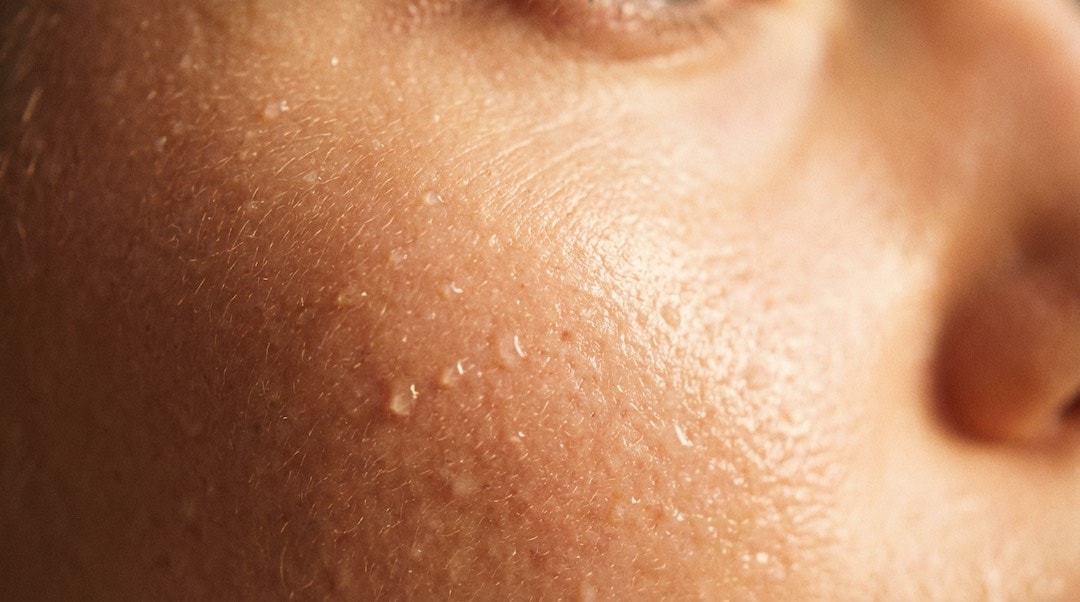
Strahlende Haut bedeutet hydratisierte, gesunde und glatte Haut – nicht makellos. Auch gesunde Haut hat natürliche Strukturen wie Poren.
-
Du kannst strahlende Haut auf natürliche Weise bekommen, indem du dich auf Hautpflege-Grundlagen, Ernährung, ausreichenden Schlaf und konsequenten Sonnenschutz konzentrierst.
-
Konstanz in deiner Pflegeroutine ist wichtiger als teure Produkte. Deine Haut reagiert auf das, was du täglich tust, nicht auf gelegentliche Anwendungen.
-
Natürliche Inhaltsstoffe wie Vitamin C, Aloe Vera, Kurkuma und grüner Tee sind wissenschaftlich bewiesene Glow-Booster.
-
UV-Schutz ist absolut unverzichtbar – ein Breitbandschutz-Sonnenschutz ist Pflicht, um die Strahlkraft zu erhalten und vorzeitiger Hautalterung vorzubeugen.
Was bedeutet eigentlich „strahlende Haut“?
Kommen wir mal auf den Punkt, worauf wir hinarbeiten. Wenn Hautärzte von „strahlender Haut“ sprechen, meinen sie Haut, die gesund, gut mit Feuchtigkeit versorgt und vital aussieht – nicht das matte, stumpfe Erscheinungsbild, das durch Dehydration oder Ablagerungen abgestorbener Hautzellen entsteht.
Die Biologie hinter strahlender Haut
Der „Glow“, den du anstrebst, entsteht eigentlich durch Lichtreflexion. Wenn deine Haut richtig hydratisiert ist, speichern die Zellen der Hautoberfläche Wasser, die Haut wirkt prall und glatt und reflektiert Licht gleichmäßig. So funktioniert es auf zellulärer Ebene, wenn deine Haut strahlt:
-
Ausreichende Feuchtigkeit: Die äußerste Hautschicht, die Hornschicht, enthält bei gesunder Haut etwa 15–20 % Wasser. Sinkt der Wassergehalt unter 10 %, wirkt die Haut matt und fühlt sich rau an. Gut hydratisierte Hautzellen sind prall und reflektieren das Licht besser, was den begehrten taufrischen Teint erzeugt.
-
Glatte Oberflächenstruktur: Abgestorbene Hautzellen sammeln sich natürlich auf der Hautoberfläche. Bei übermäßiger Ansammlung entsteht eine ungleichmäßige Oberfläche, die das Licht streut und die Haut stumpf wirken lässt. Regelmäßiger Zellumsatz – der sich von etwa 28 Tagen in den 20ern auf über 40 Tage in den 40ern verlangsamt – sorgt dafür, dass die Haut glatt und reflektierend bleibt.
-
Gleichmäßiger Hautton: Hyperpigmentierung, Rötungen und ungleichmäßige Färbung stören das Erscheinungsbild der Haut. Haut mit minimalen Verfärbungen wirkt leuchtender, weil die Oberfläche optisch gleichmäßiger erscheint.
-
Gesunde Durchblutung: Dieser rosige Unterton in strahlender Haut? Das ist die Folge ausreichender Blutversorgung, die Sauerstoff und Nährstoffe zu den Hautzellen transportiert. Schlechte Durchblutung lässt die Haut fahl und grau wirken.
Was strahlende Haut nicht ist
Ein paar Missverständnisse sollten wir gleich klären. Strahlende Haut kann natürliche Strukturen wie sichtbare Poren, feine Linien oder Fältchen haben. Du jagst keine perfekt retuschierte Haut – die gibt es im echten Leben nicht.
Ein fettiger Glanz ist etwas anderes als gesunder Glow. Oberflächenöl (oft verbunden mit verstopften Poren) erzeugt ein ungleichmäßiges, glänzendes Erscheinungsbild. Echter Teint-Glow ist subtiler – eine weiche Leuchtkraft, kein Fettglanz.
Die meisten Menschen können ihre Hautstrahlung deutlich verbessern, unabhängig vom Ausgangszustand. Entscheidend ist, die Faktoren zu optimieren, die wir kontrollieren können: Feuchtigkeit, Schutz, Ernährung und Zellumsatz.
Deine Hautpflegeroutine für strahlende Haut
1. Beginne mit sanfter Reinigung
Dein Weg zu strahlender Haut beginnt schon bei der Reinigung. Ein sanfter Reiniger am Abend und das regelmäßige Eincremen zweimal täglich sind entscheidend für gesunde Haut mit natürlichem Glow. Es geht dabei nicht ums harte Schrubben oder die Verwendung aggressiver Seifen, die deine natürlichen Hautöle entfernen.
Wasche dein Gesicht einmal täglich – am besten abends. Nutze lauwarmes Wasser, kein heißes, denn zu hohe Temperaturen können die Haut austrocknen und die Hautbarriere schädigen. Wähle einen milden, pH-ausgeglichenen Reiniger oder einen Ölreiniger mit schadstofffreien Inhaltsstoffen, also ohne Sulfate oder synthetische Duftstoffe.
Zu häufiges Waschen oder starkes Schrubben kann die Haut reizen und das Hautbild stumpf wirken lassen. Selbst bei öliger Haut solltest du der Versuchung widerstehen, zu oft zu reinigen. Deine Haut könnte sonst sogar noch mehr Talg produzieren, um den Feuchtigkeitsverlust auszugleichen.
Der pH-Faktor, den die meisten ignorieren
Die natürliche Haut hat einen leicht sauren pH-Wert von etwa 4,5–5,5. Dieser sogenannte Säureschutzmantel schützt vor schädlichen Bakterien und erhält die Hautbarriere. Viele herkömmliche Seifen liegen bei einem pH von 9–10 und stören diese Schutzschicht. Das führt zu Trockenheit, Empfindlichkeit und letztlich zu einem müden, glanzlosen Hautbild.
Achte darauf, Reiniger mit einem pH-Wert zwischen 4,5 und 6,5 zu wählen. Wenn sich deine Haut nach der Reinigung „quietschsauber“ anfühlt, ist das ein schlechtes Zeichen – es bedeutet, dass du zu viele natürliche Hautöle entfernt hast.
Saubere Formulierungen, auf die du achten solltest
Für eine bewusste Wahl greif zu schadstofffreien Gesichtsreinigern mit folgenden Eigenschaften:
-
Sulfatfrei (kein SLS oder SLES – aggressive Tenside, die die Haut austrocknen)
-
Duftstofffrei (synthetische Düfte sind häufige Allergene)
-
pH-ausgeglichen (idealerweise um 5,5)
-
Sanfte Tenside wie Cocamidopropylbetain oder Decylglucosid
Gute Inhaltsstoffe sind zum Beispiel Glycerin, reinigende Substanzen auf Kokosbasis, Kamille, Aloe Vera oder grüner Tee-Extrakt. Vermeide: Sodium Lauryl Sulfate, synthetische Düfte, Parabene, Triclosan.
2. Entferne abgestorbene Hautzellen
Die Ansammlung von abgestorbenen Hautzellen ist die Hauptursache für mattes, glanzloses Hautbild. Deine Haut erneuert sich ständig und stößt etwa 30.000–40.000 Zellen pro Minute ab. Mit zunehmendem Alter verlangsamt sich dieser Prozess jedoch, und die Zellen lagern sich wie alte Farbschichten auf der Hautoberfläche ab, was den Teint stumpf wirken lässt.
Regelmäßiges Peeling – je nach Hauttyp 1–3 Mal pro Woche (bei empfindlicher oder trockener Haut genügt einmal pro Woche oder alle zwei Wochen) – hilft, Ablagerungen zu entfernen und den Zellumsatz zu unterstützen.
Du kannst zwischen physischen Peelings (sanfte Scrubs mit feinen Partikeln wie Zucker oder Jojobaperlen) und chemischen Peelings (AHAs wie Milchsäure oder Glykolsäure, BHAs wie Salicylsäure) wählen.
Vermeide Peelings mit Plastik-Mikroperlen – sie schaden sowohl deiner Haut als auch der Umwelt.
Dein persönliches Peeling-Protokoll
Zu starkes Schrubben reizt die Haut und kann bestehende Probleme verschlimmern. Sanftheit ist hier das wichtigste Prinzip.
Für normale oder Mischhaut:
-
Chemisches Peeling: 2–3 Mal pro Woche (bei Bedarf AHA und BHA abwechselnd)
-
Physisches Peeling: 1–2 Mal pro Woche
-
Nie am gleichen Tag anwenden
Für ölige oder zu Akne neigende Haut:
-
BHA (Salicylsäure): täglich oder jeden zweiten Tag (langsam einsteigen)
-
Sanftes physisches Peeling: 1 Mal pro Woche
-
Achte auf Anzeichen von Überpflege
Für trockene oder reife Haut:
-
AHA (Milchsäure): 2–3 Mal pro Woche
-
Sanftes physisches Peeling: 1 Mal pro Woche
-
Unmittelbar danach eine reichhaltige Feuchtigkeitspflege auftragen
Für empfindliche oder reaktive Haut:
-
PHA oder Enzym-Peeling: maximal 1–2 Mal pro Woche
-
Physische Peelings weglassen oder ultra-sanftes Tuch verwenden
-
Alles vorher an einer kleinen Stelle testen
Natürliche Peeling-Optionen
Wenn du lieber Hausmittel verwendest:
-
Haferflocken + Joghurt: Milchsäure aus Joghurt + sanftes physisches Peeling aus Haferflocken
-
Zucker + Honig: Feuchtigkeitsspendender Honig + feine Zuckerkristalle (nicht für empfindliche Haut)
-
Papaya-Püree: Enthält Papain-Enzym, das abgestorbenes Protein abbaut
-
Kürbispüree: Enthält Fruchtenzyme und Alpha-Hydroxysäuren
Die Zutaten zu einer Paste vermischen, auf leicht feuchter Haut 1–2 Minuten sanft einmassieren, 5 Minuten einwirken lassen und dann abspülen. Natürliche Methoden höchstens einmal pro Woche verwenden – ihre Stärke ist schwer vorhersehbar.
3. Tiefgehend hydriert – von innen und außen
Gut hydriert Haut bedeutet strahlende Haut. Wenn deine Haut ausreichend Feuchtigkeit hat, wirkt sie prall und frisch. Ist sie trocken, erscheint sie flach und schuppig. Feuchtigkeitspflege allein reicht nicht aus, um wirklich pralle, strahlende Haut zu bekommen. Du musst die drei Arten von feuchtigkeitsspendenden Inhaltsstoffen kennen und wissen, wie du sie richtig schichtest.
Die Wissenschaft der Hydration, die du kennen solltest
Deine Haut verliert täglich etwa 300–400 ml Wasser über die transepidermale Wasserverdunstung (TEWL). Beschleunigt sich dieser Prozess – etwa durch Schäden, Trockenheit oder Alterung – wird die Haut dehydriert, was zu mattes Hautbild, feinen Linien und rauer Textur führt.
Für optimale Hydration arbeiten drei Arten von Inhaltsstoffen zusammen:
1. Humektanten (ziehen Wasser an)
Diese Feuchtigkeitsmagneten ziehen Wasser aus der Umgebung und tieferen Hautschichten in die äußerste Hautschicht:
-
Hyaluronsäure: Kann das 1000-fache ihres Gewichts an Wasser binden; für beste Penetration Molekulargewichte zwischen 50–1000 kDa verwenden
-
Glycerin: Einfach, effektiv, günstig; 5–10 % Konzentration ideal
-
Sodium PCA: Ein natürlicher Humektant, den die Haut selbst produziert
-
Aloe Vera: Enthält Polysaccharide, die Wasser binden
Anwendung: Auf leicht feuchter Haut direkt nach der Reinigung auftragen
2. Emollients (glätten und weich machen)
Diese füllen die Zwischenräume der Hautzellen und sorgen für eine glatte Oberfläche, die Licht reflektiert:
-
Squalan: Ahmt die natürlichen Hautöle nach, leicht, nicht komedogen
-
Jojobaöl: Technisch ein Wachsester, ähnlich wie Talg
-
Sheabutter: Reich an Fettsäuren, ideal für trockene Haut
-
Ceramide: Lipide, die Teil der Hautbarriere sind
Anwendung: Nach den Humektanten, solange die Haut noch leicht feucht ist
3. Okklusiva (alles versiegeln)
Diese bilden eine physische Barriere auf der Hautoberfläche und verhindern Wasserverlust:
-
Bienenwachs: Natürliche Option, teils okklusiv + emollient
-
Natürliche Öle
Anwendung: Letzter Schritt, besonders nachts
Das Geheimnis leicht feuchter Haut
Feuchtigkeit auf leicht feuchter Haut einzuschließen hilft, extra Wasser zu binden – das nennt man Okklusion. So geht’s optimal:
-
Gesicht reinigen
-
Innerhalb von 60 Sekunden Humektant (z. B. Hyaluronsäure-Serum) auf feuchte Haut auftragen
-
Innerhalb von 2–3 Minuten Emollient-Moisturizer auftragen, solange das Humektant noch feucht ist
-
Bei Bedarf (trockene Haut oder nachts) mit einem leichten Okklusivum abschließen
So wird Wasser in mehreren Schichten eingeschlossen und erzeugt diesen prallen, taufrischen Look, der strahlende Haut ausmacht.
Hydration von innen: die oft vergessene Basis
Du kannst noch so viele Pflegeprodukte auftragen, aber wenn du chronisch dehydriert bist, zeigt sich das an deiner Haut. Eine wissenschaftliche Übersicht aus 2021 zeigte einen klaren Zusammenhang zwischen ausreichender Wasserzufuhr und gesunder, strahlender Haut.
Empfohlene Wasseraufnahme:
-
Basis: 8 Gläser (2 Liter) täglich
-
0,5 Liter für jede Stunde Sport
-
0,5 Liter bei trockenem Klima oder beheizten/klimatisierten Räumen
-
Koffein und Alkohol wirken entwässernd – dafür zusätzlich trinken
Pro-Tipp: Trink gleich morgens ein volles Glas Wasser (mit frischem Zitronensaft für zusätzlichen Nutzen). Deine Haut dehydriert über Nacht (besonders, wenn du mit offenem Mund schläfst oder in einem trockenen Raum), und das startet die innere Hydration.
4. Schütze deine Haut täglich vor der Sonne
Wenn du aus dem gesamten Artikel nur einen Punkt umsetzt, dann diesen: Trage täglich (natürliche) Sonnencreme auf. Sonnenschutz ist quasi der nächste Weg zum Jungbrunnen für die Haut, denn er kann die Hautalterung deutlich verlangsamen.
Sonnencreme ist zweifellos einer der effektivsten Wege, strahlende Haut zu erhalten und zu bewahren. UV-Schäden verursachen 80–90 % der sichtbaren Hautalterung. Sie bauen Kollagen und Elastin ab, verursachen dunkle Flecken, ungleichmäßige Hautstruktur und rauben deiner Haut buchstäblich ihre Strahlkraft.
SPF verstehen: Die Zahlen erklärt
Der Lichtschutzfaktor (SPF) misst den UVB-Schutz. So viel bedeuten die Zahlen tatsächlich:
-
SPF 15: blockiert ca. 93 % der UVB-Strahlen
-
SPF 30: blockiert ca. 97 % der UVB-Strahlen
-
SPF 50: blockiert ca. 98 % der UVB-Strahlen
-
SPF 100: blockiert ca. 99 % der UVB-Strahlen
Der Sprung von SPF 30 auf 50 wirkt klein (97 % zu 98 %), aber dieses zusätzliche 1 % reduziert die UV-Belastung deiner Haut um 50 %. Für den Alltag ist SPF 30 das Minimum; bei häufigem Aufenthalt im Freien ist SPF 50 besser.
Mineralische (physikalische) Sonnencremes
-
Wirkstoffe: Zinkoxid und/oder Titandioxid
-
Wirkung: Sitzen auf der Hautoberfläche und reflektieren UV-Strahlen
-
Vorteile: Wirken sofort, weniger hautreizend, umweltfreundlich (riffschonend), stabil in der Sonne
-
Nachteile: Können einen weißen Film hinterlassen (neuere Formeln minimieren dies), etwas dickere Textur
-
Am besten geeignet für: empfindliche Haut, zu Akne neigende Haut, alle, die natürliche Optionen bevorzugen
Schadstofffreie mineralische Sonnencremes sind ideal, wenn du chemische UV-Filter vermeiden möchtest.
Was ist mit „natürlichem“ Sonnenschutz?
Antioxidantien wie Vitamin C, Vitamin E und Ferulasäure können die Wirkung von Sonnencremes unterstützen, indem sie freie Radikale neutralisieren, die UV-Strahlen erzeugen. Sie blockieren die Strahlen selbst jedoch nicht.
5. Strahlkraft mit Antioxidans-Seren steigern: Die richtige Wahl und Anwendung
Vitamin C gilt als einer der am besten erforschten und nachweislich wirksamen Inhaltsstoffe für einen strahlenden Teint. Es ist entscheidend für die Kollagenbildung, das Protein, das die Hautstruktur stärkt, und wirkt als Antioxidans, indem es freie Radikale neutralisiert, die Hautalterung und ein mattes Hautbild verursachen.
Doch was die meisten Artikel verschweigen: Nicht alle Vitamin-C-Produkte sind gleich wirksam, viele sind durch die Formulierung im Grunde nutzlos.
Die Formen von Vitamin C: Welche solltest du wählen?
L-Ascorbinsäure (reines Vitamin C)
-
Konzentration: 10–20 % (15 % ideal für Wirkung ohne Reizung)
-
pH-Wert: Muss unter 3,5 liegen, um effektiv in die Haut einzudringen
-
Vorteile: Am besten erforscht, höchste Wirksamkeit, nachweislich Kollagenbildung
-
Nachteile: Instabil (oxidiert schnell), kann empfindliche Haut reizen, muss in lichtundurchlässiger Verpackung sein
-
Ideal für: Normale bis ölige Haut, maximale Aufhellung
Ascorbyl Glucosid
-
Konzentration: 5–15 %
-
pH-Wert: Neutral (ca. 5–7)
-
Vorteile: Sehr stabil, sanft, wandelt sich langsam in L-Ascorbinsäure um
-
Nachteile: Weniger potent, sichtbare Ergebnisse dauern länger
-
Ideal für: Empfindliche Haut, Rosazea, Einsteiger
Tetrahexyldecyl Ascorbat
-
Konzentration: 1–20 %
-
pH-Wert: Neutral
-
Vorteile: Öl-löslich (dringt gut ein), extrem stabil, sanft, tiefenwirksam
-
Nachteile: Teurer, weniger Forschung als L-Ascorbinsäure
-
Ideal für: Trockene oder reife Haut, sanfte, aber wirksame Option
Sodium Ascorbyl Phosphat (SAP)
-
Konzentration: 1–5 %
-
pH-Wert: Neutral bis leicht sauer
-
Vorteile: Stabil, antibakteriell, sanft
-
Nachteile: Weniger aufhellend
-
Ideal für: Zu Akne neigende Haut
Anwendungsprotokoll für maximale Wirkung
-
Zeitpunkt: Morgens auftragen (unter Sonnenschutz bietet es zusätzlichen Schutz)
-
Reihenfolge: Nach Gesichtswasser, vor Feuchtigkeitspflege
-
Menge: Ein paar Tropfen für Gesicht und Hals
-
Technik: Sanft in die Haut drücken, nicht stark einreiben
-
Wartezeit: 60 Sekunden vor dem nächsten Produkt (für pH-abhängige Aufnahme)
-
Kombination: Funktioniert synergistisch mit Vitamin E und Ferulasäure – ideal sind Seren, die alle drei enthalten
Das Stabilitätsproblem
L-Ascorbinsäure oxidiert bei Licht-, Luft- und Wasserkontakt. Sobald sie gelb bis braun wird, ist sie oxidiert und wirkungslos (ggf. reizend).
Reicht die Ernährung allein?
Vitamin-C-reiche Lebensmittel wie Zitrusfrüchte, Beeren oder Paprika unterstützen die Hautgesundheit von innen. Topische Anwendung liefert jedoch deutlich höhere Konzentrationen direkt zu den Hautzellen. Es ist also eine Kombination aus innen und außen, die den optimalen Glow garantiert.
6. Gesichtsmassage für sofortigen Glow
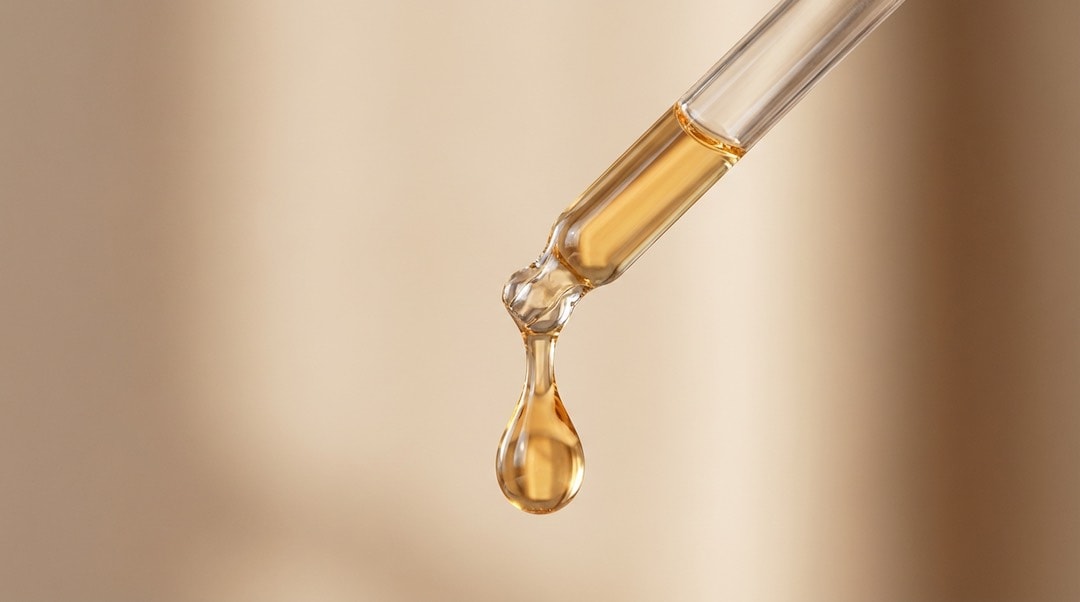
Eine sanfte Gesichtsmassage oder die Anwendung von Tools wie Jade-Rollern kann die Durchblutung anregen und deinen Teint vorübergehend zum Strahlen bringen.
Bonus: Es fühlt sich unglaublich an und reduziert Stress – ein weiterer Faktor, der dein Hautbild negativ beeinflussen kann.
Iss dich zu strahlender Haut: Der komplette Ernährungs-Guide
Deine Haut spiegelt direkt wider, was du isst. Das ist kein Wellness-Hype – es ist zellbiologische Realität. Deine Hautzellen erneuern sich alle 28–40 Tage, und die Bausteine für diese neuen Zellen stammen aus einer gesunden Ernährung. Fütterst du deinen Körper mit minderwertiger Nahrung, zeigt sich das direkt in deinem Hautbild.
Setze auf bunte Obst- und Gemüsesorten
Studien zeigen, dass die gelb-roten Pigmente (Carotinoide) aus Obst und Gemüse der Haut einen gesunden, goldenen Ton verleihen können – oft als attraktiv und strahlend wahrgenommen. Denke an Karotten, Süßkartoffeln, Paprika, Blattgemüse, Beeren und Zitrusfrüchte.
Das wirkt besonders stark: In einer britischen Studie verbesserte der Verzehr von zwei zusätzlichen Portionen pro Tag über sechs Wochen die Hautfarbe merklich. Diese Lebensmittel liefern Vitamin C (für Kollagen und Leuchtkraft), Beta-Carotin (wandelt sich in Vitamin A um und unterstützt den Zellumsatz) und Antioxidantien, die stumpfer Haut entgegenwirken.
Integriere gesunde Fette
Omega-3-Fettsäuren helfen, die Haut geschmeidig und gut mit Feuchtigkeit versorgt zu halten – zu wenig Fett in der Ernährung kann die Haut tatsächlich trocken und faltig erscheinen lassen. Fettreicher Fisch wie Lachs und Makrele, Leinsamen, Walnüsse und Avocados in deinen Mahlzeiten halten die Haut hydratisiert und elastisch.
Diese gesunden Fette sorgen dafür, dass Zellmembranen intakt bleiben, reduzieren Entzündungen und helfen der Haut, Feuchtigkeit von innen zu speichern. Außerdem können sie vor UV-Schäden und weiteren entzündungsbedingten Problemen schützen.

Hydrierung
Viel Wasser trinken hilft deinen Hautzellen, ihre Elastizität und Fülle zu bewahren. Eine Übersicht aus 2021 bestätigte den Zusammenhang zwischen ausreichender Hydration und einem verbesserten Hautbild.
Kollagenfördernde Lebensmittel
Da deine Haut zu einem großen Teil aus Kollagen besteht, liefert ausreichendes Protein aus Hülsenfrüchten, Eiern, Fisch und magerem Fleisch die Aminosäuren, die die Hautstruktur unterstützen. Kombiniere das mit Vitamin-C-reichen Lebensmitteln, da Vitamin C für die Kollagenbildung notwendig ist.
Weitere wichtige Nährstoffe:
-
Zink (Nüsse, Samen, Meeresfrüchte) für Heilung und Entzündungshemmung
-
Vitamin E (Nüsse, Samen, Avocados) zur Unterstützung der Hautbarriere
-
Selen (Paranüsse, Vollkornprodukte) zum Schutz vor UV-Schäden
Fülle deinen Teller mit diesen Nahrungsmitteln, und du versorgst deinen Körper mit den Vitaminen und Nährstoffen, die für strahlende Haut von innen heraus sorgen.
Lebensgewohnheiten, die deine Haut zum Strahlen bringen
Priorisiere erholsamen Schlaf
Beauty Sleep ist kein Mythos. Während des Tiefschlafs wird die Durchblutung der Haut gesteigert und die zelluläre Reparatur aktiviert. Zu wenig Schlaf steht im Zusammenhang mit stärkeren Anzeichen von Hautalterung und langsamerer Regeneration nach Umweltstress.
Ziele auf 7–9 Stunden Schlaf pro Nacht ab. Etabliere einen regelmäßigen Schlafrhythmus, und deine Haut wird es mit mehr Strahlen danken. Wer zu wenig schläft, bemerkt oft mattes, blasses Hautbild und dunkle Augenringe – typische Zeichen von Müdigkeit.

Verzichte auf Rauchen, mäßige Alkohol
Wenn du rauchst, ist Aufhören eine der besten Maßnahmen für deine Hautgesundheit. Rauchen lässt die Haut älter und glanzlos wirken, weil es die Blutgefäße verengt und die Haut von Sauerstoff und Nährstoffen entzieht. Außerdem werden Kollagen und Elastin geschädigt.
Beim Alkohol gilt: Zu viel entzieht dem Körper und der Haut Feuchtigkeit und kann Entzündungen wie Rötungen oder Flushes verursachen. Wenn du trinkst, dann in Maßen und immer mit viel Wasser, um die Haut vor dem mattmachenden Effekt der Dehydration zu schützen.
Bring deinen Kreislauf in Schwung
Regelmäßige Bewegung verbessert die Durchblutung und sorgt sofort nach dem Training für einen frischen Glow. Sie reduziert außerdem Stress und reguliert Hormone, was zu klarerer und gesünderer Haut beiträgt. Schwitzen kann helfen, Poren zu reinigen – denk nur daran, danach gründlich zu reinigen, um Hautprobleme zu vermeiden.
Ziel: mindestens 150 Minuten moderate Bewegung pro Woche – dein gesamter Körper profitiert, und dein Teint zeigt es.
Stress managen
Chronischer Stress löst hormonelle Veränderungen aus, die zu Unreinheiten, empfindlicher Haut und Erkrankungen wie Ekzemen führen können. Zu viel Stress kann tatsächlich deine Haut schädigen – sie wird empfindlicher und neigt zu Pickeln, wie die Mayo Clinic berichtet.
Praktiziere stressreduzierende Aktivitäten wie Yoga, Meditation, Atemübungen oder Hobbys, die dir Freude machen. Weniger Stress verbessert nicht nur deine Hautgesundheit, sondern ist auch essentiell für dein allgemeines Wohlbefinden. Diese innere Ruhe überträgt sich direkt auf deine äußere Strahlkraft.

Natürliche Hausmittel für sofortigen Glow
Manchmal möchtest du deiner Haut einen schnellen Glow verleihen – und nutzt dafür einfach, was schon in deiner Küche steht. Diese natürlichen Mittel können deine strahlende Haut unterstützen:
-
Aloe Vera: Aloe kann die Hautregeneration fördern und sorgt für einen gesunden Teint. Nach der Reinigung als leichte Feuchtigkeitspflege verwenden.
-
Roher Honig: Dieser natürliche Feuchtigkeitsspender bindet Wasser und wirkt antimikrobiell. Dünn auftragen, 10 Minuten einwirken lassen, abspülen – für prallere, strahlendere Haut.
-
Kurkuma: Dank entzündungshemmender und antioxidativer Eigenschaften ein traditionelles Mittel für klare, strahlende Haut. Mit Joghurt oder Honig zu einer aufhellenden Maske mischen (vorher unbedingt an einer kleinen Stelle testen, da es färben kann).
-
Grüner Tee: Reich an Flavonoiden, kann er Akne verbessern und fettige Haut ausgleichen. Abgekühlten grünen Tee als Gesichtsspülung verwenden oder Produkte mit Grüntee-Extrakt wählen.
-
Kokosöl: Entzündungshemmend und antioxidativ, fördert taufrisch wirkende Haut, wenn keine Allergie besteht. Sparsam als Übernachtpflege auf trockene Haut auftragen.
Denke daran: natürlich bedeutet nicht automatisch reizfrei. Neue Inhaltsstoffe immer vorher testen, besonders Kurkuma oder Zitrone (Zitronensaft solltest du fürs Gesicht meiden – zu sauer und kann empfindlich machen). Für weitere natürliche Beauty-Tipps und DIY-Rezepte, schau in unserem Conscious-Living-Blog vorbei.
Wähle cleane Pflegeprodukte: Was du vermeiden und stattdessen verwenden solltest
Ein wichtiger Hinweis: Laut Environmental Working Group verwendet die durchschnittliche Frau täglich 12 Pflegeprodukte, die 168 verschiedene chemische Inhaltsstoffe enthalten. Viele davon sind harmlos, aber einige können Hormone stören, die Haut reizen und deinem Ziel von strahlender, gesunder Haut entgegenwirken.
Wenn du natürliche Glow-Ergebnisse erreichen willst, sollten deine Produkte deine Haut nicht belasten. Saubere, schadstofffreie Alternativen reduzieren deine kumulative Belastung und unterstützen die natürliche Strahlkraft deiner Haut.
Die "Dirty List": Inhaltsstoffe, die du bei Kosmetik vermeiden solltest
-
Parabene (Methylparaben, Propylparaben, Butylparaben)
-
Phthalate (DBP, DEHP, DEP)
-
Sodium Lauryl Sulfate (SLS) und Sodium Laureth Sulfate (SLES)
-
Synthetische Duftstoffe / Parfum
-
Formaldehyd und formaldehydabgebende Konservierungsstoffe
-
Triclosan
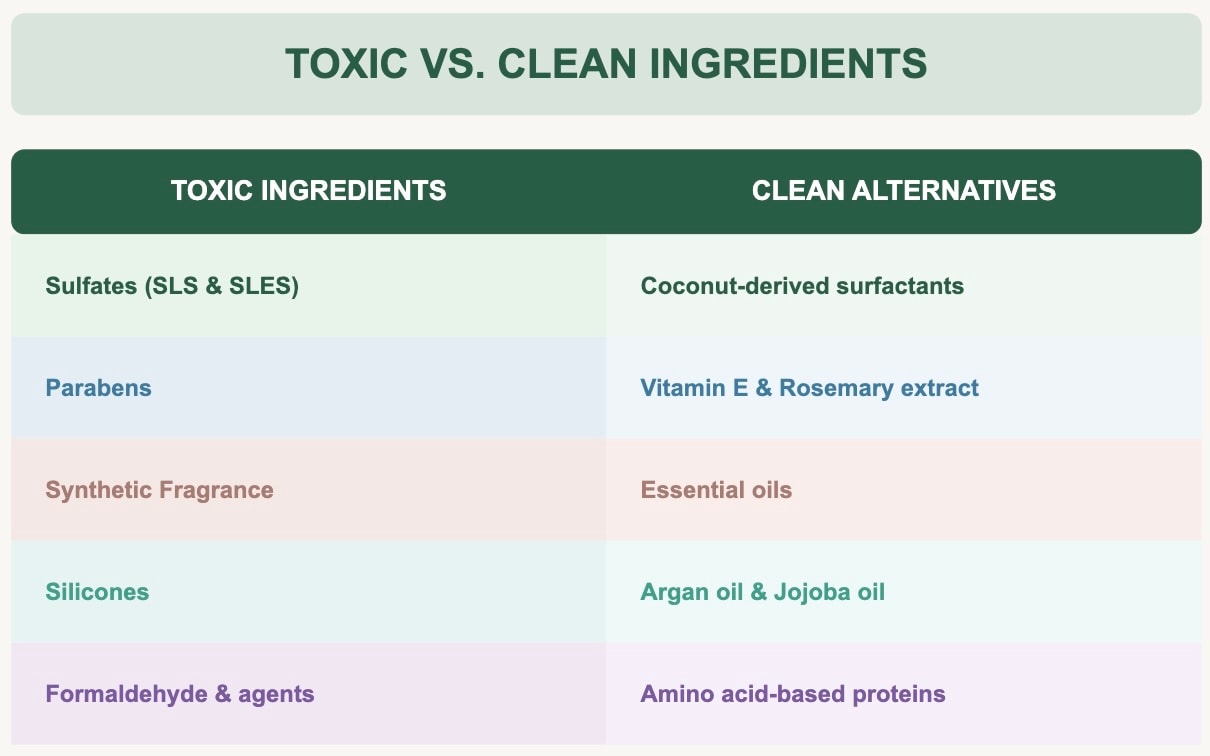
Die Clean List: Sichere Alternativen für strahlende Haut
Natürliche Pflanzenöle (statt synthetischer Emollients)
-
Jojobaöl: Technisch gesehen ein flüssiges Wachs, das dem natürlichen Talg der Haut sehr ähnlich ist. Nicht komedogen, zieht schnell ein, reguliert die Talgproduktion. Ideal für alle Hauttypen, die einen strahlenden Teint wünschen.
-
Arganöl: Reich an Vitamin E und Fettsäuren. Leicht, entzündungshemmend, unterstützt die Regeneration der Hautbarriere und fördert gesunde Haut.
-
Hagebuttenkernöl: Enthält natürliches Vitamin C und A. Hellt auf, reduziert Hyperpigmentierung und fördert den Zellumsatz für ein jugendlicheres Hautbild.
-
Squalan: Gewonnen aus Oliven oder Zuckerrohr. Identisch mit einem Lipid, das deine Haut selbst produziert. Ultra-hydratisierend, ohne fettig zu wirken.
Botanische Extrakte (statt synthetischer Wirkstoffe)
-
Grüntee-Extrakt: Starkes Antioxidans, entzündungshemmend, unterstützt bei Akne und Rötungen. Enthält Polyphenole, die vor UV-Schäden schützen.
-
Kamillenextrakt: Beruhigt Irritationen, reduziert Rötungen, sanft genug für empfindliche Haut auf dem Weg zu einem strahlenden Teint.
-
Aloe Vera: Stimuliert Zellwachstum und Heilung, spendet intensive Feuchtigkeit, ohne Poren zu verstopfen.
-
Ringelblume: Entzündungshemmend, antimikrobiell, beschleunigt die Wundheilung – ideal für zu Akne neigende Haut.
Saubere Wirkstoffe (synthetisch, aber sicher)
Nur weil ein Inhaltsstoff im Labor hergestellt wird, heißt das nicht, dass er schädlich ist. Diese Wirkstoffe sind wissenschaftlich erwiesen und schadstofffrei:
-
Hyaluronsäure: Kann das 1000-fache ihres Gewichts an Wasser binden. Natürlich im Körper vorkommend. Keine Toxizitätsbedenken, maximale Hydration für pralle, strahlende Haut.
-
Niacinamid (Vitamin B3): Verbessert die Hautbarriere, reduziert Entzündungen, minimiert Poren, sorgt für einen gleichmäßigen Teint. Einer der sichersten und effektivsten Wirkstoffe für strahlende Haut.
-
Peptide: Signalstoffe, die die Haut anregen, mehr Kollagen zu produzieren. Komplett sicher, wirksam für jugendlich wirkende Haut.
-
Alpha-Liponsäure: Starkes Antioxidans, entzündungshemmend, hilft, die Haut natürlich zu straffen und zu festigen.
Cleane Konservierungsstoffe (statt Parabene)
Ja, Konservierungsstoffe sind in wasserbasierten Produkten notwendig, sonst bilden sich Schimmel und Bakterien. Diese Optionen sind sicherer:
-
Leucidal (aus fermentierter Rettichwurzel)
-
Sodium Levulinate (aus Mais und Reis)
-
Phenoxyethanol (in niedriger Konzentration, <1 %)
-
Kaliumsorbat
Dein Weg zu strahlender Haut beginnt heute
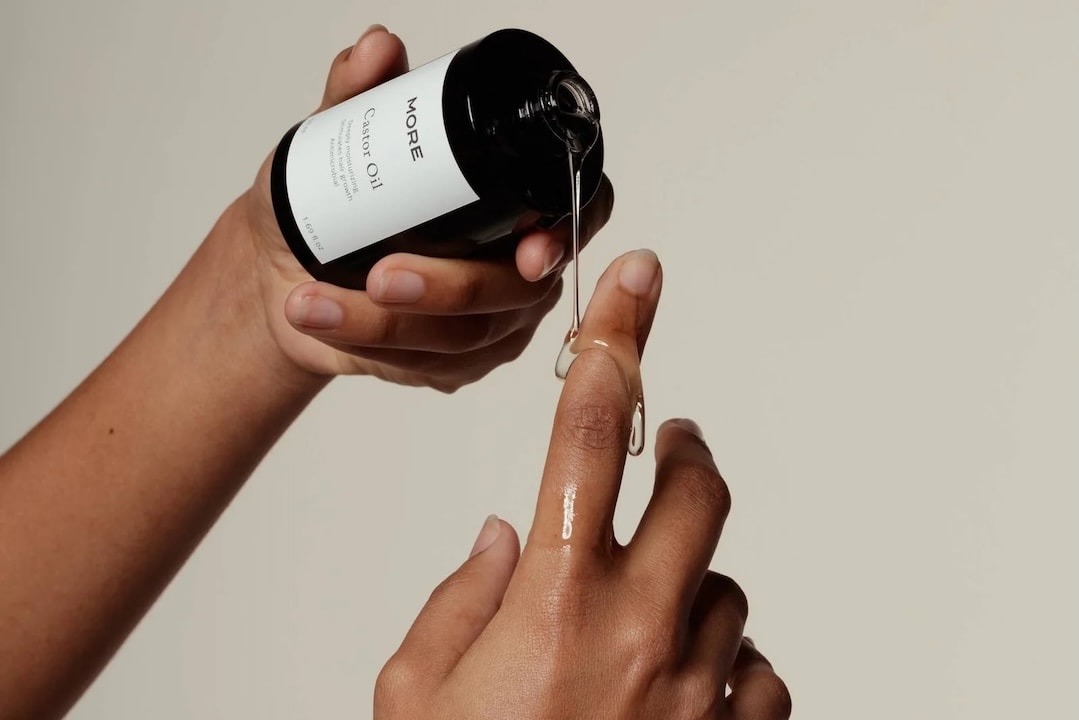
Strahlende Haut bedeutet nicht, Perfektion zu erreichen oder dem neuesten teuren Trend hinterherzulaufen. Es geht darum, zu verstehen, wie gesunde Haut aussieht, und ihr konsequent und achtsam Pflege zu geben. Von der sanften Reinigung, die du jeden Abend nutzt, bis zu den bunten Gemüsesorten auf deinem Teller – jede Entscheidung zählt.
Wenn du hartnäckige Hautprobleme oder Erkrankungen hast, die sich durch diese Strategien nicht bessern, ziehe in Betracht, eine Dermatologin oder einen lizenzierten Kosmetiker zu konsultieren. Professionelle Beratung kann diese allgemeinen Tipps an deine einzigartige Haut anpassen und tieferliegende Ursachen adressieren.
Denk daran: Deine Haut spiegelt wider, wie du dich selbst behandelst. Pflege sie von innen und außen, sei geduldig mit dem Prozess und feiere kleine Verbesserungen auf dem Weg.
Jetzt hast du das Wissen – der nächste Schritt ist, es in die Praxis umzusetzen und zu sehen, wie deine Haut sich verwandelt!
Häufig gestellte Fragen zu strahlender Haut
Wie kann ich in 7 Tagen strahlen?
Eine sichtbare Strahlkraft in nur einer Woche ist möglich durch intensive Hydration und sanftes Peeling. Entferne 2–3 Mal in der Woche abgestorbene Hautzellen und pflege täglich mit einer Feuchtigkeitscreme, die Hyaluronsäure enthält, um die Haut prall wirken zu lassen. Achte auf ausreichend Schlaf und trinke zusätzlich Wasser. Obwohl eine Woche für dramatische Veränderungen kurz ist, können diese schnellen Lifestyle-Boosts die Hautstrahlung bereits nach wenigen Tagen verbessern.
Welches Vitamin ist am besten für strahlende Haut?
Vitamin C gilt als das effektivste Vitamin für einen leuchtenden Teint. Es unterstützt die Kollagenbildung, wirkt als Antioxidans, das den Teint aufhellt, und kann dunkle Flecken mindern. Vitamin-C-Seren oder vitamin-C-reiche Lebensmittel wie Zitrusfrüchte und Kiwis verbessern die Hautstrahlung, schützen vor Sonnenschäden und fördern einen gleichmäßigen Hautton.
Wie lange dauert es, bis die Haut strahlt?
Erste Verbesserungen sind bereits nach wenigen Wochen regelmäßiger Hautpflege sichtbar. Der Zellumsatz der Haut beträgt etwa 4 Wochen, sodass du nach einem Monat konsequenter Pflege wahrscheinlich mehr Strahlen wahrnimmst. Manche Veränderungen, wie bessere Hydration, können subtile Glow-Effekte innerhalb weniger Tage zeigen, während die Reduzierung von Hyperpigmentierung mehrere Monate dauern kann. Konsequenz in der Grundroutine ist der Schlüssel zu gesunder, strahlender Haut.
Macht Wasser trinken die Haut wirklich strahlend?
Ja, ausreichende Flüssigkeitszufuhr unterstützt eine gesündere und strahlendere Haut. Zwar verwandelt Wasser trockene Haut nicht über Nacht in pralle Haut, aber langfristig hilft es, den Feuchtigkeitshaushalt zu erhalten, die Elastizität zu verbessern und einen dezenten Glow zu fördern.
* Werbung: Dieser Artikel enthält mit * gekennzeichnete Affiliate-Links. Wenn du über diese Links einkaufst, erhalten wir eine kleine Provision – für dich entstehen keine zusätzlichen Kosten. Die bereitgestellten Informationen dienen ausschließlich Bildungs- und Informationszwecken und stellen keine medizinische Beratung dar. Sie ersetzen nicht die Konsultation eines Arztes oder qualifizierten Gesundheitsdienstleisters. Dieser Artikel wurde mit Unterstützung von KI-Tools erstellt und von unserem Team redaktionell geprüft und freigegeben. Alle geäußerten Meinungen sind unsere eigenen.
Lilija Bairamova

Lilija ist die Gründerin von Orbasics und Mutter ihrer Tochter Nika. Sie gründete Orbasics als Mutter auf der Suche nach gesunder und biologischer Kleidung für ihr Kind. Heute bietet Orbasics nicht nur Kleidung aus Bio-Baumwolle an, sondern hat sich auch zu einem Blog entwickelt, der sich nachhaltigem, gesundem und achtsamem Leben widmet. Mit Tipps, Anleitungen und Artikeln, die Ihnen helfen, einen nachhaltigeren, bewussteren und gesünderen Lebensstil zu führen.














Hinterlasse einen Kommentar