Table of Contents
Sports Bra Rash: Why It Happens and What Actually Prevents It
This page may contain affiliate links. We may earn a commission on purchases, at no additional cost to you. Learn more →
You just finished a run, peeled off your sports bra, and there it is — an angry rash right where the band meets you. It burns. It itches. And it makes you dread your next workout.
I know that feeling. I assumed it was just something I had to live with — the price of being active. But when I started digging into what was actually happening to my skin, and what the fabrics touching my body were made of, I realized I was dealing with something very fixable. Bra chafing and rashes from workouts are incredibly common, yet most of us just push through the discomfort without understanding the cause.
That rash isn't just "normal wear and tear" and your skin isn´t "too sensible". Your skin is telling you something specific. And once you know what to listen for, you can stop it from happening again.
Key Takeaways
-
Most sports bra rashes come down to two things: friction and trapped sweat. Chafing and intertrigo are behind the vast majority of cases — not allergies, not chemicals.
-
The fold under your breasts is a hotspot for intertrigo, and it can quickly become a yeast or bacterial infection if moisture stays trapped against the skin.
-
Contact dermatitis from textile dyes, formaldehyde resins, or nickel is a real but less common cause — and reactions can show up hours or even a day later, making it easy to miss the connection.
-
Red flags that mean "see a doctor": rashes that spread or worsen despite care, oozing or crusting, significant pain, or any sign of fever.
-
Prevention is mostly practical: get your sports bra fit right, choose fabrics that manage moisture without chemical overload, change out of sweaty gear immediately, and use friction barriers on long runs.
What Is This Rash from Your Sports Bra?
The term isn't a single diagnosis. It can be an umbrella for any burning, itching, or raw patches that show up where your sports bra sits — under your breasts, along the band, around straps, or in your armpits.
What many don't realize is that several different conditions can cause these rashes, and each one needs a different approach.
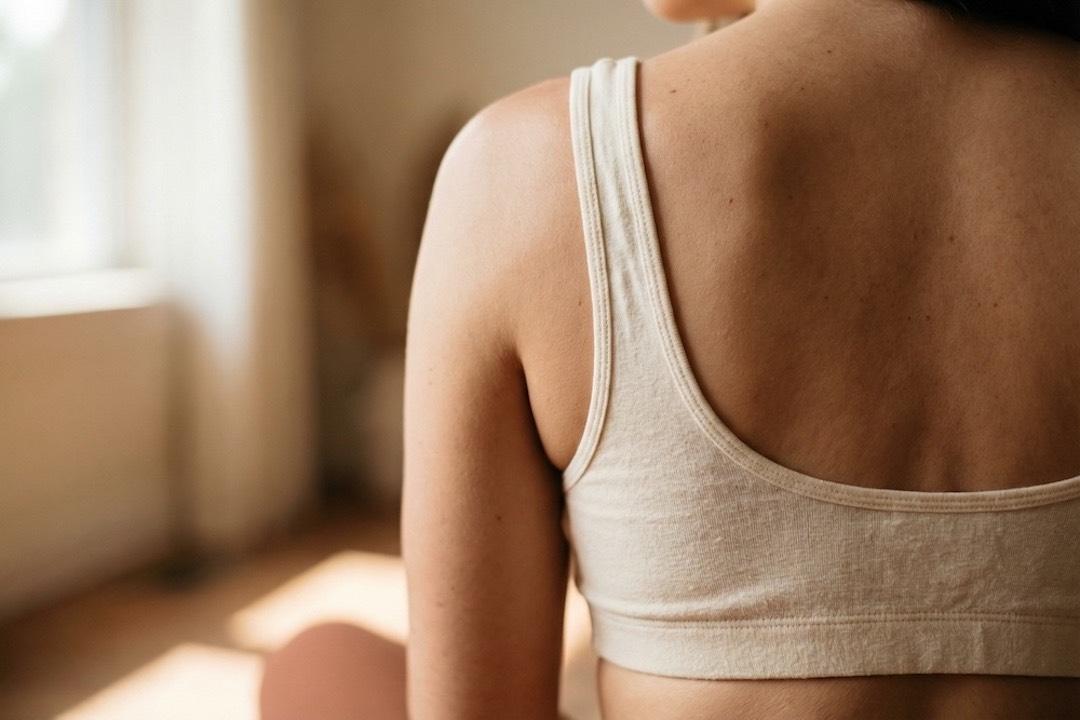
Why Sports Bra Chafing Happens (and Why It's Not Just "Sweat")
Chafing: When Your Bra Rubs You Raw
Chafing is the most common type of bra-related skin irritation — and it's the one I dealt with first. Every time you move, the fabric of your sports bra creates friction against your skin. During a run or HIIT session, that's thousands of repetitive micro-movements. When skin rubs against rough seams, tight straps, or an underwire that digs in, the result is chafed skin that ranges from a mild sting to broken, raw patches.
An ill-fitting sports bra makes this dramatically worse. If your bra is too tight, it creates constant pressure points against your skin. Too loose, and the fabric slides back and forth with every stride, generating friction. The European Academy of Dermatology and Venereology (EADV) notes that prolonged activity — especially endurance sports like marathon running — significantly increases the likelihood of chafing because of the sustained rub against breast tissue.
Sweat amplifies the problem. When your sweat glands are active, moisture creates a sticky skin surface that drags more against fabric. Instead of gliding, your bra catches and pulls. This is why sports bra chafing occurs far more often in hot, humid weather or during intense workouts. Understanding which fabrics actually handle sweat well — and which ones trap it against you — makes a real difference in preventing chafing before it starts.
Intertrigo and Trapped Sweat
Heat rash occurs when blocked sweat glands trap moisture beneath the skin surface. Under a tight sports bra, where airflow is minimal, this is especially common. You'll often notice small, itchy bumps in areas where the bra presses against your skin.
But there's a more persistent condition many women experience: intertrigo. This inflammation occurs specifically in skin folds — and the fold under your breasts is a classic location. Cleveland Clinic describes intertrigo as inflammation caused by heat, moisture, and friction working together to break down the skin's protective barrier.
What makes intertrigo particularly frustrating is that the warm, moist environment under your breasts can become a breeding ground for yeast (especially Candida) and bacteria. When that happens, a simple rash can turn into a fungal infection — with spreading irritation, a distinct odor, or oozing. Heat rash and intertrigo both thrive in conditions where women wear tight bras during hot weather. This is not something anti-chafing balm alone will fix.
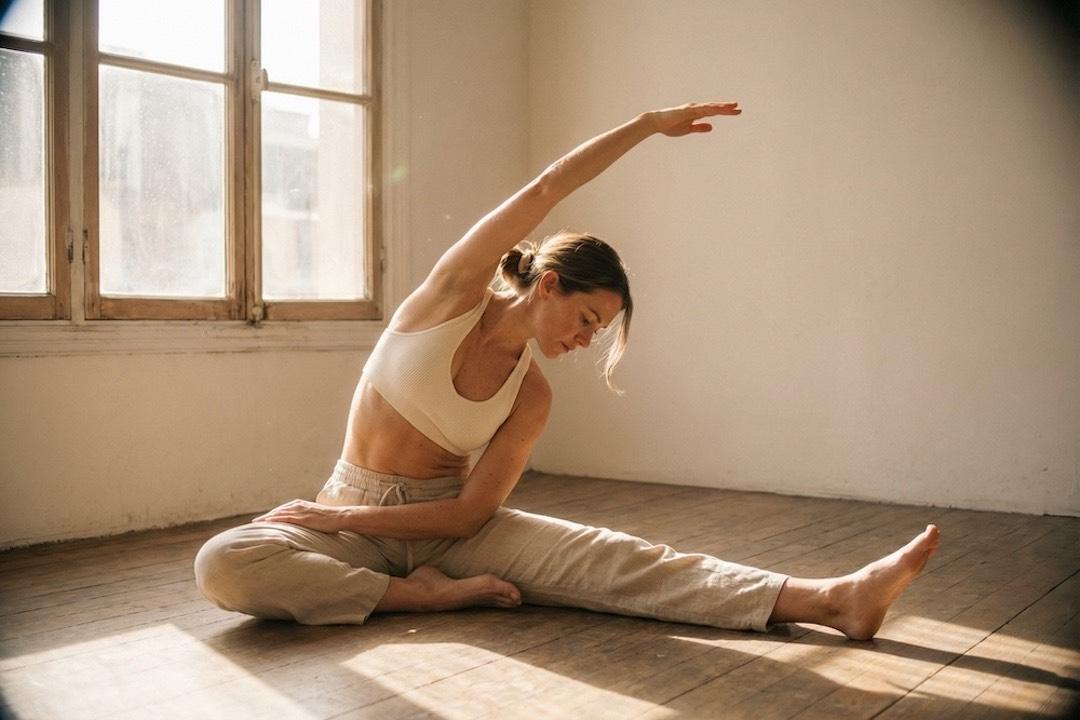
Contact Dermatitis and Textile Allergies
This one did not surprise me. Sometimes bra rashes aren't about chafing at all. Contact dermatitis occurs when your skin reacts to something in the bra itself. This could be nickel in metal clasps, elastic compounds in the band, or — more often than you realize — chemical finishes in the fabric.
DermNet NZ identifies formaldehyde finishing resins and disperse dyes as common triggers for textile contact dermatitis. These chemicals are used in manufacturing to set color and prevent wrinkling. People with sensitive skin or delicate skin are particularly vulnerable. Allergic reactions can produce a red rash that mirrors the exact shape of the seam, tag, or fabric panel touching your skin — often with redness and red marks that appear in a distinct pattern.
And it goes deeper than that. Research shows that synthetic activewear can disrupt your skin's natural microbiome — the community of protective microorganisms on your skin surface. Polyester in particular has been linked to selective bacterial growth and odor development. When you add chemical treatments like azo dyes, anti-odor coatings, and hidden toxins in non-toxic fabric alternatives like BPA and phthalates, the picture gets more complex.
Your bra isn't just rubbing against you — it may be exposing your skin to compounds that compromise its barrier function, especially when you're working out and your pores are open.
The tricky part? These reactions can be delayed — appearing hours or even a day after you wear the bra. So you might not connect yesterday's sports bra to today's uncomfortable symptoms.
How to Soothe Sports Bra Chafing and Rashes
When I first started dealing with this, I made every mistake — scrubbing the area in a hot shower, slathering on random lotion, and putting the same bra back on the next morning. Don't do what I did. If you're experiencing chafing right now, here's what could work — step by step.
-
Stop the rub immediately. Remove the sports bra causing the skin irritation. Switch to a soft, loose-fitting top or a tank top with a built-in bra as a comfortable alternative while your irritated skin recovers.
-
Clean gently. Hop in a cool shower and wash the area with lukewarm water and a mild, fragrance-free soap. Don't scrub — this can damage already compromised areas further. Columbia University's Go Ask Alice specifically advises against aggressive scrubbing when treating chafed skin.
-
Pat dry — don't rub. Keep the skin dry by gently patting with a clean towel. Dampness on already chafed areas slows healing and increases the likelihood of infection.
But if what you're experiencing persists or you see oozing, swelling, or fever, see a dermatologist. These are red flags that something beyond simple chafing is going on.
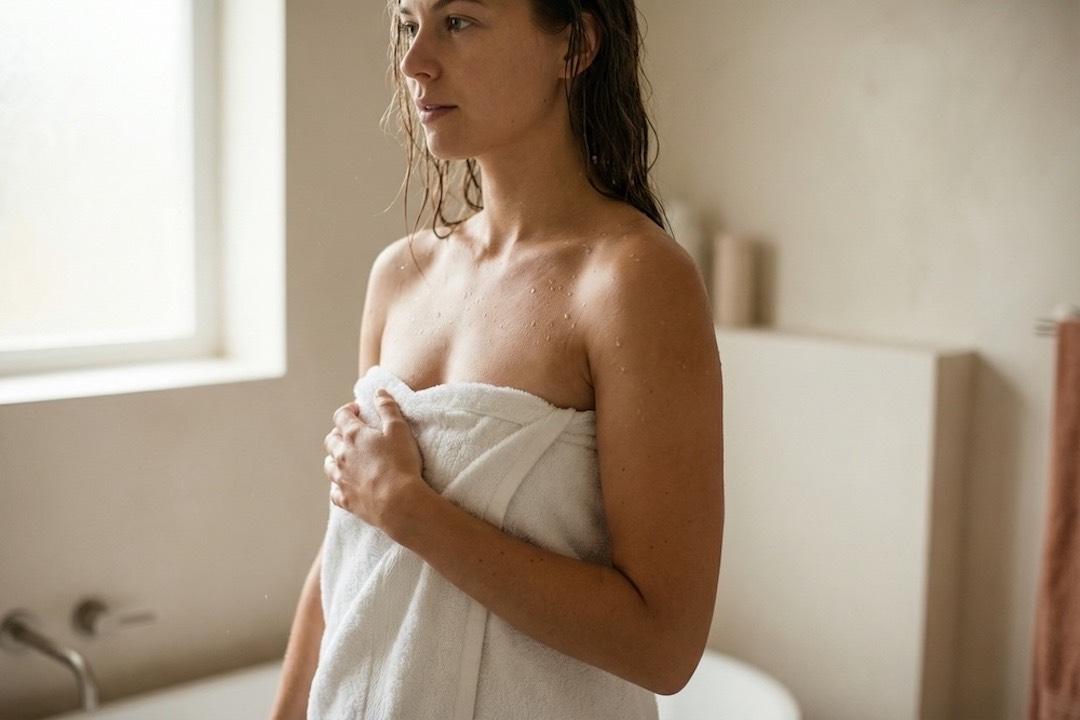
How to Prevent Sports Bra Chafing for Good
Treating rashes is one thing. Making sure they don't come back? That's what changed everything for me. Once I understood the triggers — fit, fabric, and moisture — I stopped getting rashes almost entirely. Here's what I learned.
Getting Your Sports Bra Fit Right
This is where prevention starts. A well-fitting sports bra should feel snug but never restrictive. The EADV recommends fitting your bra to your specific morphology and testing it during short training sessions before committing to longer efforts.
Here's a quick sports bra fit check:
-
The band should sit level around your ribcage. You should be able to fit two fingers under it — it fits comfortably without riding up.
-
Straps should stay in place without digging into your shoulders.
-
Your breasts should feel supported without spilling over or being compressed too tightly against breast tissue.
-
There should be no gaps between the bra cup and your chest.
An ill-fitting sports bra — whether it's an old bra that has lost its stretch or a size that was never quite right — is the single biggest cause of sports bra chafing. Replace your sports bra when the elastic starts to stretch out and the band no longer holds firm.
Underwire bras can be particularly problematic during exercise. The rigid underwire rubs and presses with every movement. If you're experiencing chafing along the wire line, switching to a wireless, supportive bra can make a real difference.
Women who switch to seamless, wire-free designs often find that bra chafing disappears entirely. A comfortable, underwire-free everyday bra can also prevent chafing outside of workouts — because bra chafing doesn't only occur during exercise.
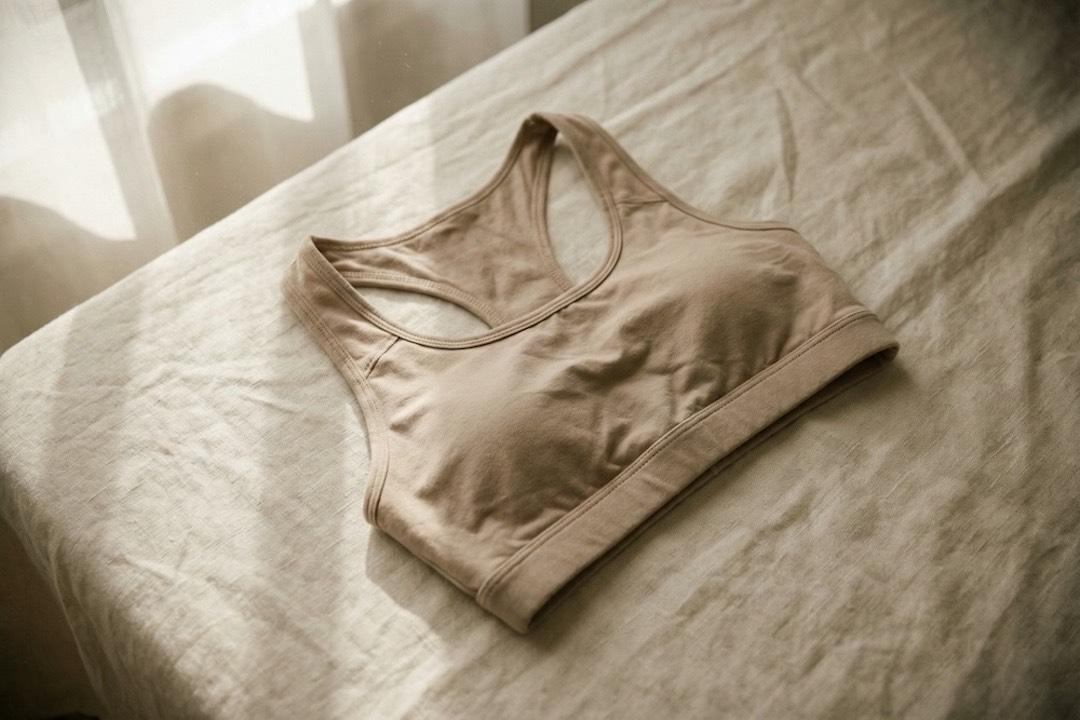
Choosing the Right Fabric
Not all sports bra materials work the same way. Wicking synthetic fabrics pull sweat away from your skin and help keep things dry — reducing the damp rub that triggers bra chafing.
But here's what I wish someone had told me earlier: the chemicals used to process those fabrics matter just as much as the fiber itself.
Synthetic dyes, formaldehyde resins, and chemical finishes can all trigger skin irritation — even in wicking fabric. Look for sports bras with OEKO-TEX certification, which tests for harmful substances in textiles. With my sensitive skin, this was a game-changer — and it is for women who get rashes from their activewear.
If you're ready to switch, we've personally tested and reviewed many low-toxi sports bras that perform well during workouts.
It's also worth understanding how synthetic fabrics interact with your skin.The right sports bra fabric manages moisture without trapping it.
Washing and Care Habits
What you do after your workout matters just as much. Wash your sports bra after every single wear. Perspiration and oils build up in the fabric and become irritants themselves. Use a mild, fragrance-free detergent — harsh chemicals and artificial fragrances in laundry products can leave residues that cause skin irritation on already stressed areas.
Check out our guide to non-toxic laundry detergents for safer options, and if your gym clothes still smell after washing, our guide on how to wash workout clothes properly breaks down exactly why and what to do about it.
Change out of damp workout clothes immediately after exercise. Sitting in a damp sports bra extends the window where moisture and warmth can do damage. Shower promptly after working out, especially in the under-breast area where rashes occur most.
A Note on PFAS in Activewear
This is something I've written about extensively, because it matters. You might have heard about PFAS (per- and polyfluoroalkyl substances) showing up in workout clothes. This is a real and evolving issue — New York State has prohibited intentionally added PFAS in apparel as of 2025, and California has enacted similar restrictions.
But I want to be honest about what we know and what we don't. NIEHS notes that PFAS exposure and its effects are an active area of research. Some in vitro studies show measurable dermal absorption of certain PFAS compounds, while others suggest absorption through the dermis is relatively low compared to ingestion. The connection between PFAS in clothing and acute rashes specifically is not established in clinical literature.
What is clear: if you want to minimize your overall chemical exposure, choosing activewear from brands that avoid PFAS, harsh dyes, and chemical finishes is a sensible step. We've put together a list of low -toxic activewear brands — because a recent report found that some sports bras and leggings could expose you to up to 40 times the safe limit of BPA.
But chemical exposure is may be not the first thing you blame when your sports bra gives you rashes. Start with fit and chafing prevention. Those are the proven triggers.
When to See a Doctor
Most sports bra chafing heals within a few days with proper care. But see a healthcare provider if:
-
The rash keeps getting worse despite gentle treatment
-
You notice oozing, crusting, or significant pain
-
The affected area shows signs of infection (increased warmth, fever)
-
Rashes keep recurring in the same spot regardless of which bra you wear — this could indicate contact dermatitis that needs a patch test
The EADV advises seeking medical evaluation whenever a rash doesn't improve with consistent at-home care, as conditions like psoriasis, fungal infections, or yeast infections can mimic simple chafing.

FAQ to Sports Bra Rash
What does a bra rash look like?
A bra rash typically appears as reddened, raw patches along the band line, under the breasts, around straps, or in armpits. Chafing usually follows the line where fabric rubs, while allergic reactions often mirror the exact shape of the material.
Why do I get a rash between my breasts after wearing a sports bra?
The space between and under your breasts is warm, moist, and prone to rubbing — a perfect setup for intertrigo. Cleveland Clinic explains that this combination of warmth plus rubbing can cause inflammation that occurs if sweat stays trapped.
What is the 3 bra rule?
The 3 bra rule suggests rotating between at least three bras so each has time to air out, regain its shape, and dry completely between wears. This reduces buildup and helps your everyday bra maintain its stretch and support — which directly impacts how much chafing and skin irritation it causes.
Can a sports bra give you rashes?
Absolutely. An ill-fitting sports bra, one made from irritating materials, or tight clothing worn during intense exercise can cause rashes. The combination of rubbing, sweat, and warmth — especially with underwire bras or bras that have lost their stretch — creates ideal conditions for skin irritation and even fungal growth.
Lilija Bairamova