
Table of Contents
Microplastics in Tea Bags: Which Brands Are Really Microplastic Free?
This page may contain affiliate links. We may earn a commission on purchases, at no additional cost to you. Learn more →
What if I told you your tea bag might be adding microplastics to your cup? Over the past few years, the presence of microplastics in tea bags has sparked discussion among scientists.
In fact, there are over 500 studies on the topic! And that’s because scientists can get very different results depending on how they conduct the studies.
What scientists have confirmed is that some tea bags release microplastics. But there’s still no clear consensus on how many particles are released per cup.
So what recent studies really tell us, and what could they mean for your health?
Let’s take a closer look at what we know so far, the potential health implications, how to avoid microplastics in tea, and which brands offer plastic-free tea bags that are safer to sip.
Tea Bags Could Release Billions of Microplastics into Your Cup
This statement made headlines following a 2019 study from McGill University.
Researchers found that one plastic tea bag brewed at 95°C could release between 11.6 billion microplastics and 3.1 billion nanoplastics into a single cup.
That said, the German Federal Institute for Risk Assessment later criticized the study, suggesting it may have overestimated the results. Why? Because researchers brewed tea and then evaporated the liquid. And when the tea dries, it can form tiny particles that resemble microplastics.
Recently, a November 2024 study published in Chemosphere Journal used more reliable methods than earlier research, including:
-
Brewing empty tea bags
-
Using multiple testing methods
-
Regular stirring, as you might do at home
-
Checking that the particles were actually plastic
-
Working in controlled lab conditions to help reduce contamination
But what’s especially interesting is that the study compared different tea bag materials:
|
Tea Bag Material |
Nanoplastics per mL |
|---|---|
|
Polypropylene |
1.2 billion |
|
Cellulose |
135 million |
|
Nylon-6 |
8.18 million |
The issue with brewing certain tea bags is that high temperatures, water exposure, and even stirring can promote the release of microplastics, as study author Dr. Alba García-Rodríguez, a researcher at the Universitat Autònoma de Barcelona, points out.
Do All Tea Bags Have Microplastics in Them?
No, not all tea bags release microplastics into your cup, but many commonly used commercial options likely do, especially when they contain plastic components, plastic–cellulose blends or bioplastics. It largely depends on the materials used in the tea bag, with some types more likely to release particles than others. Some tea bags are fully plastic, while others use mixed materials that still contain plastic. And beyond the bag itself, many tea bags still use polypropylene, a plastic that helps seal the edges.
Paper bags that are simply folded and stapled, made from cellulose or hemp with no plastic sealant, are much less likely to shed measurable microplastic into the drink itself, though fragments from coatings, strings, or packaging can’t be ruled out entirely. Because manufacturers rarely list exact compositions, “no microplastics” can’t be guaranteed, but clearly not every bag is in the same high‑shedding category as nylon or PET pyramids.
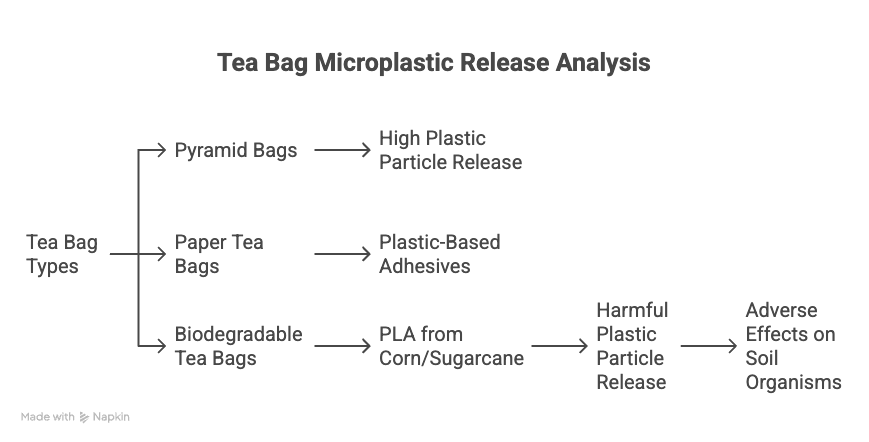
Key details to keep in mind:
-
Pyramid Bags: These tea bags are made from plastic mesh and are more likely to release high levels of plastic particles.
-
Paper Tea Bags: While these can feel like a safer option, many still rely on plastic-based adhesives (like polypropylene) to keep the bag intact during brewing.
-
Biodegradable Tea Bags: Many biodegradable or compostable tea bags use PLA (polylactic acid) from corn or sugarcane. That said, multiple studies have found that tea bags made from this plant-based plastic can still release harmful plastic particles, and some experiments show adverse effects on soil organisms and earthworms at higher concentrations, although human health impacts remain uncertain.
Are Microplastics in Tea Bags Dangerous?
Microplastics in tea bags are a potential health concern, but current human data are limited, and regulators such as the German BfR currently judge the risk from typical tea consumption to be low while acknowledging important uncertainties. Plastic food contact materials like some tea bags are more likely to shed microplastic and nanoplastic particles when exposed to heat, and tea brewing requires hot water, which can accelerate particle release and chemical leaching.
Microplastics and nanoplastics have been found in different parts of the human body—including blood, lungs, placenta and arterial plaque—but it is not yet possible to say how much of this comes specifically from tea bags versus many other everyday sources like bottled water, food packaging, dust and air.
This naturally raises the question, what impact can these particles have on your health?
Potential Health Risks from Microplastic Particles in Tea Bags
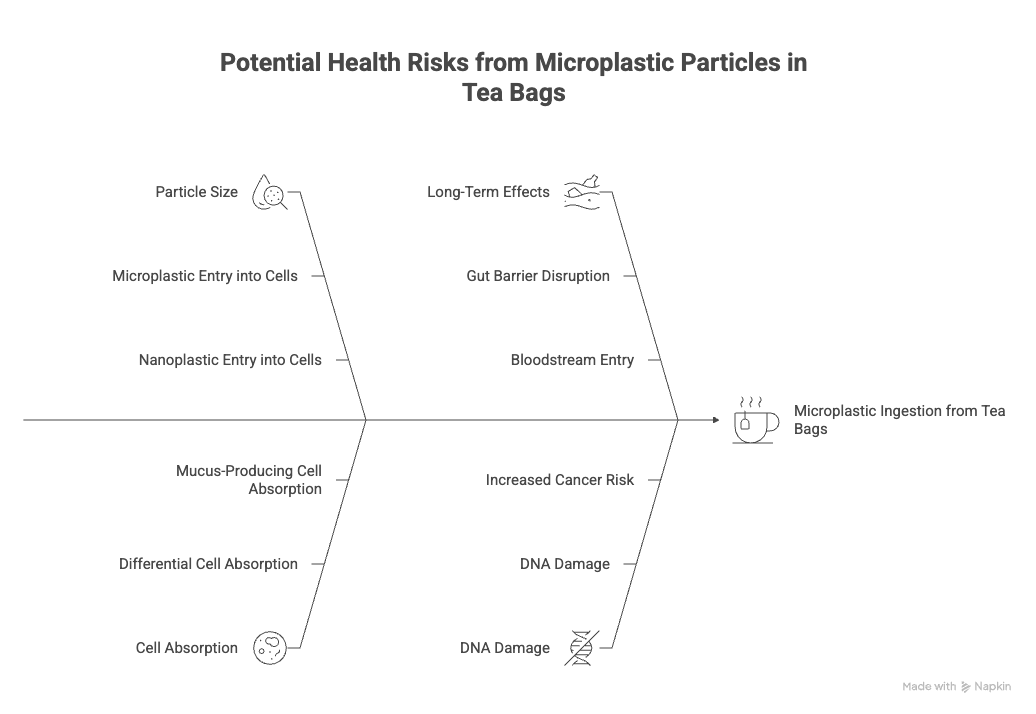
Beyond studying microplastic release from tea bags, the 2024 Chemosphere study researchers also looked at how these particles interact with human intestinal cells. Based on this research, here's a closer look at what happens when you ingest these microplastics:
-
Micro- and especially nanoplastic particles from tea bags are tiny enough to enter intestinal human cells in cell culture experiments
-
Some cells absorb more plastic particles than others
-
Mucus-producing intestinal cells absorb the most particles
-
Plastic particles can reach the cell nucleus, which houses your DNA
Even though the study showed no immediate cell damage, researchers highlight potential long-term health impacts due to chronic exposure, including:
-
Microplastics may disrupt the gut barrier or impact the intestinal mucus layer
-
They may enter your bloodstream and travel to other organs
-
Plastic particles may build up in the body over time
-
Increased risk of inflammation and immune responses
-
Possible damage to DNA, which may increase cancer risk
If you regularly use plastic or plastic-blend tea bags similar to those tested, you could be ingesting billions of plastic particles per cup in worst‑case scenarios reported for polypropylene or nylon bags, whereas paper-only bags tend to release far fewer. Still, scientists need further research to fully understand the long-term effects at real-world exposure levels.
Luckily, you can go for tea bags that won’t shed plastic or at least drastically reduce it by choosing stitched, clearly plastic‑free paper bags or switching to loose‑leaf tea in a metal, glass, or ceramic infuser instead.
What are the Safest Tea Bags to Use?
The safest “tea bags” are actually no bags at all: loose‑leaf tea brewed in a stainless steel, glass, or ceramic infuser or teapot, which avoids tea‑bag plastics entirely. If you do want bags, look for unbleached paper or abaca/cotton bags that are stitched or stapled (not heat‑sealed), clearly labeled “100% plastic‑free” and ideally “home‑compostable,” from brands that disclose materials,for example:
"Best"
Traditional Medicinals | Shop Here*
Republic of Tea | Shop Here*
Stash Tea | Shop Here*
Steep by Bigelow | Shop Here*
"Better"
Pukka | Shop Here*
Yogi Tea | Shop Here*
Equal Exchange | Shop Here*
How Do We Choose the Safest, Plastic-Free Tea Bags?
When choosing the best plastic-free tea bags, we focused on options that, based on current evidence, appear significantly safer to brew in boiling water than typical plastic or plastic‑sealed tea bags, rather than claiming they are 100% risk‑free. Our strict vetting criteria:
-
Made from plant-based fibers
-
No intentionally added petroleum‑based plastic materials, PLA, or plastic-based glue in the tea bag filter itself, according to brand disclosures and independent packaging reviews.
-
Free of toxic chemicals of concern in tea bags where possible, like chlorine, pesticides, and epichlorohydrin
-
Highlighted or recommended by reputable environmental and consumer-health groups (for example Beyond Plastics, Plastic-Free July, the Center for Environmental Health, and Mamavation) as lower‑concern options, or listed as plastic‑free in independent investigations
We divided our top picks into two categories:
-
"Best" Tea Bags: Our top picks feature tea bags that use plastic‑free paper or abaca filters and have been independently lab-tested mainly for PFAS and other contaminants; in those tests there was no evidence of synthetic plastic fibres in the brewed tea, although microplastics were not always directly quantified
-
"Better" Tea Bags: These options still meet our strict criteria and come from reputable brands, though they haven't been independently tested for microplastic release.
This information is based on our own review of current studies and brand materials and is not medical or legal advice; formulations change, local options differ, and individual risk tolerance varies, so everyone should verify packaging and do their own research before deciding which tea products to use.
Best Tea Bags without Microplastics (Plastic-Free & Non-Toxic)
Traditional Medicinals - Best Herbal Wellness Teas (Our Top Pick)*
Best For: Herbal Remedies
Certifications: USDA Organic, Fair Trade USA, Fairtrade International, B Corp, Non-GMO Project Verified, California Certified Organic Farmers™, FairWild, BPI-certified Compostable
Tea Bag Material: Abacá Leaf Fibers & Wood Pulp
Pricing: $27.12 - $47.65 (96 tea bags)
Why We Like It:
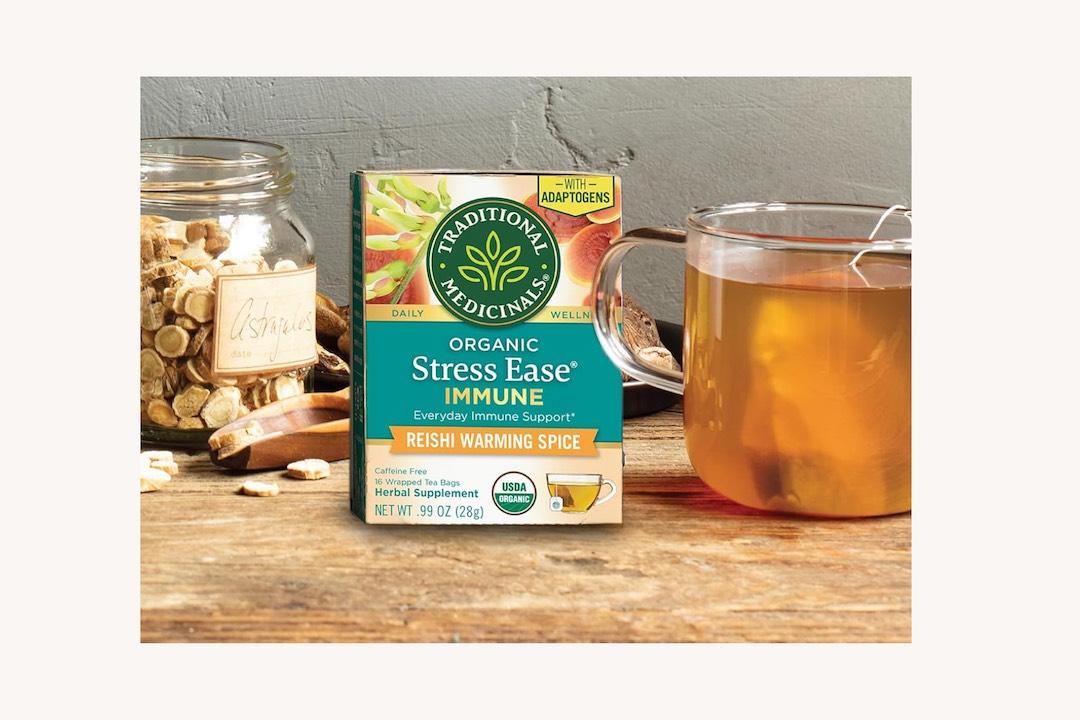
Traditional Medicinals tea bags are made from sustainably farmed abacá leaf fiber (from the banana plant family) and sustainably harvested wood pulp. To replace chemical sealants, the brand shapes the fiber into double-chamber tea bags. Plus, they use cotton strings and paper tags.
Living up to their 'There’s a Tea for That™' slogan, you'll find an extensive range of blends to support everything from stress relief to digestion. For example, their 'Nighty Night Extra® Tea' is the perfect choice when falling asleep doesn’t come so easily!
Independent testing by Mamavation rated Traditional Medicinals among its “best” teas based on the absence of detectable PFAS and other concerning contaminants in lab analyses; however, those tests did not directly measure microplastic particle counts, so “microplastic-free” cannot be absolutely guaranteed.
Shop Traditional Medicinals here*
Republic of Tea - Best Flavor Balance & Aromatic Experience*
Best For: Flavor Combinations
Certifications: Gluten-Free Certified, USDA Organic, Regenerative Organic Certified®
Tea Bag Material: Unbleached Paper Fibers
Pricing: $11.99 - $17.75 (50 tea bags)
Why We Like It:
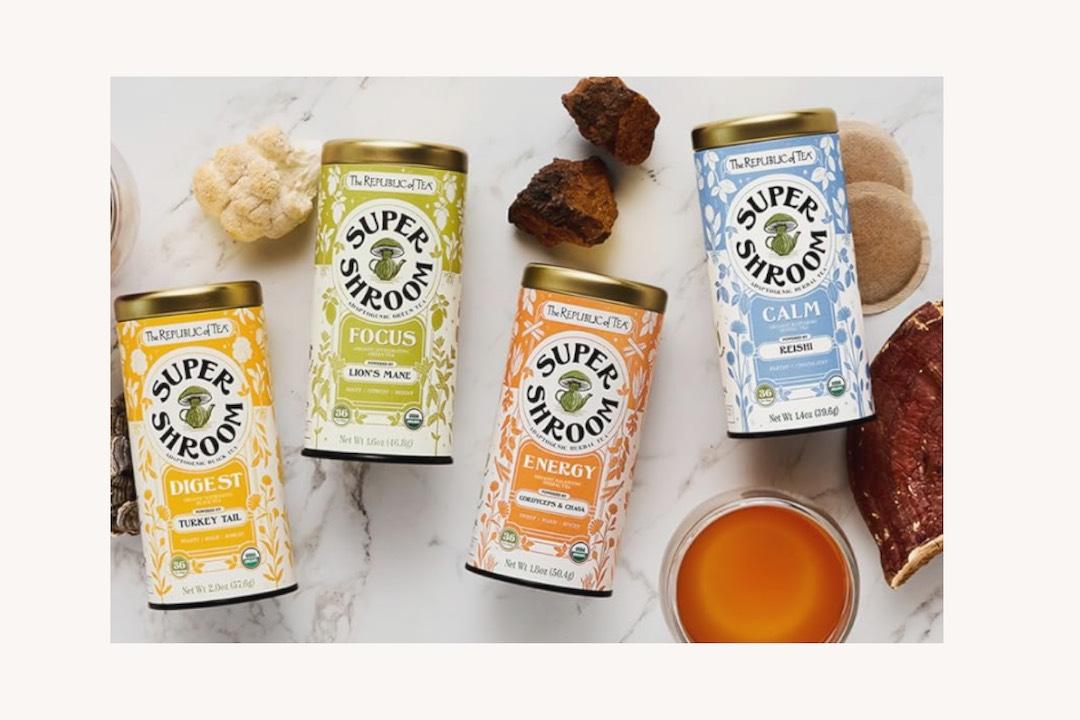
Instead of the usual rectangular tea bags, this brand charms with its signature round design. Besides fitting perfectly at the bottom of your mug, these tea bags are completely free of plastics, chlorine, tags, staples, glue, and strings. Plus, independent testing confirms they do not release plastic fibers!
Independent investigations and brand statements indicate that Republic of Tea’s bags are plastic-free and compostable, and Mamavation’s testing placed them in a low‑concern category for PFAS and other contaminants, but microplastics were not directly counted in those tests.
One of the reasons I love Republic of Tea is its creative flavor combinations that turn every cup into something a little more special. The 'Ginger Peach Black Tea' is my go-to for summer iced tea—less bitter than other black teas, with a juicy peach note that feels refreshing.
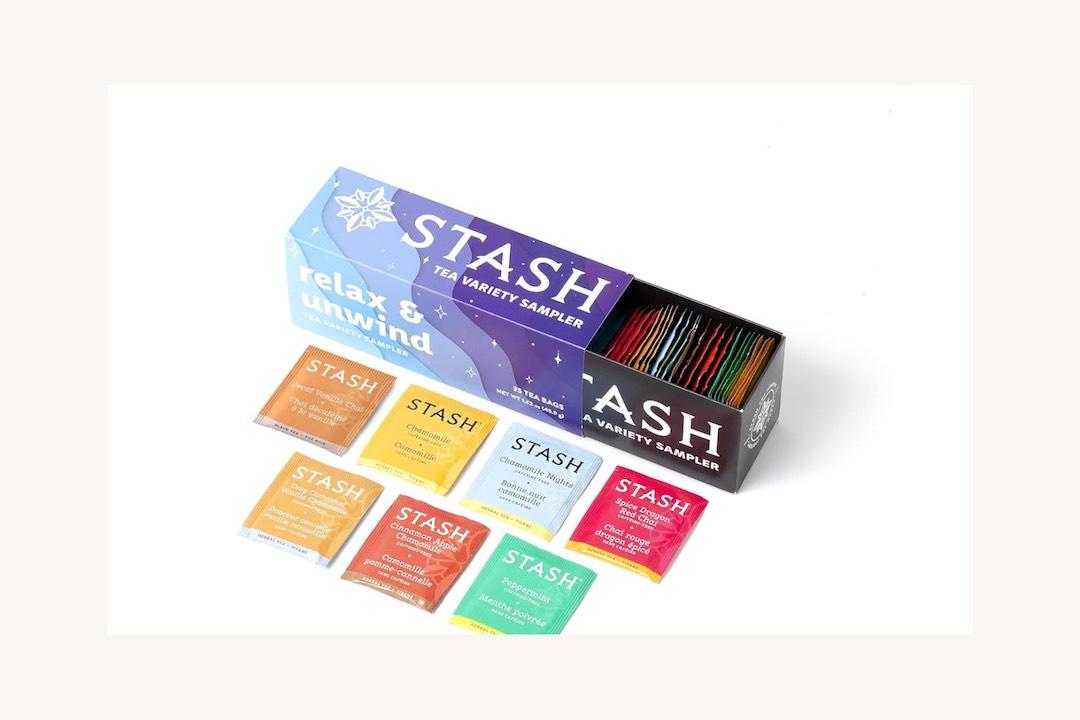
Stash Tea (Organic Line) - Best Everyday Organic Options*
Best For: Comforting, Everyday Tea
Certifications: USDA Organic, Non-GMO Project Verified
Tea Bag Material: 100% Cellulose Fibers (Wood)
Pricing: $29.87 - $32.94 (96 tea bags)
Why We Like It:
Stash Tea offers classic organic blends that are completely plastic-free and ideal for your everyday cup of tea. Their tea bag filter paper is machine folded and pressed, meaning they don't use glue. Additionally, Stash tea bags are free of toxic chemicals like chlorine and epichlorohydrin.
Independent testing by Mamavation and reviews by NGOs such as Beyond Plastics have listed Stash’s filter paper as plastic‑free and low in PFAS, but again, the available testing did not directly quantify microplastic release from the bags.
I always reach for this brand when I’m in the mood for classic organic herbals, like chamomile and mint. They’re perfect for chilly mornings and give a gentle boost when you’re feeling a bit off.
Steep by Bigelow (Organic Line) - Best Affordable, Plastic-Free Tea*
Best For: Budget-Friendly Tea Bags
Certifications: B Corp, USDA Organic, Non-GMO Project Verified
Tea Bag Material: Wood Pulp & Abacá Fiber
Pricing: $24.95 (120 tea bags)
Why We Like It:
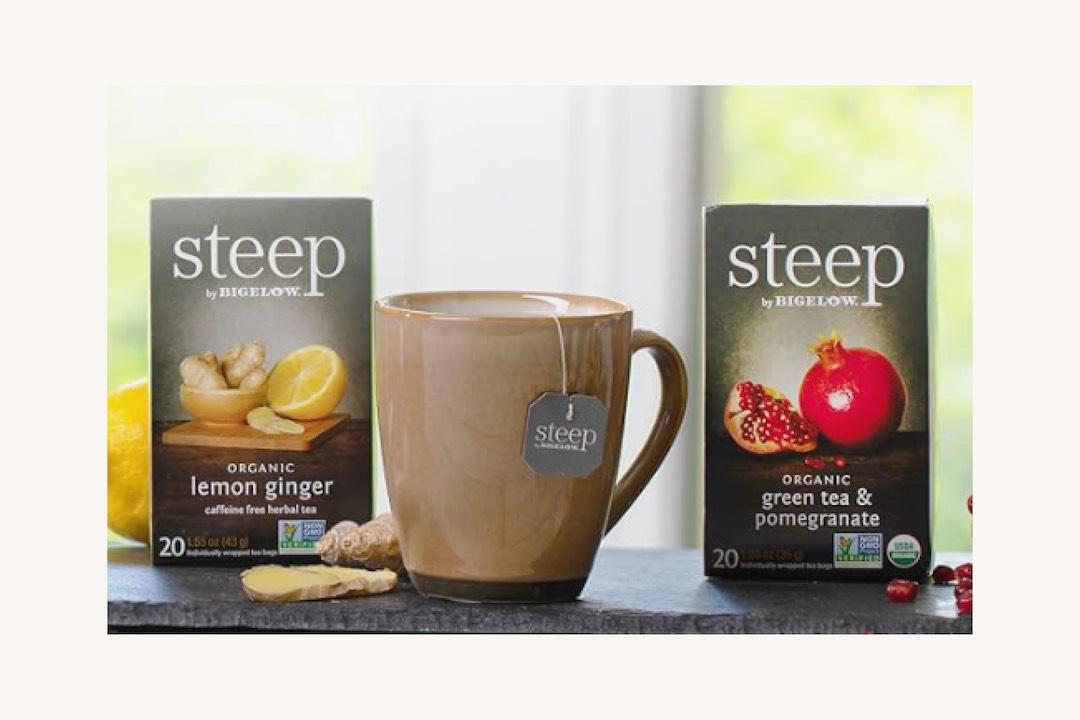
Looking for plastic-free tea bags that don't cost an arm and a leg? Steep by Bigelow’s organic line makes it easy to go plastic-free without spending a fortune. You get a well-rounded selection, from calming herbal blends to rich black teas and fresh, clean green varieties at a price that’s hard to beat.
Made from plant-based fibers, these tea bags are machine folded and sealed without adhesives. And instead of using chlorine, Steep by Bigelow uses oxygen and peroxide to clean the tea-bag fibers.
An independent study focused primarily on PFAS and other contaminants and classified Bigelow’s plastic‑free bags among its safer choices, but did not directly measure microplastic shedding.
Better Tea Bags Made From Plant-Based Fibers (Still Safe)
Pukka - Best Organic Tea for a Spa-Like Calm at Home*
Best For: Moments of Calm
Certifications: Soil Association Organic, FairWild, Fair for Life
Tea Bag Material: Wood Pulp, Abacá Fiber, Plant Cellulose Fibers
Pricing: $38.89 - $76.32 (120 sachets)
Why We Like It:
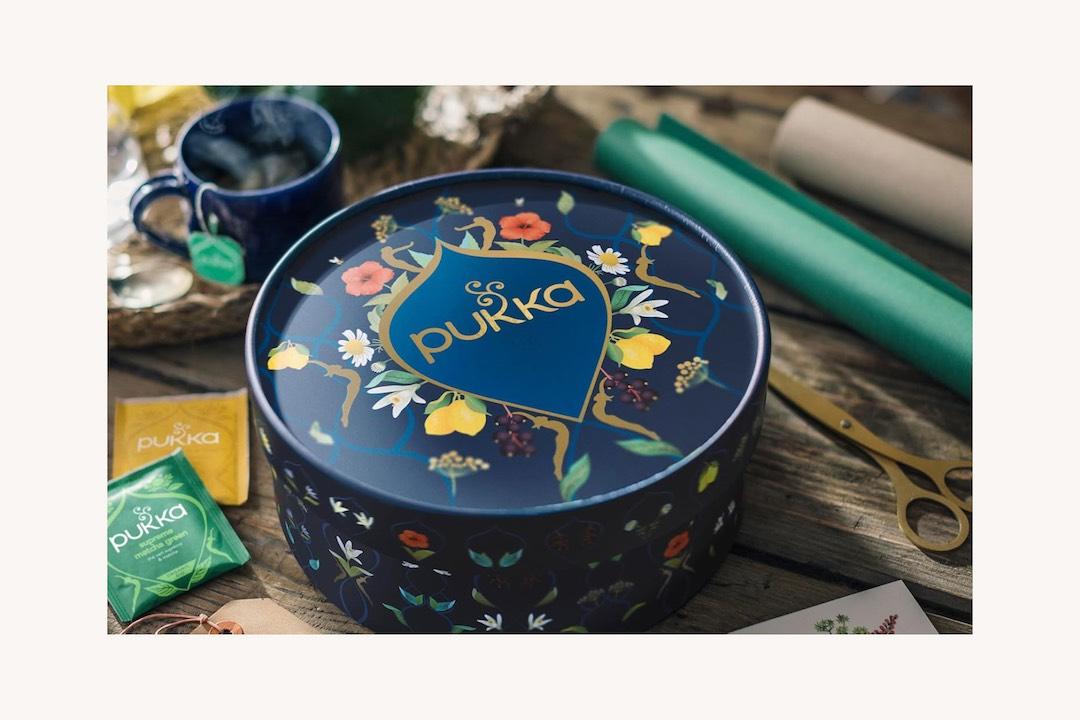
Pukka tea bags are carefully made to delight your senses and bring a sense of calm. The subtle herbal flavors and delightful aromas make each cup feel like a calming wellness ritual.
You can fully enjoy your tea break, knowing it stays free from plastic contamination. Pukka uses plant-based fibers and a simple organic cotton stitch, sealed with a clever fold so no plastic is needed.
Why Better? While there’s no independent testing confirming the absence of microplastic release, the brand uses plant-based fibers and is recommended by the Center for Environmental Health.
Yogi Tea - Best Rich, Full-bodied Organic Tea*
Best For: Bold, Warming Flavor
Certifications: B Corp, USDA Organic, Non-GMO Project Verified
Tea Bag Material: Wood Pulp & Abacá Fiber
Pricing: $26.76 (96 tea bags)
Why We Like It:
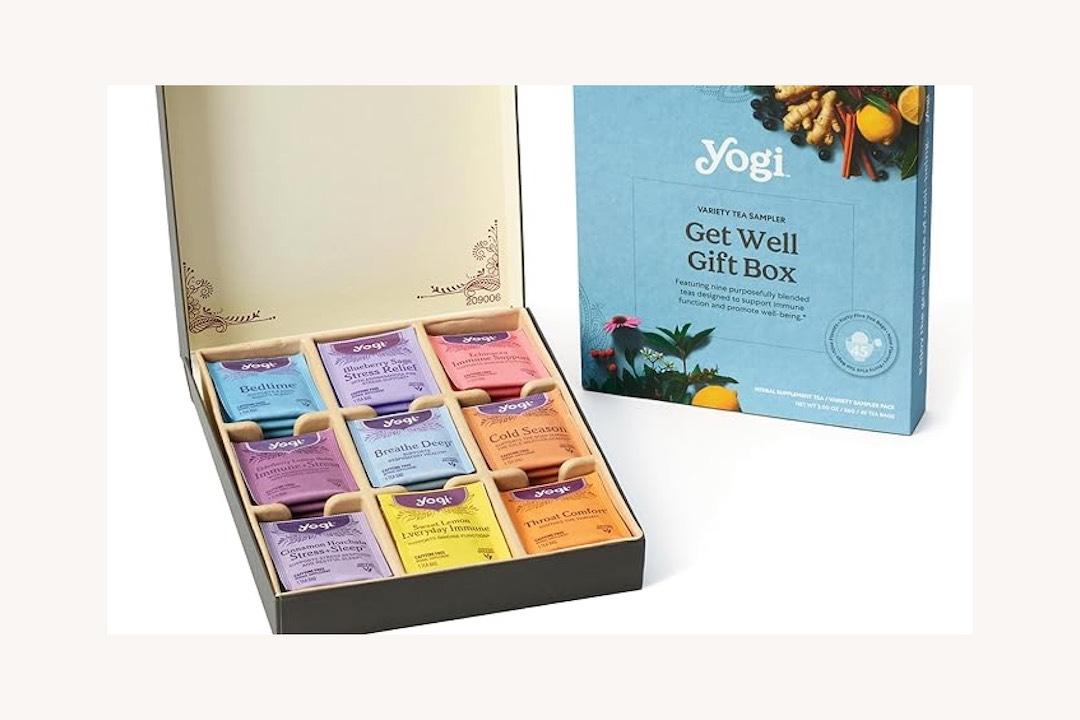
If you prefer teas with a more robust flavor, you'll love Yogi's strong, spice-forward blends. Signature ingredients like ginger, cinnamon, and cardamom give these herbal infusions a richer, sweeter taste.
These plastic-free tea bags are secured with an organic cotton string and come with an FSC-certified paper tag. Additionally, Yogi’s teas are completely free of gluten and all nine FDA-recognized allergens, including peanuts and soy.
Why Better? While independent testing hasn’t confirmed they’re microplastic-free, these bags are made from plant-based fibers and recommended by the Center for Environmental Health.
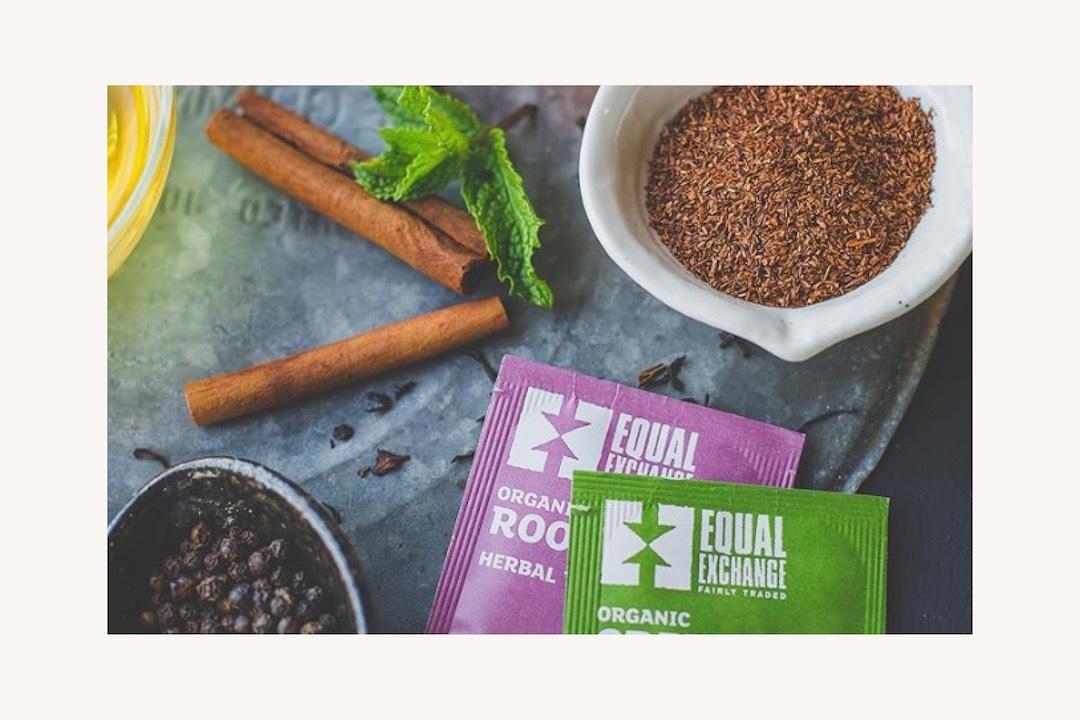
Equal Exchange - Best Fair Trade Black and Green Teas*
Best For: Ethical, Fair Trade Tea
Certifications: USDA Organic
Tea Bag Material: Abacá Fiber
Pricing: $23.40 (120 tea bags)
Why We Like It:
Equal Exchange's green and black teas are one of the best teas you'll try. But what makes this brand truly stand out is how it ensures small farmers are paid and treated fairly. Its green tea is grassy and fresh without being bitter, while its black tea is bold and robust.
This brand crafts its tea bags from abacá fibers and uses cotton strings to keep them neatly together. Additionally, these bags are unbleached and come with a paper tag printed with vegetable-based ink.
Why Better? Though independent testing hasn’t confirmed they’re microplastic-free, these bags use plant-based fibers and come from a brand committed to ethical practices.
A Closer Look at the Chemicals in Some Teabags
While microplastics in tea bags often grab the headlines, a few harmful chemicals could also be making their way into your cup. Here’s a look at the chemicals that could leach from conventional tea bags:
-
Bisphenol A (BPA) - A chemical that's commonly used in certain plastics. When hot water comes into contact with tea bags that contain BPA, it could leach into your beverage. This endocrine disruptor may increase blood pressure, type 2 diabetes, and cardiovascular disease.
-
Phthalates - Plasticizers like DEHP and DiBP have been detected in teabags and tea beverages, likely originating from plastics used in packaging or processing equipment, and have been linked to hormone disruption, fertility issues, and metabolic disease.
-
Pesticides - Some tea brands contain high levels of pesticide residues. These toxic chemicals have been associated with cancer risk and neurological issues.
-
Epichlorohydrin - This chemical is often used in paper tea bags to keep them from falling apart when exposed to hot water. Epichlorohydrin has been classified as a probable human carcinogen.
-
Artificial Flavoring - These are synthetic compounds that replicate specific tastes or aromas. That said, there's growing concern about their potential health impacts.
-
Chlorine - Some tea bags are bleached or cleaned with chlorine-based processes; the main concern is not chlorine itself but chlorination by-products, some of which have been linked to increased risks of bladder and colorectal cancer and other health effects at sufficient exposure levels.
Want to avoid microplastics and these chemicals in your tea? Check out our top tips below!
How to Avoid Microplastics in Your Cup of Tea?
Keeping your tea clean doesn’t have to be complicated. Follow these simple tips to enjoy a safer, plastic-free cup every time:
-
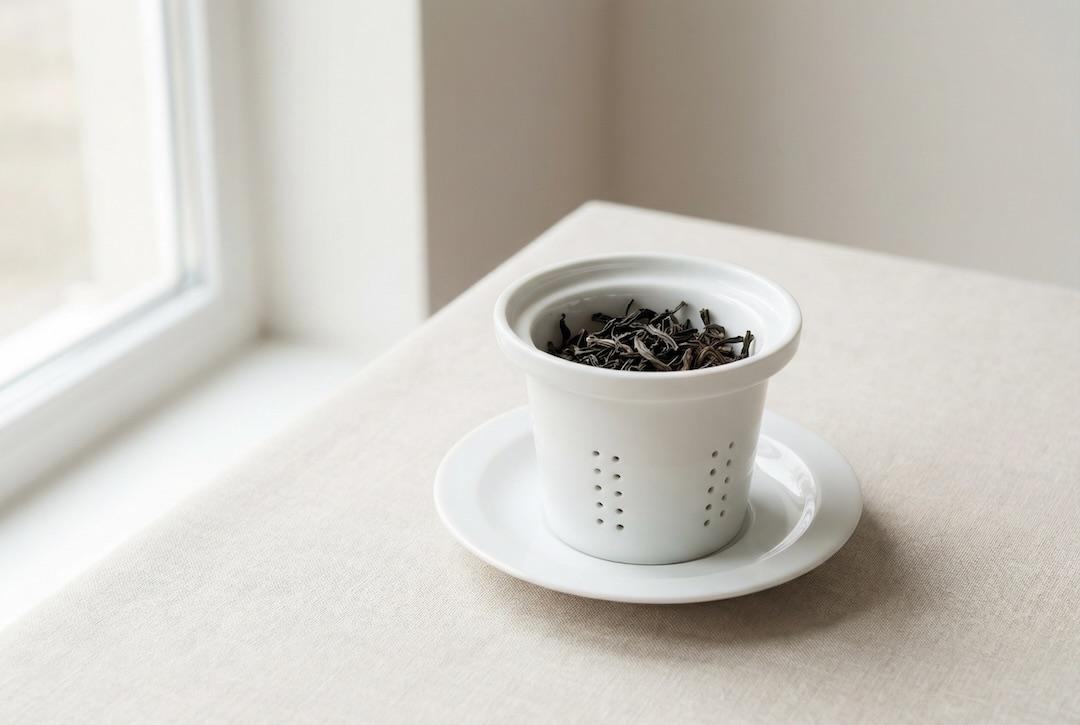
Loose-leaf tea: The simplest way to cut down on microplastic exposure is to go for loose-leaf tea with a stainless-steel infuser.
-
Natural materials: If you prefer tea bags, ensure the bag material is made from plant-based materials like wood pulp and abacá fiber. Similarly, make sure to avoid pyramid bags as these are often made from nylon, PET, or polypropylene.
-
Biodegradable labels: Many biodegradable tea bags are made from PLA, which can still release microplastics. Choose tea bags made from plant-based fibers instead of biodegradable plastics.
-
Transparent brands: Go for tea brands that clearly state they don’t use plastic-based adhesives, chlorine, epichlorohydrin, or other harmful chemicals in their bags.
-
Third-party certifications: Prefer brands that hold trustworthy certifications, like USDA Organic, Non-GMO Project Verified, and Soil Association Organic.
To ensure food safety and reduce microplastic exposure in your life, you could also avoid plastic food packaging and use alternatives like glass, stainless steel, or paper.
Key Takeaways
-
Microplastics in tea bags are real: Some tea bags can release billions of microplastic and nanoplastic particles, especially plastic bags, bags with plastic adhesives, and biodegradable PLA or plastic‑cellulose composite bags.
-
Potential long-term effects: Early research suggests microplastics could disrupt the gut barrier, trigger inflammation, and possibly damage DNA, but most evidence comes from cell and animal studies; more human research is needed.
-
Safer tea bag options exist: Some brands use plant-based fibers and avoid plastics, adhesives, and harmful chemicals, offering a safer cup of tea compared with conventional plastic or plastic‑sealed bags.
-
Check labels and certifications: Look for clear statements on plastic-free materials and trustworthy certifications like USDA Organic or Non-GMO Project Verified, and verify up‑to‑date packaging details on the brand’s own site.
FAQs to Microplastics in Tea Bags
Why is there plastic in tea bags?
A few reasons: Manufacturers add plastic mainly to make bags strong enough to survive boiling water and to heat‑seal them shut. Many “normal” paper tea bags are reinforced or sealed with polypropylene, while some “silky” pyramid bags are made almost entirely from plastics like nylon or PET. Newer “plastic‑free” bags often use polylactic acid (PLA), a plant‑based bioplastic that still behaves like plastic even if it’s industrially compostable, not home‑compostable. Studies have shown that fully plastic bags (e.g., nylon or PET pyramids) can shed on the order of 11.6 billion microplastic and 3.1 billion nanoplastic particles into a single cup of hot tea
Should you stop drinking tea because of microplastics?
Current toxicology bodies do not say you need to quit tea; they say the measured exposures from tea bags appear very small and are unlikely to pose an acute health risk based on what we know now. At the same time, microplastics are now found in many foods, drinking water, air, and human tissues, and some reviews link micro‑ and nanoplastics to inflammation, endocrine disruption, and other potential long‑term effects in lab and animal studies, though human data are still limited and evolving. A cautious but balanced approach is to keep drinking tea if you enjoy it, while choosing lower‑plastic options (loose leaf, genuinely plastic‑free bags) to reduce your overall exposure and environmental footprint without panic.
Which tea doesn't have microplastics?
The option with the strongest evidence for being essentially microplastic‑free is loose tea leaves brewed without any plastic components (e.g., loose leaves in a stainless steel, glass, or ceramic infuser or teapot). Among bagged teas, brands that use plastic‑free paper (or abaca/cotton) bags that are stitched or stapled rather than heat‑sealed, and that explicitly state “no plastic / home‑compostable,” are your best bet, though independent testing is limited. Investigations by NGOs and consumer groups repeatedly name brands such as Pukka, Numi, Traditional Medicinals, Yogi, Stash, and several smaller organic labels as using plastic‑free or home‑compostable bags, but you should still verify current packaging claims because formulations change over time and across regions.
How to drink tea without microplastics?
The most robust strategy is to switch from tea bags to loose‑leaf tea and brew it in a stainless steel, glass, or ceramic infuser, strainer, or teapot—this removes the tea bag as a plastic source altogether. Buy tea in tins or paper/bulk packaging rather than plastic sachets, and avoid plastic kettles or plastic‑lined travel mugs, which can also shed microplastics when exposed to hot liquids. If you still want the convenience of a “bag,” you can fill reusable cotton or uncoated paper filters with loose tea, making sure they’re genuinely plastic‑free and, ideally, certified home‑compostable. Combining loose‑leaf tea with filtered drinking water further reduces your overall microplastic exposure from each cup.
*Advertisement: This article contains affiliate links marked with*. If you make a purchase through these links, we may earn a small commission at no additional cost to you.
The information provided is for educational and informational purposes only and is not intended as medical advice. It should not replace consultation with your physician or qualified healthcare provider. This article was created with the assistance of AI tools and has been editorially reviewed and approved by our team. All opinions expressed are our own.
Cristina Solis

Cristina Solis is a passionate environmental engineer and sustainability consultant who enjoys educating conscious consumers and helping businesses make a positive impact on our planet. Her expert insights on environmental topics have been featured in esteemed media outlets, including Forbes, American Recycler, Green Living Magazine, and Homes & Garden. When she's not working, she loves connecting with nature and spending time with her family.






Leave a comment