
Table of Contents
Mold in Coffee: Mycotoxins Explained + How to Lower Risk
This page may contain affiliate links. We may earn a commission on purchases, at no additional cost to you. Learn more →
I drink coffee every single morning. About 66% of Americans do the same — it's one of our most universal rituals. So when I stumbled across headlines about mold in coffee — about hidden toxins, about fungi lurking in every cup — I felt quite shocked... and overwhelmed.
But here's what I've learned: the truth is more nuanced than either the fear-driven headlines or the dismissive "it's fine" crowd will tell you.
This article gives you the honest, evidence-based picture — so you can keep drinking coffee with clarity, not anxiety. Because when you love coffee the way I do, you want facts — not fear.
Key Takeaways
-
Mycotoxins are natural toxins from certain fungi that can occur on coffee beans, especially under warm, humid conditions during harvesting and storage.
-
Ochratoxin A (OTA) is the most discussed safety concern. Animal data shows kidney damage potential, but the risk to humans at typical exposure remains debated.
-
Roasting reduces OTA in most studies (often 69–96%), but results vary by setting. Claiming zero risk after heat treatment is not honest.
-
Real exposure is controlled upstream — through proper drying, humidity control, and storage. The Codex Code of Practice sets target levels for prevention.
-
"Mold-tested coffee" claims deserve scrutiny. Some are backed by testing. Many are just marketing.
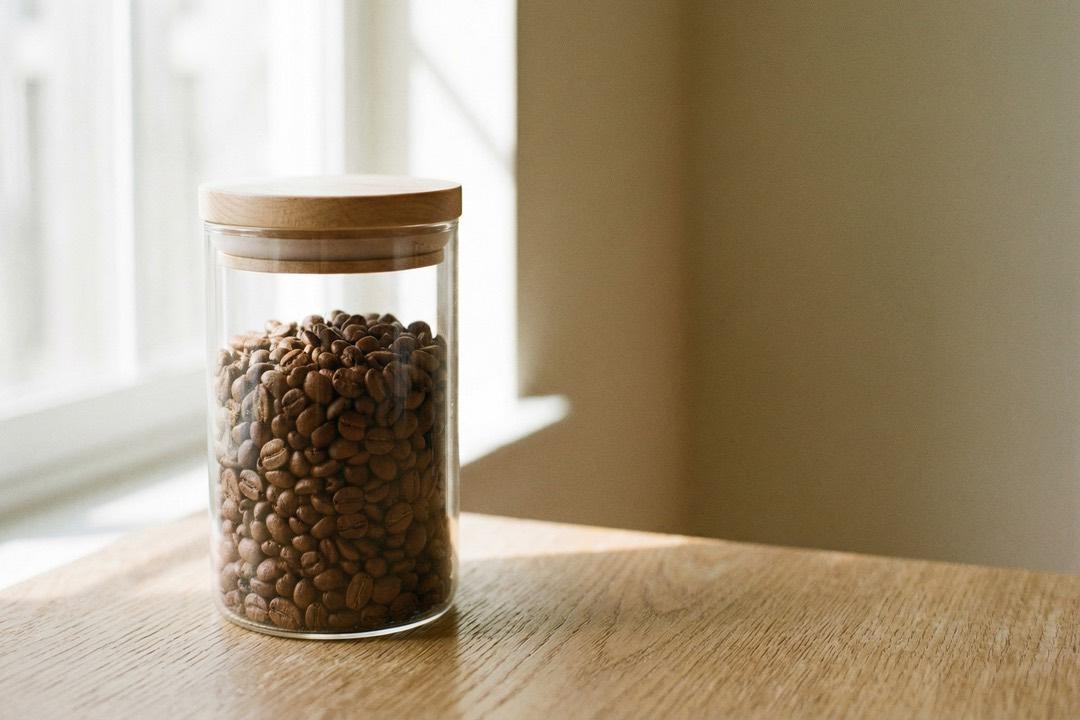
Quick Answer: Is There Really Mold in Your Coffee?
Yes — coffee, like many agricultural crops, can be affected by fungi during growth, harvesting, and storage. But the concern isn't about visible mold growing on your roasted coffee samples. It's about OTA — a mycotoxin produced by common fungi — and whether the amounts you consume pose a genuine health risk.
The FDA lists coffee as susceptible to these contamination risks and describes ongoing monitoring programs. As a consumer, you generally cannot detect their presence yourself — the safety measures happen upstream, long before beans reach your kitchen.
Should you be worried? Not panicked. But interested? Absolutely. Your morning cup carries real health benefits — including valuable nutrients — and understanding the contaminated bean issue helps you protect those benefits.
Mold vs. Mycotoxins: What Most People Confuse
This is where confusion starts — and where fear-based content gets its power. The word "mold" triggers thoughts of damp basements. But when we talk about mold in coffee, we're talking about two very different things.
Mold as an Environmental Concern
The CDC explains that mold is everywhere. It grows with dampness and is present in nearly every environment. For most humans, casual contact is uncommon as a serious health trigger. But indoor mold can make you sick. This is not the same concern as what's happening with coffee beans.
The Actual Concern: Toxic Compounds in Your Beans
These toxic compounds are the real focus. According to the WHO, mycotoxins are naturally occurring toxins that certain molds produce and that can contaminate agricultural crops and food products — including coffee, grains, nuts, dried fruit, wheat, and spices. They're chemically stable, meaning they can survive various stages of processing and preparation.
The ones most commonly produced in coffee are ochratoxin A (OTA) and aflatoxins, from fungi of the genera Aspergillus and Penicillium. They develop when conditions — especially dampness and temperature — favor fungal development on the beans.
I've written before about hidden toxins in everyday products, and this follows a similar pattern. It's low-level, chronic, and driven by factors most of us never see.
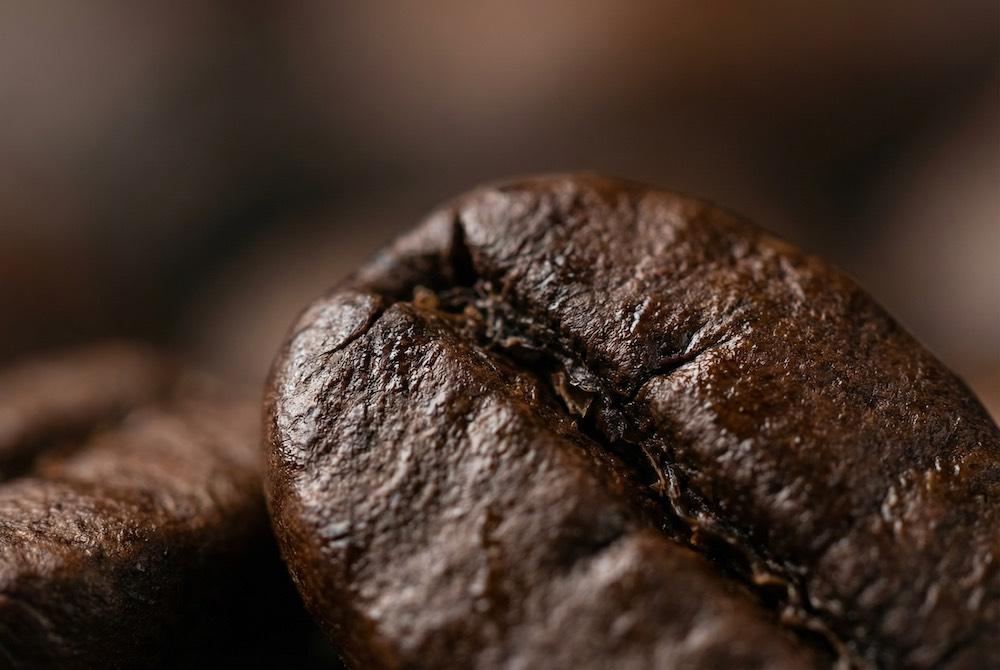
Which Toxins Matter in Coffee?
Ochratoxin A (OTA)
OTA is a toxin produced by Aspergillus and Penicillium fungi that researchers focus on most in the context of coffee. It has also been detected in grains, wine, and other beverages.
The IARC classifies OTA as a possible human carcinogen. Animal studies show it can cause kidney damage and carcinogenic effects. But the evidence for direct human impact at typical consumption levels remains debated.
A FAO compilation on OTA in coffee analyzed 625 green coffee beans samples and found an average OTA level of 1.6 ppb. Over 85% fell in the lowest detectable range, and only 1–2% showed high contamination. The presence is real — but generally limited.
Aflatoxins
Aflatoxins are another group produced by certain Aspergillus fungi. They're more commonly associated with peanuts, corn, and rice, but can also appear in coffee. The WHO identifies aflatoxins as capable of damaging DNA, with evidence linking them to liver cancer in humans with repeated high-level consumption.
The FDA monitors aflatoxins across many categories and sets action levels. For coffee, the concern is lower than for grains and nuts — but it's part of why quality control at every step matters.
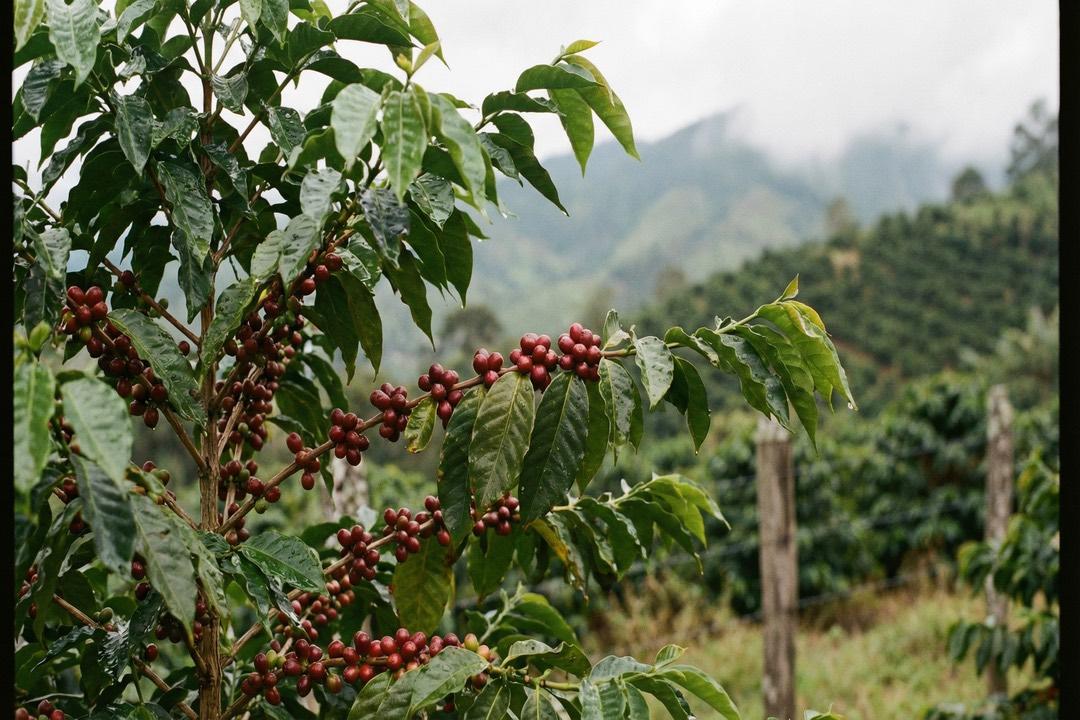
How Do These Contaminants Get Into Coffee Beans?
Harvesting, Drying, and Moisture
Coffee is a tropical fruit, grown in warm, humid countries where fungi thrive. The single most critical risk factor? Water content. The Codex Code of Practice CXC 69-2009 specifies that green coffee beans should be dried to a maximum of 12.5% to avoid mold growth and OTA production. Caffeine in the beans offers some natural protection, but it's not enough to compensate for poor drying.
If beans aren't dried properly after harvesting, or if they're sitting in humid conditions for several days, fungal development starts — and the molds can produce mycotoxins as a byproduct. One study found over 90% of green coffee beans from Brazil were contaminated with mold, though only about a third showed low OTA levels.
Storage and Transport
Even after proper drying, risk persists. Storing coffee in damp conditions or on concrete floors can reintroduce humidity. The Codex Code specifically emphasizes storage as a critical control point.
Coffea arabica — the species specialty coffee lovers prefer — is generally grown at higher altitudes with cooler temperatures, which can reduce mold risk. But the handling after harvest matters more than the species.
Does Roasting Kill These Toxins?
This is the question I see everywhere. The answer involves more nuance than half the articles online will admit.
Studies Showing Strong Reduction
A widely cited study in the Journal of Agricultural and Food Chemistry (van der Stegen, 2001) reported that the roasting process reduced OTA significantly, with the literature showing a range of 69–96% reduction. A 2003 study (Romani et al.) found espresso-suitable parameters achieved over 90% OTA reduction in roasted coffee samples.
Another study on an industrial soluble-coffee line (1998) found the final product retained only about 16% of the original OTA — meaning roughly 84% was eliminated through combined heat treatment and the brewing process.
These numbers are encouraging. Coffee's health benefits — liver support, cognitive performance via caffeine, and nutrients like polyphenol antioxidants naturally produced during roasting — generally outweigh the limited toxin concern from a typical drink. Half the battle is choosing quality beans.
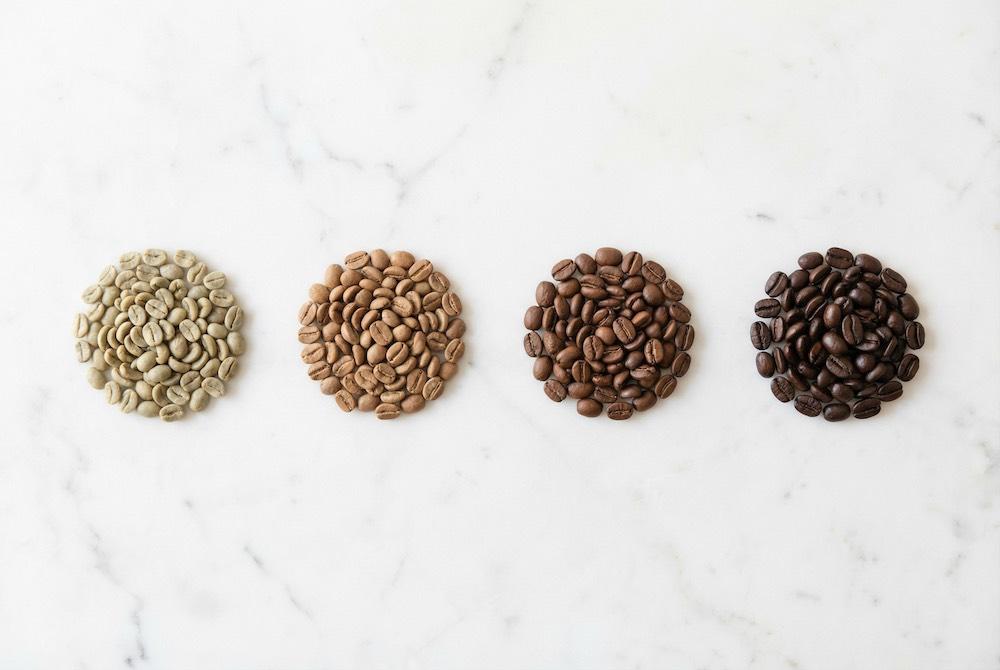
Why It's Not That Simple
A 1987 study (Tsubouchi et al.) found much lower OTA reduction under specific conditions — and noted that OTA transferred into the liquid during brewing.
The WHO emphasizes that many of these toxins are chemically stable and can survive preparation.
So the honest answer: heat treatment often reduces contamination substantially, but not to zero.
If someone tells you "roasting destroys everything" — that's oversimplifying.
"Mold-Tested" Coffee: Marketing or Substance?
If you've searched for moldy coffee solutions, you've seen the ads: "tested," "toxin-tested," "the cleanest cup on earth." I felt the pull myself — when you love coffee and hear about contamination, you want the version that's been verified.
But here's what I've learned: the FDA describes official LC-MS/MS testing methods that detect trace contamination. That's the gold standard.
So when a brand says "tested," ask: by whom? Using what method? Are results published?
Some brands do this well. Others use "mold-tested" without transparent evidence. It's the same greenwashing pattern I've seen across categories — from PFAS-tested clothing to clean beauty to organic beverages. The claim is only as good as the safety testing behind it.
If you're interested in brands that have been lab-tested, I did a deep dive into the best mold-free coffee brands with details on sourcing and testing transparency.

How to Reduce Your Real Exposure
Here's what I wish someone had told me when I first went down this rabbit hole. You can minimize risk without overhauling everything.
-
Choose specialty-grade coffee. These beans go through stricter quality controls. They're less likely to have defects and the taste, aroma, and quality tend to be noticeably better.
-
Buy organic whole beans. Coffee is one of the most chemically treated crops on earth — up to 250 pounds of chemical fertilizers are sprayed per acre of non-organic coffee, with over 40 pesticides used worldwide. Organic certification means fewer of those chemicals. Buy whole beans and grind right before brewing — pre-ground coffee has more surface area exposed to mold and moisture during sitting on store shelves. You can shop for organic options at most specialty roasters.
-
Store beans in a cool, dry place. Use an airtight container. Avoid refrigeration — temperature shifts create condensation that can encourage mold growth. Consume within a month of purchase to avoid mold growth while beans are sitting on the shelf.
-
Clean your brewing equipment regularly. Rubber gaskets and water reservoirs can trap dampness, creating conditions for mold growing right in your kitchen. Use filtered water when brewing — it reduces contaminants from your tap that could compound what's already in the beans.
-
Trust your senses. Moldy coffee often has a musty aroma or flat taste. You can't detect trace contamination by smell, but a cup that tastes off is worth questioning.
-
Be smart about decaf. Caffeine actually inhibits mold growth, making decaf more susceptible. Research also shows the highest aflatoxin levels are found specifically in decaffeinated coffee. On top of that, conventional decaf is often processed using methylene chloride — a toxic solvent. If you drink decaf, look for Swiss Water Process beans and store them in airtight containers.
What U.S. Regulators Are Doing
The FDA runs a monitoring program using LC-MS/MS multi-analyte methods to test beverages and other categories.
In September 2024, the FDA updated its compliance program — adding T-2 toxin, HT-2 toxin, and zearalenone. As of December 2024, the FDA confirmed sufficient lab capacity for import-related testing under the LAAF program.
Does the U.S. set specific maximum levels for OTA in coffee like the EU does? No. But the monitoring infrastructure is present and expanding.
International Standards That Affect Your Cup
Coffee is among the most globally traded beverages. Beans grown in countries like Brazil, Colombia, and Ethiopia pass through supply chains shaped by international regulations.
The EU Regulation (EU) 2023/915 sets maximum levels for OTA in roasted coffee at 3.0 μg/kg and in soluble (instant) coffee at 5.0 μg/kg. These aren't U.S. law, but producers who export to Europe must meet them — which raises standards across their entire supply chain.
The Codex CXC 69-2009 outlines prevention strategies: target water content of 12.5%, proper drying, and controlled processing conditions. The FDA participates in Codex activities and references these international standards within its own food safety framework.
What You Need to Remember
Mold in coffee is real. The core facts: OTA and other contaminants can occur on coffee beans when humidity isn't managed properly. Roasting reduces them in most tested scenarios. And "mold-tested" claims should be evaluated by the rigor behind them.
What you can control:
-
buy specialty-grade, organic coffee.
-
Store it in an airtight container in a cool, dry place.
-
Clean your brewing equipment.
-
And stay critically interested in what you drink — that's how real exposure gets minimized.
If you're someone who, like me, cares about what goes into your body — from the clothes on your skin to the coffee in your cup — then understanding these risks is just one more piece of conscious, sustainable living. Not a reason for fear. A reason to feel good about building healthier habits one informed choice at a time.
FAQ: Your Questions About Mold in Coffee, Answered
Can coffee mold make you sick?
Yes. Exposure to moldy coffee can cause headaches, brain fog, fatigue, and digestive discomfort. Long-term, high-level contact with toxins like OTA has been linked to kidney damage and carcinogenic effects in animal studies, according to the WHO. For most people drinking coffee in normal amounts, the risk is limited.
How do I know if my coffee is mold free?
You can't detect trace contamination by sight or smell, although musty odors or white spots can signal spoilage. The only reliable confirmation is laboratory testing — ideally LC-MS/MS methods. Look for published third-party results from any brand making health claims about purity.
Does the U.S. regulate mold in coffee?
The FDA monitors these contaminants in domestic and imported beverages using multi-analyte methods. The U.S. doesn't set specific maximum levels for OTA in coffee the way the EU does, but the 2024 compliance program update expanded testing scope considerably.
Which coffee has the least mold?
Specialty-grade coffee with strong quality controls carries the lowest risk. Coffea arabica beans grown at higher altitudes and dried to proper levels are generally less susceptible. See our guide to the best mold-tested coffee brands for tested picks you can shop today.
Does roasting kill mycotoxins?
The roasting process can significantly reduce OTA — studies show reductions of 69–96%. But the WHO notes that these compounds are chemically stable and can survive heat. The reduction depends on temperature, duration, and initial contamination.
What are the symptoms of exposure?
Short-term: nausea, digestive issues, headaches, fatigue. Chronic high-level contact is associated with more serious health risks including liver and kidney harm, immune impairment, and potential carcinogenic effects per the WHO.
Is instant coffee higher in contaminants?
The evidence is mixed. The EU sets a higher OTA limit for soluble coffee (5.0 μg/kg) vs. roasted (3.0 μg/kg), reflecting concentration factors — not necessarily worse raw material.
*Advertisement: This article contains affiliate links marked with*. If you make a purchase through these links, we may earn a small commission at no additional cost to you.
The information provided is for educational and informational purposes only and is not intended as medical advice. It should not replace consultation with your physician or qualified healthcare provider. This article was created with the assistance of AI tools and has been editorially reviewed and approved by our team. All opinions expressed are our own.
Lilija Bairamova

Lilija is the founder of Orbasics, a brand born from her passion for creating a healthier, more sustainable world, starting with organic, toxin-free clothing for children. As a mother committed to a non-toxic lifestyle, Lilija has spent years exploring and embracing clean beauty, non-toxic living, and holistic wellness. She shares her expertise on everything from natural personal care to creating toxin-free home environments, offering practical tips and in-depth guides that empower you to make healthier choices and lead a more mindful, health-conscious life.







Leave a comment