
Table of Contents
Is Recycled Polyester Harmful to Human Health? Safety Facts & Myths
This page may contain affiliate links. We may earn a commission on purchases, at no additional cost to you. Learn more →
When I bought a trendy jacket made from recycled plastic bottles, I felt great about reducing waste. Then a friend asked, "Aren't you worried about chemicals in that?" Suddenly, my eco-friendly choice felt complicated...
You've probably asked yourself the same question. Is recycled polyester harmful to your health? You may have heard mixed messages – some say it's perfectly safe, others claim it leaches toxins or sheds dangerous microfibers. The confusion is real, and it's frustrating when you're trying to make good choices for yourself and make eco-friendly decisions.
The truth? It's somewhere in between – though I'll be honest, the more I researched this topic, the more skeptical I became. Recycled polyester can contain trace chemicals and release microplastics that raise valid health concerns, as revealed in a 2025 study by the Changing Markets Foundation. Your safety depends on factors like quality, origin, certifications, and how you care for these fabrics. Let me help you separate facts from myths so you can make informed decisions about the clothes on your back.
Key Takeaways
-
Same plastic, more problems: Recycled polyester (rPET) textilesare chemically the same PET polymer as virgin polyester clothing. But "recycled" doesn't mean cleaner – in fact, the recycling process can concentrate chemicals. Both types carry additives like antimony or BPA, but recycled versions often have more.
-
Recycled actually means MORE chemicals: A 2024 study published in PubMed found BPA levels almost twice as high in recycled fabrics compared to conventional polyester (13.5 vs 7.7 ng/g). Research published in Data in Brief found 491 different chemicals in recycled plastic pellets – more than in virgin plastic. This was eye-opening for me.
-
Microplastic problem is worse with recycled: Research shows 55% more microplastic fibers released during washing from rPET, and these fibers are ~20% smaller – making them easier to inhale or absorb. A 2025 Rutgers University study found that tiny plastics can amplify toxin absorption by nearly sixfold.
-
Quality and certifications matter – a lot: Well-made polyester with OEKO-TEX® 100 or GRS certification is tested for harmful substances. But fast fashion brands selling recycled polyester, that is cheap and uncertified ? Stay cautious.
-
Parents, please pay attention: Polyester (recycled or not) sheds fibers that babies can inhale or ingest. Particles under 20 µm can be absorbed through the intestinal wall. I personally choose natural fabrics for kids whenever possible.
-
My honest take: Chemically recycled polyester isn't necessary a "toxic waste" garment, but I'm no longer convinced it's as harmless as the marketing suggests. The health risk can be managed with informed choices – but you deserve to know what you're actually getting.

What Exactly Is Recycled Polyester?
Recycled polyester (rPET) is polyester fiber made from recycled plastic sources – usually post-consumer waste plastic bottles, occasionally recycled materials from textile waste. About 5 water bottles can yield enough fiber for a T-shirt, according to the Ecolife Fabric Guide.
Here's what bothered me when I started digging: chemically speaking, recycled polyester is polyethylene terephthalate (PET) – identical to virgin polyester. "Recycled" doesn't mean a different, safer chemical. It's the same plastic, just sourced differently. Most recycled clothing uses mechanical recycling (melting plastic into yarn), while some newer processes use chemical recycling to break down and rebuild the polymer.
The environmental benefits are real: rPET uses approximately 59% less energy than virgin polyester and keeps plastic bottles out of landfills. I appreciate that. But when it comes to personal health, recycled and virgin polyester share the same concerns – and as you'll see, recycled may actually have a few additional problems unique to the recycling process.
How Does Recycled Polyester Compare to Regular (Virgin) Polyester (Health-Wise)?
Chemical Additives in Synthetic Materials
All polyester – virgin or recycled – can contain manufacturing residues. Antimony trioxide is a catalyst used in making PET plastic, and trace amounts remain in fibers. Studies show polyester textiles can contain 100+ mg/kg of antimony, and heat and sweat can leach antimony out of fabric over time.
Here's where recycled polyester gets complicated – and where I started losing trust in the "eco-friendly" narrative. Recycled plastic bottles could introduce contaminants from their past life. A bottle that holds chemicals absorbs them. Greenpeace's "Forever Toxic" report notes that recycled plastics often carry a "toxic cocktail" of absorbed chemicals from their first use. Virgin polyester starts "cleaner" straight from petrochemicals, whereas recycled materials may inherit impurities plus byproducts from re-melting plastic.
The Troubling Truth: Recycled Plastic Contains MORE Chemicals Than Virgin Plastic
This was the finding that really changed my perspective. A 2023 international study published in Data in Brief examined recycled plastic pellets from multiple countries and identified 491 different chemicals present – including not only original additives but also pesticides, pharmaceuticals, and industrial compounds picked up during their life cycle. The researchers found that recycled pellets contained a greater number and higher concentrations of hazardous chemicals than equivalent virgin plastic pellets.
Why does this happen? Because waste plastics from countless sources get mixed together without strict chemical monitoring. The study's authors warned that plastics effectively "act as a Trojan horse, absorbing chemicals in contact with them" – and those compounds later leach out.
This aligns with a 2023 Greenpeace report that concluded: "the toxicity of plastic actually increases with recycling." Recycled plastics showed higher levels of toxic flame retardants, benzene (a carcinogen), dioxins, and endocrine-disrupting chemicals compared to virgin plastic.
Let that sink in. Simply recycling plastic is no panacea – it can actually create products laden with a dangerous mix of legacy chemicals. This isn't what the fashion industry tells us when they market their "sustainable" recycled polyester collections.
Microfiber Shedding
Another uncomfortable finding: recycled polyester sheds microplastics more than virgin fabric. The Changing Markets Foundation 2025 study found rPET fabrics shed ~55% more fibers during washing. The hypothesis? Mechanical recycling shortens fibers, making them more brittle. Notably, one brand's recycled polyester shed 4x more than another's – so quality differences matter, but the overall trend is concerning.
Fashion's recycled polyester drive, promoted by Adidas, H&M, Nike and other major brands, may actually be worsening the microplastic pollution problem rather than solving it. The Changing Markets Foundation calls this a "sustainability fig leaf" – looking green while creating new environmental impact. I think they have a point.

What are The Toxins in Recycled Polyester?
Recycled polyester may contain trace amounts of antimony (a heavy metal catalyst), BPA or BPS (endocrine disruptors), and residual chemicals from its previous life as plastic packaging.
Antimony
Antimony is a heavy metal catalyst classified as a possible carcinogen at high exposure. It doesn't evaporate but can enter sweat. According to Ecocult's investigation, toxicologists note it would take extreme conditions for antimony to reach unsafe levels – 38 days at 150°F for bottled water. Wearing a shirt under normal conditions likely doesn't expose you to acute antimony poisoning. OEKO-TEX sets <30 mg/kg as safe – so certified recycled polyester keeps antimony well below concern levels.
This is one area where I feel somewhat reassured – but only if you're buying certified products.
Bisphenols (BPA, BPS)
This one concerns me more. BPA can be introduced during recycling from source plastic or as an additive. It's a known endocrine disruptor linked to health problems including hormone issues. A California-based investigation by the Center for Environmental Health found BPA in polyester-blend socks from 88 brands, prompting recalls.
The 2024 PubMed study showed that under sweaty conditions, BPA from clothes could exceed tolerable daily intake – particularly concerning for pregnant women or infants. As someone who cares deeply about what touches our skin, this finding stopped me in my tracks.
Phthalates: A Common Misconception
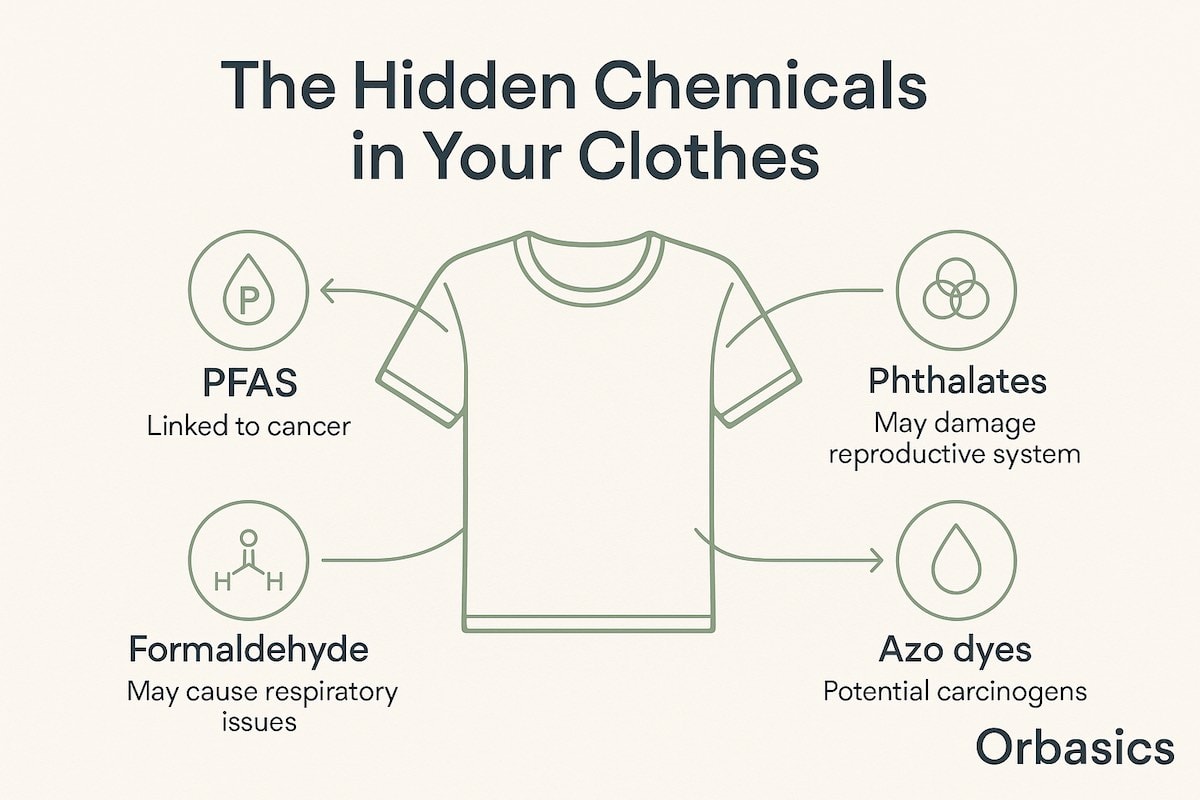
Despite "terephthalate" in PET's name, these are different from hazardous phthalate plasticizers. As Dr. Martin Mulvihill (chemistry PhD) explained in Ecocult, PET's building blocks are not the hormone-disrupting ortho-phthalates. However, phthalates can sneak in via prints, decals, or contamination in recycled feedstock. Recycled plastics have been found with some banned phthalates in Greenpeace studies.
Research has identified up to 491 different chemicals in recycled plastic pellets, including pesticides, pharmaceuticals, and industrial compounds. The levels in finished textiles are typically lower, but this is why certifications matter.
Do Recycled Polyester Clothes Shed More Microplastics – and Should You Worry?
All synthetic fabrics – polyester, nylon – shed tiny fibers during wear and washing. These fibers are microplastics if under 5mm. Polyester has been identified as a major contributor: polyester microfibers make up 73% of microplastics in Arctic water samples, and an estimated 35% of ocean microplastics come from synthetic fibers.
The Changing Markets 2025 study confirmed that recycled polyester garments released 55% more microplastic pollution particles during a single laundry cycle. The fibers from recycled cloth were also ~20% smaller diameter – and smaller fibers can penetrate filters and human tissues more easily. This is the hidden trade-off nobody talks about.
Why Smaller Microplastics Are More Dangerous
Research published in Carbon Research shows that microplastic uptake in the gut depends strongly on particle size: particles larger than about 150 µm are essentially not absorbed at all, whereas particles under roughly 20 µm can be absorbed through the intestinal wall. Tiny microplastics and nanoplastics (under 5–10 µm) can bypass protective barriers and even infiltrate living cells.
This is why the 20% smaller fibers from recycled polyester worry me. The consensus from 2024–2025 research is that microplastics in the single-digit micrometer range are the most concerning for absorption – these ultrafine particles can penetrate deeply into organs and cross into the bloodstream. A 2022 study reported in The Guardian found microplastics in the bloodstream of 80% of tested volunteers, with particles as small as ~0.7 µm present.
The "Trojan Horse" Effect: Microplastics Amplify Toxin Absorption
This is the finding that truly alarmed me. A groundbreaking 2025 study from Rutgers University revealed a dangerous synergy: when human intestinal cells were exposed to nano-scale plastic particles together with common pollutants (like arsenic or pesticides), the cells absorbed far more toxins than they would have alone.
The numbers are staggering: nanoscale plastics caused a nearly sixfold increase in arsenic uptake by intestinal tissue compared to arsenic exposure without plastics. And it works both ways – the presence of pollutants doubled the absorption of plastic particles into gut cells.
The presence of these tiny plastic particles makes our bodies more likely to also absorb both those toxins and the plastics themselves. This creates a dangerous cycle of co-exposure that scientists call "polycontamination."
What does this mean for recycled polyester? The smaller fibers it sheds, combined with the higher chemical load it carries, could create a perfect storm – microplastics acting as vehicles that ferry attached chemicals deeper into your body.
Human Exposure Routes
Microfibers aren't just an ocean issue – they're in household dust and air. When you wear or wash polyester clothing, fibers become airborne and can be inhaled. According to Pure Earth Collection, babies crawling on polyester carpets or wearing fleece can ingest or inhale these particles. Microplastics have been found lodged deep in human lungs and detected in numerous human organs – including placental tissue.
Early research links microplastic exposure to inflammation, oxidative stress, and hormone disruption. One striking finding: polyester underwear in a study acted as an effective contraceptive by reducing sperm count in men. While such extreme outcomes aren't common, they underscore that synthetic clothing might influence the body in ways we're only beginning to understand.
Is Recycled Polyester Safe for Everyone? Children, Pregnancy, Sensitive Users
Babies and Children
This is where you shoul become most protective. Infants are more vulnerable to toxins due to their developing systems and tendency to mouth fabrics. Polyester plush toys, fleece baby blankets, and sample clothing will shed fibers babies can ingest or breathe.
The size issue is critical: particles under 20 µm can pass through the intestinal wall, and babies' developing bodies may be less equipped to handle this exposure. While there's no immediate poisoning, these exposures aren't fully understood.
I personally choose natural fabrics whenever possible. If you do use recycled polyester garments for kids, ensure they're from reputable clothing brands meeting safety standards and launder before first use.
I'd especially be cautious with sleepwear and anything that contacts skin or gets chewed.
Pregnant Women
During pregnancy, concerns about endocrine disruptors like BPA are valid. The 2025 Rutgers findings about microplastics amplifying toxin absorption add another layer of concern – though the main BPA sources remain food packaging and receipts, not clothing. Still, expecting moms can take simple precautions: wear a cotton layer underneath synthetic materials in workout clothes to reduce direct sweat contact.
Tips for Safer Use of Recycled Polyester Clothing
If you want to reduce synthetics in future purchases, browse our organic clothing and organic cotton tops for natural-fiber alternatives.
If you already own recycled polyester or choose to buy it, here's how to minimize potential risks:
-
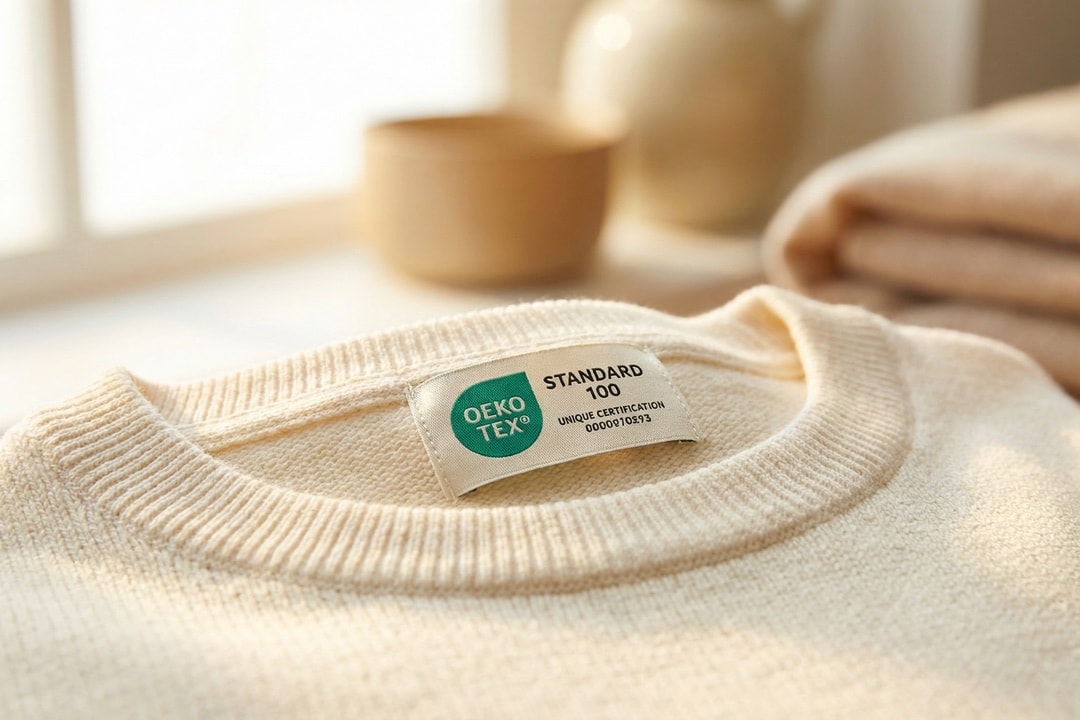
Choose Certified Products: Look for OEKO-TEX® Standard 100 labels or bluesign® approved fabrics. GRS (Global Recycled Standard) verifies recycled content and restricts harmful additives. This is non-negotiable for me.
-
Wash Before Wearing: Give new clothing a wash with mild detergent before first wear. Studies show washing can significantly reduce residual chemicals.
-
Smart Laundry Habits: Use cold water and gentle cycles – less fiber release and less degradation. Avoid fabric softeners with synthetic fabrics.
-
Capture Microfibers: Use a microfiber laundry bag (like Guppyfriend) to trap fibers. Clean your dryer's lint trap regularly to reduce pollution and help wastewater treatment plants. Given the Rutgers findings on how microplastics amplify toxin absorption, reducing fiber release is more important than ever.
-
Layer Up: Wear a thin cotton underlayer beneath recycled polyester athletic gear or fleece to minimize direct skin contact.
-
Consider Alternatives for Close Contact: For underwear, bed sheets, and items worn for long hours against skin, I strongly recommend natural fiber alternatives like recycled cotton or organic cotton. You can still be eco-friendly while prioritizing personal health.
My Honest Take on Recycled Polyester
After all this research, here's where I land: recycled polyester is a valuable innovation for sustainability – it reduces plastic waste and carbon footprint. But I'm no longer willing to assume it's harmless just because it's marketed as "eco-friendly."
The latest science paints a clearer – and more troubling – picture than we had even a year ago. We now know that recycled plastics can contain more chemicals than virgin plastic, that smaller microfibers penetrate the body more easily, and that microplastics can amplify toxin absorption by nearly sixfold. These aren't reasons to panic, but they are reasons to be thoughtful and skeptical of greenwashing claims.
Context matters: occasional wear versus constant use, certified high-quality versus cheap fast-fashion recycled poly with more contaminants. The environmental benefits of recycled polyester are real – but your health decisions deserve equal consideration.
I still have my jacket – but now I wash it in a Guppyfriend bag, wear it over long sleeves, and I choose organic cotton and natural materials for my clothing.
By staying informed and making smart choices about new clothing, you can enjoy sustainable materials safely – keeping both your family and the Earth a little healthier. Compare brands, check for certifications, and don't be afraid to ask questions about what's in your t-shirts, shorts sold at your favorite stores.
FAQ: Frequently Asked Questions if Recycled Polyester is Harmful
Is recycled polyester healthy to wear?
It's generally considered safe to wear under normal conditions, but "safe" is relative. Recycled polyester is made from the same PET plastic as regular polyester – however, studies show recycled versions often contain higher levels of certain chemicals like BPA. I recommend choosing certified products and being mindful of exposure, especially for children
Is there BPA in recycled polyester?
Yes, some recycled polyester contains trace BPA. A 2024 study found median BPA levels of 13.5 ng/g in recycled textiles – almost twice as high as in conventional polyester. This BPA is absorbed from recycled plastic feedstock. OEKO-TEX certified products ban BPA use in baby textiles – another reason I insist on certifications.
What is the unhealthiest fabric to wear?
There's no single "unhealthiest" fabric, but synthetic fabrics treated with formaldehyde, flame retardants, or PFAS chemicals raise the most concerns. Cheap, uncertified synthetic materials from fast fashion may contain more problematic additives than natural or certified options. I'm particularly wary of anything without clear certification.
Does recycled polyester leach microplastics?
Yes, and more than virgin polyester. Research shows recycled polyester sheds about 55% more microplastic fibers during washing. These fibers are also ~20% smaller, making them potentially more hazardous – particles under 20 µm can be absorbed through the intestinal wall. Use a microfiber washing bag.
What are the disadvantages of recycled polyester fabric?
The key disadvantages include higher microfiber shedding, potential chemical contamination from recycled feedstock (research shows recycled plastic contains more chemicals than virgin plastic), no true closed loop system (bottles become clothing but clothing rarely gets recycled), and contributing to microplastic pollution. The textile recycling infrastructure remains limited.
*Advertisement: This article contains affiliate links marked with*. If you make a purchase through these links, we may earn a small commission at no additional cost to you.
The information provided is for educational and informational purposes only and is not intended as medical advice. It should not replace consultation with your physician or qualified healthcare provider. This article was created with the assistance of AI tools and has been editorially reviewed and approved by our team. All opinions expressed are our own.
Lilija Bairamova

Lilija is the founder of Orbasics, a brand born from her passion for creating a healthier, more sustainable world, starting with organic, toxin-free clothing for children. As a mother committed to a non-toxic lifestyle, Lilija has spent years exploring and embracing clean beauty, non-toxic living, and holistic wellness. She shares her expertise on everything from natural personal care to creating toxin-free home environments, offering practical tips and in-depth guides that empower you to make healthier choices and lead a more mindful, health-conscious life.









1 comment
Straight up truth and facts, no BS… exactly the answer i was looking for. Thank you!
Adam
Leave a comment