
Article: Non-Toxic Clothing in 2026: How to Detox Your Wardrobe
Table of Contents
Non-Toxic Clothing in 2026: How to Detox Your Wardrobe
This page may contain affiliate links. We may earn a commission on purchases, at no additional cost to you. Learn more →
The first time I really read a clothing label, I was holding a beatiful top in a store. It said "100% cotton." But I realized that label told me almost nothing about what mattered.
It didn't say how the cotton was grown, what it was dyed with, or whether it had been finished to resist wrinkles or water.
That gap is the whole problem with shopping for non toxic clothing: the things most likely to touch your skin all day are the things your label stays quiet about.
PFAS, formaldehyde finishes, problematic dyes, heavy metals, the hidden toxins of fast fashion — none of it is required on a U.S. tag. So you're left trusting a word.
This guide gives you something better than a word: a buying logic for non toxic clothing you can use every time you shop.
Key takeaways: what to avoid, what to choose, where to start
Your clothes touch your skin all day — but the label hides the choices that matter most.
-
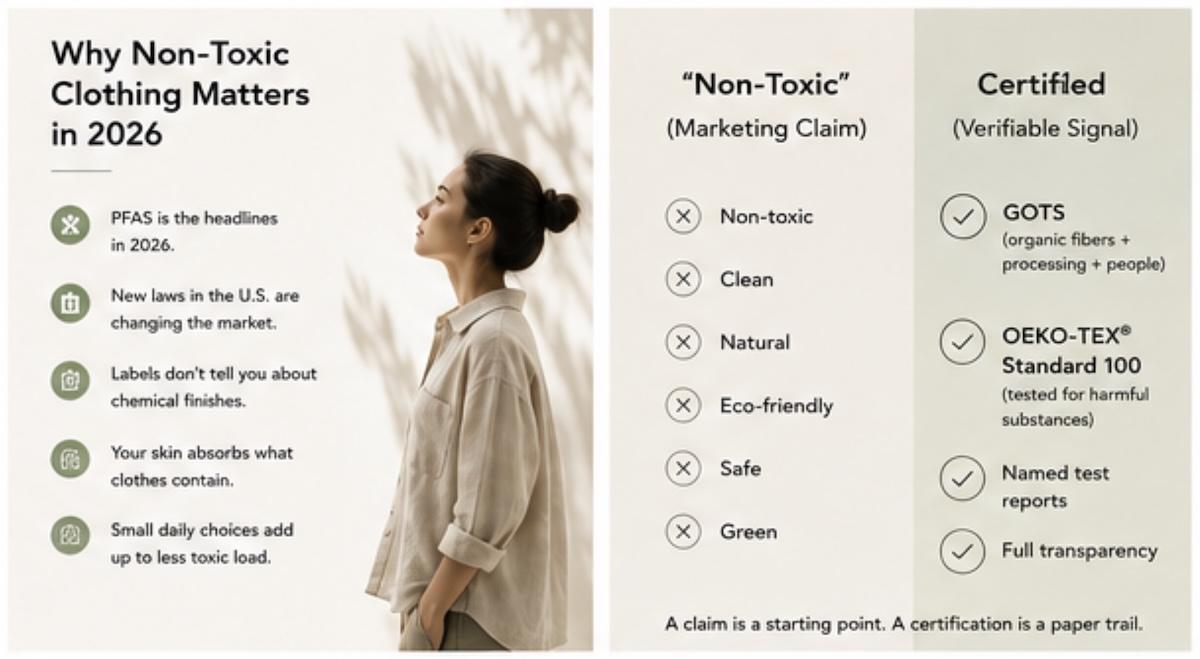
What to avoid: "Performance," water-resistant, stain-resistant, and wrinkle-free finishes often mean PFAS ("forever chemicals"), formaldehyde, or problematic dyes — and a U.S. label doesn't have to disclose any of it.
-
What to choose: Certified organic natural fibers — organic cotton, linen, hemp, wool — breathe better and rarely hide chemical finishes, especially with a GOTS or OEKO-TEX label.
-
Where to start: Swap the pieces closest to your skin first — underwear, sleepwear, activewear, kids' clothes — trust certifications over marketing words, and wash new clothes before you wear them.
-
The best buying tool isn't a single fiber. It's a combination: use case + red-flag claims + a real certification + brand transparency.
Why Non-Toxic Clothing Is a Different Conversation Now
For years, "non-toxic" basically meant "organic." That's still a good instinct. But non toxic clothing in 2026 is a bigger conversation than fiber, and here's why.
The center of gravity has moved to PFAS — chemicals used to make fabric repel water, oil, and stains. They're called forever chemicals because they barely break down, in the environment or in us. And the headlines have caught up: in April 2026, Reuters reported that the Texas Attorney General opened a probe into Lululemon over potential PFAS in its activewear.
The law is moving too. New York, California, and Colorado now restrict or require disclosure of PFAS in clothing and textiles. This is already reshaping what brands will put in your clothes.
One more thing worth saying plainly: "non-toxic" isn't a legal category. The FTC treats it as a marketing claim, and under its guidance on green and safety claims, a brand using the phrase should have evidence it's safe for people and the planet.
So when you see "non-toxic," the healthiest response isn't comfort. It's a gentle question: based on what?
And this isn't hypothetical. In 2011, Alaska Airlines rolled out new uniforms; around 800 staff reported rashes and breathing issues before the uniforms were recalled in 2014. Researchers at the Harvard T.H. Chan School of Public Health later documented a link between the uniforms and a spike in symptoms. Testing turned up restricted dyes, formaldehyde, and metals. A clear window into something most of us never consider: the chemistry in a garment can reach the person wearing it.
What Can Hide in Your Clothes
Not a toxicology lecture — just the few things worth knowing, in order.
-
PFAS show up in water-resistant and stain-resistant finishes, some activewear, and rainwear. They're persistent, per the EPA. The honest nuance most articles skip: skin contact used to be dismissed, and newer research suggests "uptake through the skin could be a significant source of exposure" — yet for most people, food and water are still the bigger pathways. So: worth respecting, not worth panicking over. (More in PFAS in clothing and PFAS in workout clothes.)
-
Formaldehyde makes fabric wrinkle-free and "easy care." The reassuring part: the GAO found the main consumer issue is allergic contact dermatitis in sensitive people — not cancer from wearing clothes. Better still, a 2022 study on children's clothing found no detectable formaldehyde after washing. A real, doable fix.
-
Dyes, metals, and BPA are the layer people forget. A "100% cotton" label describes the fiber — not the dye, print, or finish. Some azo dyes and added bisphenols are worth avoiding, which is why I care as much about non-toxic dyes as about the fiber itself.
How to Shop Clean Clothes Without the Overwhelm
Here's the part I'd actually hand a friend. Choosing non toxic clothing isn't about replacing everything at once — it's choosing better, one piece at a time.
The 30-second label check. Before you buy, look for three things:
-
Fiber content — is it mostly natural (cotton, linen, hemp, wool) or mostly synthetic (polyester, nylon, acrylic, elastane)?
-
A real certification — a GOTS or OEKO-TEX mark beats any "clean," "eco," or "natural" wording.
-
Finish claims — words like wrinkle-free, water-resistant, stain-resistant, or antimicrobial are your cue to check how that's achieved before buying.
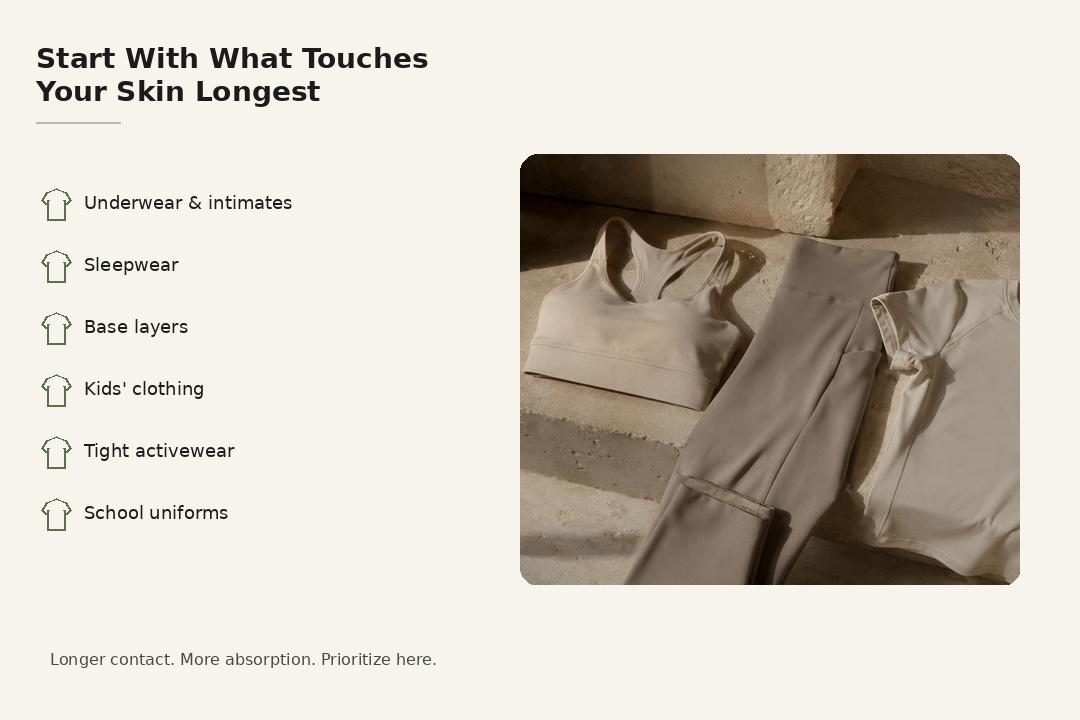
Start with what touches your skin the longest.
Underwear, sleepwear, base layers, leggings and tight activewear come first — long contact, warmth, and sweat are the combination worth respecting. (It's also where sensitive skin and eczema flare.)
Lean on two certifications, not the word "non-toxic."
They answer different questions:
-
GOTS covers the organic fiber and the chemical processing and the people — and the current GOTS standard bans PFAS.
-
OEKO-TEX Standard 100 tests the finished product for harmful substances.
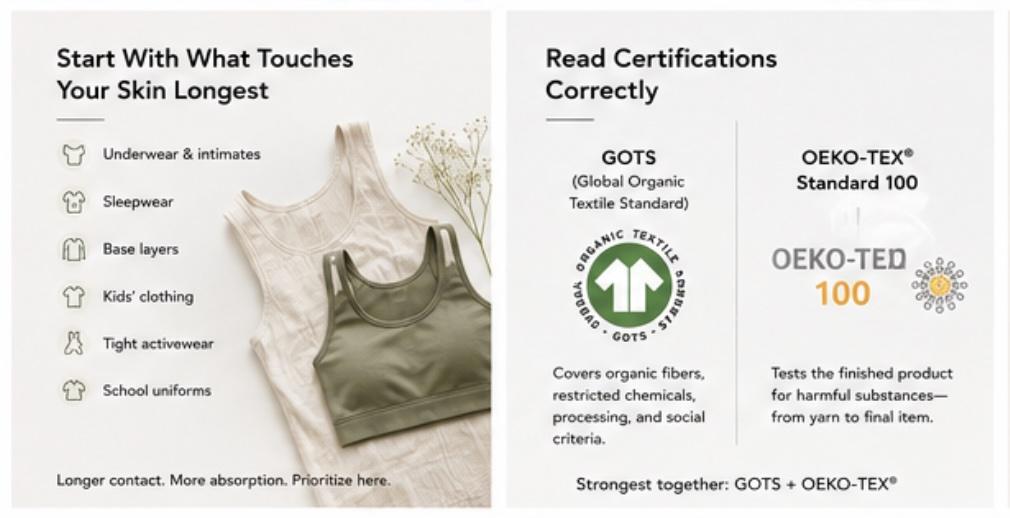
They're strongest together. I unpack it in GOTS vs OEKO-TEX, and it's the logic behind our GOTS-certified organic clothing.
Treat these words as cues to check, not verdicts: water-resistant · stain-resistant · odor-control · antimicrobial · wrinkle-free · easy-care · performance finish. And know that "eco," "clean," and "natural" aren't regulated — greenwashing is as common in clothing as in skincare. A real claim is specific and checkable.
A budget-aware way to climb:
-
Good — buy secondhand (older pieces have off-gassed most residues), choose OEKO-TEX-certified blends, and pick kids' clothing free of flame-retardant finishes.
-
Better — move to 100% natural fibers, even if not certified organic, with natural or low-impact dyes.
-
Best — certified organic, fully natural fibers, ideally low-impact dyed and from makers who disclose their supply chain.
And two free habits
Wash new clothes before wearing — it removes residues, and the same care keeps workout clothes from smelling — and if you haven't switched to a non-toxic laundry detergent yet, do that first, since it touches everything you own. Building a smaller capsule wardrobe helps too: nine pieces you trust beat thirty you don't.
The Fabrics, Simply
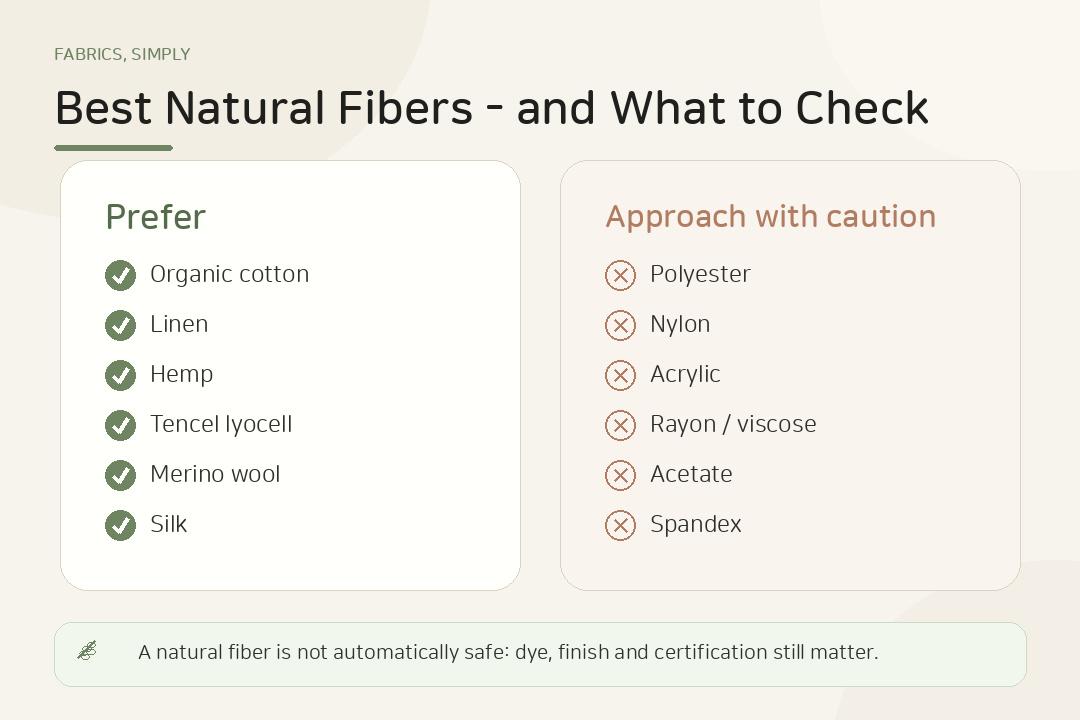
The short answer: certified organic natural fibers. Here's my order of preference — and the one caveat that applies to all of them.
- Organic cotton is a common choice for T-shirts, underwear and baby clothes. Organic standards restrict synthetic pesticides and fertilisers. Water use depends on cultivation and irrigation; an often-quoted percentage from a life-cycle study is not a general saving for every garment.
-
Linen — breathable, moisture-wicking, durable, and low-input to grow. Brilliant in heat.
-
Hemp — one of the lowest-impact fibers there is; strong, breathable, softer each wash.
-
Tencel (lyocell) — smooth and moisture-wicking, made from wood pulp in a relatively closed loop. Good for skin-contact pieces.
-
Wool and merino — temperature-regulating and odor-resistant; merino is the soft, year-round version.
-
Silk — a natural protein fiber that's gentle on skin; just check the dyes and ethical sourcing, since finishing varies.
-
Bamboo — read the label twice. Most "bamboo" is really viscose, chemically processed. Treat it as a "check the certification" fiber.
The caveat that matters: a natural fiber isn't automatically safe. Conventional cotton can be heavily sprayed; any fiber can be aggressively dyed or coated. The fiber is the seed of the decision, not the whole plant — which is why I lean on undyed or dye-free pieces, low-impact dyes, and a GOTS or OEKO-TEX certification.
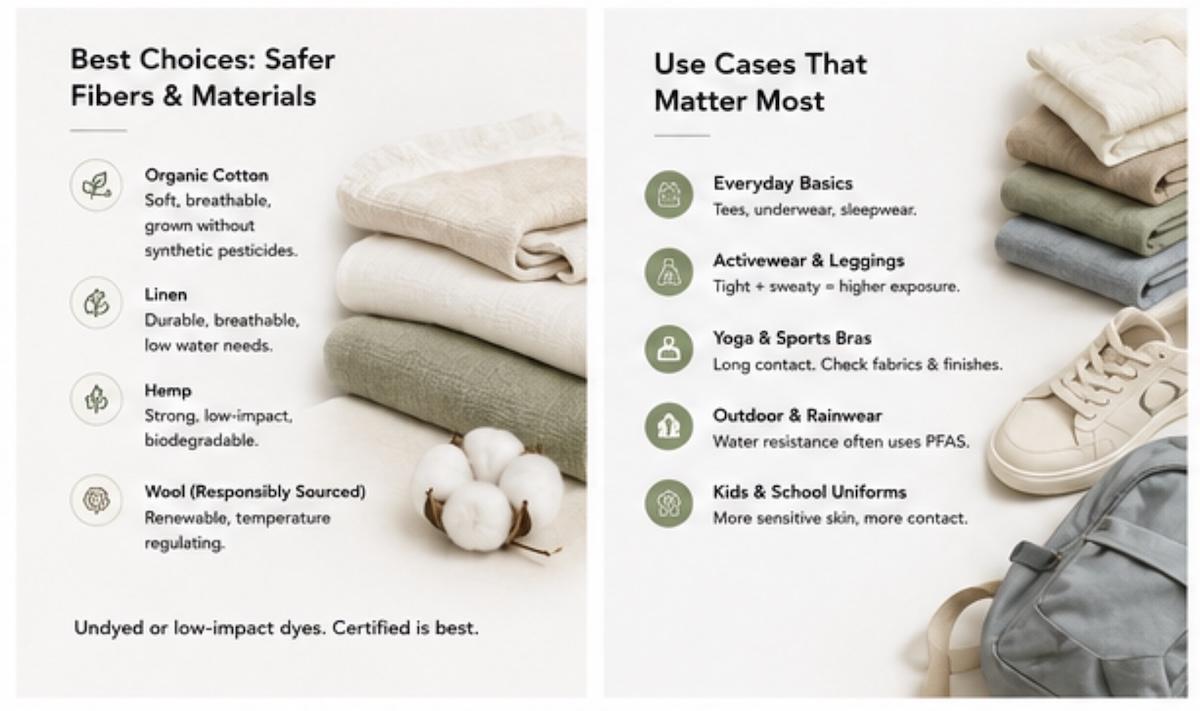
Approach with caution:
polyester, nylon, acrylic, rayon/viscose, acetate, spandex.
Often petroleum-based and treated with chemical finishes — not forbidden, just "needs a reason and transparency." Sometimes one's the right call: a supportive legging needs a little elastane for stretch, and that's a fair trade-off. What I'd skip is a fully synthetic, performance-finished piece worn tight against sweaty skin all day, however good the sale price looks. ("Recycled" doesn't automatically mean safer, either — more in is recycled polyester harmful.)
A quick note on "fabric frequency."
You'll hear that linen and wool "vibrate high" and synthetics sit near zero. It traces to a 2003 study by Dr. Heidi Yellen, and I'll be honest: it was never peer-reviewed, so I don't build health claims on it.
But the intuition isn't crazy. Natural and synthetic fibers really do interact with your body differently — synthetics sit at the charge-prone end of the triboelectric series and build static against your skin, while cotton, linen, and wool absorb a little moisture and let that charge dissipate. That's the physical reason a linen shirt simply feels calmer than a clingy polyester one. Your own body is already running the experiment.
It's Not Just You — It's the Planet
Non toxic clothing isn't only about your skin. It's about everyone downstream of it.
Sustainable fashion is really a question of supply chains. A single garment can pass through a farm, a mill, a dye house, and a finishing line across India, China, the USA, and beyond — from the farmers and workers who bring in the harvest to the people running the dye baths. And most of the chemistry that matters to your skin enters after the fiber is grown, in dyeing and production.
That stage is heavy on water and harmful chemicals. The textile industry is widely cited as one of the world's biggest industrial polluters; dyeing and finishing send dyes, heavy metals, and other toxins into soil and rivers, and synthetic, plastic-based fabrics shed microplastics every wash. I treat the scariest viral numbers as directional, not precise — but the direction is real. So choosing organic materials, low-impact dyes, and ethical practices is an act of sustainability that reaches past your own skin: protecting nature, conserving resources, and looking after the people in the chain.
This is also how you spot a brand worth trusting. The good ones are specific: they name their organic fabrics, disclose their dyes, and build for quality and durability over fast-fashion churn — U.S.-grown organic cotton here, low-impact dyes there, fabrics independently tested and certified. Vague "clean" sellers can't do that. I keep a vetted list in my guide to the best non-toxic clothing brands.
Where to Start First (by Garment)
-
Basics and underwear — long contact, often dyed. A GOTS-certified organic cotton tee is the highest-value swap there is; here's why.
-
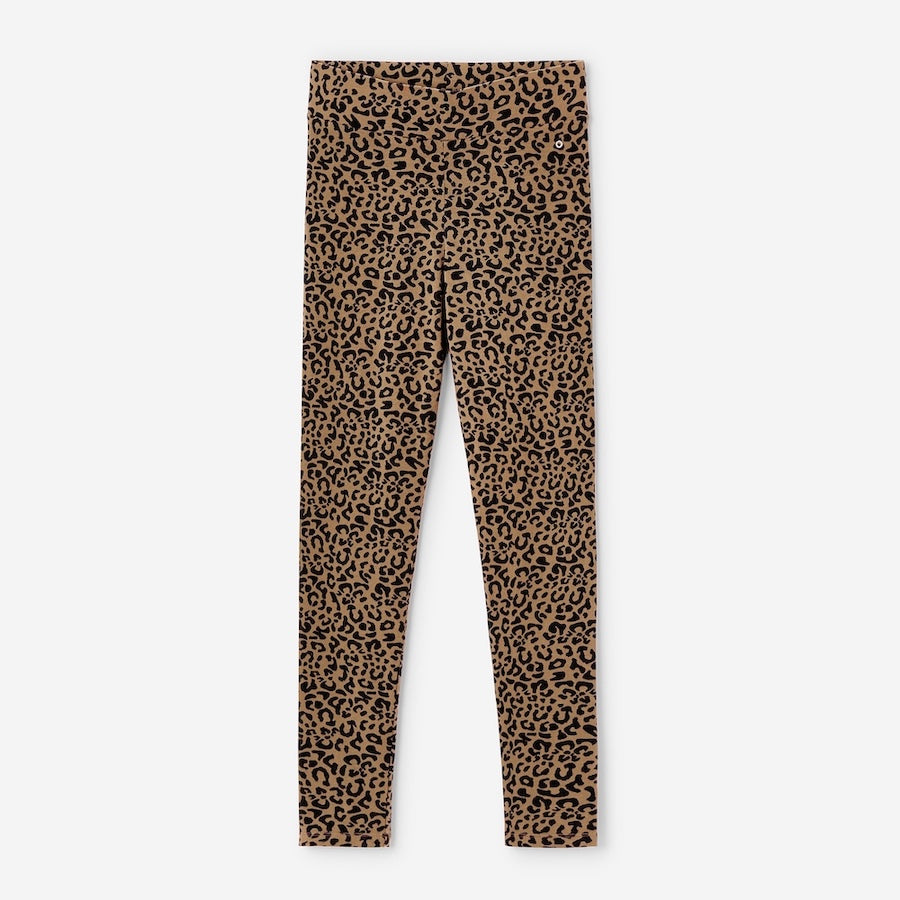
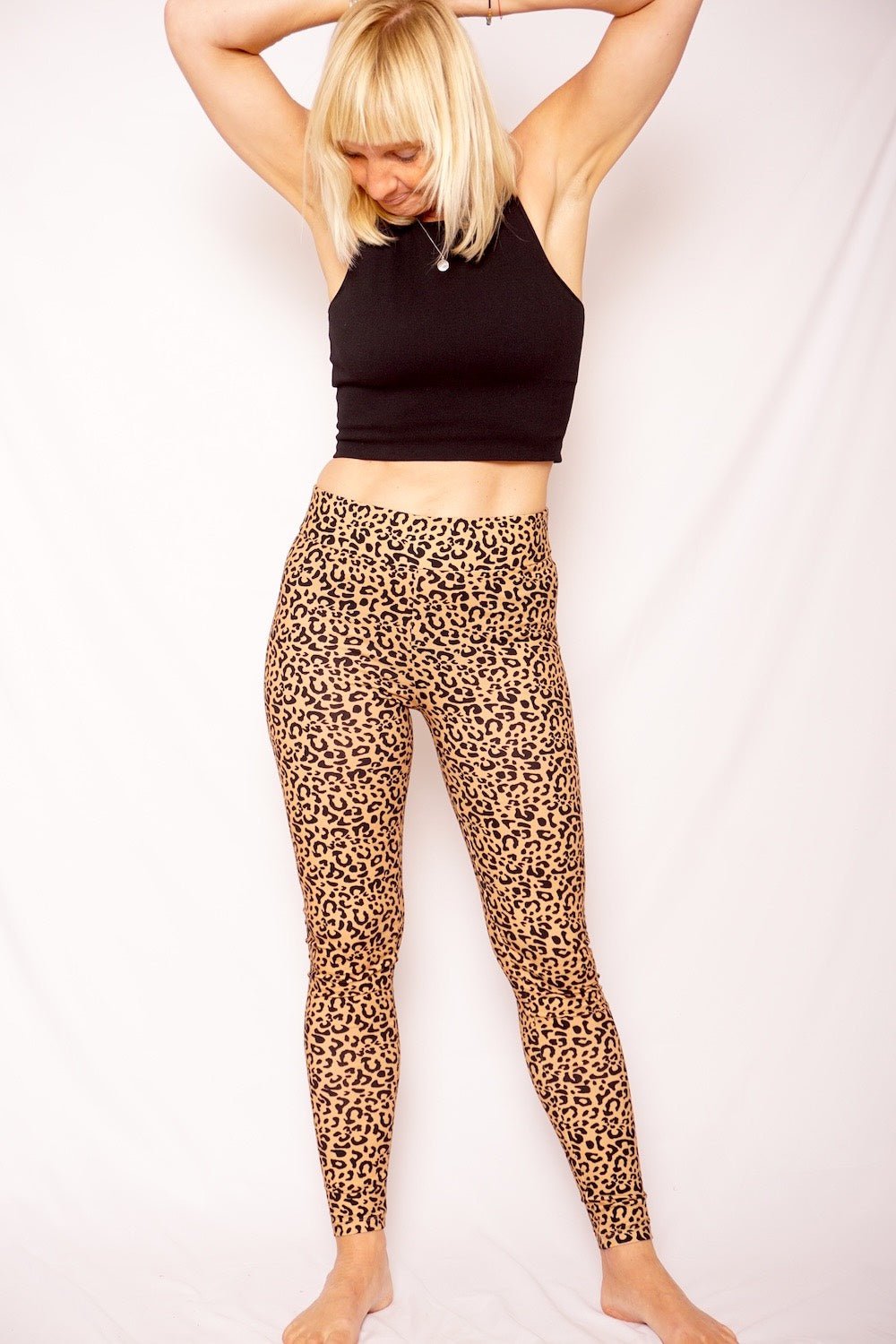
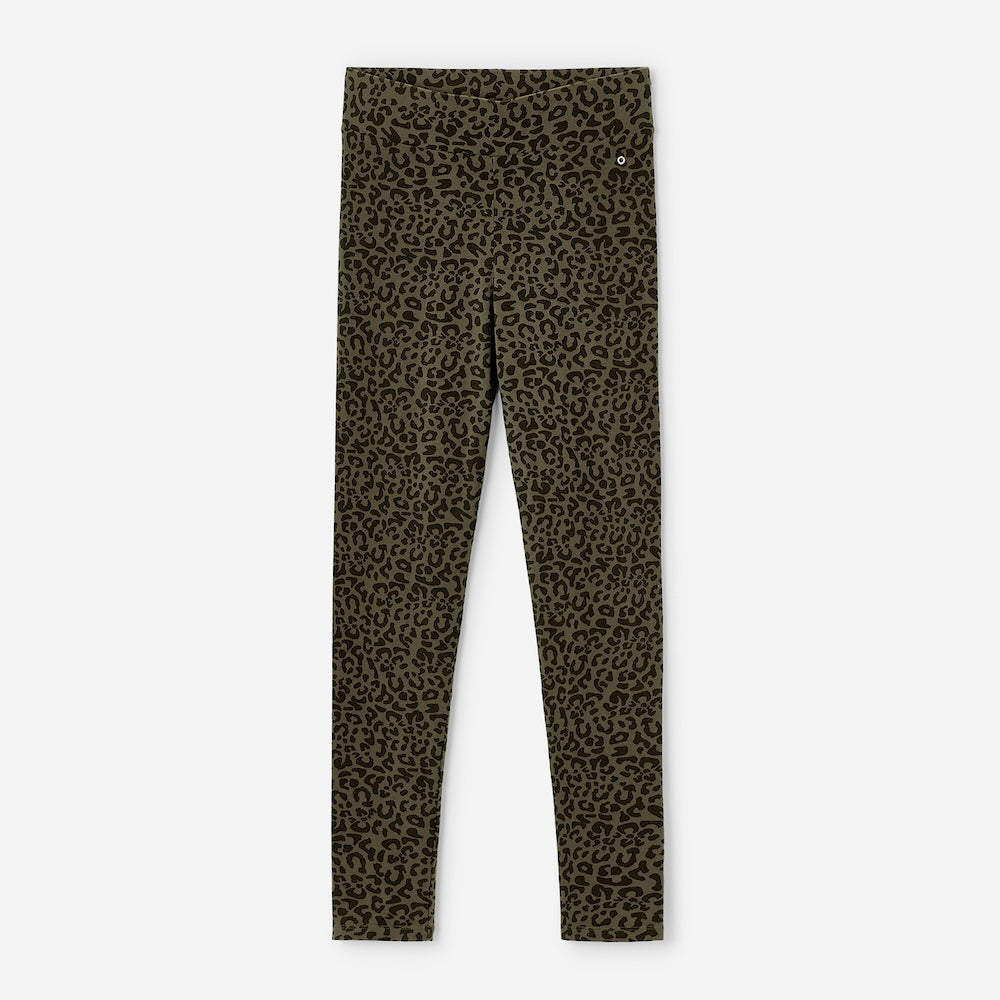
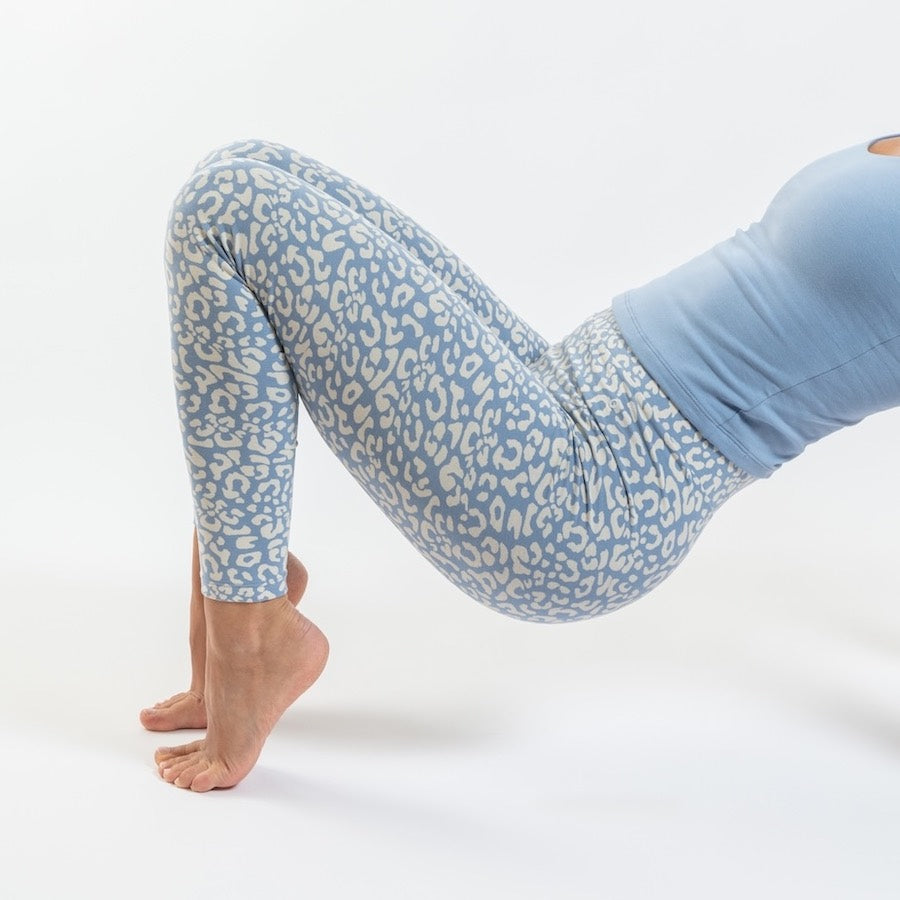
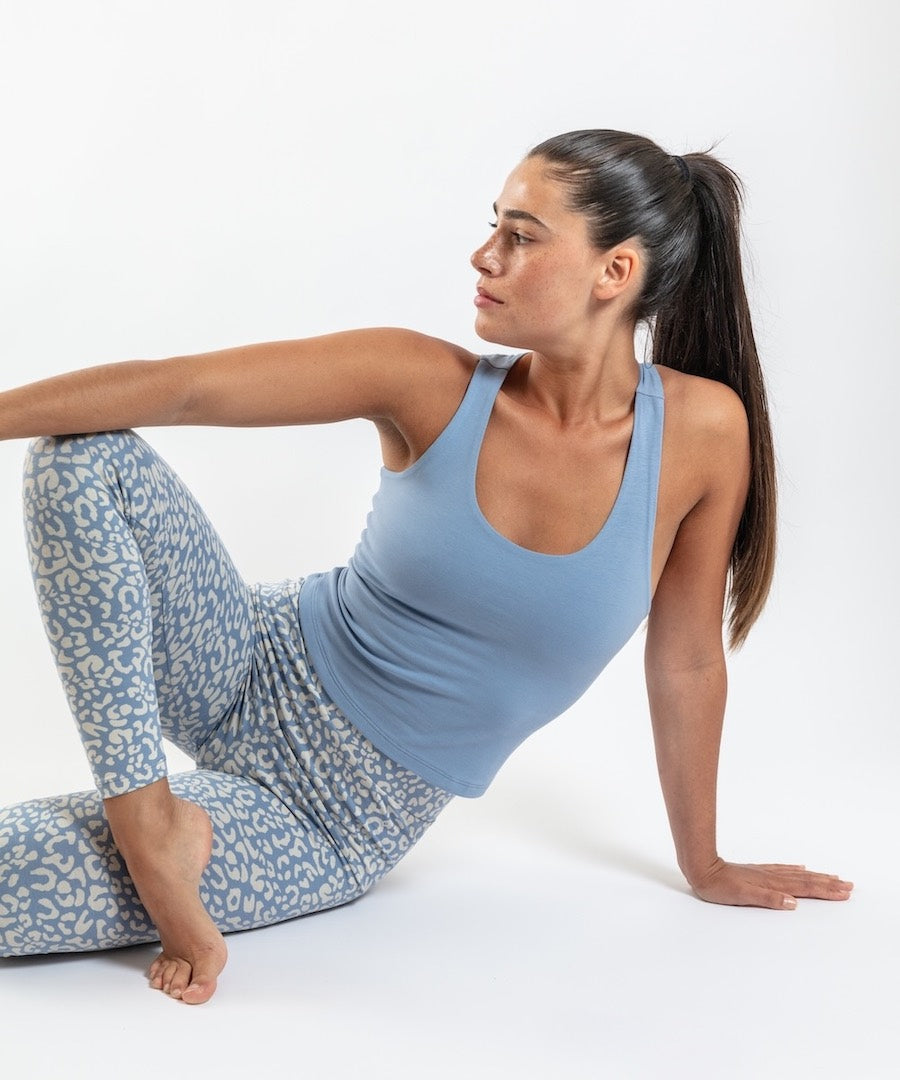
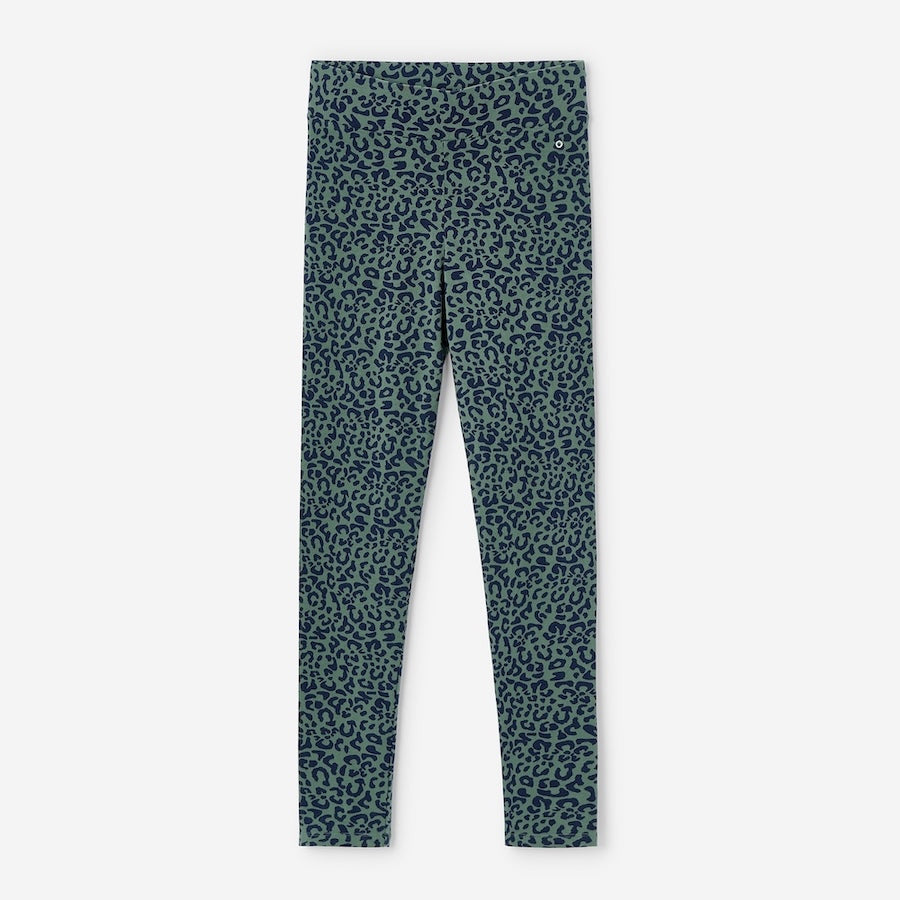
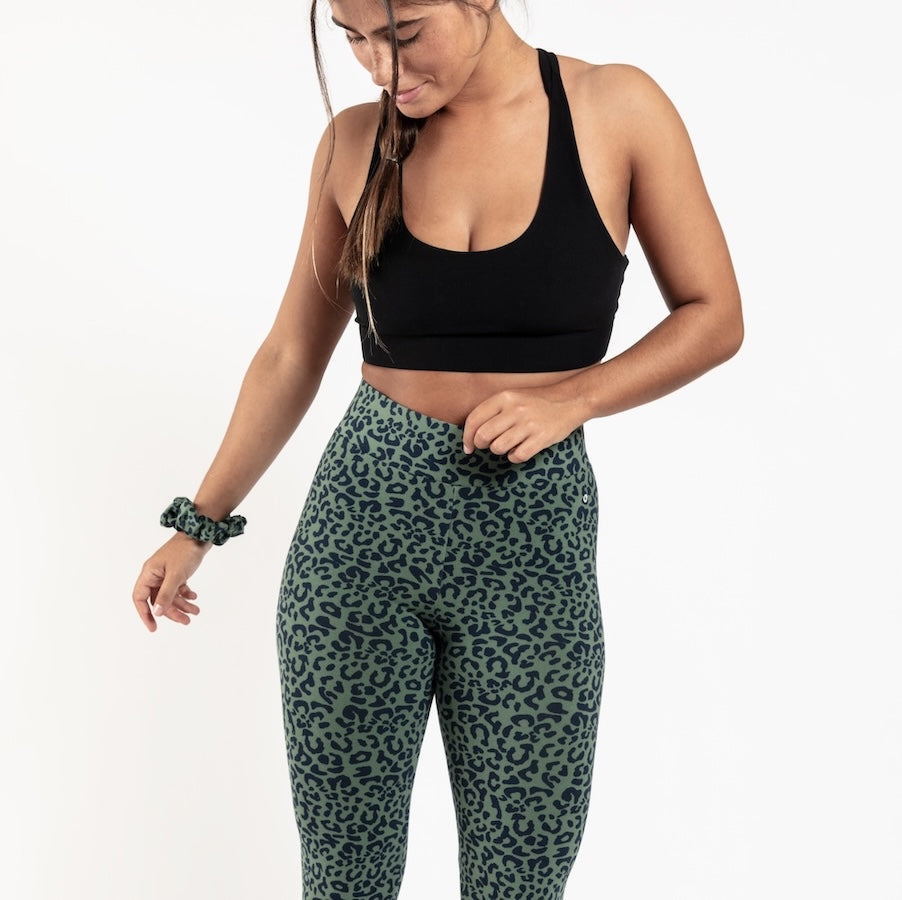
Activewear and leggings — the 2026 hotspot. See the best fabric for working out, our non-toxic leggings, and organic cotton leggings.
-
Sports bras and yoga gear — grip and rub matter; if you've had a sports bra rash, you know. See our organic cotton sports bra, non-toxic sports bras, and non-toxic yoga clothes.
-
Outdoor and rainwear — the hardest category to find PFAS-free, because water resistance is the whole job. It's improving fast each season, but read the fine print most carefully here.
-
Kids' clothing and school uniforms — a special case, especially anything stain- or water-resistant. Children's skin is more reactive, with eczema common (AAP), and PFAS have turned up in school uniforms.
What We Know — and What We Don't
I won't pretend this is all settled.
We know clothing can be a real route of exposure; PFAS are persistent and have shown up in specific garments; formaldehyde finishes can trigger dermatitis; and certifications meaningfully lower the uncertainty.
We don't know the full magnitude of health impact from clothing alone — for PFAS, food and water often matter more, and toxicity is dose-dependent. So the strongest case for care belongs to those with the longest, most intimate contact: sensitive skin, babies, kids, and anyone in tight gear all day. Everyone else just needs a few better defaults.
A Gentle Bottom Line
You don't need a perfect wardrobe.
Switch the clothes closest to your skin to certified organic.
Treat "performance" and "wrinkle-free" as cues to check. Lean on GOTS and OEKO-TEX over the word "non-toxic." Wash new clothes first.
That's it. Start with one drawer — and be kind to yourself about the pace. Your skin touches your clothes more than almost anything else you own.
Getting that contact right is one of the simplest ways to care for yourself, your family, and the planet.
Frequently Asked Questions
What are the best non-toxic clothing brands?
The trustworthy ones share a pattern: real certifications (GOTS, OEKO-TEX), transparency about dyes and finishes, and specific, checkable claims. I keep a vetted, updated shortlist in best non-toxic clothing brands.
What is the least toxic fabric to wear?
Certified organic natural fibers — organic cotton, linen, hemp — ideally undyed or low-impact dyed and backed by GOTS or OEKO-TEX. Just remember the fiber alone isn't a guarantee; certification closes the gap.
What is the 3-3-3 rule for clothing?
A minimalist challenge: 3 tops, 3 bottoms, 3 pairs of shoes, mixed into outfits for a set stretch. It's about wearing less, not toxicity — but it pairs perfectly with buying fewer, better, certified pieces.
Where can I buy 100% natural clothing?
Look for GOTS-certified organic cotton, linen, or hemp from brands that publish their certifications. The label you want isn't "natural" alone — it's "natural and certified."
Are natural fibers automatically non-toxic?
No — the myth I most want to bust. Conventional cotton can be heavily sprayed, and any natural fiber can be dyed or coated with a problematic finish. The full picture is fiber, processing, dye, finish, and certification together.
How can I identify PFAS-free clothing?
U.S. labels rarely say "PFAS." Your best signals are certifications (GOTS bans PFAS; OEKO-TEX tests the finished product), brand transparency, and skepticism toward "water-resistant" claims.
*Advertisement: This article contains affiliate links marked with*. If you make a purchase through these links, we may earn a small commission at no additional cost to you.
The information provided is for educational and informational purposes only and is not intended as medical advice. It should not replace consultation with your physician or qualified healthcare provider. This article was created with the assistance of AI tools and has been editorially reviewed and approved by our team. All opinions expressed are our own.
Lilija Bairamova

Lilija is the founder of Orbasics, a brand born from her passion for creating a healthier, more sustainable world, starting with organic, toxin-free clothing for children. As a mother committed to a non-toxic lifestyle, Lilija has spent years exploring and embracing clean beauty, non-toxic living, and holistic wellness. She shares her expertise on everything from natural personal care to creating toxin-free home environments, offering practical tips and in-depth guides that empower you to make healthier choices and lead a more mindful, health-conscious life.



Leave a comment