Table of Contents
Best 11 Natural & Non-Toxic Perfume Brands for Blissful Scents
This page may contain affiliate links. We may earn a commission on purchases, at no additional cost to you. Learn more →
As someone who used traditional perfumes and body sprays every day, I never questioned what was inside my favorite picks. They smelled amazing—and that was all that mattered to me. But that changed the moment I learned that the word “fragrance” on an ingredient label can hide hundreds of undisclosed toxins. This made me question every single perfume on the market.
Ever noticed how most perfumes just list “fragrance,” “aroma,” or “parfum” on the ingredient label? Many of these "fragrance" chemicals can disrupt your hormones, trigger allergies and respiratory problems, or lead to other health issues. Luckily, there's still a wide range of non-toxic perfume brands that are free of toxic ingredients and smell amazing!
In this updated 2026 guide, I'll share why you should choose the best non toxic perfumes, which harmful chemicals to watch for, and the top natural perfume brands I’ve personally verified to be free from phthalates, parabens, formaldehyde, and other hidden fragrance toxins.
What "Non-Toxic Perfume" Actually Means
First of all, you should know there are no legally binding definitions of “natural,” “clean,” or “non-toxic perfume”. The FDA does not require premarket approval for cosmetics, including perfume. And no U.S. regulation creates a formal category called "non-toxic" or "clean fragrance." This means any brand can call itself non-toxic without meeting a universal standard.
Within the clean living community, “non-toxic perfume” refers to fragrances made with safe ingredients. Non-toxic fragrance brands use botanical ingredients or safer synthetics, while skipping many of the toxins commonly found in conventional perfumes—like phthalates, formaldehyde, and synthetic musks.
How to Choose Clean Perfumes
Choosing non-toxic fragrance is about taking the guesswork out of what you’re putting on your skin. Ultimately, the difference between conventional and clean fragrances comes down to transparency and peace of mind, rather than hidden ingredients.
Here's an easy cheat sheet you can use to choose non-toxic perfumes:
|
What To Look For |
What To Avoid |
|
✅ Full ingredient disclosure |
❌ Vague "fragrance" with no explanation |
|
✅ Phthalate-free & paraben-free claim |
❌ No ingredient list or lack of transparency |
|
✅ Third-party certification, if possible |
❌ Misleading “non-toxic” claims without proof |
Top Tips:
-
Full ingredient disclosure — If all you see is "fragrance" or "parfum" with no further ingredient breakdown, you have no way to know what you're applying. That's the first and most important red flag. The best natural perfumes and organic perfumes will always show you exactly what's inside.
-
Specific avoidance claims — "Phthalate-free" and "synthetic-musk-free" are more meaningful than vague "clean" or "natural" labels, as long as the brand backs them with ingredient data.
-
Third-party certification — MADE SAFE and EWG Verified are the strongest certifications for fragrance. Each has a different standard, but all require a level of transparency that goes beyond marketing.
Our Vetted List of 11 Natural & Non-Toxic Perfume Brands
These are the brands I'm most confident recommending under a strict natural, ingredient-transparent standard. Every brand here either uses fully botanical formulations or is as close to 100% natural as publicly documented information shows:
|
Best Natural Brands |
Why You’ll Love It |
Shop |
|
ESAS Beauty |
Best natural perfume |
|
|
Scentual Aroma |
Best for sensitive skin |
|
|
Abel |
Best long-lasting natural fragrance |
|
|
Prim Botanicals |
Best non-toxic perfume for women |
|
|
Heretic Parfum |
Best non-toxic perfume for men |
|
|
Wild Veil |
Best artisan perfume |
These perfume brands use carefully selected synthetics alongside natural ingredients. But they offer more transparency, stricter ingredient standards, and better safety screening than mainstream perfume. Many are also cruelty-free, vegan, and committed to sustainable, eco-friendly production. If your personal definition of "non-toxic" allows for well-vetted synthetics, these are worth considering:
|
Best Non-Toxic Brands |
Why You’ll Love It |
Shop |
|
Henry Rose |
Best mainstream clean fragrance |
|
|
Skylar |
Best hypoallergenic fragrance |
|
|
Ellis Brooklyn |
Best long-lasting non-toxic perfume |
|
|
Phlur |
Best unisex perfume |
|
|
Kenkô |
Best natural perfume for family |
How We Selected These Perfume Brands
For this guide, I carefully reviewed each brand against a stricter set of criteria:
-
Ingredient transparency
-
Free from phthalates, free from synthetic musks
-
Third-party certification or independent verification
-
Sustainable and eco-friendly practices
Brands that met all criteria are in the "strictly vetted natural perfume" tier. Brands that are genuinely more transparent than mainstream but include some synthetics are in the "best non-toxic perfumes" tier. Both tiers have value — it depends on your personal comfort level.
Best Clean Perfumes: Vetted Natural Perfume Brands
ESAS Beauty — Cruelty-Free, Synthetic-Free (My Top Pick)*
-
Price: From ~$50 (varies by product)
-
Location/Shipping: USA-based, worldwide shipping
-
Certifications: MADE SAFE certified, cruelty-free, sustainable packaging
ESAS was founded by cosmetic chemists who left mainstream beauty to build a farm-to-beauty fragrance line around organic botanicals and vertical-farm plant extracts. Their ingredient glossary is one of the most transparent I've found in the fragrance industry.
What makes ESAS stand out: their eco-friendly fragrances use organic ingredients like bergapten-free organic bergamot and upcycled chlorophyll from leafy greens. Every formula is synthetic-free, phthalate-free, free from harmful chemicals, and MADE SAFE certified — one of the strictest non-toxic standards available today. The brand is also cruelty-free and uses sustainable, eco-friendly packaging throughout. If you want a luxury best natural perfume experience without any synthetics, ESAS is the strongest pick I could find, also my personal favorite.

Scentual Aroma 100% Botanical Perfume Oils for Sensitive Skin*
-
Price: From ~$38–$86 (varies by size)
-
Location/Shipping: USA (Staten Island), direct and wholesale
-
Claims: Vegan, cruelty-free, 100% botanical
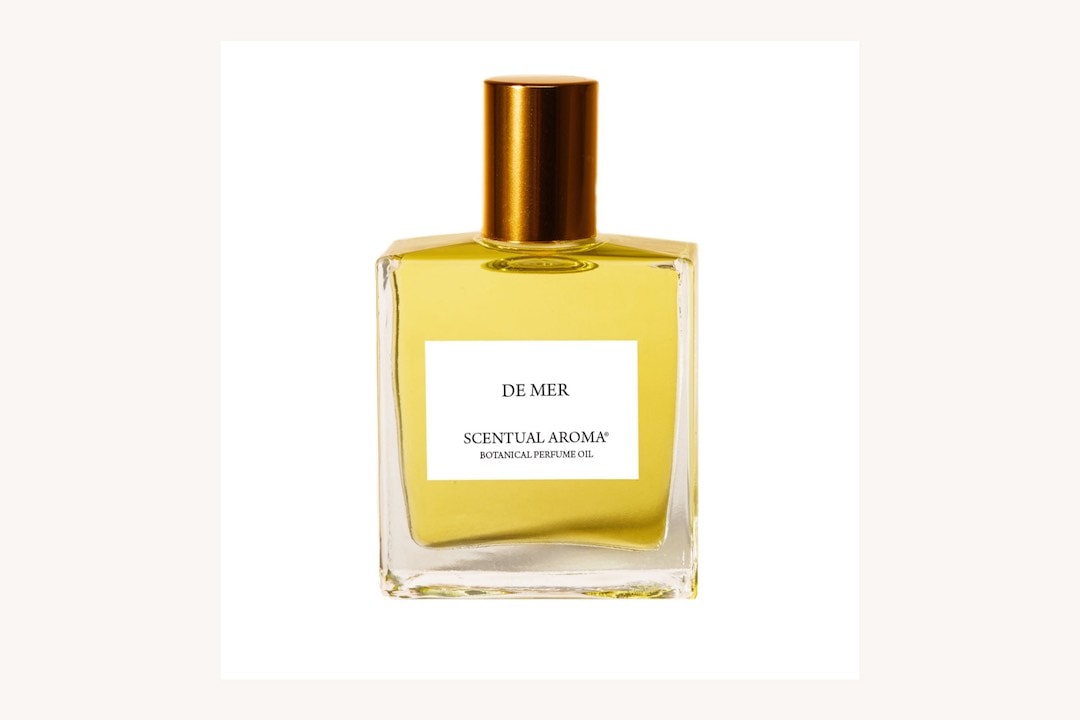
Scentual Aroma specializes in botanical perfume oils made exclusively from plant-derived aromatics — flowers, resins, and peels — in an oil base like caprylic/capric triglycerides and sunflower oil. No synthetic components, no isolates, no phthalates, no alcohol.
I love these for anyone who prefers a closer-to-the-skin scent experience. Oil perfumes tend to be less volatile than alcohol-based sprays, which often means less irritation for people with perfume for sensitive skin concerns. Their Le Jasmin and other formulas read like short, honest ingredient lists — exactly the kind of transparency I look for. The brand is also cruelty-free and vegan.
Abel — Long-lasting Fragrance, 100% Natural Perfume*
-
Price: From ~$35 (discovery kit) to $220+ (50 ml)
-
Location/Shipping: Based in Amsterdam, ships worldwide
-
Claims: 100% natural formulas, biodegradable, renewable ingredients
Abel is one of the few luxury perfume houses that publicly commits to 100% natural fragrance formulations. Their eau de parfum scents use only materials that originate from plants, yeasts, or fungi, processed by distillation, extraction, or biotechnology — not from crude-oil-derived synthetics.
What I appreciate about Abel: the brand combines classic naturals like rose absolute and iris butter with biotech-produced, nature-identical molecules to deliver modern, long-lasting natural perfume without conventional petrochemical aroma chemicals. The brand uses sustainable, eco-friendly packaging and prioritizes biodegradable, renewable ingredients throughout.

Image by Abel
Prim Botanicals — Best Natural Perfume for Women*
-
Price: ~$36 for 5 ml rollerball
-
Location/Shipping: US-based, international via select retailers
-
Claims: Phthalate-free, paraben-free, sulfate-free
Prim Botanicals' Mademoiselle Swell is a crisp, tropical-floral natural perfume oil featuring neroli, bergamot, and jasmine in an organic fractionated coconut oil base. It's one of the best options for wome who prefer uplifting tropical-floral blends. The ingredient list is short and honest: organic fractionated coconut oil, jojoba oil, and a proprietary blend of essential oils and plant-derived extracts.
While the exact essential oil blend is proprietary (standard in perfumery), Prim provides significantly more transparency than typical designer brands. If you want a travel-friendly, rollerball natural perfume that feels like sunshine and sea breeze, this is a standout option.
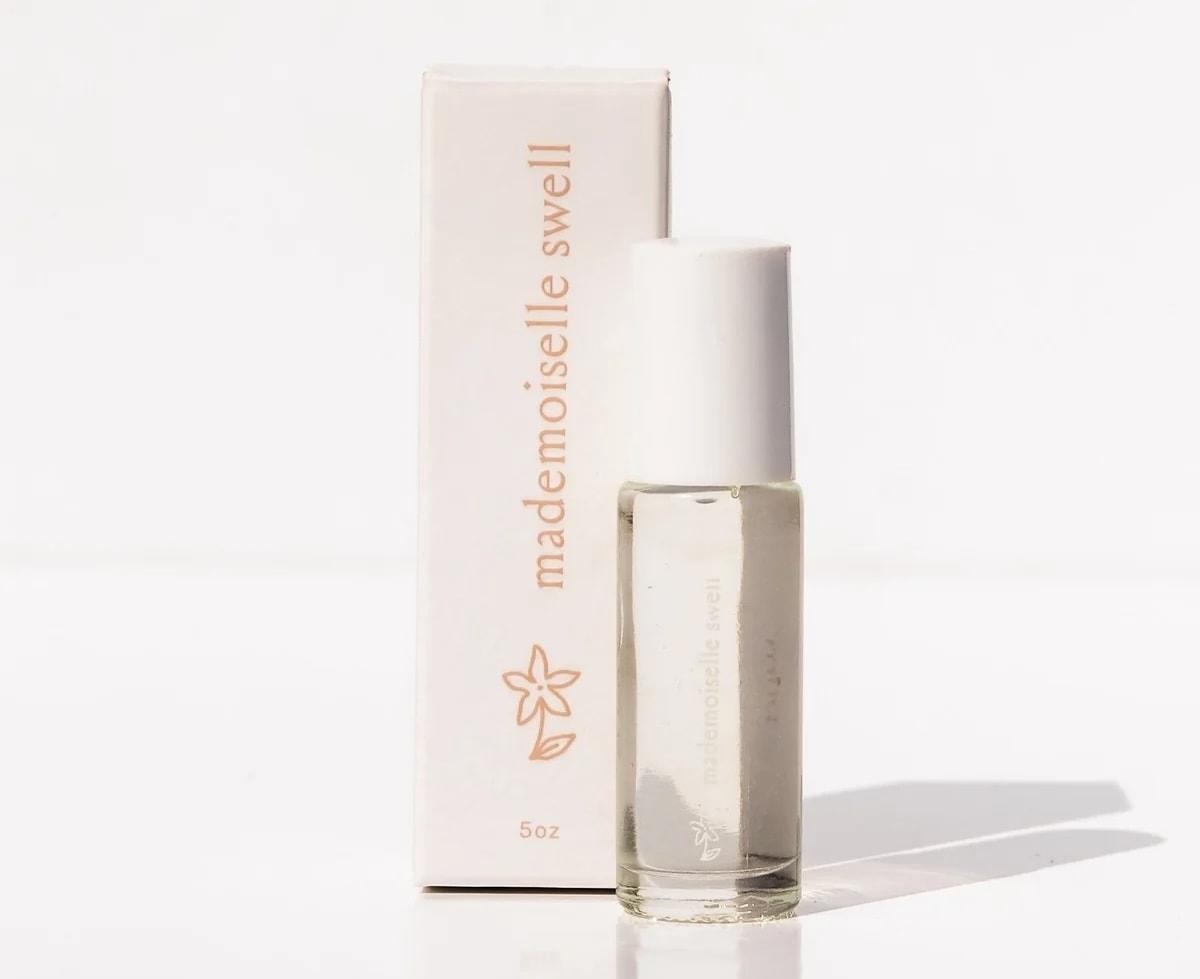
Image by Prim Botanicals
Heretic Perfume — 100% Natural Formulas for Men (Select Scents Only)
-
Price: From ~$35 (discovery kit) to $165+ (50 ml)
-
Location/Shipping: US-based niche perfume house, ships internationally
-
Claims: Naturally derived ingredients in organic alcohol, cruelty-free
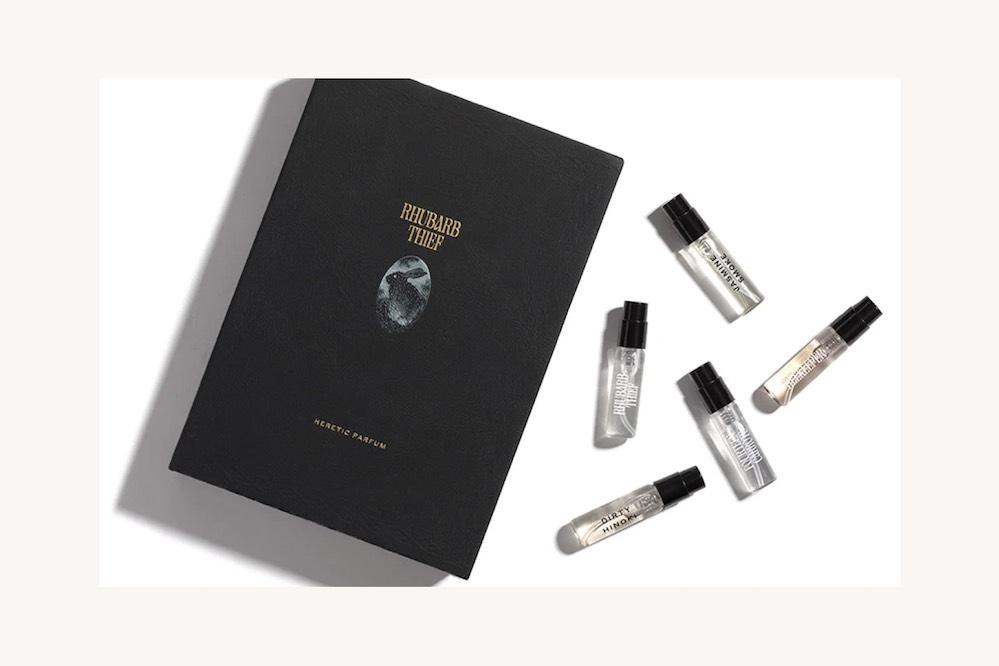
Heretic Parfum deserves a nuanced recommendation. Some of their scents are 100% natural per ISO 9235, while others are approximately 92% natural and include a few clearly labeled synthetic notes.
If your goal is strictly natural perfume, stick to Heretic's 100% natural fragrances. The brand is refreshingly transparent about which scents are which, and they use organic sugarcane alcohol as a base. Their discovery set is a good way to try the range before committing to a full eau de parfum bottle. This is the perfume brand for you if you want a non toxic perfume that still feels woody, bold, and very different from mainstream department-store scents.
Wild Veil Perfume — Best Artisan Botanical Perfumery from Seed to Scent*
-
Price: From ~$25 (1 ml sample) to $200+ (limited editions)
-
Location/Shipping: Vermont, USA; direct-to-consumer
-
Claims: Synthetic-free, paraben-free, preservative-free, no fragrance oils or artificial colors
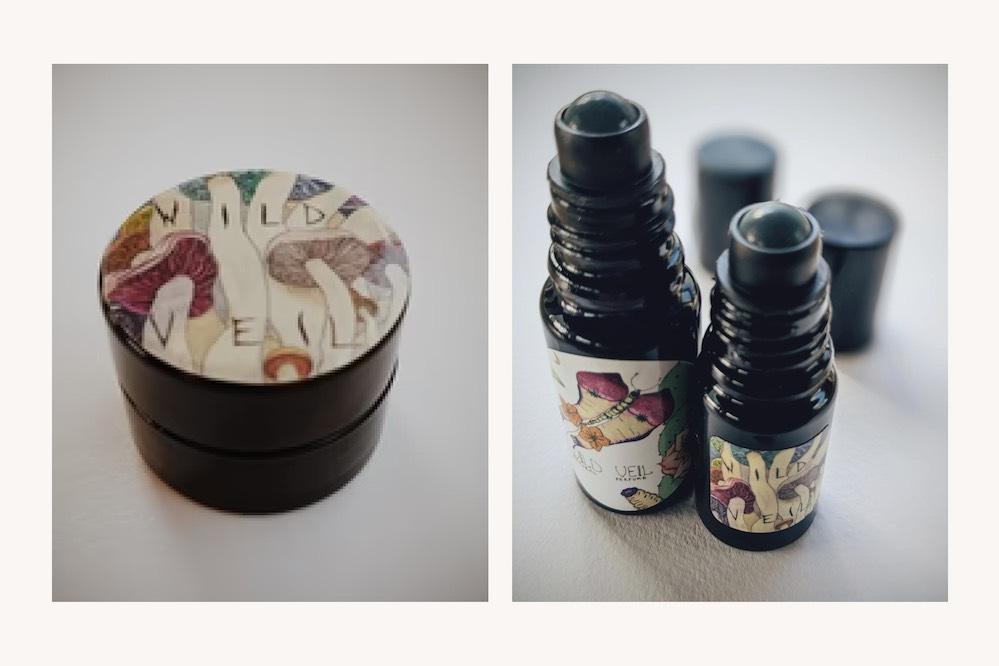
Wild Veil Perfume is known for its unique and rare raw materials, offering a variety of scents made from wildcrafted plants and extracts. It is a one-woman botanical brand founded by self-taught grower-perfumer Abby Hinsman in 2013. What makes this brand unique: Hinsman grows many of her own raw materials on 6 acres of Vermont forestland, creating perfume ingredients and natural scents from scratch.
Wild Veil perfume is free from synthetic fragrance oils, parabens, SLS, preservatives, and artificial colorants, with signature scents like Queen (magnolia, carrot seed, chamomile, amber), Infinite, Dreams, and Violet Santal. What I love about this brand is how close this feels to true seed-to-scent natural perfumery—handcrafted in small batches with a low-waste, eco-friendly approach, from glass packaging and pressed flowers to handwritten labels that reflect genuine sustainability, not marketing.
Important to know: Product pages do not publish INCI ingredient lists. For readers who value artisan craftsmanship and are comfortable with that, Wild Veil is a fascinating natural perfume brand to explore.
Best Non-Toxic Perfume Brands (Ingredient-Transparent & Safe)
Henry Rose — The Transparency Gold Standard (Best Mainstream)*
-
Price: From ~$30 (travel) to $120+ (full size)
-
Location/Shipping: US-based, check current shipping options
-
Certifications: EWG Verified, Cradle to Cradle Certified
Henry Rose, co-created with the Environmental Working Group and Cradle to Cradle, is one of the most transparent fine fragrance brands in existence. Every ingredient is published on their site and every formula is reviewed by independent certifiers. Henry Rose offers unisex fragrances formulated without parabens, phthalates, or formaldehyde for a safer, hypoallergenic scent experience.
This is not a natural perfume — Henry Rose uses vetted synthetic ingredients. But it represents the highest standard of ingredient transparent fragrance I've found. If your primary concern is knowing exactly what's in your perfume rather than insisting on 100% botanical, Henry Rose is the benchmark.
Shop Henry Rose*
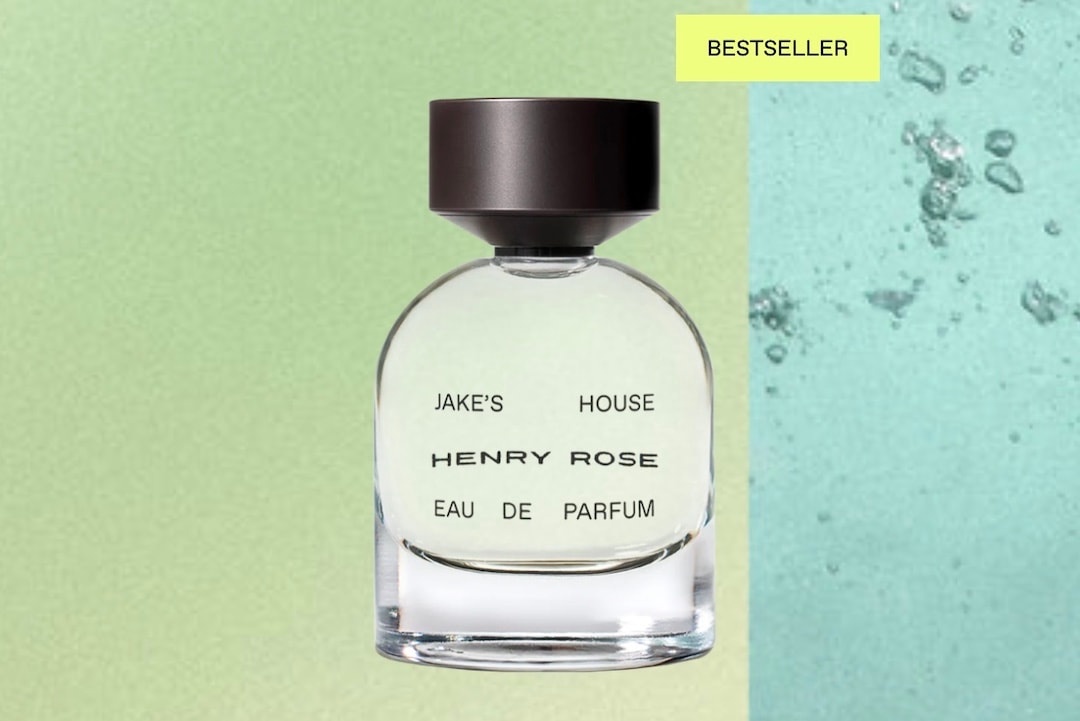
Image by Henry Rose
Skylar — Fully Disclosed, Hypoallergenic Clean Perfume*
-
Price: From ~$29 (travel size) to $90+ (full size)
-
Location/Shipping: USA, worldwide shipping
-
Claims: Hypoallergenic, vegan, cruelty-free, all ingredients disclosed
Skylar publishes every single ingredient in its fragrances — something unusual in perfumery. The brand positions its clean fragrances as hypoallergenic, skin-friendly, and suitable for sensitive skin. All products are free from parabens, phthalates, and other harmful chemicals.
Signature scents include Capri Summer, Isle Escape, and Nude Skin. The brand does use lab-created aroma chemicals alongside essential oils and botanical extracts, so this is a clean fragrance pick, not a strict natural one. But the full ingredient transparency and sustainable, cruelty-free approach are genuine and commendable.
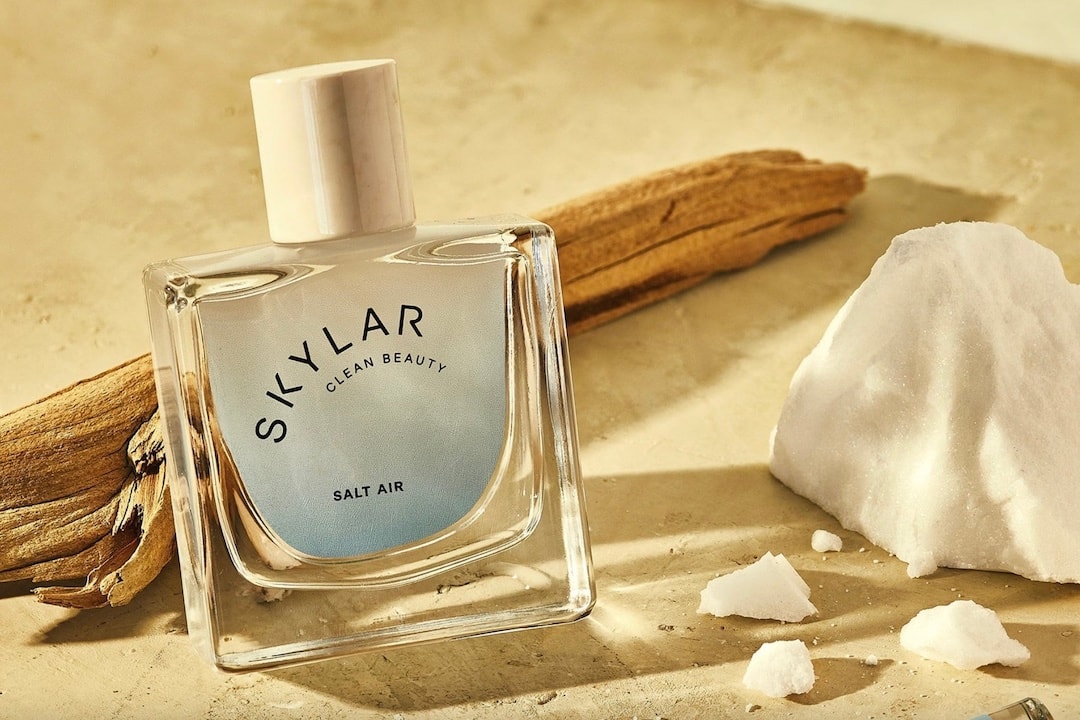
Image by Skylar
Ellis Brooklyn — Long-lasting Perfume with Safe Synthetics*
-
Price: From ~$28 (rollerball) to $115+ (full size)
-
Location/Shipping: USA, international shipping
-
Claims: Combines naturals with safe synthetics, cruelty-free, vegan
Since its launch in 2015, Ellis Brooklyn has established itself as a leading brand for clean and luxurious scents. Ellis Brooklyn's fragrances contain a high percentage of natural ingredients compared to other luxury brands. Additionally, it uses a low percentage of carefully vetted, safe synthetic materials. They use a balanced approach, incorporating essential oils, absolutes, and nature-identical ingredients. As a result, this brand offers more complex, longer-lasting scents than purely botanical brands.
If you're comfortable with a brand that's transparent about using both naturals and synthetics, and your main goal is avoiding the worst offenders (phthalates, undisclosed ingredients, harsh preservatives), Ellis Brooklyn is a well-positioned clean fragrance option.
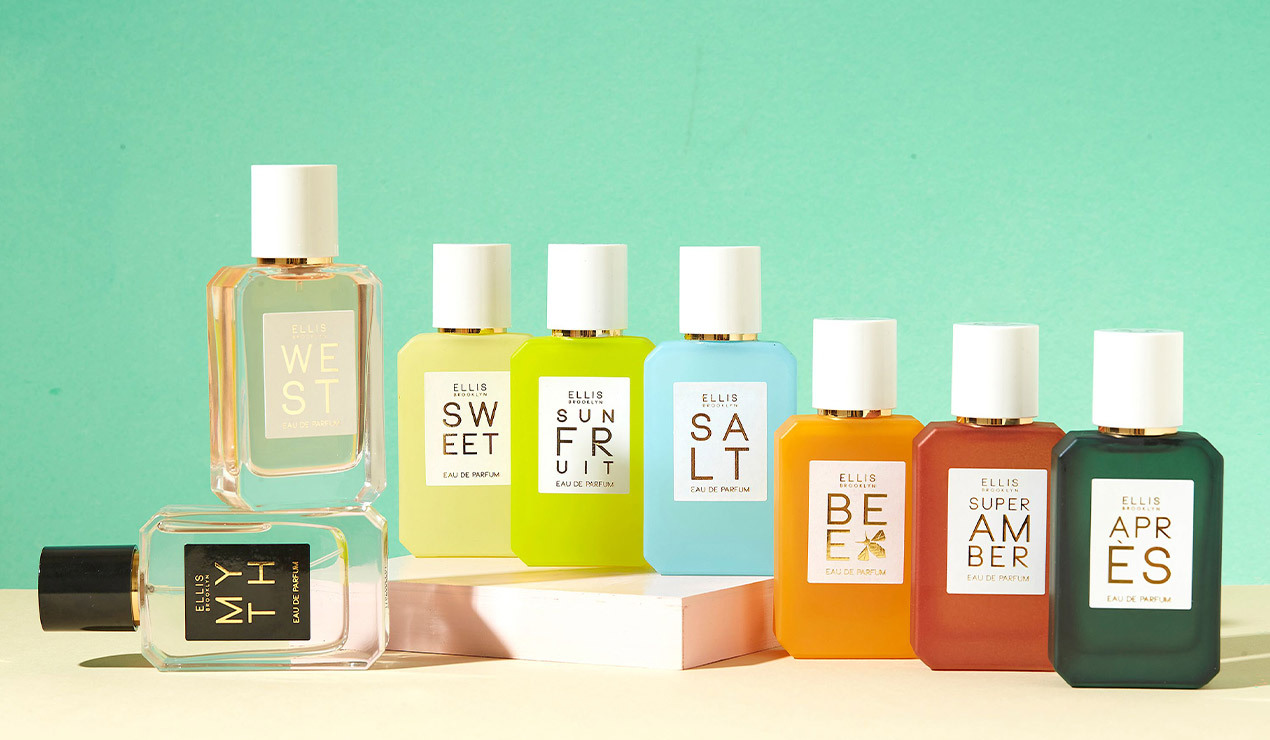
Image by Ellis Brooklyn
Phlur — Best Unisex Non-Toxic Perfumes*
-
Price: From ~$29 (travel) to $96+ (full size)
-
Location/Shipping: USA, ships internationally
-
Claims: Sustainably sourced botanicals + lab-created molecules
Phlur creates genderless, unisex fragrances designed to be worn by anyone. Known for versatile signature scents like Missing Person, Tangerine Boy, and Father Figure, the brand focuses on modern fragrances that anyone can use regardless of gender.
What I appreciate about Phlur is the honesty. The brand openly blends sustainably sourced botanicals with lab-created molecules and doesn't pretend otherwise. That's a more trustworthy position than brands that claim "natural" while hiding synthetic ingredients behind "fragrance" on the label.
If your standard for phthalate-free perfume includes well-screened synthetics alongside natural ingredients, Phlur is a solid option in the clean fragrance space.
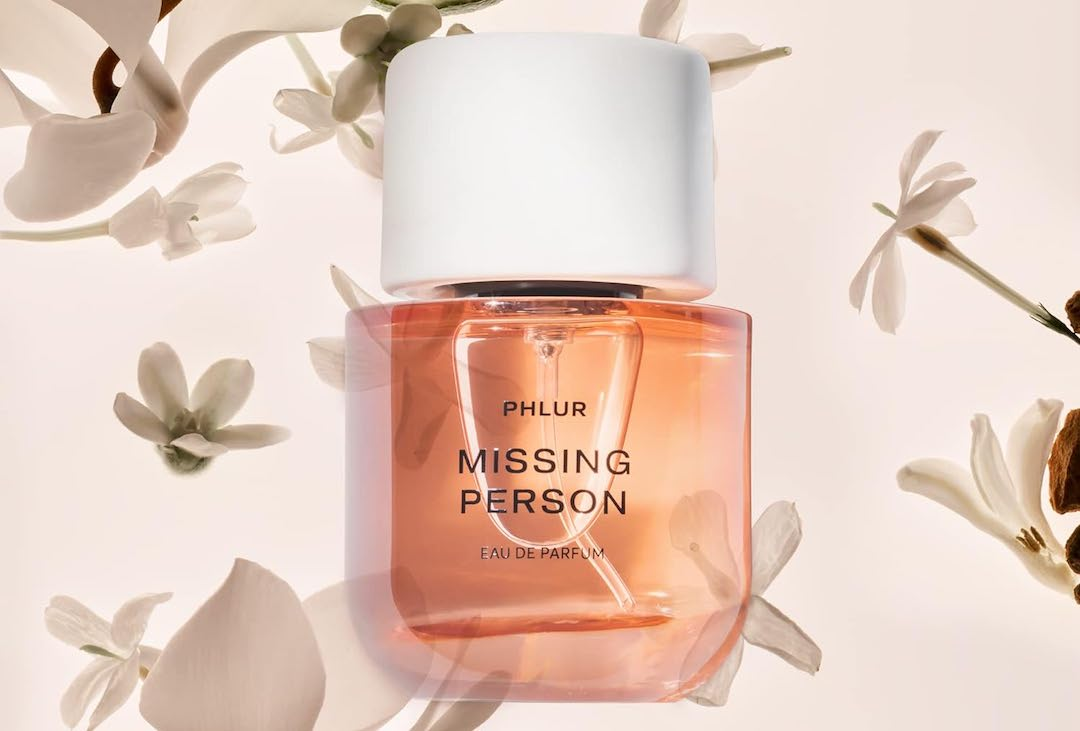
image @ Phlur
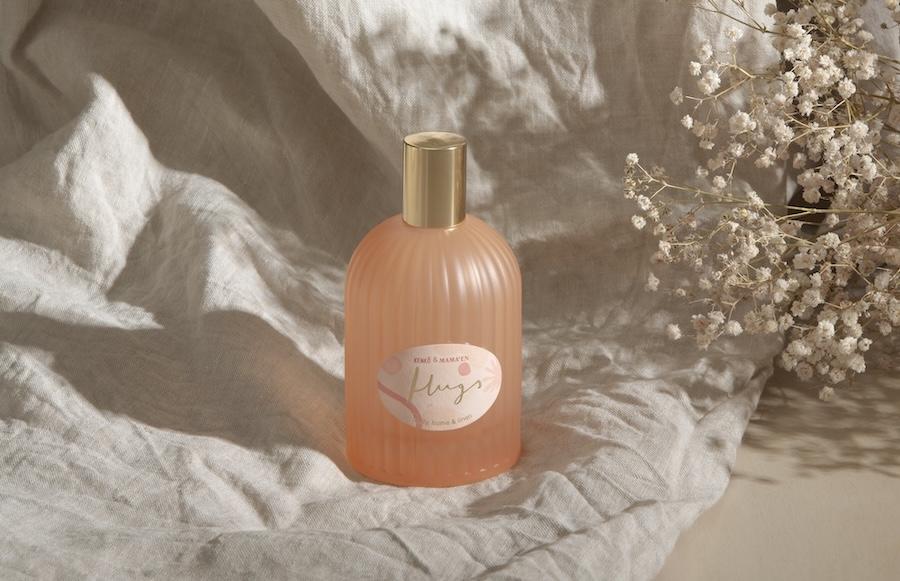
11. Our Own Pick: Kenkô Natural Body Mist
I can't write a guide about non-toxic fragrance without mentioning Kenkô natural body mist -it is formulated as a gentle, family-friendly body spray — it's not competing with fine fragrance houses, and that's by design.
Made with simple, natural ingredients, Kenkô body spray is designed for everyday freshness without synthetic fragrances. It's the option I reach for when I want something light and uncomplicated for myself and my daughter.
Why Choose Natural & Non-Toxic Perfumes
Unlike mainstream perfumes, natural and non-toxic fragrances prioritize botanical ingredients such as essential oils, plant extracts, and resins. While synthetic perfumes last longer due to added stabilizers, natural perfumes offer a toxic-free alternative, making them ideal for you if you have sensitivities or just seek a cleaner beauty routine.
Since fragrance formulas are considered trade secrets in the U.S., conventional fragrances can hide dozens of undisclosed chemicals under the word “fragrance,” leaving you with little idea of what you’re actually spraying on your body.
The European Union, however, enforces stricter fragrance regulations. Companies selling perfumes in the EU must disclose the presence of 26 known allergens, and some ingredients (such as Lilial) have been completely banned due to safety concerns.
Harmful Ingredients to Question in Conventional Fragrances
A 2025 analysis by Breast Cancer Prevention Partners found that over half of 3,600+ fragrance chemicals lack public safety data—and 48 have been linked to cancer, hormone disruption, or reproductive harm. Similarly, a database analysis found potent allergens and toxic chemicals in about 47% of women’s perfumes and 37% of men’s perfumes on the market.
The most common toxins in fragrance include:
-
Phthalates — Used as solvents and fixatives. Peer-reviewed studies link phthalate exposure to effects on testosterone and sperm quality.
-
Synthetic musks — Some synthetic musks raise persistence, bioaccumulation, or endocrine-related questions. so, it's best to avoid them entirely.
-
Lilial (butylphenyl methylpropional) — Banned in the EU since 2022 for reproductive toxicity. Should not be present in current formulas, but it may still appear in products sold in other markets.
-
Parabens — Preservatives sometimes used in fragranced products. Scientific studies suggest that parabens may disrupt hormones and increase the risk of cancer.
-
Undisclosed "fragrance" — The biggest red flag. There are more than 3,500 fragrance chemicals, and many have been linked to hormone disruption. If a brand hides its formula behind the single word "fragrance," you simply cannot know what you're applying.
Does this mean all synthetic chemicals are harmful? Not necessarily!
Ingredient Safety: Natural vs. Safe Synthetics Explained
This is something I wish more clean beauty guides were upfront about.
It’s not always black and white when it comes to synthetic vs. natural ingredients. Not all synthetic fragrance ingredients are harmful and not all natural ones are automatically safe.
Many synthetic ingredients are widely considered safe when used within regulated limits. Organizations like the International Fragrance Association and Environmental Working Group (EWG) set safety standards based on toxicological data.
Fully botanical perfumes, on the other hand, may contain EU-listed fragrance allergens like limonene, linalool, and citral (commonly found in citrus, lavender, and lemongrass). Similarly, some natural materials can also cause photosensitivity or contact dermatitis in susceptible individuals.
⚠️The bottom line: choosing natural perfume reduces your exposure to petrochemical-derived ingredients, but it does not guarantee you won't react. Patch test every new fragrance, especially if you have eczema, asthma, or a history of fragrance allergy. And store your perfumes away from heat, light, and air — oxidation is what turns allergens more potent.
What Perfume Is Best for Sensitive Skin?
If you have reactive skin, fragrance allergy, or eczema, here's what I'd suggest from personal experience and research:
-
Consider oil-based perfumes (like Scentual Aroma or Prim Botanicals) rather than alcohol-based sprays. Alcohol can be drying and irritating on sensitive skin, while oil-based formulas sit closer to the skin and tend to be less volatile.
-
Look for short, readable ingredient lists. The fewer ingredients, the easier it is to identify what might trigger a reaction.
-
Avoid "fragrance" catch-alls. If you can't see the full formula, you can't assess the risk.
-
And always, always patch test. Apply a small amount to the inside of your wrist and wait 24–48 hours before wearing a new scent fully.
For more on navigating sensitive-skin concerns in beauty, our guide to the best clean beauty brands covers similar ground for cosmetics.
A Step Toward Cleaner Living
Switching to a best non toxic perfume is one meaningful step in a broader conscious living journey. The best natural perfumes and organic perfumes are free from harmful chemicals, sustainable in production, and transparent about every ingredient. This commitment to eco-friendly, clean beauty pairs naturally with thoughtfully made clothing, non-toxic candles made from soy or beeswax, and cleaner personal care choices across your routine.
The perfume industry and fragrance industry are changing. Brands that champion full transparency and truly natural perfume formulations are gaining ground — and regulation is catching up, especially at the state level in the U.S. and through the EU's expanding allergen disclosure requirements. More eco-friendly, sustainable, and cruelty-free perfume brands emerge every year.
Your perfume should smell beautiful. It should also be something you feel good about wearing — not because a label says "clean," but because you can actually see what's inside.
For more on building a healthier daily routine, explore our complete guide to non-toxic living.
Frequently Asked Questions
What makes a perfume non-toxic?
There is no regulated legal definition. In this guide, "non-toxic" means the perfume is ingredient-transparent, made without added phthalates, avoids synthetic musks, and is backed by verifiable evidence — not just marketing language. Third-party certifications like MADE SAFE and EWG Verified offer the strongest independent validation.
Is natural perfume safer than synthetic perfume?
Not automatically. Natural perfumes avoid petrochemical-derived chemicals, but botanical ingredients contain known allergens (limonene, linalool, citral) that can trigger skin reactions. Choosing natural perfumes does reduce exposure to ingredient classes under active investigation for endocrine disruption and bioaccumulation — but it doesn't eliminate all risk. Patch testing matters regardless.
What ingredients should I avoid in perfume?
The biggest categories of harmful ingredients to question: phthalates (especially DEP), synthetic musks, Lilial (banned in the EU since 2022), and any undisclosed toxic chemicals hidden under the word "fragrance." Synthetic fragrances can contain up to 3,600 different chemicals, many of which are derived from petroleum and can be harmful to health. Parabens are a valid personal-choice avoidance, though FDA currently does not classify them as proven harmful at cosmetic use levels.
Is phthalate-free perfume better?
It reduces your exposure to a class of chemicals that EPA and independent research flag for endocrine-related concerns, and that multiple U.S. states now restrict in cosmetics. The claim is most meaningful when backed by full ingredient transparency — not just a marketing badge.
Why are fragrance labels so hard to understand?
U.S. law allows brands to list fragrance mixtures as a single word — "fragrance" or "parfum" — to protect trade secrets. This means dozens of individual chemicals can be legally hidden on the label. The EU requires more disclosure and is expanding allergen labeling from 24 to 81 substances in 2026, but most non-allergen ingredients can still remain undisclosed in both markets.
Is "clean fragrance" the same as natural perfume?
No. "Clean fragrance" and "clean perfume" have no regulated definition and are used loosely by brands. Some clean perfume brands use carefully screened synthetics — like Henry Rose or Ellis Brooklyn. Natural perfume and organic perfume specifically mean the scent is built from botanical ingredients. This guide separates the two categories so you can make an informed choice.
Can I make my own natural perfume?
Yes. If you want full control over ingredients, you can make your own natural perfume at home. It's a great way to learn about essential oils and fragrance oils and create a safe perfume that's entirely yours
Lilija Bairamova

5 comments
Hi
This is super helpful! FYI, I am not sure if Maison Louis is non toxic as rated pretty poorly by ewg.
This article was spot on! I’ve always struggled to find a reliable online perfume store that offers both luxury and budget-friendly options. After reading this, I checked out the store mentioned and was seriously impressed with the variety and pricing. Plus, the delivery was super quick and everything was authentic. Thanks for the recommendation—my fragrance game just got a major upgrade! 💫
Me resultó muy completa la información, gracias!!
So hilfreich, vielen lieben Dank! Genau das wonach ich gesucht habe. Ich finde es nur sehr schwer Online den passenden Duft herauszufinden. Schade, dass es keine Läden vor Ort gibt. Zumindest kann ich solche leider nicht finden..
I was looking for best organic perfume and I found this blog. It was very helpful and I am very much delighted to know all the details provided here.