
Table of Contents
Bio Umstandsmode: Die Top Marken ohne Schadstoffe für deine Schwangerschaft
This page may contain affiliate links. We may earn a commission on purchases, at no additional cost to you. Learn more →
Umstandskleidung kann bequeme Schnitte mit Platz für einen sich verändernden Körper verbinden. Vergleiche Faserzusammensetzung, Passform und Pflegehinweise jedes Artikels.
Laut Dr. Christine Maren, einer Fachärztin für Frauengesundheit, ist der Verzicht auf aggressive Chemikalien während der Schwangerschaft eines der größten Geschenke, die du dir selbst und deinem Baby machen kannst.
Eine wachsende Zahl von Forschungsergebnissen bestätigt dies. Eine aktuelle Studie zeigt, dass der Kontakt mit giftigen Chemikalien während der Schwangerschaft eine gesunde Schwangerschaft beeinträchtigen und das Risiko von Komplikationen erhöhen kann.
Tatsächlich ergab eine Analyse durchschnittlich 44 verschiedene Chemikalien bei jeder getesteten Schwangeren – was bedeutet, dass praktisch jede Mutter eine chemische Belastung trägt! Viele dieser Toxine wie PFAS, Formaldehyd, Phthalate, Schwermetalle, Azofarbstoffe wurden mit Geburtsfehlern, Frühgeburten, Schwangerschaftsdiabetes und neurologischen Entwicklungsstörungen bei Kindern in Verbindung gebracht.
Glücklicherweise hilft dir biologische, schadstofffreie Umstandskleidung, diese Risiken zu vermeiden. Indem du Kleidung wählst, die ohne schädliche Substanzen hergestellt wurde, unterstützt du die gesunde Entwicklung deines Babys und dein eigenes Wohlbefinden.
In diesem Ratgeber erfährst du, warum schadstofffreie Stoffe wichtig sind, welche Chemikalien du meiden solltest, und wir stellen dir unsere Top-Auswahl an sicheren Umstandsmode-Marken vor, die dir Komfort und Selbstvertrauen ohne Giftstoffe bieten.
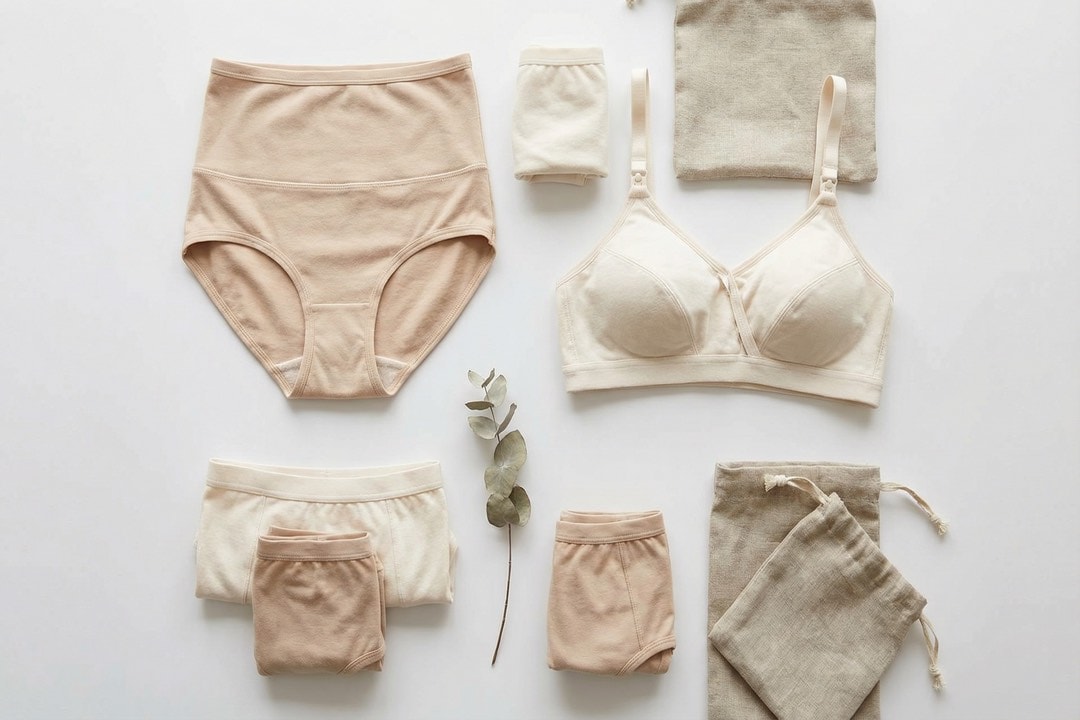
Warum schadstofffreie Umstandskleidung während der Schwangerschaft wählen?
Die Wahl der Umstandsmode ist nicht nur eine Frage des Komforts und des Stils – es geht auch um Sicherheit. Normale Umstandskleidung kann dich und dein Baby gefährlichen Textilchemikalien aussetzen. Bedenke, dass sich die Organe eines Fötus noch entwickeln (besonders im ersten Trimester), was sie besonders empfindlich für Toxinexposition macht.
Der Kontakt mit Chemikalien in der Frühschwangerschaft führt eher zu angeborenen Problemen, während späterer Kontakt zu subtileren Auswirkungen wie niedrigem Geburtsgewicht führen kann.
Selbst im zweiten oder dritten Trimester können bestimmte Chemikalien die Plazenta passieren und das fetale Wachstum beeinflussen.
Du solltest diese Art von Chemikalien unbedingt vermeiden. Ein Beispiel sind PFAS, die „Ewigkeitschemikalien“, die in schmutzabweisenden Stoffen verwendet werden. Sie reichern sich im Körper an und wurden im Nabelschnurblut gefunden, was bedeutet, dass sie die Plazenta passieren und dein Baby erreichen können. Selbst geringe Mengen sind bedenklich – PFAS-Exposition wurde mit Komplikationen wie Präeklampsie und Entwicklungsproblemen in Verbindung gebracht.
In einer Studie von 2025 an 200 Frauen hatten diejenigen mit zwei oder mehr unerklärlichen Fehlgeburten signifikant höhere PFAS-Werte im Blut, was darauf hindeutet, dass diese Chemikalien das Fehlgeburtenrisiko erhöhen könnten.
Fazit: Was deine Haut berührt, kann auch dein Baby erreichen. Deshalb ist es so wichtig, die richtige Kleidung und die richtigen Stoffe zu wählen, um die chemische Belastung während der gesamten Schwangerschaft zu reduzieren.
Stoffe, die während der Schwangerschaft zu vermeiden sind
Die Stoffe deiner Kleidung können viel über deren Sicherheit aussagen.
Synthetische Fasern sind zum Beispiel oft mit mehr Chemikalien belastet als Naturfasern.
Die gängigsten synthetischen Fasern in Umstandskleidung sind Polyester, Nylon, Spandex und Acryl. Wenn diese Kleidung nicht OEKO-TEX®-zertifiziert ist, solltest du sie meiden und stattdessen Naturfasern wählen.
Wähle, wenn möglich, biologische Naturstoffe, um auch giftige Pestizidrückstände zu vermeiden.
Tipp: Wenn du bereits konventionelle Umstandskleidung besitzt, wasche sie vor dem Gebrauch gründlich. Viele Oberflächenchemikalien (wie überschüssige Farbstoffe und Formaldehyd) werden beim Waschen entfernt. Verwende ein parfümfreies, ungiftiges Waschmittel. Obwohl du nicht alles auswaschen kannst (PFAS zum Beispiel bleiben haften), reduzieren mehrere Waschgänge die gesamte chemische Belastung.
Die beste schadstofffreie Umstandskleidung für eine sichere Schwangerschaft
„Beste“
Storq | Hier shoppen*
Monica + Andy | Hier shoppen*
Bodily | Hier shoppen*
Quince | Hier shoppen*
Mate The Label | Hier shoppen*
Q for Quinn | Hier shoppen*
Nest Designs | Hier shoppen*
„Besser“
Kindred Bravely | Hier shoppen*
Isabella Oliver | Hier shoppen*
Christy Dawn | Hier shoppen*
Worauf sollte man bei sicherer Umstandsmode achten?
Wir haben die Recherche und Prüfung für dich übernommen! Die folgenden Marken sind unsere „Besten“ für schadstofffreie Umstandskleidung. Diese Unternehmen legen Wert auf biologische Materialien, vermeiden schädliche Chemikalien und verfügen oft über Zertifizierungen, die dies belegen. Du findest etwas für jeden Bedarf – von alltäglichen Leggings bis hin zu Still-Essentials –, damit du eine Umstandsgarderobe zusammenstellen kannst, die sicher und stilvoll ist.
In unserer Top-Auswahl findest du umweltfreundliche Umstandskleidung, die unsere strengen Kriterien erfüllt:
-
Frei von giftigen Chemikalien wie Pestiziden, PFAS, Phthalaten und Schwermetallen
-
Hergestellt aus Naturmaterialien für dich und dein Baby
-
Gefärbt mit schadstofffreien Pigmenten
Wir haben unsere Top-Auswahl in zwei Kategorien unterteilt:
-
„Beste“ schadstofffreie Umstandskleidung: Unsere Top-Auswahl ist durch vertrauenswürdige Zertifizierungen wie GOTS und OEKO-TEX® Standard 100 abgesichert, sodass du sicher sein kannst, dass die Stoffe, die deine Haut berühren, völlig frei von schädlichen Chemikalien sind.
-
„Bessere“ schadstofffreie Umstandskleidung: Diese Optionen erfüllen immer noch unsere Sicherheitskriterien und stammen von renommierten Marken, die sichere Materialien verwenden, obwohl sie keine Drittanbieter-Zertifizierungen besitzen.
Was sind die besten schadstofffreien, biologischen Umstandskleider?
Storq – Schwangerschaft, Wochenbett, Stillzeit & frühe Elternschaft (Unser Top-Tipp)*
Am besten geeignet für: Inklusive Größen
Zertifizierungen: OEKO-TEX® Standard 100
Schadstofffreie Fasern: Baumwolle, Modal, Spandex
Größenbereich: XS - 4XL
Preisspanne: $20.00 - $250.00
Warum wir es mögen:
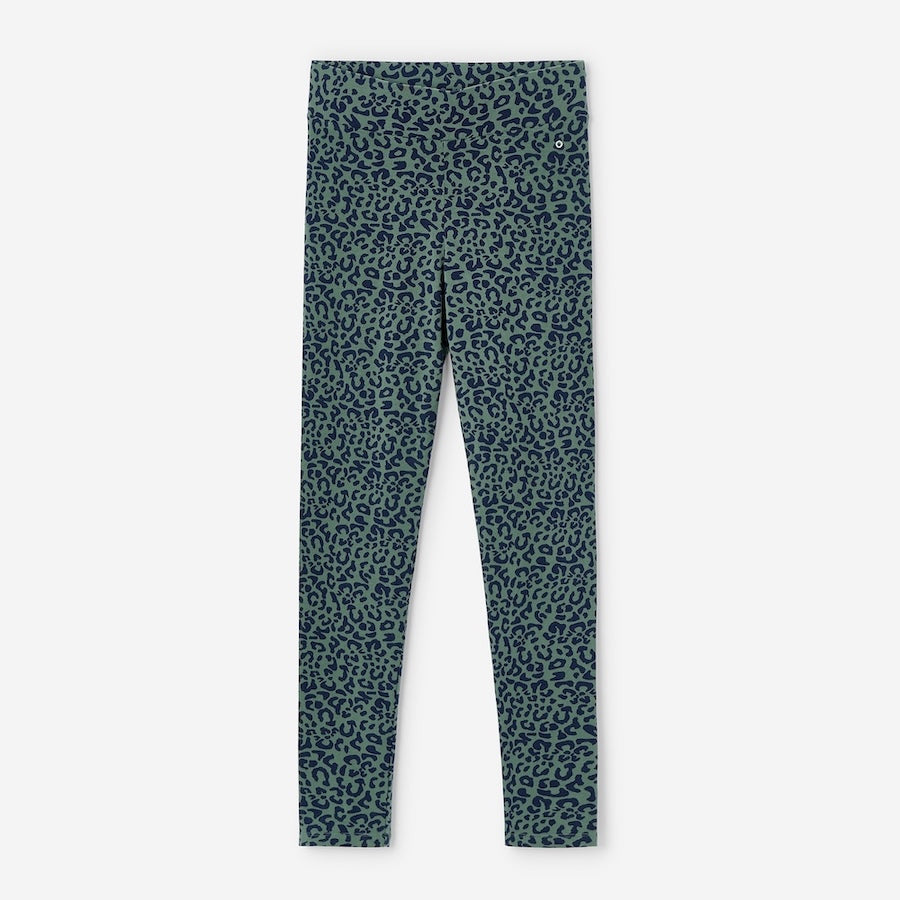
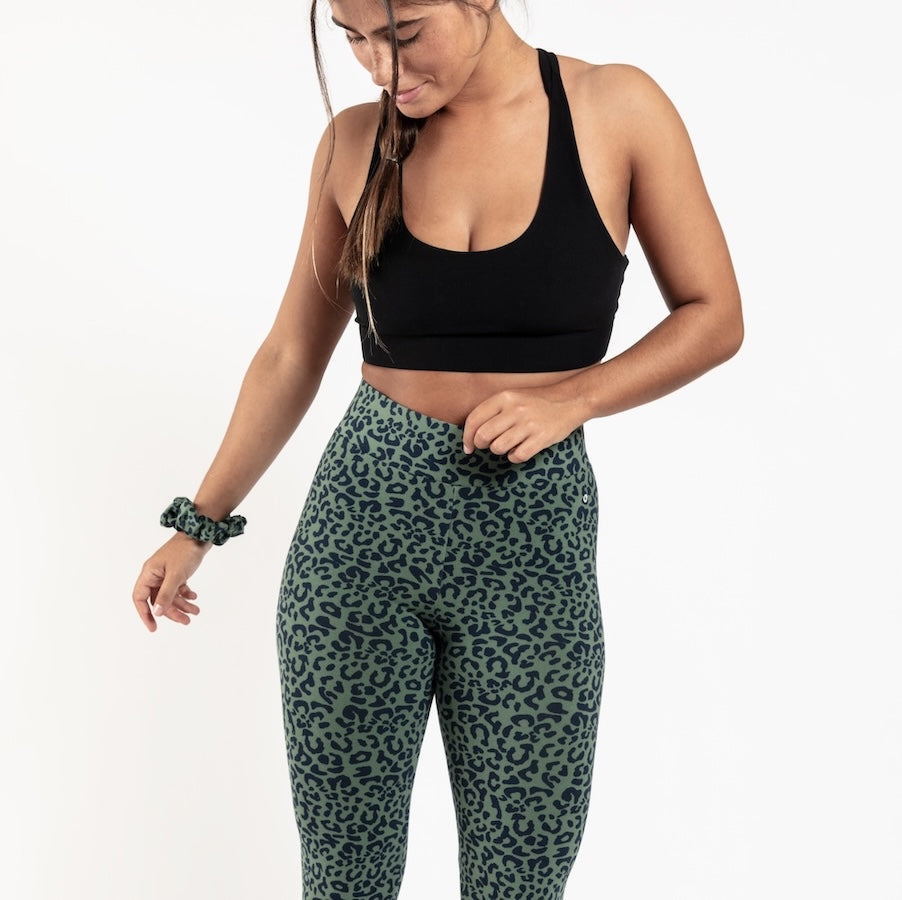
Storq ist aus gutem Grund ein Kultfavorit. Sie stellen bequeme, kombinierbare Umstands-Basics her, die sich an deinen sich verändernden Körper anpassen, ohne auf aggressive Chemikalien zurückzugreifen. Tatsächlich besteht die Mehrheit der Storq-Artikel aus Stoffen, die nach OEKO-TEX® Standard 100 zertifiziert sind, was bedeutet, dass sie auf Schadstoffe getestet wurden. Und noch wichtiger ist, dass sie in einer breiten Größenpalette erhältlich sind. Du findest figurbetonte Umstandsleggings, stilvolle Bleistiftröcke, kuschelige weite Hosen, modische Tankkleider und vieles mehr.
Mein Lieblingsteil an dieser Marke ist, dass du viele ihrer Umstandsartikel noch lange nach der Geburt deines Babys tragen kannst. Ihre Basics wie die Signature Leggings und das Anytime Tank Dress lassen sich problemlos in die Wochenbettkleidung integrieren. Storq hat auch eine spezielle Wochenbett- und Stillkollektion in den gleichen schadstofffreien Stoffen.
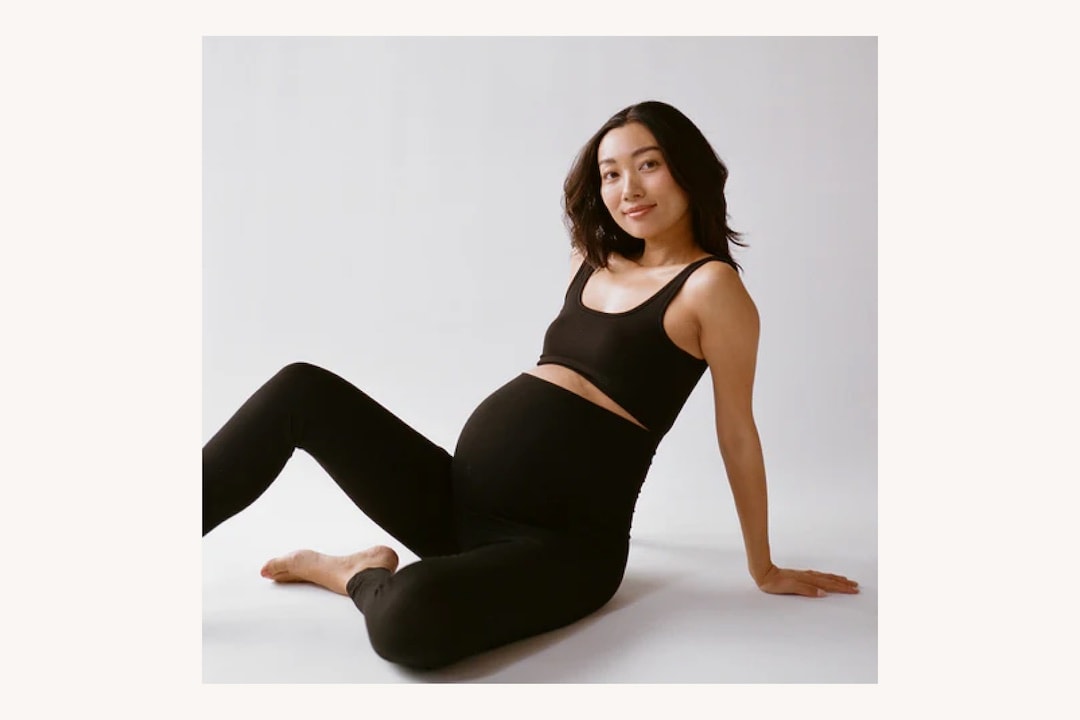
Monica + Andy – GOTS-zertifizierte Bio-Baumwoll-Loungewear & Morgenmäntel*
Am besten geeignet für: Krankenhaus-Morgenmäntel
Zertifizierungen: Global Organic Textile Standard (GOTS)
Biologische Materialien: 100 % Bio-Baumwolle
Größenbereich: XS/S - XL
Preisspanne: $37.00 - $74.00
Warum wir es mögen:
Du kennst Monica + Andy wahrscheinlich als Marke für Bio-Babykleidung, aber sie haben auch eine wunderschöne Umstandsmode-Kollektion. Alle ihre Umstandsartikel (wie der äußerst beliebte Krankenhaus-Morgenmantel) bestehen aus GOTS-zertifizierter Bio-Baumwolle, sodass du sicher sein kannst, dass keine schädlichen Pestizide oder Appreturen den Stoff berührt haben. Diese Morgenmäntel und Loungewear-Sets sind ultraweich, atmungsaktiv und sicher für längeren Hautkontakt (wichtig, wenn du den ganzen Tag entspannst oder stillst).
Diese atmungsaktiven Morgenmäntel sind warm und doch leicht genug, um den ganzen Tag getragen zu werden. Sie sind ein absolutes Muss, um während der späten Schwangerschaft und der Genesung nach der Geburt bequem zu bleiben. Und das Beste daran? Sie passen sich wunderschön an die Veränderungen deines Körpers an und bleiben dabei durchweg natürlich schmeichelhaft!
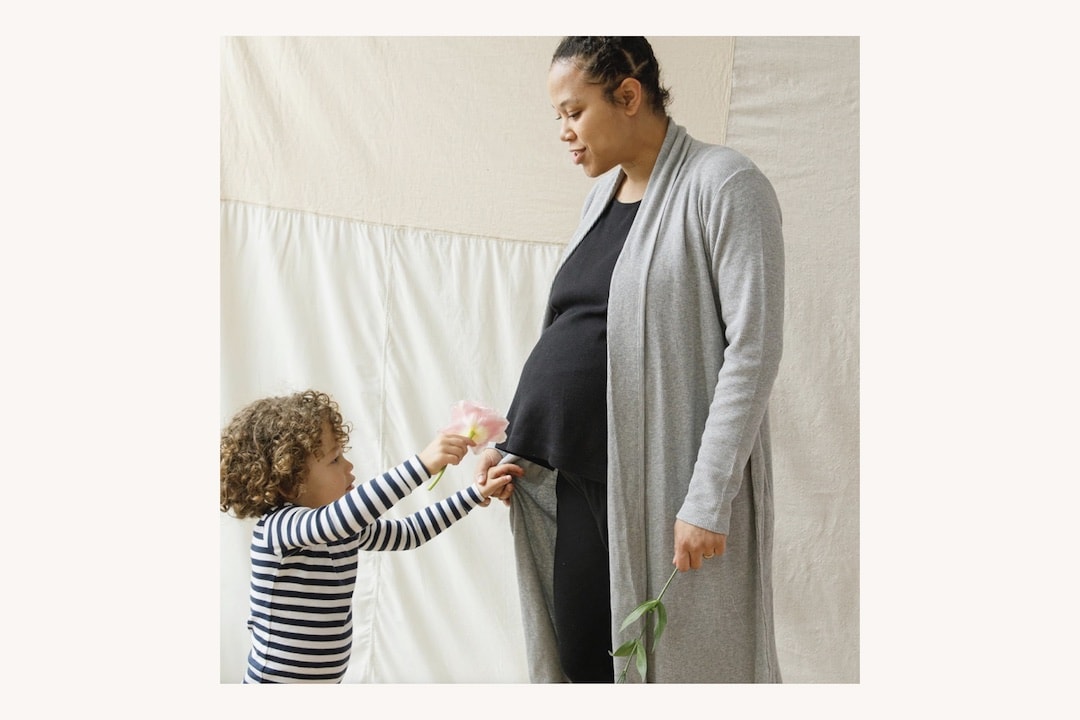
Bodily – Umstands-BHs & Tops für Schwangerschaft, Stillzeit & Brustfütterung*
Am besten geeignet für: Tops & BHs
Zertifizierungen: OEKO-TEX® Standard 100
Schadstofffreie Materialien: Viskose, Micromodal, Elasthan
Größenbereich: S - 3XL
Preisspanne: $49.00 - $58.00
Warum wir es mögen:
Wenn deine Brüste schmerzen und sich ständig verändern, ist das Letzte, was du willst, ein BH, der deine Haut irritiert. Bodily löst dieses Problem mit seinen OEKO-TEX® Standard 100 zertifizierten Umstands-BHs und -Tops, die aus einer superweichen Mikromodal-Mischung hergestellt werden. Mikromodal ist eine Rayon-Alternative, die tatsächlich weicher als Baumwolle ist – perfekt für empfindliche Haut – und Bodilys Stoff wurde getestet, um sicherzustellen, dass keine schädlichen Chemikalien (wie Formaldehyd oder Azofarbstoffe) vorhanden sind.
Ich liebe, wie sie dehnbaren Halt bieten, der sich deinen sich verändernden Brüsten anpasst und gleichzeitig bequem genug ist, um den ganzen Tag getragen zu werden. Diese schadstofffreien Umstands-Essentials sind sogar zu einem Favoriten zum Schlafen geworden, wodurch das Stillen einfacher und die Nächte angenehmer werden!
Wenn du zwischen zwei Größen liegst oder sich deine Größe schnell ändert, passen Bodilys umfassende Größen und der nachgiebige Stoff. Es ist ein großartiges Beispiel dafür, wie eine Marke Komfort + Sicherheit vereint: keine schädlichen Chemikalien, nur wolkenweiche Weichheit.
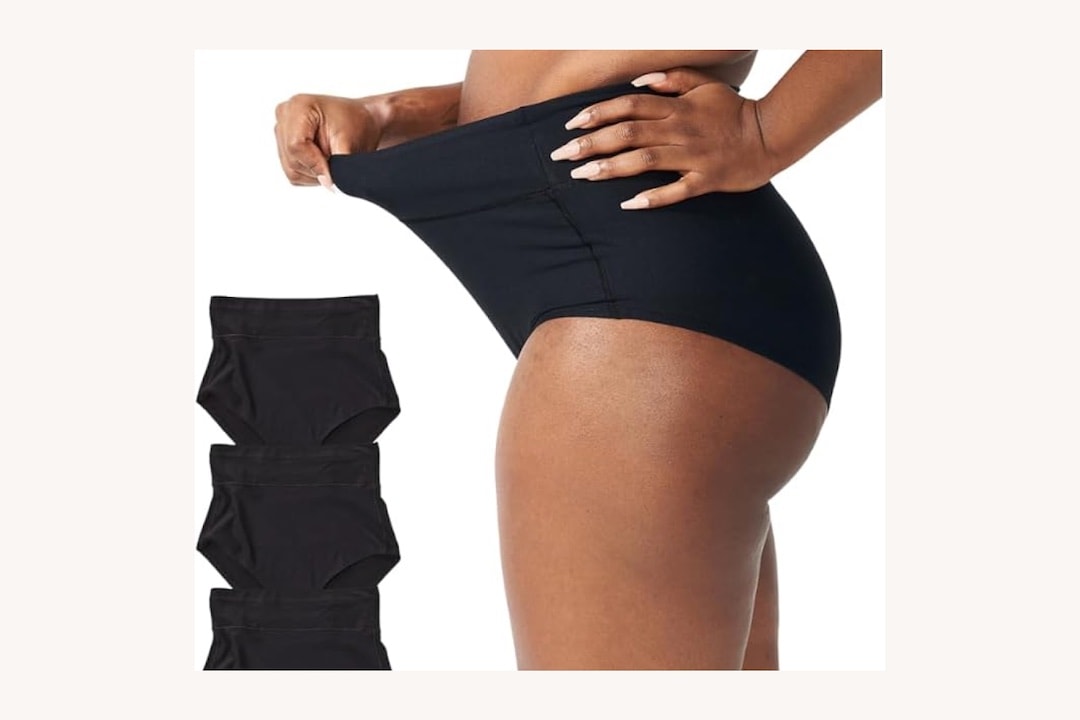
Quince – Die beste preisgünstige, schadstofffreie Umstands-Basics*
Am besten geeignet für: Erschwingliche, schadstofffreie Umstandsmode
Zertifizierungen: Organic Content Standard, OEKO-TEX® Standard 100
Schadstofffreie Materialien: Leinen, Baumwolle, Modal, Seide, Spandex, Nylon
Größenbereich: XS - XL
Preisspanne: $19.90 - $139.90
Warum wir es mögen:
Wenn du eine Umstandsgarderobe mit kleinem Budget aufbauen möchtest, ohne Kompromisse bei der Sicherheit einzugehen, ist Quince ein Juwel. Diese Direktvertriebsmarke bietet erstaunlich erschwingliche Preise für hochwertige Basics – und viele ihrer Umstandsartikel verwenden biologische oder OEKO-TEX®-zertifizierte Stoffe. Zum Beispiel besteht das Organic Cotton Maternity Tee von Quince aus GOTS-Bio-Baumwolle, kostet aber unter 25 US-Dollar!
Bei Quince bekommst du alle Essentials: dehnbare Umstandsjeans (aus BCI-Baumwolle und einem bequemen, schadstofffreien Stretch-Einsatz), gerippte Midikleider, Over-the-Bump-Leggings und gemütliche Pullover. Die Farbpalette ist neutral und vielseitig. Nicht jeder einzelne Artikel ist zertifiziert, daher empfehlen wir, die Produktbeschreibungen zu überprüfen – Quince ist ziemlich transparent bezüglich des Stoffinhalts. Bleibe bei ihren Bio-Baumwoll-, Leinen- und Tencel-Artikeln für die sichersten Wetten (diese sind tendenziell von Natur aus frei von Schadstoffen).
Nicht alle Umstandskleider von Quince sind OEKO-TEX-zertifiziert, daher solltest du die Etiketten doppelt prüfen.
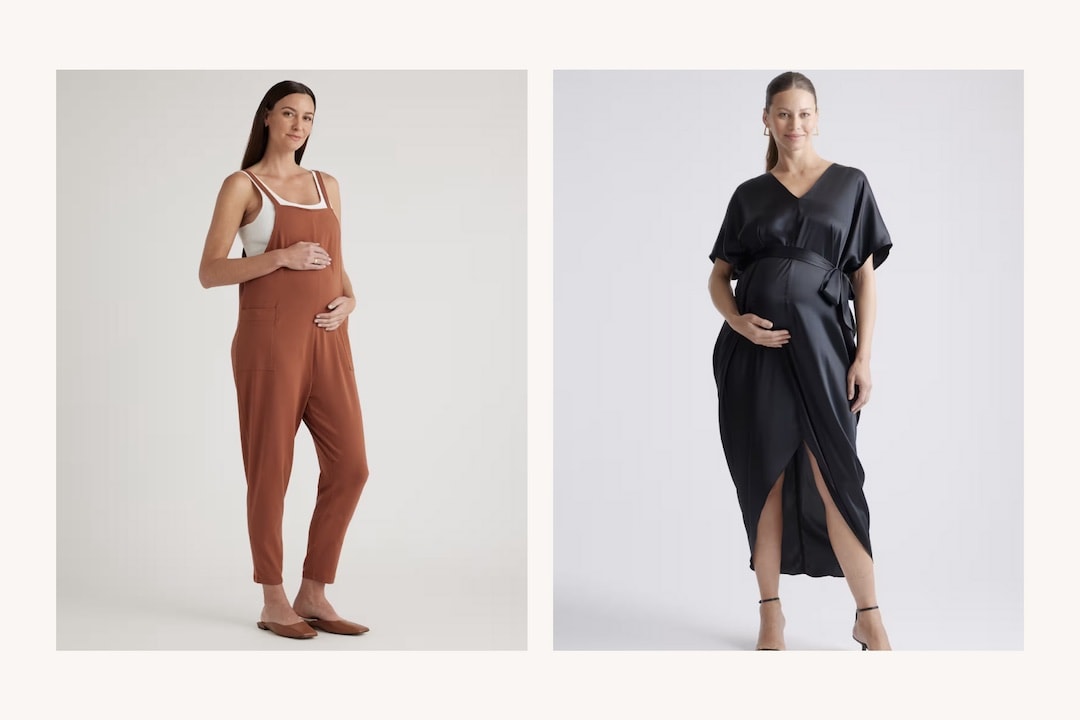
MATE The Label – Umstands- & Stillfreundliche Loungewear*
Am besten geeignet für: Bequeme Loungewear
Zertifizierungen: Climate Neutral, B Corp, GOTS
Organische Fasern: 100 % Bio-Baumwolle
Größenbereich: XS - XXL
Preisspanne: €26.00 - €270.90
Warum wir es mögen:
MATE the Label ist keine reine Umstandsmodemarke, aber es könnte eine sein, wenn es um schadstofffreie Wohlfühlkleidung geht. Dieses in LA ansässige Unternehmen stellt nachhaltige Basics her – Jogginghosen, Sweatshirts, T-Shirts und Shorts – alle aus GOTS-zertifizierter Bio-Baumwolle oder anderen schadstofffreien Materialien. Die Schnitte sind von Natur aus locker oder dehnbar, was bedeutet, dass viele ihrer Styles perfekt für einen wachsenden Bauch (und auch für die Zeit nach der Geburt) geeignet sind.
Ihre butterweichen T-Shirts, Jogginghosen und Sweatshirts aus Bio-Baumwolle sind ideal für gemütliche Tage zu Hause und sogar für kurze Ausflüge mit einem Neugeborenen.
MATE bietet Umstandskleidung aus Bio-Baumwolle an. Vergleiche Faserzusammensetzung, Passform und Zertifizierungsangaben zum konkreten Kleidungsstück. Ein Unternehmenszertifikat belegt keine Schadstofffreiheit jedes Produkts.
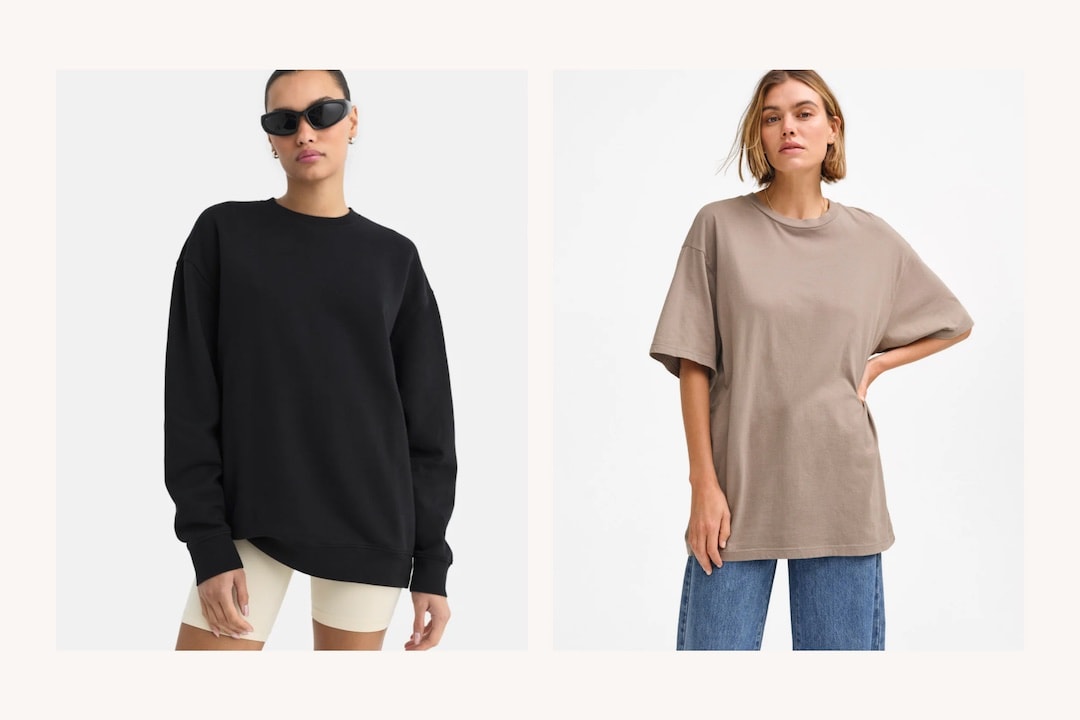
Q for Quinn – Bio-Baumwoll-Umstandshochbund-Slips*
Am besten geeignet für: Hochbund-Slips
Zertifizierungen: Global Organic Textile Standard (GOTS), OEKO-TEX® Standard 100
Nachhaltige Stoffe: 95 % Bio-Baumwolle, 5 % Elasthan
Größenbereich: XS - 3XL
Preisspanne: $25.00
Warum wir es mögen:
Reden wir über Umstandsunterwäsche – denn ja, sogar deine Unterwäsche verdient die schadstofffreie Behandlung! Q for Quinn ist eine Marke für saubere Kleidung, die superweiche Unterwäsche aus Bio-Baumwolle herstellt, einschließlich spezieller Modelle für die Schwangerschaft. Ihre gesamte Baumwolle ist GOTS-zertifiziert und die Gummibänder sind OEKO-TEX®-zertifiziert, sodass nichts in diesen Höschen dich schädlichen Substanzen aussetzt. Du wirst lieben, wie butterweich sich die Bio-Baumwoll-Umstandsunterwäsche der Marke auf deiner Haut anfühlt. Mit flachen Nähten und komplett ohne Etikett sind diese Umstandsslipe ideal für empfindliche Haut.
Meine Top-Empfehlung für zusätzlichen Komfort, wenn dein Bauch wächst, ist ihr hoch taillierter Slip. Diese Bio-Slips sitzen bequem auf deinem wachsenden Bauch und fühlen sich überhaupt nicht einengend an!
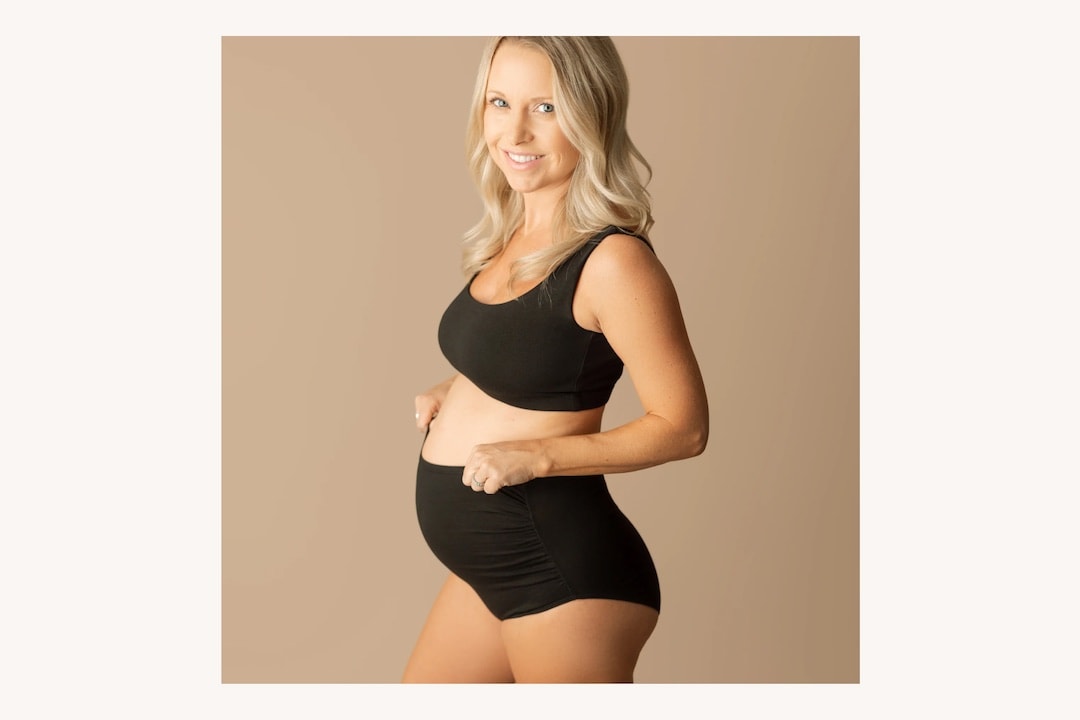
Nest Designs – Beste Bio-Baumwoll-Still-Nachtwäsche*
Am besten geeignet für: Nachtwäsche
Zertifizierungen: Global Organic Textile Standard (GOTS), OEKO-TEX® Standard 100
Organische Materialien: Bio-Baumwolle, Bambusviskose, Elasthan
Größenbereich: XS - 2XL
Preisspanne: $81.00
Warum wir es mögen:
Während der Schwangerschaft (und in den frühen Tagen nach der Geburt) ist Schlaf kostbar – und bequeme, schadstofffreie Nachtwäsche kann einen Unterschied machen. Nest Designs, ursprünglich eine kanadische Marke, die für Babyschlafanzüge bekannt ist, bietet fabelhafte stillfreundliche Pyjamas aus Bio-Baumwolle und Bambusmischungen an. Alle Stoffe sind OEKO-TEX®-zertifiziert und viele Artikel verwenden GOTS-Bio-Baumwolle, sodass du ohne Sorge vor schädlichen Rückständen schlummern kannst.
Du kannst Nests Bambusviskose-Pyjamas für zusätzliche Flexibilität oder Bio-Baumwoll-Pyjama-Sets für maximalen Komfort wählen. Mit locker sitzenden Hosen und einfach zu bedienenden Druckknöpfen bleibst du bequem und hast jederzeit schnellen Zugang zum Stillen.
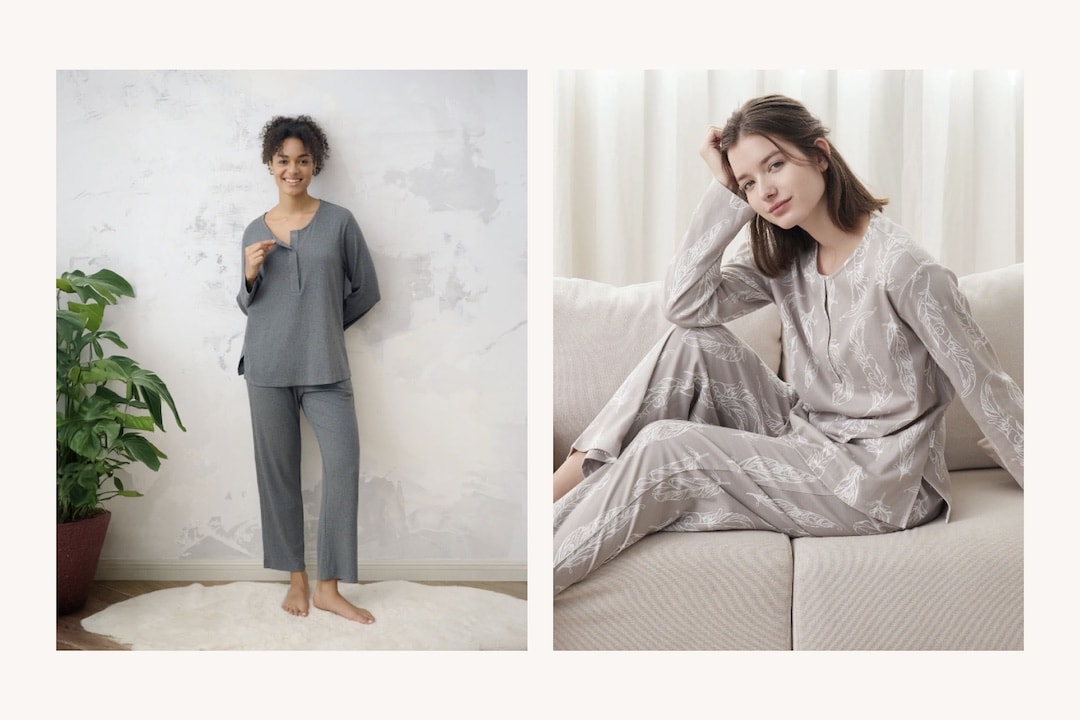
Was ist die „bessere“ schadstofffreie Umstandskleidung? (Immer noch sicher)
Kindred Bravely – Bequeme Still-BHs & Umstandsunterwäsche*
Am besten geeignet für: Freihändiges Abpumpen & Still-BH
Zertifizierungen: N/A
Schadstofffreie Fasern: Nylon, Spandex
Größenbereich: XS - 2XL
Preisspanne: $54.90
Warum wir es mögen:
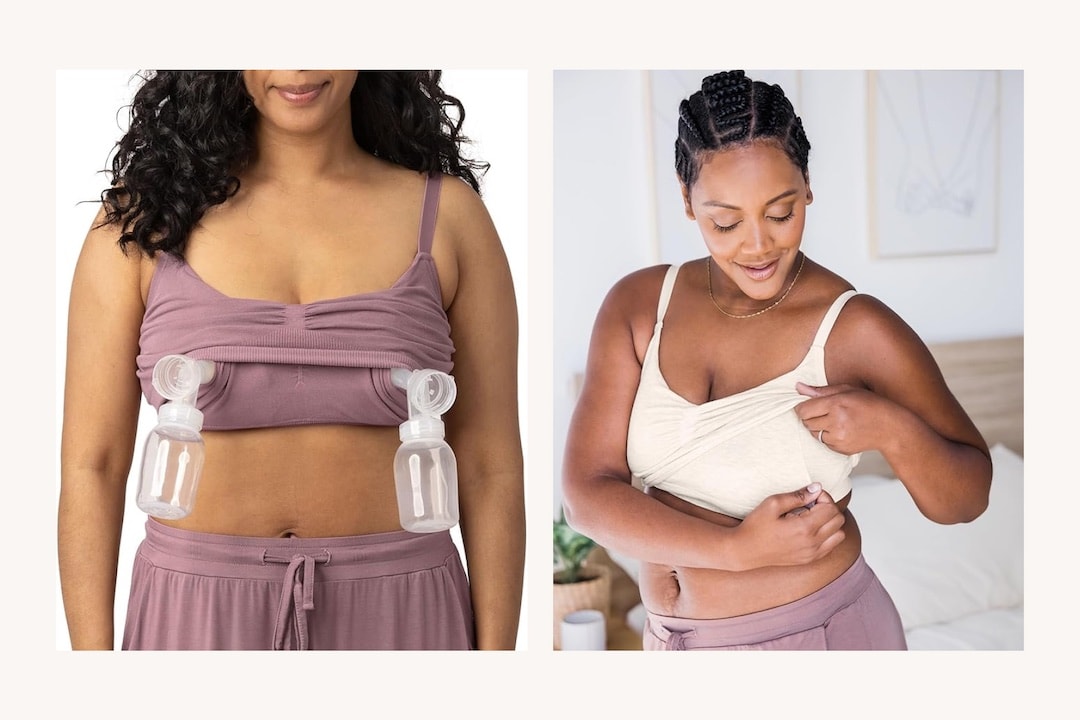
Der Abpump- und Still-BH von Kindred Bravely ist ein absoluter Game-Changer für stillende Mütter!
Mit einem patentierten Doppelschichtsystem macht dieser preisgekrönte Umstands-BH das Wechseln zwischen Abpumpen und Stillen zum Kinderspiel. Du kannst sogar beides gleichzeitig tun! Was ihn aber wirklich auszeichnet, ist das freihändige Abpumpen, sodass du während jeder Sitzung nicht alles festhalten musst.
Dieser Abpump-BH passt gut und sicher zu allen gängigen Milchpumpen. Außerdem ist er einer der wenigen BHs, der sowohl dein Unterbrustband als auch deine neu vergrößerte Cup-Größe wirklich gut sitzt.
Warum „Besser“? Wir stufen Kindred Bravely als „Besser“ ein, weil sie zwar Sicherheit priorisieren, aber keine umfassenden Bio-Zertifizierungen von Drittanbietern haben. Die Stoffe sind hauptsächlich synthetisch. Dennoch gibt das Unternehmen an, dass seine Stoffe getestet und frei von schädlichen Giftstoffen sind. Nichtsdestotrotz, wenn du einen funktionalen Abpump-BH oder Umstandsunterwäsche benötigst, die weitaus sicherer ist als die Marken aus großen Kaufhäusern, ist Kindred Bravely eine zuverlässige Wahl.
Isabella Oliver – Schicke & sichere Umstandskleidung (UK Marke)*
Am besten geeignet für: Umstandsjeans
Zertifizierungen: B Corp
Natürliche Materialien: 99 % Bio-Baumwolle, 1 % Elasthan
Größenbereich: 0 - 5
Preisspanne: £119.00
Warum wir es mögen:
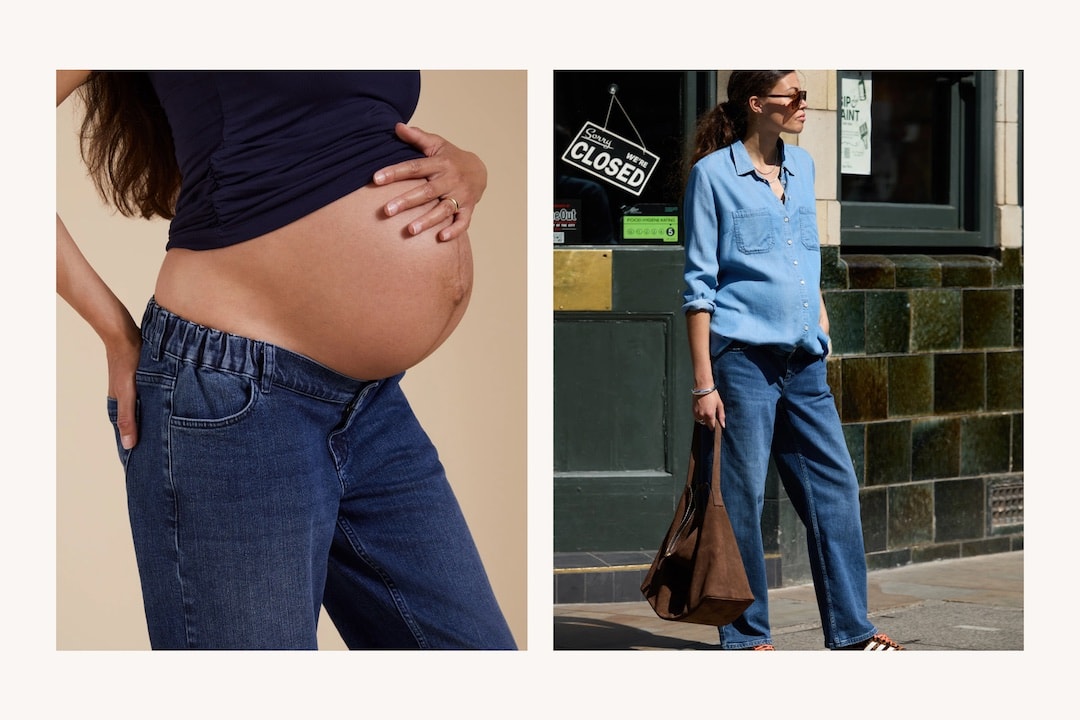
Wer sagt, dass Umstandskleidung nicht schick sein kann? Wenn du in jeder Phase der Schwangerschaft stilvoll aussehen möchtest, wirst du Isabella Olivers schadstofffreie Umstandskleidung lieben. Diese nachhaltige Marke bietet modische Umstandskleidung für werdende Mütter, die weder Stil noch Komfort opfern wollen.
Ein Muss? Ihre Umstandsjeans aus Bio-Baumwolle sind eine gute Wahl für deine Alltagslooks. Du findest Modelle, die unter dem Bauch sitzen oder bequem darüber. Du kannst auch zwischen Wide-Leg-, Boyfriend- oder Skinny-Jeans wählen, passend zu deinem bevorzugten Stil!
Warum „Besser“? Wenn du nicht auf Mode verzichten möchtest, beweist diese Marke, dass man trendig und bewusst sein kann. Ihre Stücke sind oft Investitionsartikel (etwas teurer), aber sie halten gut. Viele haben clevere Anpassungsmöglichkeiten, um mit deinem Bauch mitzuwachsen, was bedeutet, dass du sie lange tragen wirst. Beachte, dass die Größen kleiner ausfallen (da es sich um UK/europäische Größen handelt). Und der Versand in die USA ist möglich.
Christy Dawn – Am besten für schicke Umstandskleider*
Am besten geeignet für: Süße Umstandskleider
Zertifizierungen: N/A
Materialien: Regenerative Bio-Baumwolle
Größenbereich: XS - 2XL
Preisspanne: $198.00 - $328.00
Warum wir es mögen:
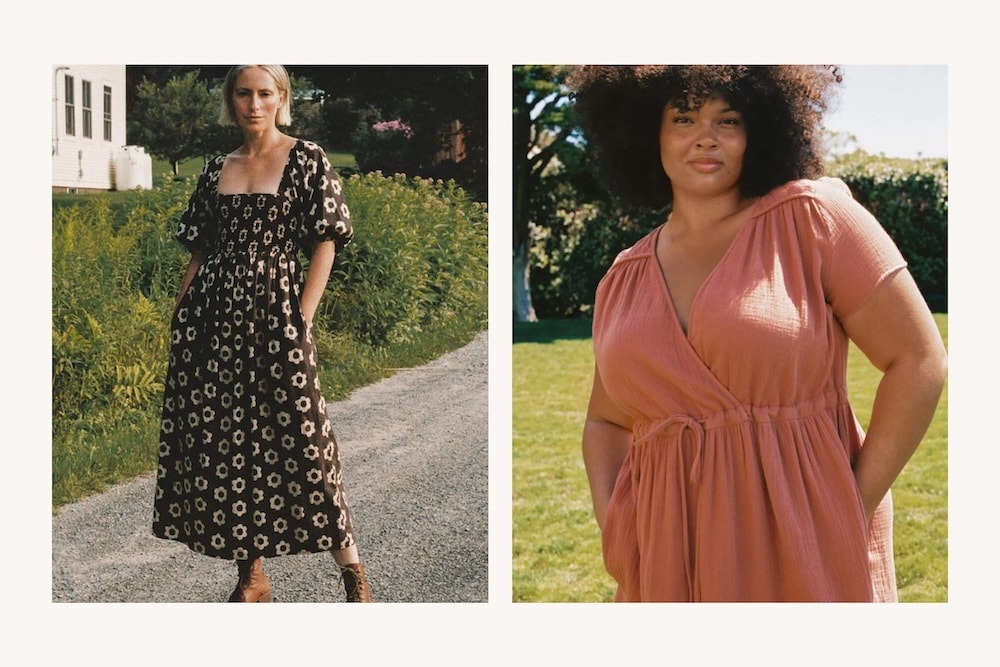
Möchtest du einen mühelosen, romantischen Look, den du überall tragen kannst? Genau das bekommst du mit Christy Dawn Umstands-Sommerkleidern. Diese atmungsaktiven Kleider aus Bio-Baumwolle verleihen dir einen schmeichelhaften Look und halten dich an warmen Sommertagen kühl.
Mit durchdachten Details wie einem elastischen Bund und gerafften Einsätzen passen sich diese süßen Umstandskleider deiner sich verändernden Figur an und lassen deinen Babybauch besonders süß aussehen!
Warum „Besser“? Da Christy Dawn keine Drittanbieter-Zertifizierung besitzt, stufen wir es als „Besser“ ein. Angesichts ihrer transparenten Lieferkette und der Verwendung biologischer Methoden sind wir jedoch davon überzeugt, dass diese Kleidung so schadstofffrei wie möglich ist.
Secondhand- & Mietoptionen für Umstandskleidung (budgetfreundlich & umweltfreundlich)
Wer sagt, dass du deine gesamte Umstandskleidung neu kaufen musst? Tatsächlich ist eine der umweltfreundlichsten und schadstofffreiesten Arten, deinen Babybauch zu kleiden, Secondhand-Kleidung oder Mietdienste zu nutzen. Hier erfährst du, warum das eine kluge Entscheidung ist:
-
Weniger chemische Rückstände: Gebrauchte Kleidung wurde in der Regel bereits viele Male gewaschen, wodurch viele Oberflächenchemikalien, die neue Kleidung enthält, entfernt werden. Alle Herstellungsrückstände (überschüssige Farbstoffe, Appreturen) werden stark reduziert. Wenn du das gebrauchte Umstandskleid anziehst, hat es wahrscheinlich die meisten seiner ursprünglichen „Fabrik“-Chemikalien abgestoßen.
-
Geringere Kosten: Umstandskleidung wird nur für einen kurzen Zeitraum getragen. Spare Geld, indem du sie auf Flohmärkten kaufst oder leihst! Du findest kaum getragene Umstandsjeans oder Oberteile auf Wiederverkaufsplattformen zu einem Bruchteil des Einzelhandelspreises.
-
Umweltfreundlich: Du verlängerst die Lebensdauer von Kleidungsstücken und hältst sie von Mülldeponien fern, was immer ein Gewinn für den Planeten ist.
Du kannst auch gebrauchte Umstandskleidung kaufen oder mieten und dabei unerwünschte Giftstoffe vermeiden.
Die Miete von Umstandskleidung ist günstiger und umweltschonender, besonders wenn du bestimmte Kleidungsstücke nur einmal für besondere Anlässe wie eine Babyparty tragen wirst.
Du kannst Plattformen wie ThredUp Maternity, Poshmark, lokale Facebook-Gruppen für Umstandskleidung oder Verleihfirmen mit Umstandsoptionen durchsuchen.
Fragst du dich, welche Chemikalien in normaler Umstandskleidung lauern könnten? Werfen wir einen Blick darauf!
Schädliche Chemikalien in konventioneller Umstandskleidung
Zu verstehen, warum bestimmte Chemikalien in deiner Kleidung sein können und wie sie dich und dein Baby beeinflussen könnten, ist der Schlüssel, um sicherere Entscheidungen zu treffen. Hier ist ein genauerer Blick auf die Giftstoffe in normaler Kleidung:
-
Perfluoralkyl- und Polyfluoralkylsubstanzen (PFAS): Diese Ewigkeitschemikalien werden normalerweise zu „schmutzabweisenden“ und „wasserdichten“ Kleidungsstücken hinzugefügt. PFAS wurden mit Schwangerschaftsdiabetes, mütterlichen hypertensiven Störungen, Präeklampsie, Frühgeburten, niedrigem Geburtsgewicht, Geburtsfehlern und Fehlgeburten in Verbindung gebracht.
-
Phthalate: Diese hormonstörenden Chemikalien werden häufig als Weichmacher in synthetischen Stoffen verwendet. Laut einem Kinderarzt am Boston Children’s Hospital kann der Kontakt mit Phthalaten während der Schwangerschaft das Risiko für Sprach- und motorische Entwicklungsverzögerungen erhöhen.
-
Formaldehyd: Dieses bekannte Karzinogen wird zur knitterfreien Veredelung verwendet. Hoher beruflicher Kontakt mit dieser Chemikalie kann die Wahrscheinlichkeit einer Fehlgeburt erhöhen. Obwohl Kleidung normalerweise nur geringe Mengen enthält, kann es bei manchen Menschen dennoch allergische Hautreaktionen hervorrufen.
-
AZO-Farbstoffe: Deine leuchtend bunten Kleidungsstücke können mit AZO-Farbstoffen gefärbt sein. Diese giftigen Farbstoffe können in aromatische Amine zerfallen, von denen einige krebserregend sind und Hautirritationen verursachen können. Zusätzlich können hohe Konzentrationen dieser Chemikalien das Risiko für Schwangerschaftsdiabetes um bis zu 18 % erhöhen.
-
Schwermetalle: Diese giftigen Chemikalien können auch in leuchtend bunten Synthetik-Kleidungsstücken vorhanden sein. Schwermetalle wie Cadmium und Blei können das Risiko für ADHS und/oder Autismus erhöhen.
-
Pestizidrückstände: Bestimmte Pestizide werden mit Krebs und Hormonstörungen in Verbindung gebracht.
Nachdem du nun weißt, welche Chemikalien du meiden solltest, erfährst du einfache Tricks, um Umstandskleidung auf Sicherheit zu prüfen!
Woran erkennt man, ob Umstandskleidung schadstofffrei ist?
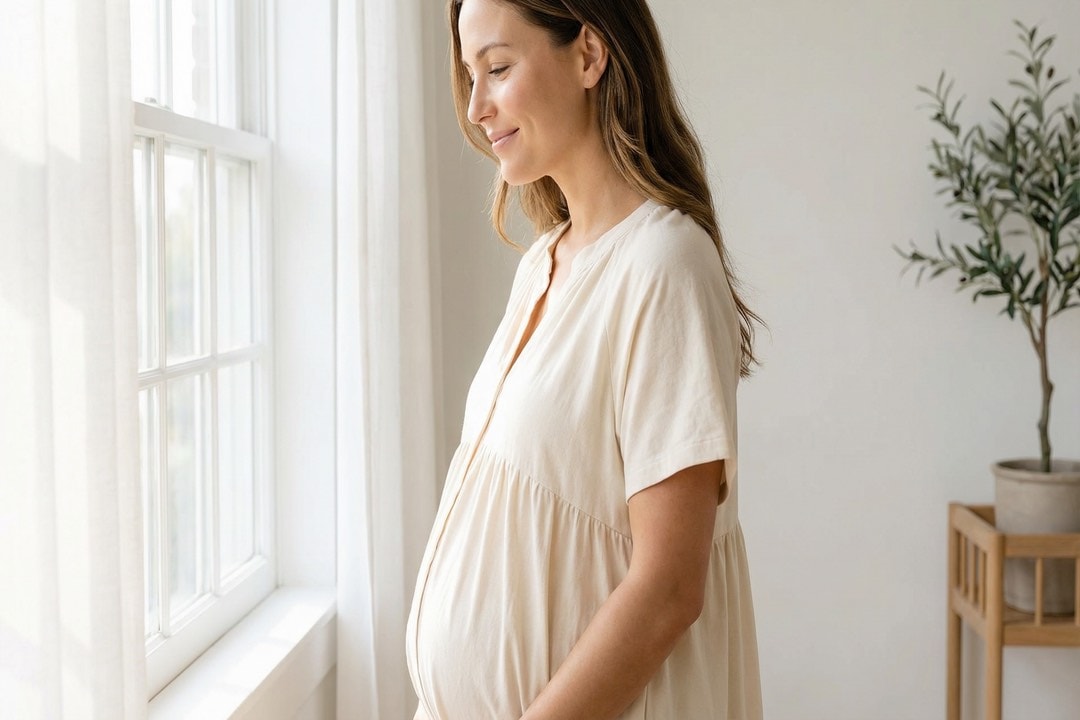
Nun, da du weißt, was du vermeiden solltest, erfährst du hier, wie du wirklich schadstofffreie, biologische Umstandskleidung findest, die dich und dein Baby schützt:
-
Naturfasern: Bevorzuge Umstandskleidung aus Naturfasern wie Baumwolle, Leinen, Seide, Hanf und Wolle. Diese Stoffe sind atmungsaktiv, schonender für deine Haut und enthalten weniger Chemikalien.
-
Ungiftige Farbstoffe: Reduziere deine Exposition gegenüber schädlichen Azofarbstoffen und Schwermetallen, indem du Marken wählst, die pflanzliche oder umweltfreundliche Farbstoffe verwenden.
-
Keine schädlichen Behandlungen: Vermeide Kleidung, die als „schmutzabweisend“, „geruchsabweisend“, „wasserdicht“ oder „knitterfrei“ gekennzeichnet ist, da diese wahrscheinlich mit aggressiven Chemikalien behandelt wurde.
-
Zertifizierungen durch Dritte: Priorisiere Marken mit vertrauenswürdigen Zertifizierungen durch Dritte wie dem Global Organic Textile Standard (GOTS) und dem OEKO-TEX® Standard 100, die garantieren, dass deine Umstandskleidung vollständig schadstofffrei ist.
Wenn du auf „Organic Content Standard (OCS)“ bei einem Artikel stößt, bedeutet dies, dass der Stoff einen bestimmten Prozentsatz an Bio-Fasern enthält (z. B. OCS 100 bedeutet 95 %+ Bio). Es deckt keine Verarbeitungschemikalien wie GOTS ab, weist aber dennoch darauf hin, dass das Grundmaterial biologisch ist.
Wichtigste Erkenntnisse
-
Konventionelle Umstandskleidung kann einen Cocktail aus Chemikalien enthalten (wie PFAS, Phthalate, Schwermetalle und Formaldehyd). Diese Substanzen wurden mit Schwangerschaftsrisiken und potenziellen Auswirkungen auf die Gesundheit deines Babys in Verbindung gebracht, daher lohnt es sich, nach sichereren Alternativen zu suchen.
-
Schadstofffreie Umstandskleidung wird ohne aggressive Chemikalien hergestellt. Sie verwendet Naturfasern (Bio-Baumwolle, Bambus-Lyocell usw.), schadstofffreie Farbstoffe und vermeidet schädliche Behandlungen. Das bedeutet weniger Reizungen für dich und ein geringeres Risiko der chemischen Exposition für dein sich entwickelndes Baby.
-
Achte auf Zertifizierungen wie GOTS und OEKO-TEX® Standard 100 bei Umstandsmode. Diese Labels geben dir die Gewissheit, dass der Artikel auf Sicherheit geprüft wurde – frei von Pestiziden, krebserregenden Farbstoffen und anderen Schadstoffen.
-
Erwäge Secondhand- oder Mietumstandskleidung, um Geld zu sparen und die Exposition zu reduzieren. Vorgetragene Kleidung wurde ausreichend gewaschen, um die meisten chemischen Rückstände zu entfernen, und du engagierst dich auch für nachhaltigen Konsum, indem du Kleidungsstücke wiederverwendest.
-
Du musst Stil oder Komfort nicht für Sicherheit opfern. Viele Marken bieten jetzt schicke, erschwingliche Umstandsoptionen an, die schadstofffrei sind. Von alltäglichen Leggings bis hin zu eleganten Kleidern kannst du eine komplette Umstandsgarderobe zusammenstellen, die dir ein gutes Gefühl gibt, innen und außen.
FAQs zu schadstofffreier Umstandskleidung
Was macht Umstandskleidung schadstofffrei?
„Schadstofffreie“ Umstandskleidung ist Kleidung, die in keiner Phase ohne schädliche Chemikalien hergestellt wurde. Das beginnt beim Stoff – idealerweise organische oder natürliche Fasern, die ohne giftige Pestizide angebaut wurden. Dann umfasst es die Verarbeitung: Schadstofffreie Kleidung vermeidet gefährliche Farbstoffe (keine Azofarbstoffe mit Schwermetallen) und hat keine schädlichen Oberflächenbehandlungen (kein Formaldehyd, keine PFAS-Beschichtungen usw.). Das Ergebnis ist ein Kleidungsstück, das beim Tragen keine Substanzen abgibt, die deine Haut reizen oder in deinen Körper aufgenommen werden könnten. Achte auf Zertifizierungen von Drittanbietern wie GOTS oder OEKO-TEX® – sie garantieren im Wesentlichen, dass ein Kleidungsstück diese schadstofffreien Kriterien erfüllt, indem es auf Dutzende von Chemikalien getestet wird.
Ist konventionelle Umstandskleidung mit Chemikalien behandelt?
Oft ja. Konventionelle Kleidung (Umstands- oder nicht) kann mit einer Vielzahl von Chemikalien behandelt werden, um Leistungsmerkmale hinzuzufügen. Zum Beispiel werden viele Umstandshosen und -blusen als knitterarm beworben (was wahrscheinlich bedeutet, dass eine formaldehydbasierte Appretur verwendet wurde). Sportliche Umstandsleggings oder -jacken könnten wasserdicht oder schmutzabweisend sein (was normalerweise PFAS-Behandlungen beinhaltet). Sogar grundlegende Dinge wie farbige Drucke könnten Plastisol-Tinten (mit Phthalaten) oder Farbstoffe mit Schwermetallen enthalten. Wenn ein Umstandskleidungsstück also nicht ausdrücklich als biologisch oder schadstofffrei gekennzeichnet ist, gehe davon aus, dass es einige chemische Appreturen oder Rückstände aus der Produktion enthält.
Welche Stoffe sind während der Schwangerschaft am sichersten?
Am besten eignen sich Naturfasern, besonders wenn sie biologisch sind. Bio-Baumwolle ist ein Star – sie ist atmungsaktiv, weich und ohne giftige Insektizide oder Herbizide angebaut, sodass du keine Pestizidrückstände auf deiner Haut hast. Leinen (aus Flachs) ist ein weiterer sicherer Naturstoff; es ist atmungsaktiv und stark (knittert, aber damit kann man leben oder bei Bedarf mit einem schadstofffreien Sprühstärke bügeln). Seide und Wolle sind ebenfalls natürlich – achte nur darauf, dass sie nicht mit Mottenschutzmitteln oder aggressiven Farbstoffen behandelt wurden (viele hochwertige Woll-/Seidenartikel sind in Ordnung). Für Kunstfasern sind Tencel (Lyocell) und Modal relativ sichere Optionen – sie werden aus pflanzlicher Zellulose in einem geschlossenen Kreislaufverfahren hergestellt, das Chemikalien recycelt, was zu einer sauberen Endfaser führt. Achte immer darauf, dass jeder Stoff, ob natürlich oder künstlich, farbecht ist (die OEKO-TEX®-Zertifizierung hilft hier).
Enthalten Umstandsleggings giftige Chemikalien?
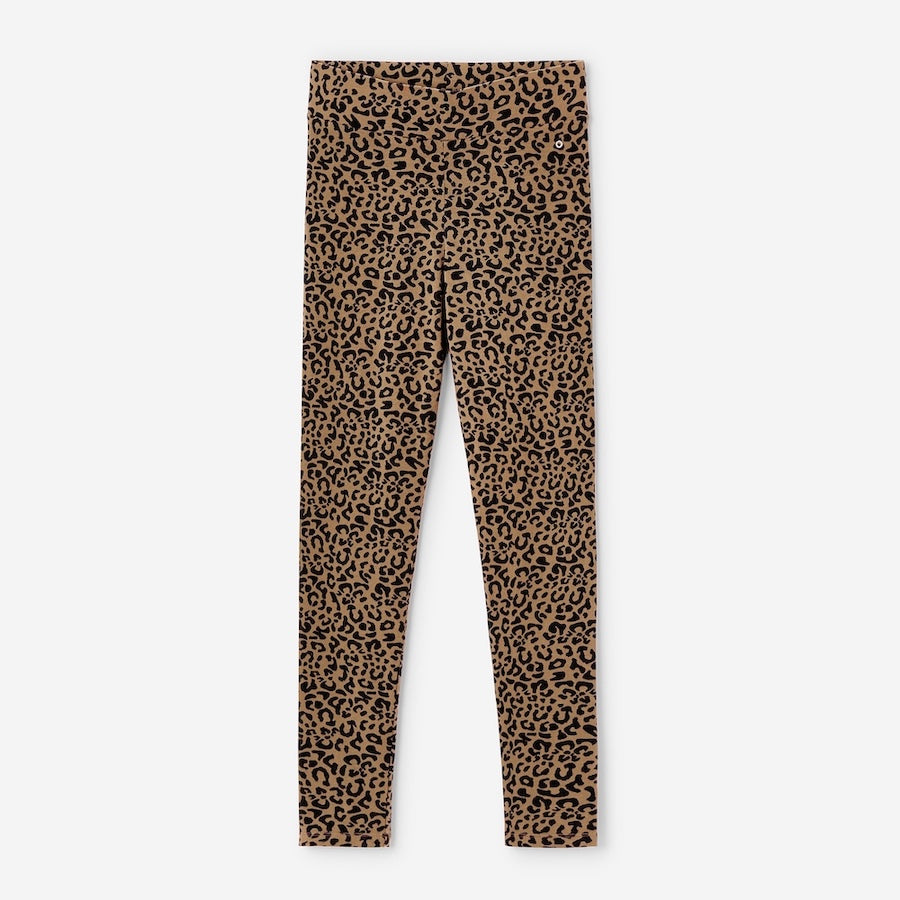
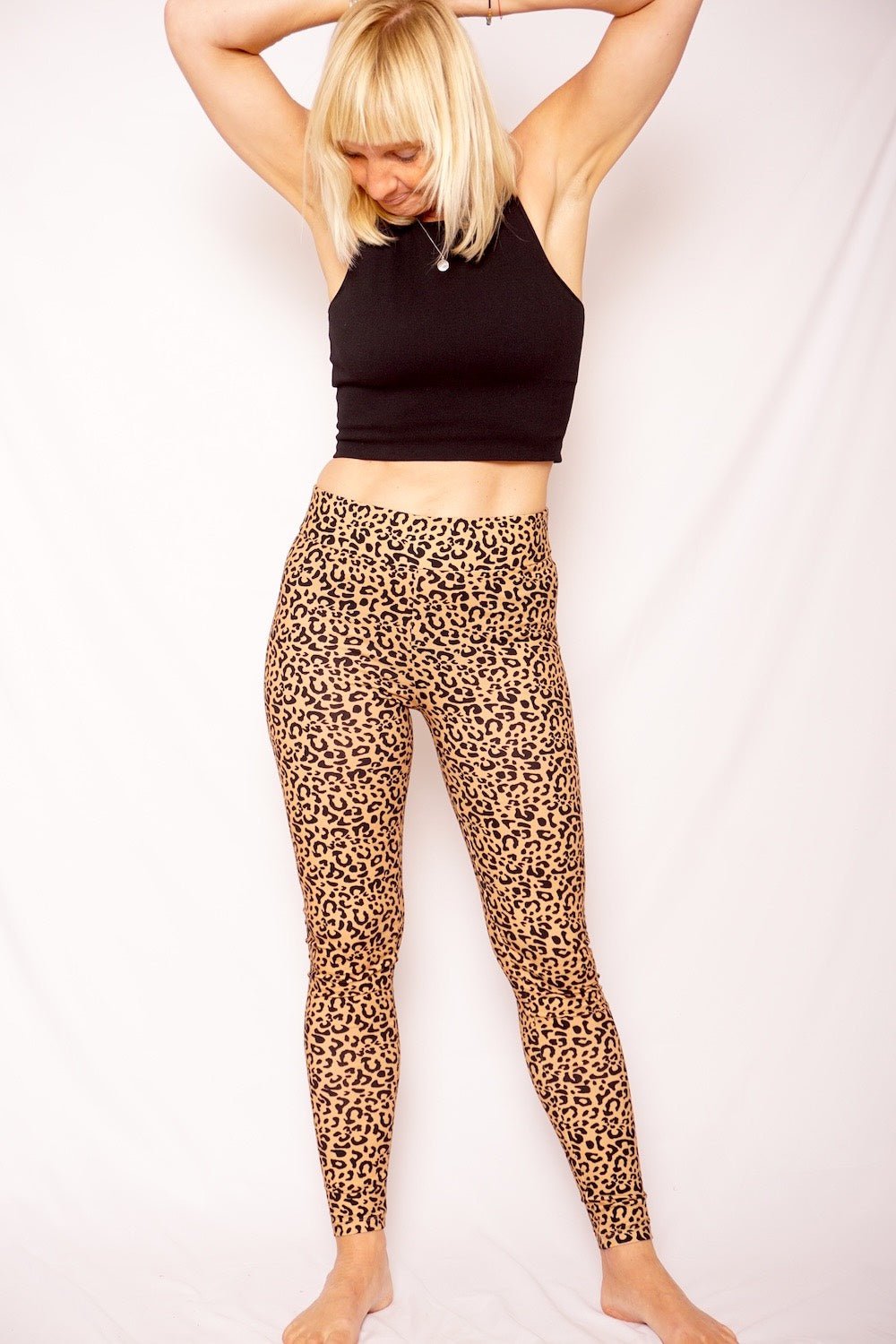
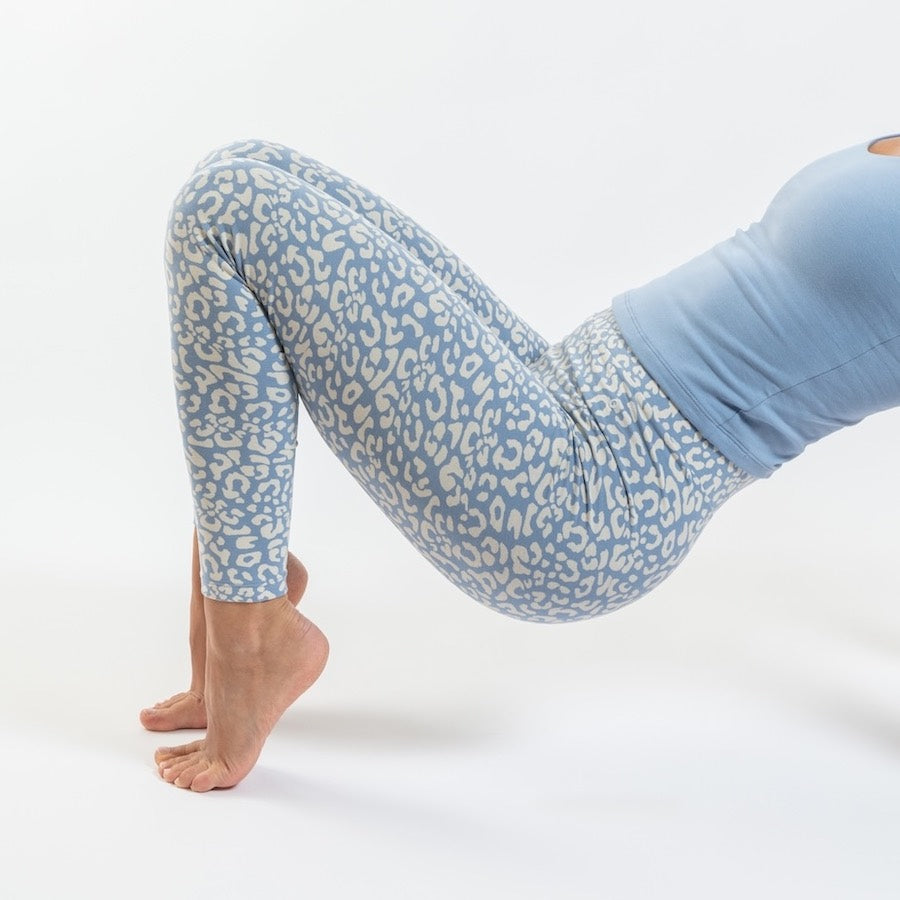
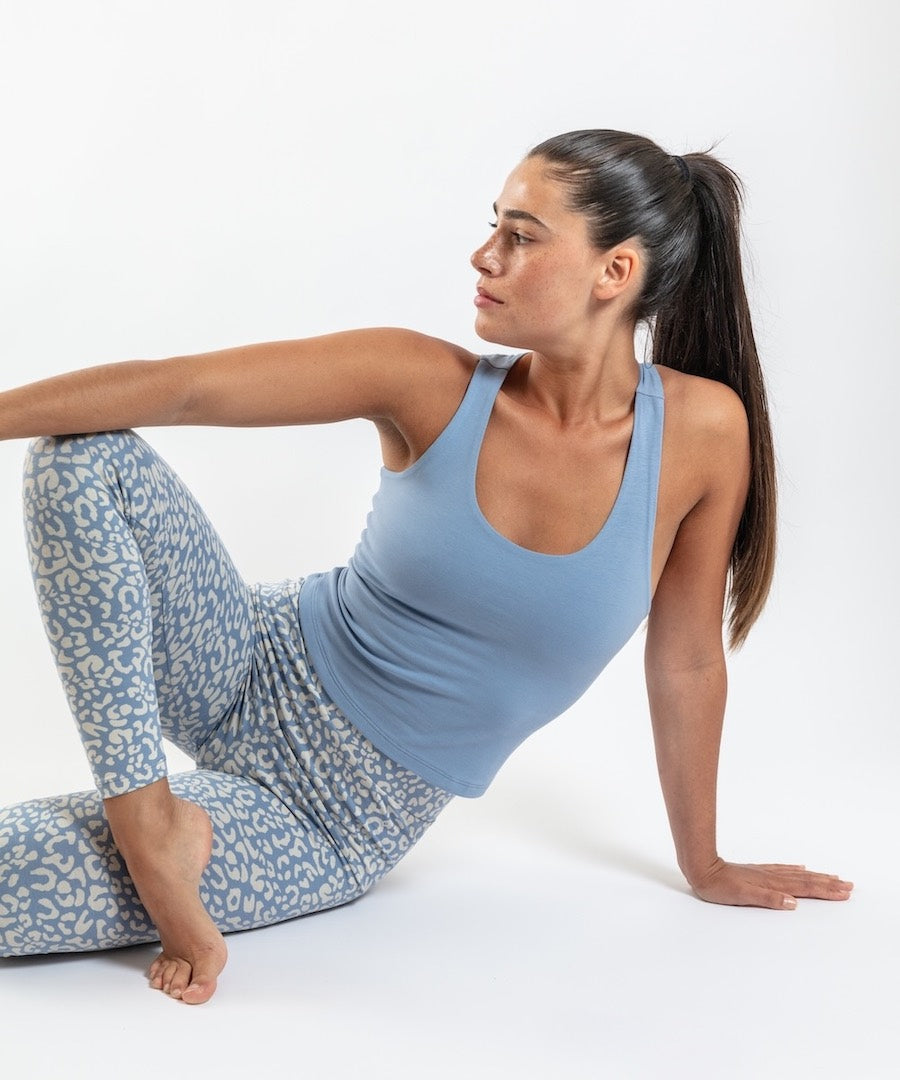
Das können sie. Viele Umstandsleggings werden aus Mischungen wie Polyester + Spandex oder Nylon + Spandex hergestellt, um Dehnbarkeit und Halt zu bieten. An sich sind diese Materialien nicht giftig, aber die Sorge liegt in den Zusatzstoffen. Einige Performance-Leggings enthalten PFAS für Wasser-/Ölabweisung (zum Beispiel wurden bestimmte Sportleggings auf Fluor, einen PFAS-Marker, getestet). Zusätzlich sind an der Herstellung von Spandex (Elasthan) und Polyester Chemikalien beteiligt, die in Spurenmengen zurückbleiben können. Allerdings sind nicht alle Leggings schlecht – wenn ein Paar Umstandsleggings OEKO-TEX®-zertifiziert ist, bedeutet dies, dass sie getestet wurden und keine unsicheren Mengen an Formaldehyd, Blei usw. enthalten sollten. Es gibt auch Leggings aus Bio-Baumwolle mit einem Hauch Spandex – diese sind im Allgemeinen sehr sicher (die Bio-Baumwolle ist chemikalienfrei und die geringe Menge Spandex dürfte keine Probleme verursachen, insbesondere wenn sie OEKO-TEX®-zertifiziert ist).
Wie kann ich Giftstoffe aus neuer Kleidung waschen?
Beginne mit einem parfümfreien, milden Waschmittel (du möchtest keine Duftchemikalien hinzufügen). Waschen hilft, Oberflächenchemikalien wie überschüssige Farbstoffe (du wirst oft sehen, dass sich das Wasser bei neuen dunklen Kleidungsstücken etwas verfärbt) und Appreturen wie Stärke oder Formaldehyd zu entfernen. Nach dem Waschen lass die Kleidung an der Luft trocknen. Das Aufhängen an der Wäscheleine im Freien (außerhalb direkter Sonneneinstrahlung, wenn du dich wegen des Ausbleichens sorgst) kann flüchtige Verbindungen ausgasen. Beachte, dass kein Waschen PFAS oder Schwermetalle vollständig entfernt (diese sind in vielen Fällen an Fasern gebunden). Aber Waschen ist wirksam bei Dingen wie Formaldehyd (wasserlöslich) und reduziert Fabrikgerüche erheblich.
* Werbung: Dieser Artikel enthält mit * gekennzeichnete Affiliate-Links. Wenn du über diese Links einkaufst, erhalten wir eine kleine Provision – für dich entstehen keine zusätzlichen Kosten. Die bereitgestellten Informationen dienen ausschließlich Bildungs- und Informationszwecken und stellen keine medizinische Beratung dar. Sie ersetzen nicht die Konsultation eines Arztes oder qualifizierten Gesundheitsdienstleisters. Dieser Artikel wurde mit Unterstützung von KI-Tools erstellt und von unserem Team redaktionell geprüft und freigegeben. Alle geäußerten Meinungen sind unsere eigenen.
Cristina Solis

Cristina Solis ist eine engagierte Umweltingenieurin und Nachhaltigkeitsberaterin, die es sich zur Aufgabe gemacht hat, bewusste Verbraucher zu informieren und Unternehmen dabei zu unterstützen, einen positiven Einfluss auf unseren Planeten zu haben. Ihre Expertenmeinungen zu Umweltthemen wurden bereits in angesehenen Medien wie Forbes, American Recycler, Green Living Magazine und Homes & Garden veröffentlicht. In ihrer Freizeit verbindet sie sich gerne mit der Natur und verbringt Zeit mit ihrer Familie.



Hinterlasse einen Kommentar