
Table of Contents
Lyocell oder Baumwolle: Welcher Stoff ist besser für empfindliche Haut?
This page may contain affiliate links. We may earn a commission on purchases, at no additional cost to you. Learn more →
Wenn du schon mal ein T-Shirt angezogen hast und sofort dieses unangenehme Kribbeln gespürt hast, kennst du das Gefühl. Für Menschen mit empfindlicher Haut oder Neurodermitis ist die falsche Stoffwahl nicht nur unbequem – sie kann tagelanges Jucken, Rötungen und schlaflose Nächte verursachen. Das falsche Material staut Wärme, hält Schweiß auf der Haut fest und macht aus einem normalen Tag schnell einen kleinen Kampf mit der eigenen Kleidung.
Das Problem: Deine Hautbarriere arbeitet ohnehin schon auf Hochtouren, wenn du zu Hautirritationen neigst. Laut einer Studie im Fachjournal PMC verliert empfindliche Haut schneller Feuchtigkeit (man spricht von einem höheren transepidermalen Wasserverlust), wodurch Reizstoffe leichter eindringen. Der Stoff, der täglich bis zu 16 Stunden auf deiner Haut liegt, kann diese empfindliche Barriere also entweder schützen oder zusätzlich belasten.
Genau deshalb ist die Frage Lyocell oder Baumwolle so wichtig für alle mit empfindlicher Haut. Beide Materialien gelten als hautfreundlich, wirken aber auf unterschiedliche Weise. In diesem Artikel schauen wir uns die wissenschaftlichen Fakten an: Feuchtigkeitsmanagement, Atmungsaktivität, Weichheit – und was Studien wirklich darüber sagen. So kannst du für dich oder deine Familie bewusst entscheiden, was deiner Haut am besten tut.
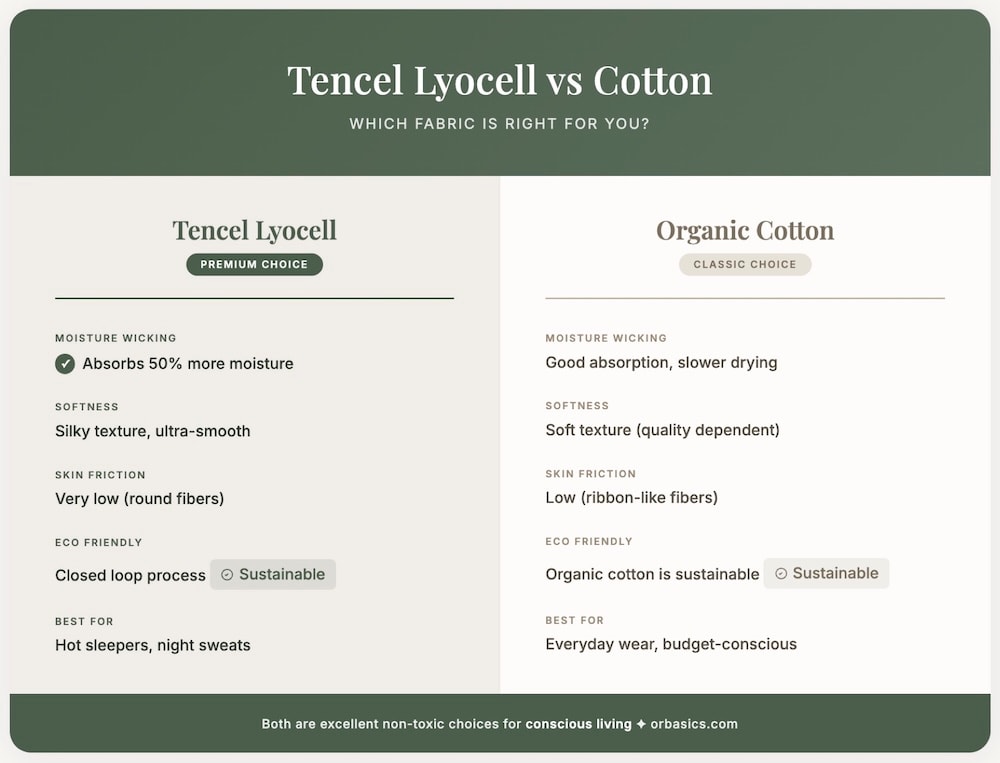
Das Wichtigste auf einen Blick: Lyocell vs. Baumwolle
Empfindliche Haut und die Wahl des richtigen Stoffs
Wenn du empfindliche oder zu Neurodermitis neigende Haut hast, arbeitet deine Hautbarriere nicht so effektiv wie sie sollte. Dadurch entweicht leichter Feuchtigkeit, während Reizstoffe einfacher eindringen. Die Folge sind Trockenheit, Entzündungen und dieses quälende Jucken. Selbst etwas so Alltägliches wie deine Kleidung kann Schübe auslösen: raue Stoffe, angestaute Wärme oder Schweiß auf der Haut verstärken oft die Beschwerden.
Die National Eczema Society empfiehlt deshalb, auf weiche und atmungsaktive Materialien zu setzen. Synthetische Stoffe wie Polyester oder Nylon führen dagegen häufig zu Überhitzung und halten Feuchtigkeit auf der Haut fest. Kein Wunder also, dass natürliche Fasern seit Jahrzehnten als beste Wahl gelten. Neben Baumwolle wird heute auch Lyocell, eine Faser aus Holzzellstoff, zunehmend als hautfreundliche Alternative anerkannt, zusammen mit Stoffen aus Bambus oder Seide.
Was ist Lyocell (Tencel™)?
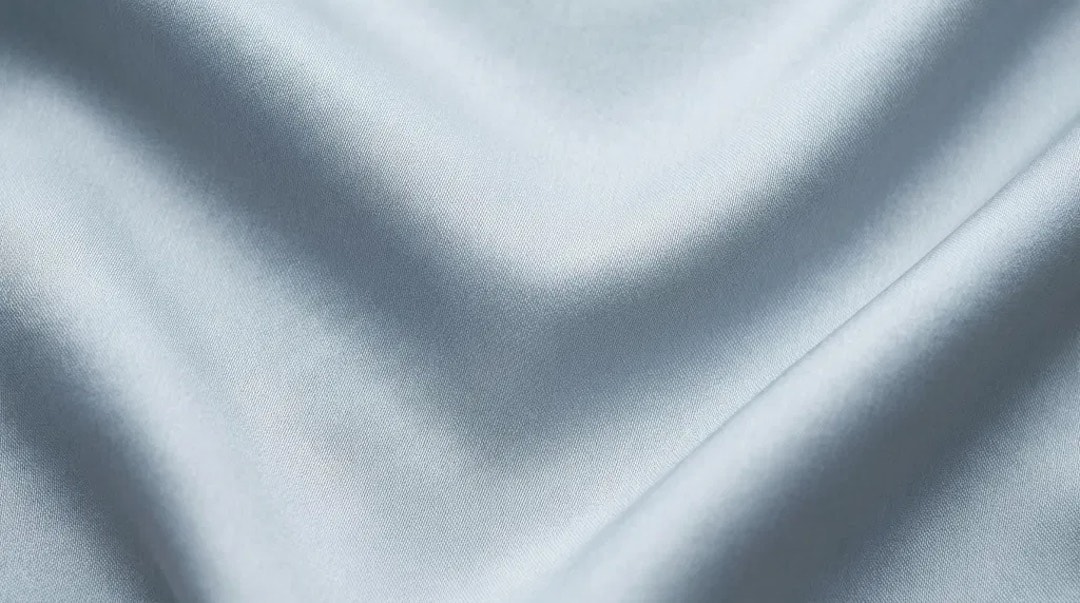
Tencel™ (Lyocell Fasern)
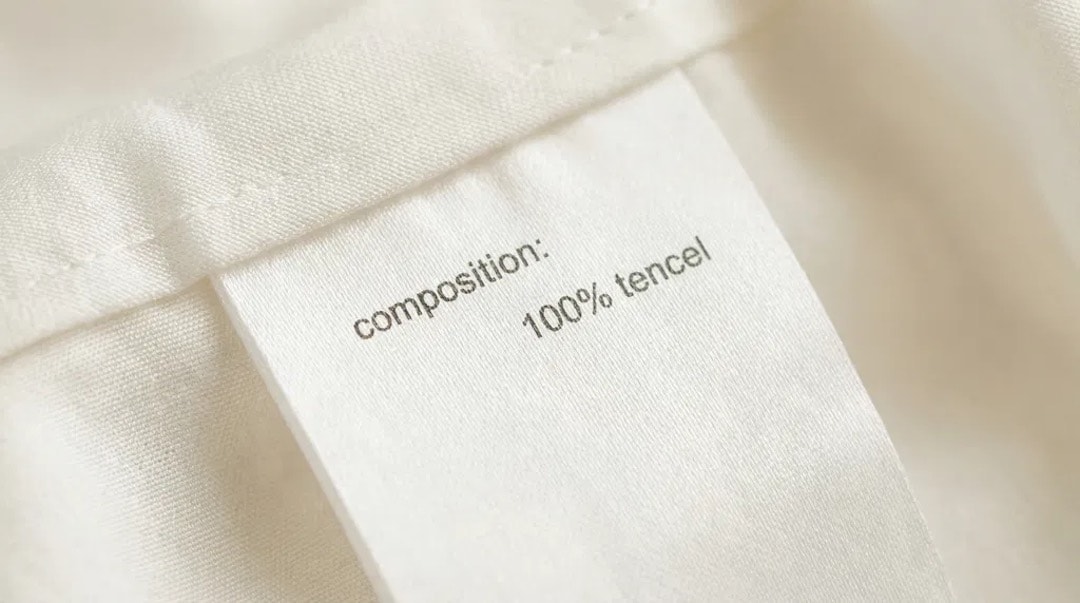
Tencel™ ist der Markenname für Lyocell-Fasern, eine regenerierte Zellulosefaser, die aus Holzzellstoff gewonnen wird, meist aus Eukalyptusholz. Hergestellt wird Lyocell in einem geschlossenen Produktionskreislauf, bei dem ein organisches, schadstofffreies Lösungsmittel wiederverwendet wird. Dadurch gilt Lyocell als besonders umweltfreundliches Material, das aus nachhaltigen Rohstoffen stammt.
Vom Gefühl her hat Lyocell-Stoff eine glatte, fast seidige Oberfläche und ist angenehm weich. Die Lyocell-Fasern sind rund und gleichmäßig aufgebaut, wodurch sie sanft über die Haut gleiten. Genau deshalb beschreiben viele Hersteller und Dermatologen Lyocell als natürlich hypoallergen – ideal also für alle, die schnell auf raue Stoffe oder Wärmestau reagieren.
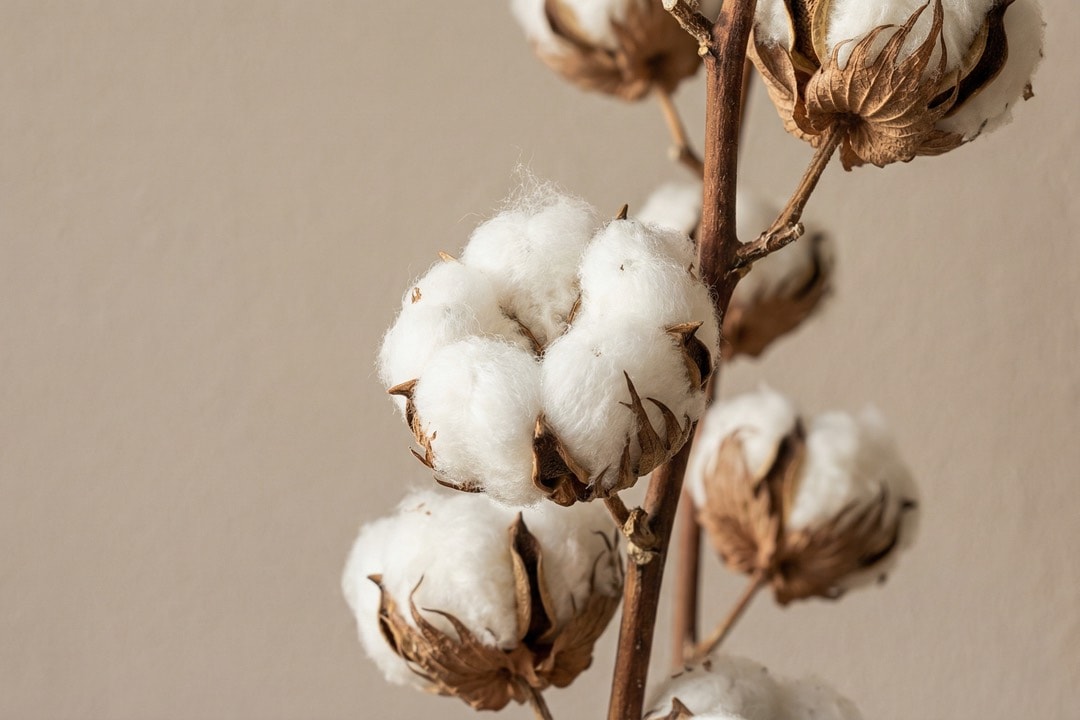
Baumwolle (aus der Baumwollpflanze)
Baumwollstoffe werden aus den flauschigen Fasern der Baumwollpflanze gewonnen. Hochwertige Varianten wie ägyptische Baumwolle oder Pima-Baumwolle sind besonders weich, atmungsaktiv und saugfähig – deshalb empfehlen Ärzt*innen seit Jahrzehnten Baumwollbettwäsche für Menschen mit Neurodermitis oder empfindlicher Haut. Bettwäsche aus ägyptischer Baumwolle gilt als besonders luxuriös weich, während klassische Baumwollbettwäsche in den meisten Haushalten ihren festen Platz hat.
Die Fasern von Baumwolle haben eine leicht gedrehte, bandartige Struktur. Sie fühlt sich zwar weich an, verleiht Stoffen aber etwas mehr Textur als Lyocell. Wichtig zu wissen: Baumwolle nimmt Schweiß gut auf, trocknet jedoch deutlich langsamer als Lyocell. Für empfindliche Haut kann das relevant sein, denn feuchte Stoffe, die länger auf der Haut liegen, können gereizte Stellen zusätzlich belasten.
Feuchtigkeitsmanagement: Wo Lyocell klar punktet
Hier wird der Vergleich zwischen Lyocell und Baumwolle besonders spannend. Haut, die zu Neurodermitis neigt, kommt am besten zurecht, wenn sie angenehm kühl und trocken bleibt. Zu viel Wärme und Schweiß verstärken den Juckreiz, während übermäßige Trockenheit die ohnehin empfindliche Hautbarriere weiter austrocknet.
Moisture Wicking Abilities
Feuchtigkeitsableitung
Lyocell-Fasern sind echte Meister im Feuchtigkeitsmanagement. Studien zeigen, dass Lyocell rund 50 % mehr Feuchtigkeit aufnehmen kann als die meisten Baumwollstoffe. Das bedeutet: Bettwäsche aus Lyocell nimmt Schweiß schnell auf und gibt ihn anschließend durch Verdunstung wieder ab – du bleibst also angenehm trocken.
Baumwollbettwäsche saugt Schweiß ebenfalls gut auf, speichert ihn aber länger. Vielleicht kennst du das Gefühl eines Baumwoll-T-Shirts, das sich irgendwann schwer und klamm anfühlt. Lyocell funktioniert anders: Die Fasern nehmen Feuchtigkeit auf, ohne sich feucht anzufühlen, und geben sie danach effizient wieder ab. Gerade bei empfindlicher Haut ist das wichtig, denn getrockneter Schweiß (Salzreste) kann schnell brennen oder jucken.
Temperatur- und Feuchtigkeitsregulierung
Sowohl Lyocell- als auch Baumwollbettwäsche sind atmungsaktiv – doch Lyocell überzeugt mit besserer Luftzirkulation. In einer Studie im Fachjournal Dermatitis berichteten Menschen mit atopischer Dermatitis, dass Kleidung aus Lyocell für ein spürbar angenehmeres Temperaturgefühl sorgt. Die feine Faserstruktur von Lyocell arbeitet perfekt mit seinem Feuchtigkeitsmanagement zusammen, um Hitze abzuleiten. Während Schweiß verdunstet, entsteht ein leichter Kühleffekt auf der Haut.
Fazit: Lyocell ist ein echter Profi, wenn es um Feuchtigkeitsmanagement geht. Baumwolle nimmt Feuchtigkeit gut auf, trocknet aber langsamer. Besonders in warmem Klima oder bei starkem Schwitzen macht dieser Unterschied viel aus. Wenn du wegen des Tragegefühls lieber Baumwolle magst, wähle Bettwäsche mit höherer Fadendichte. Diese trocknet schneller und fühlt sich glatter auf der Haut an.
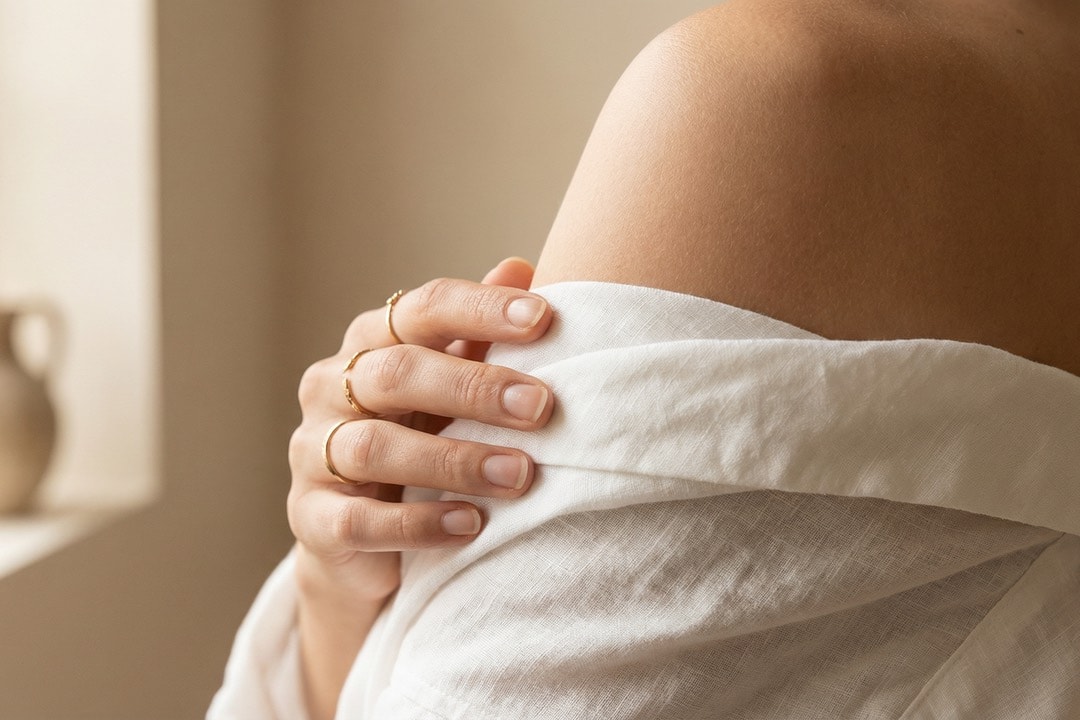
Weichheit, Glätte und Reibung – was deine Haut wirklich spürt
Wenn du Neurodermitis oder empfindliche Haut hast, spielt die Stoffstruktur eine riesige Rolle. Eine etwas rauere Oberfläche kann den Juckreiz innerhalb von Minuten auslösen. Sowohl Lyocell als auch Baumwolle sind in diesem Punkt angenehm, doch es gibt feine Unterschiede.
Faserstruktur und Glätte
Lyocell-Fasern sind runder und gleichmäßiger als die von Baumwolle. Kleidung oder Bettwäsche aus Lyocell gleitet sanft über die Haut – fast reibungslos. Viele vergleichen das Gefühl mit Seide. Auch hochwertige Baumwollsorten wie ägyptische Baumwolle, Pima- oder Langstapel-Baumwolle fühlen sich weich an, erreichen aber nicht ganz dieselbe glatte Oberfläche.
Während Lyocell-Stoff sich „butterweich“ und fließend anfühlt, hat Baumwolle durch ihre leicht flusige Struktur etwas mehr Textur. Nach vielen Wäschen kann Baumwollbettwäsche minimal aufrauen, während Lyocell seine glatte Oberfläche meist dauerhaft behält. Innerhalb der Baumwollarten gilt: Satinbettwäsche fühlt sich glatter an als Perkal, das eher matt und griffig ist.
Reibung und Hautirritationen
Durch seine extrem glatte Oberfläche erzeugt Lyocell kaum Reibung auf der Haut. Weniger Reibung bedeutet auch weniger mechanische Reizung – ein wichtiger Punkt, da schon leichtes Scheuern eine empfindliche Hautbarriere beschädigen kann. In einer kontrollierten Studie berichteten Teilnehmende mit Neurodermitis zwar, dass sowohl Lyocell- als auch Baumwollstoffe angenehm zu tragen waren, gaben Lyocell jedoch leichte Vorteile in puncto Weichheit und Tragegefühl. Auch der durchschnittliche Juckreiz war bei Lyocell etwas geringer.
Einfluss auf die Hautbarriere (TEWL)
Der sogenannte transepidermale Wasserverlust (TEWL) misst, wie schnell Feuchtigkeit über die Haut verdunstet. Ein hoher TEWL-Wert zeigt an, dass die Hautbarriere durchlässig und die Haut trockener ist. Kann die Stoffwahl diesen Wert beeinflussen?
Laut einer Studie von 2009 im Fachjournal Dermatitis wurde bei Personen, die in Bettwäsche aus Lyocell schliefen, ein tendenziell niedrigerer TEWL gemessen als bei Baumwolle. Das bedeutet: Die Haut konnte mehr Feuchtigkeit halten. Forschende vermuten, dass das Feuchtigkeitsmanagement von Lyocell ein stabileres Mikroklima direkt auf der Haut schafft, wodurch die oberste Hautschicht besser durchfeuchtet bleibt.
Bei Baumwollbettwäsche liegt das Hauptproblem darin, dass sie sich schnell mit Schweiß vollsaugt. Verdunstet die Feuchtigkeit dann aus dem Stoff, kann der lokale Wasserverlust der Haut kurzfristig steigen – das verschärft bei Neurodermitis oft das Brennen oder Jucken. Regelmäßiges Wechseln und Trocknen der Kleidung hilft, die Hautbarriere stabil zu halten.
Hypoallergene Eigenschaften – und was ist mit Allergien?
Eine echte Allergie auf Lyocell- oder Baumwollfasern ist extrem selten. Beide bestehen im Wesentlichen aus reiner Zellulose – einem pflanzlichen Ausgangsstoff – und gelten daher als hautneutral. Sowohl Lyocell als auch Baumwolle werden als hypoallergen eingestuft und sind gut für Menschen mit empfindlicher oder zu Allergien neigender Haut geeignet.
Problematischer sind meist die Zusätze im Produktionsprozess. Konventionell angebaute Baumwolle kann Rückstände von Pestiziden tragen. Viele Textilien werden außerdem mit Farbstoffen, Kunstharzen (z. B. für Knitterfreiheit) oder anderen Chemikalien behandelt. Diese Zusatzstoffe – nicht die Baumwolle selbst – können Kontaktdermatitis oder Hautreizungen auslösen. Besonders bei konventionell hergestellter Baumwolle ist das Risiko höher.
Lyocell wird dagegen in einem geschlossenen Produktionskreislauf hergestellt, bei dem rund 99 % des verwendeten Lösungsmittels wiederverwertet werden. Dadurch bleiben kaum Rückstände auf der Faser – ein klarer Vorteil für alle, die auf schadstofffreie Stoffe achten. Wenn du lieber zu Baumwolle greifst, ist Bio-Baumwolle oder Oeko-Tex-zertifizierte Kleidung die beste Wahl, um Hautreizungen zu vermeiden.
Antibakterielle Eigenschaften
Forschungen aus der PMC-Datenbank zeigen, dass sich auf Lyocell-Stoffen unter feuchten Bedingungen deutlich weniger Bakterien ansiedeln als auf Baumwolle. In Labortests bildeten sich auf Lyocell sogar wesentlich weniger Keime als auf Polyester. Der Grund: Lyocell speichert keine Feuchtigkeit auf der Oberfläche und entzieht damit geruchsbildenden Bakterien den Nährboden.
Weniger Bakterien bedeuten auch weniger Hautreizungen oder Infektionen – wichtig, da bestimmte Bakterien wie Staphylococcus aureus Neurodermitis verschlimmern können. Lyocell hilft also nicht nur, Feuchtigkeit zu regulieren, sondern kann auch indirekt die Hautflora im Gleichgewicht halten.
Wie umweltfreundlich sind Lyocell und Baumwolle?
Auch wenn es hier vor allem um Hautgesundheit geht, spielt Nachhaltigkeit natürlich eine große Rolle. Und oft gilt: Umweltfreundliche Stoffe sind auch sauberer und hautverträglicher.
-
Auswirkungen der Baumwollproduktion: Der Anbau herkömmlicher Baumwolle verbraucht enorme Mengen Wasser – oft mehrere tausend Liter für nur ein T-Shirt – und setzt viele Pestizide ein, sofern die Pflanzen nicht biologisch angebaut werden. Konventionelle Baumwollproduktion ist daher sehr ressourcenintensiv. Bio-Baumwolle schneidet besser ab: Sie kommt ohne schädliche Chemikalien aus und benötigt meist deutlich weniger Wasser.
Der ökologische Vorteil von Lyocell: Lyocell wird aus schnell nachwachsenden Eukalyptusbäumen hergestellt, die häufig auf Böden wachsen, die für die Landwirtschaft kaum geeignet sind. In der Produktion wird ein geschlossener Kreislauf verwendet, bei dem etwa 99 % des Lösungsmittels wiederverwendet werden. Dadurch werden Wasserverbrauch und Abfall stark reduziert. Außerdem ist die Faser vollständig biologisch abbaubar. Lyocell gehört damit zu den nachhaltigsten Materialien der Textilindustrie.
Sowohl Lyocell als auch Bio-Baumwolle sind gute Entscheidungen für alle, die Wert auf natürliche, schadstofffreie und umweltfreundliche Stoffe legen.
Pflegetipps für Stoffe bei empfindlicher Haut
Sowohl bei Baumwollkleidung als auch bei Lyocell solltest du milde, parfümfreie Waschmittel verwenden. Verzichte auf Weichspüler – sie hinterlassen Rückstände, die empfindliche Haut reizen können. Neue Kleidung solltest du vor dem ersten Tragen immer waschen, um Produktionsrückstände zu entfernen.
Lyocell wäschst du am besten im Schonwaschgang mit kaltem Wasser und lässt es an der Luft trocknen oder wählst eine niedrige Temperatur im Trockner. Baumwolle verträgt zwar auch wärmeres Wasser, profitiert aber genauso von sanfter Pflege. Verzichte auf schwere Programme oder kräftige Schleuderzyklen. Wenn deine Haut besonders empfindlich reagiert, hilft ein zusätzlicher Spülgang, um Waschmittelreste vollständig zu entfernen.
Fazit: Lyocell oder Baumwolle?
Die Antwort hängt ganz von deinen individuellen Bedürfnissen ab – denn hier gibt es kein „besser“ oder „schlechter“, sondern zwei unterschiedliche Stärken.
-
Wähle Baumwolle, wenn du ein vertrautes, robustes Material suchst, das langlebig und angenehm auf der Haut ist. Hochwertige Varianten wie Bio-Baumwolle, ägyptische oder Pima-Baumwolle sind atmungsaktiv und haben sich seit Generationen bei empfindlicher Haut bewährt. Gerade als Bettwäsche eignet sich Baumwolle wunderbar für den Alltag, wobei hier besonders wichtig ist, diese sauber und trocken zu halten.
-
Greif zu Lyocell, wenn du oder dein Kind eher zu Überhitzung oder Nachtschweiß neigt – oder du das seidig-glatte Gefühl auf der Haut liebst. Bettwäsche und Kleidung aus Lyocell überzeugen durch hervorragende Feuchtigkeitsregulierung und Atmungsaktivität. Viele Menschen mit Neurodermitis berichten, dass sie seit dem Umstieg auf Lyocell spürbar ruhiger schlafen und weniger Juckreiz haben.
Die beste Lösung: Kombiniere die Vorteile beider Materialien. Sowohl Lyocell als auch Baumwolle sind natürliche Stoffe, die empfindliche Haut deutlich besser schützen als synthetische Fasern. Auch Lyocell-Modal-Mischungen bieten ähnliche Vorzüge. Ganz gleich, ob du dich für Baumwoll- oder Lyocell-Bettwäsche entscheidest, du wählst in jedem Fall ein Material, das deine Haut respektiert.
Ist Lyocell gesund zum Schlafen? Auf jeden Fall. Und kommt es in puncto Weichheit und Komfort an Seide heran? Ja – fast. Das Wichtigste ist jedoch: Du hast die Wahl, die zu dir passt.
Auf weiche Stoffe, erholsame Nächte und glückliche Hauttage!
FAQ zum Lyocell vs Baumwolle
Was sind die Vorteile von Lyocell?
Lyocell ist besonders weich, glatt und angenehm auf der Haut – ideal bei empfindlicher oder zu Neurodermitis neigender Haut. Es leitet Feuchtigkeit sehr gut ab, trocknet schnell und sorgt so für ein kühleres, trockenes Schlaf- und Tragegefühl. Zudem gilt Lyocell als umweltfreundliche Faser, da sie aus Holz-Zellulose hergestellt wird und in einem ressourcenschonenden Verfahren produziert werden kann.
Was sind Lyocell Nachteile?
Lyocell-Produkte sind oft etwas teurer als vergleichbare Baumwollartikel, da die Herstellung aufwändiger ist. Außerdem ist die Auswahl noch begrenzt – du findest Tencel Lyocell meist in Bettwäsche, Unterwäsche oder Funktionskleidung. In der Pflege braucht Lyocell etwas mehr Aufmerksamkeit: am besten kalt oder im Schonwaschgang waschen und keine hohen Temperaturen im Trockner verwenden, da sich der Stoff sonst leicht zusammenziehen oder seine weiche Struktur verlieren kann. Manche Lyocell-Mischstoffe enthalten Elastan (Spandex), was die Atmungsaktivität bei sehr empfindlicher Haut reduzieren kann.
Ist Lyocell Bettwäsche wirklich so gut?
Ja. Bettwäsche aus Lyocell ist ideal für erholsamen Schlaf – besonders, wenn du nachts schnell schwitzt oder dir schnell warm wird. Durch die hervorragende Feuchtigkeitsaufnahme wird Schweiß von der Haut weggeleitet, was die Körpertemperatur reguliert. Laut klinischer Forschung berichteten Menschen mit Neurodermitis in Lyocell-Bettwäsche von besserer Temperatur- und Feuchtigkeitskontrolle. Die glatte Oberfläche verhindert Hitzestau, wie er bei stark gewebten Baumwollstoffen vorkommen kann.
Ist Lyocell ein guter Stoff?
Lyocell gilt als besonders hochwertig und langlebig. Es ist knitterarm, bleibt auch nach vielen Wäschen weich und neigt kaum zum Fusseln. Durch den geschlossenen Produktionskreislauf entsteht eine gleichmäßige, glatte Faser. Gerade für empfindliche Haut ist Lyocell eine hervorragende Wahl – die National Eczema Society empfiehlt es neben Baumwolle ausdrücklich für Menschen mit Neurodermitis.
Welche Bettwäsche ist besser bei Nachtschweiß – Lyocell oder Baumwolle?
Für starkes Schwitzen in der Nacht ist Lyocell meist die bessere Wahl – sowohl als Bettwäsche als auch als Bettdecke. Der Stoff leitet Feuchtigkeit schneller ab und trocknet deutlich rascher als herkömmliche Baumwolle. Dadurch wachst du nicht klamm oder verschwitzt auf. Baumwollbettwäsche bleibt zwar atmungsaktiv, speichert aber Feuchtigkeit länger. Wenn du häufig mit Hitze oder Schwitzen kämpfst, wirst du mit Lyocell-Bettwäsche den Unterschied merken.
Ist Lyocell gut für den Sommer?
Ja, Lyocell ist im Sommer eine richtig gute Wahl. Der Stoff nimmt Schweiß super schnell auf und leitet ihn durch Verdunstung wieder ab – das sorgt für einen angenehmen Kühleffekt auf der Haut. Im Vergleich zu Baumwolle trocknet Lyocell deutlich schneller, sodass du nicht lange mit feuchten, klammer Kleidung dastehst.
Was steckt hinter der Herstellung von Lyocell?
Lyocell entsteht aus Zellstoff – also Cellulose – meist aus nachhaltigem Eukalyptusholz. Der Holzzellstoff wird, ohne chemische Umwandlung, direkt in einem schadstofffreien organischen Lösungsmittel (NMMO) aufgelöst. Die dickflüssige Spinnlösung wird dann durch feine Düsen gepresst und im Wasserbad zu glatten Fasern verfestigt. Besonders nachhaltig: Rund 99% des Lösungsmittels werden im geschlossenen Kreislauf wiederverwertet. Danach folgen Waschen, Trocknen und Veredelung. Die Herstellung von Lyocell ist deutlich umweltfreundlicher als bei Viskose oder konventioneller Baumwolle.
* Werbung: Dieser Artikel enthält mit * gekennzeichnete Affiliate-Links. Wenn du über diese Links einkaufst, erhalten wir eine kleine Provision – für dich entstehen keine zusätzlichen Kosten. Die bereitgestellten Informationen dienen ausschließlich Bildungs- und Informationszwecken und stellen keine medizinische Beratung dar. Sie ersetzen nicht die Konsultation eines Arztes oder qualifizierten Gesundheitsdienstleisters. Dieser Artikel wurde mit Unterstützung von KI-Tools erstellt und von unserem Team redaktionell geprüft und freigegeben. Alle geäußerten Meinungen sind unsere eigenen.
Lilija Bairamova

Lilija ist die Gründerin von Orbasics und Mutter ihrer Tochter Nika. Sie gründete Orbasics als Mutter auf der Suche nach gesunder und biologischer Kleidung für ihr Kind. Heute bietet Orbasics nicht nur Kleidung aus Bio-Baumwolle an, sondern hat sich auch zu einem Blog entwickelt, der sich nachhaltigem, gesundem und achtsamem Leben widmet. Mit Tipps, Anleitungen und Artikeln, die Ihnen helfen, einen nachhaltigeren, bewussteren und gesünderen Lebensstil zu führen.



Hinterlasse einen Kommentar