
Table of Contents
Kaffee ohne Schadstoffe: Die besten Marken für unbedenklichen Genuss
This page may contain affiliate links. We may earn a commission on purchases, at no additional cost to you. Learn more →
Auf der Suche nach dem gesündesten Kaffee? Du hast wahrscheinlich schon mal gehört, dass Leute auf „schimmelfreien Kaffee" umsteigen, und dich gefragt, ob das die Mehrkosten wirklich wert sind.
Bei meiner Suche nach dem besten Bio Kaffee bin ich auch auf diesen Begriff gestoßen. Zunächst war ich etwas verwirrt – ich dachte, Schimmel im Kaffee müsste doch leicht zu erkennen oder zu schmecken sein.
Doch viele Menschen, ich eingeschlossen, sind überrascht zu erfahren, dass Kaffeebohnen Mykotoxine enthalten können – Schadstoffe, die von bestimmten Schimmelpilzen produziert werden. Diese Mykotoxine sind geruchlos, geschmacklos und unsichtbar, du kannst sie also ohne spezialisierte Labortests nicht entdecken.
Mehrere Studien haben Mykotoxine in unterschiedlichem Ausmaß nachgewiesen – je nach Herkunft und Lagerung in etwa einem Drittel bis zu über 90 % der grünen Kaffeebohnen. Selbst Bio-Kaffee, der frei von synthetischen Düngemitteln und Pestiziden ist, kann beim Anbau oder bei der Lagerung mit Mykotoxinen belastet sein.
Wenn man die gesundheitlichen Auswirkungen von Mykotoxinen bedenkt – von Krebsrisiken bis hin zu Problemen mit dem Immunsystem, der Verdauung, dem Herz-Kreislauf-System und den Atemwegen – ist es kein Wunder, dass Menschen sich Sorgen machen und nach schimmelfreien Kaffee-Optionen suchen.
Um das klarzustellen: Geringe Mengen an Mykotoxinen in Lebensmitteln sind normal (selbst die FDA weist darauf hin, dass viele andere Lebensmittel wie Getreide, Nüsse und Trockenfrüchte Spuren davon enthalten können). Und die meisten getesteten Kaffeebohnen bleiben innerhalb der sicheren Grenzwerte, nur ein kleiner Prozentsatz überschreitet die behördlichen Schwellenwerte.
Eine Studie aus dem Jahr 2025 kam zu dem Schluss, dass bereits kleine Mengen bestimmter Mykotoxine (wie Aflatoxin B1) in deiner täglichen Tasse Risiken bergen könnten. Unsere Meinung? Wenn du Kaffee liebst (besonders wenn du ein geschwächtes Immunsystem hast, schwanger bist oder älter bist), ist die Wahl von im Labor geprüftem Kaffee ohne Schadstoffe ein kluger Schritt, um deine Belastung durch diese Schadstoffe zu reduzieren.
In diesem Guide bekommst du eine wissenschaftlich fundierte Perspektive, um eine gut informierte Entscheidung zu treffen. Aber noch wichtiger: Du findest unsere kuratierte Liste der besten schadstoffreien Kaffee-Marken – sicher, getestet und voller Aroma!
Was sind die besten schadstofffreien Kaffee-Marken?
"die Besten"
Mount Hagen | Hier kaufen*
GEPA dein faires Pfund | Hier kaufen*
Lebensbaum Kaffee | Hier kaufen*
Rapunzel | Hier kaufen*
Death Wish Coffee Co. | Hier kaufen*
Equal Exchange | Hier kaufen*
Peet’s | Hier kaufen*
"die sehr guten"
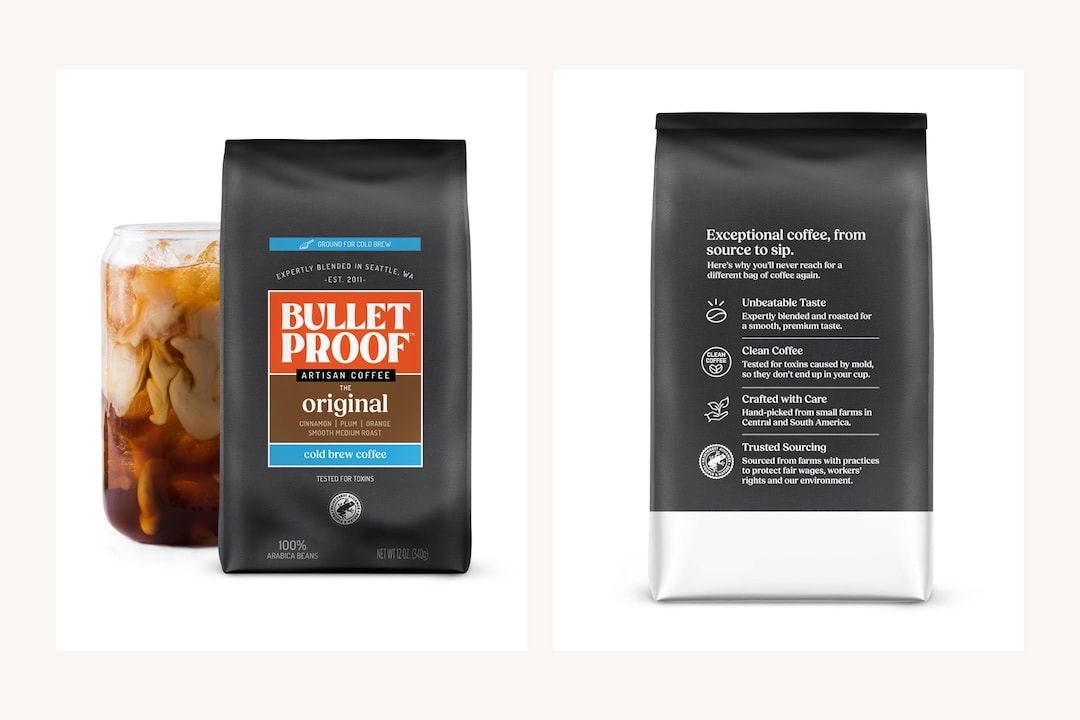
Bulletproof | Hier kaufen*
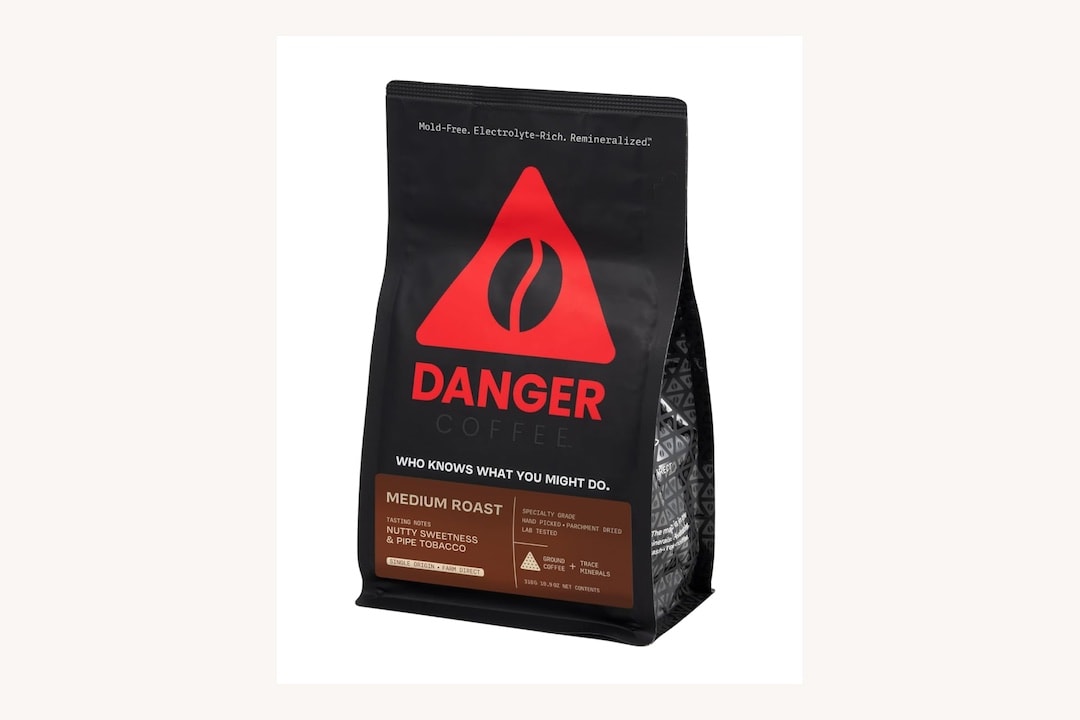
Danger Coffee | Hier kaufen*
Wie wählen wir schadstofffreie Kaffee-Marken aus?
Um dir dabei zu helfen, den besten Kaffee mit wenig Schadstoffen zu finden, haben wir einige der besten Kaffee-Marken auf dem Markt recherchiert und handverlesen. Alle unsere „Top-Empfehlungen" sind biologisch angebaut und/oder haben strenge Qualitätskontrollen (einschließlich Labortests), um sicherzustellen, dass sie frei von gängigen Schadstoffen wie Schimmel, Mykotoxinen, Pestiziden und Schwermetallen sind. Unsere Top-Empfehlungen für die gesündesten Kaffee-Marken umfassen nur solche, die unsere Kriterien erfüllen:
-
Biologischer Anbau
-
Keine nachweisbaren Schadstoffe (PFAS, Mykotoxine, Pestizide oder Schwermetalle)
-
Schattenanbau in großen Höhen oder Single-Origin
-
Zertifizierung durch unabhängige Dritte, wenn verfügbar
-
Entkoffeinierter Kaffee, verarbeitet mit Swiss Water- oder Kohlendioxid-Verfahren
„die Besten" vs. „sehr gute"
-
„Die Besten" Bio-Kaffees ohne Schimmel: Unsere Top-Empfehlungen sind bio zertifiziert und wurden unabhängig im Labor getestet, um zu bestätigen, dass sie frei von Mykotoxinen und anderen schädlichen Chemikalien sind. Diese Kaffees erfüllen alle Anforderungen in Bezug auf Reinheit, Qualität und Aroma.
-
„Sehr gute" Bio-Kaffees ohne Schimmel: Diese angesehenen Marken entsprechen immer noch unseren Standards für hochwertigen Kaffee (biologische Praktiken, wenig Schadstoffe), aber es könnte ein Element fehlen – zum Beispiel haben sie möglicherweise keine offizielle Zertifizierung oder veröffentlichen ihre Labortestergebnisse nicht. Sie sind trotzdem eine tolle Wahl (und wahrscheinlich frei von Schadstoffen), nur nicht so vollständig verifiziert wie unsere „besten" Empfehlungen.
Die „Besten" Bio-Kaffees ohne Schadstoffe
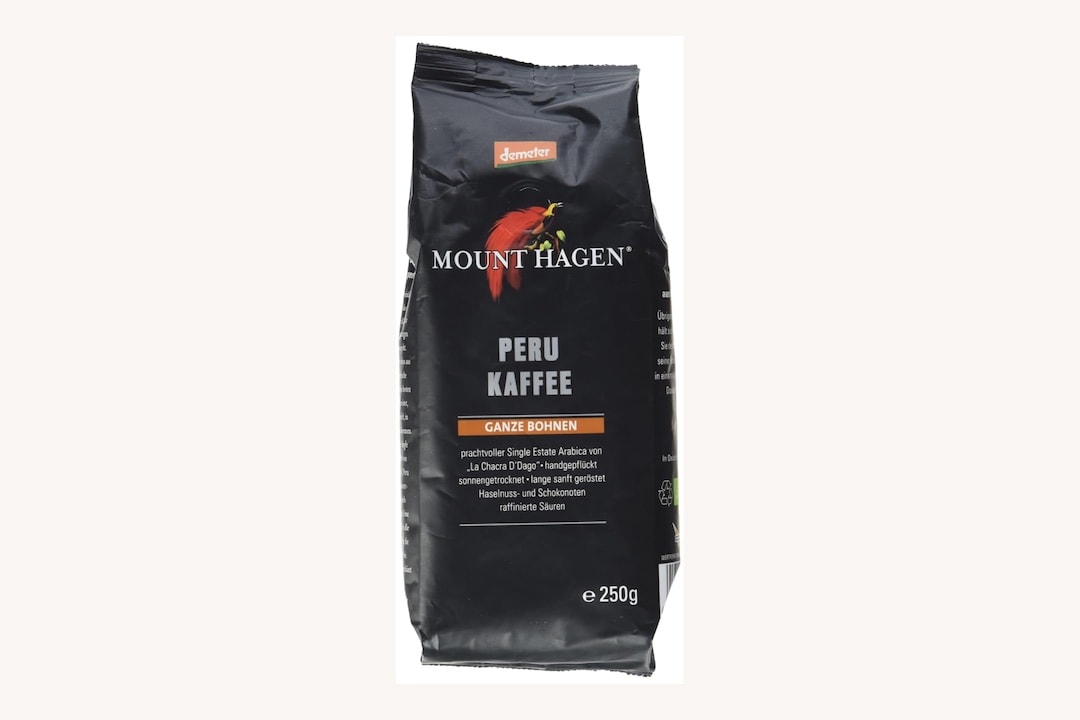
Mount Hagen Bio Demeter Röstkaffee Peru - Ganze Bohne (unser Favorit)
Besonderes Merkmal: Transparenz und biodynamische Qualität
Zertifizierungen: Bio-Zertifizierung, Demeter-zertifiziert
Kaffeetyp: Ganze Bohne
Profil: Mittlere Röstung
Herkunft der Bohnen: Single Origin Peru
Entkoffeinierte Optionen: Nein
Preis: 12,94 € für 250 g
Warum wir ihn ausgewählt haben:
Mount Hagen geht über Bio hinaus – dieser Kaffee ist Demeter-zertifiziert, was bedeutet, dass er nach strengen biodynamischen Kriterien angebaut wird. Lebensbaum (die Muttermarke) nimmt Qualität ernst: Vom Rohstoffeingang bis zum Endprodukt werden kontinuierlich Proben entnommen und sowohl intern als auch extern im Labor auf Schadstoffe geprüft.
Geschmacklich ist dieser Single Origin aus Peru mild, nussig und schokoladig mit einer leichten Süße. Die mittlere Röstung macht ihn vielseitig – er schmeckt pur genauso gut wie mit etwas Milch.
Bei Öko Test schnitt Mount Hagen gut ab: keine nachgewiesenen Mykotoxine und geringe Acrylamid-Werte. Unabhängige Quellen bestätigen, dass der Kaffee frei von Schadstoffen wie Schimmelpilzgiften ist. Für den Preis bekommst du hier einen cleanen Bio Kaffee mit echten Nachweisen.
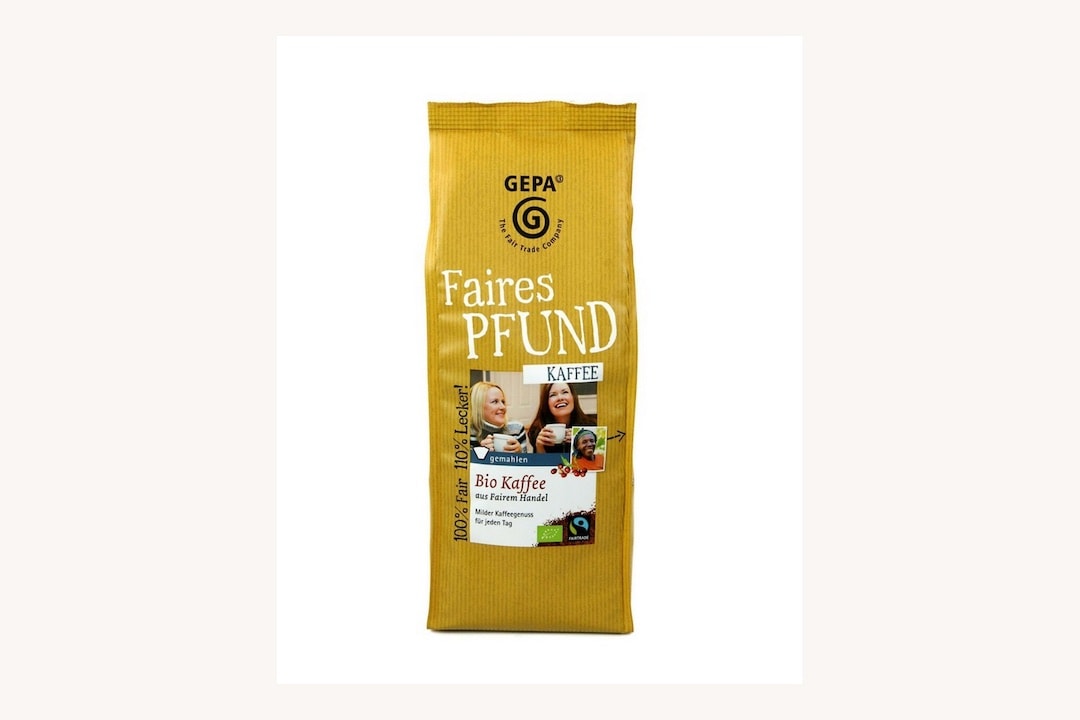
Gepa Faires Pfund - Gemahlener Filterkaffee
Besonderes Merkmal: Fairer Handel und ausgewogener Geschmack
Zertifizierungen: Bio nach EG-Öko-Verordnung, Fairtrade International
Kaffeetyp: Gemahlen
Profil: Mittlere Röstung
Herkunft der Bohnen: Multi-Region
Entkoffeinierte Optionen: Nein
Preis: 15,92 € für 500 g
Warum wir ihn ausgewählt haben:
Das Faire Pfund ist ein echter Klassiker – und das aus gutem Grund. Bei Öko Test 2021 holte dieser Filterkaffee als bester die Note „gut". GEPA lässt seine Kaffees in unabhängigen Laboren auf über 500 mögliche Rückstände prüfen, was für echte Transparenz sorgt.
Der Geschmack ist ausgewogen und vielseitig, perfekt für den täglichen Kaffeegenuss. Egal ob morgens in der French Press oder nachmittags im Handfilter – dieser Kaffee liefert zuverlässig eine gute Tasse.
Was uns besonders gefällt: GEPA steht seit Jahrzehnten für fairen Handel und zahlt Kaffeebauern faire Preise. Die Zertifizierungen bestätigen, dass beim Anbau Tierwohl, Pflanzen und ein gesundes Ökosystem geschützt werden. Ein cleaner Bio Kaffee, der auch sozial fair ist.
Gepa Faires Pfund hier kaufen*
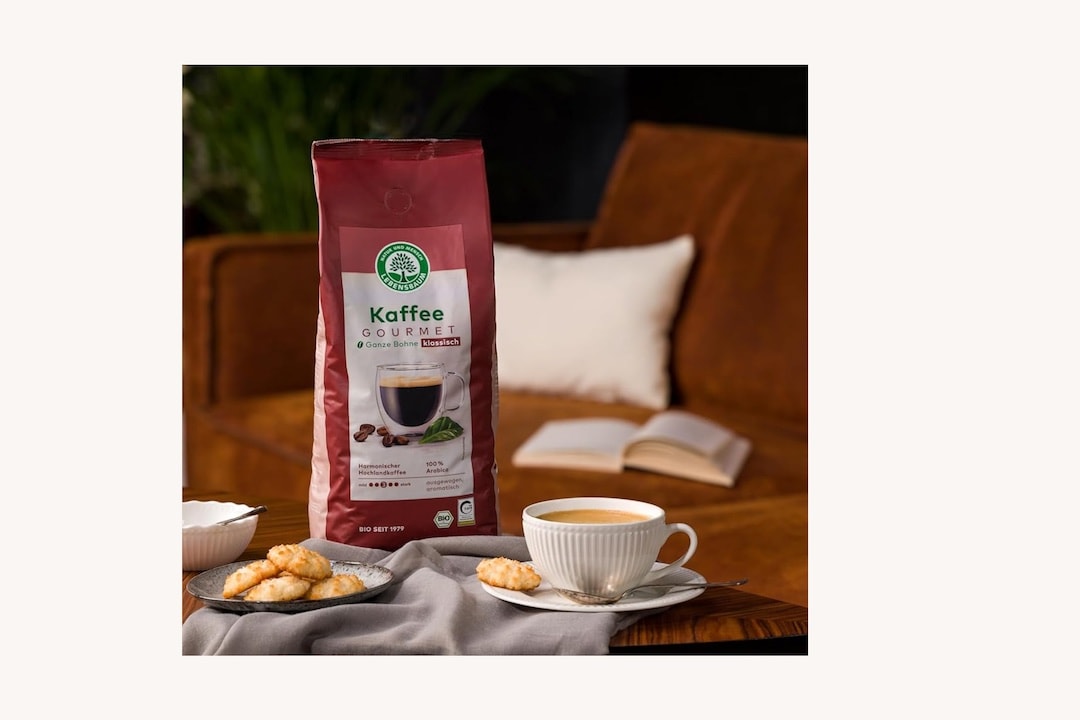
Lebensbaum Gourmet Klassisch - Ganze Bohne
Besonderes Merkmal: Klassischer, ausgewogener Alltagskaffee
Zertifizierungen: Bio-Zertifizierung
Kaffeetyp: Ganze Bohne
Profil: Mittlere Röstung (Intensität 3/5)
Herkunft der Bohnen: 100% Arabica
Entkoffeinierte Optionen: Nein
Preis: 49,98 € für 2 kg (2 x 1 kg)
Warum wir ihn ausgewählt haben:
Der Lebensbaum Gourmet Klassisch ist ein zuverlässiger Begleiter für jeden Tag. Mit einer Intensität von 3 von 5 ist er weder zu mild noch zu kräftig – einfach ausgewogen und aromatisch. Perfekt, wenn du einen unkomplizierten Kaffee suchst, der immer gut schmeckt.
Lebensbaum nimmt Qualität ernst und unterzieht seine Kaffees strengen Kontrollen. In Öko Test-Analysen schnitten ihre Produkte gut ab, was für hochwertige Bio-Qualität spricht.
Das Preis-Leistungs-Verhältnis ist hier besonders interessant: Für unter 50 Euro bekommst du 2 Kilogramm Bio Kaffee in ganzen Bohnen. Ideal, wenn du regelmäßig Kaffee trinkst und nicht jede Woche nachkaufen möchtest.
Lebensbaum Gourmet Klassisch hier kaufen*
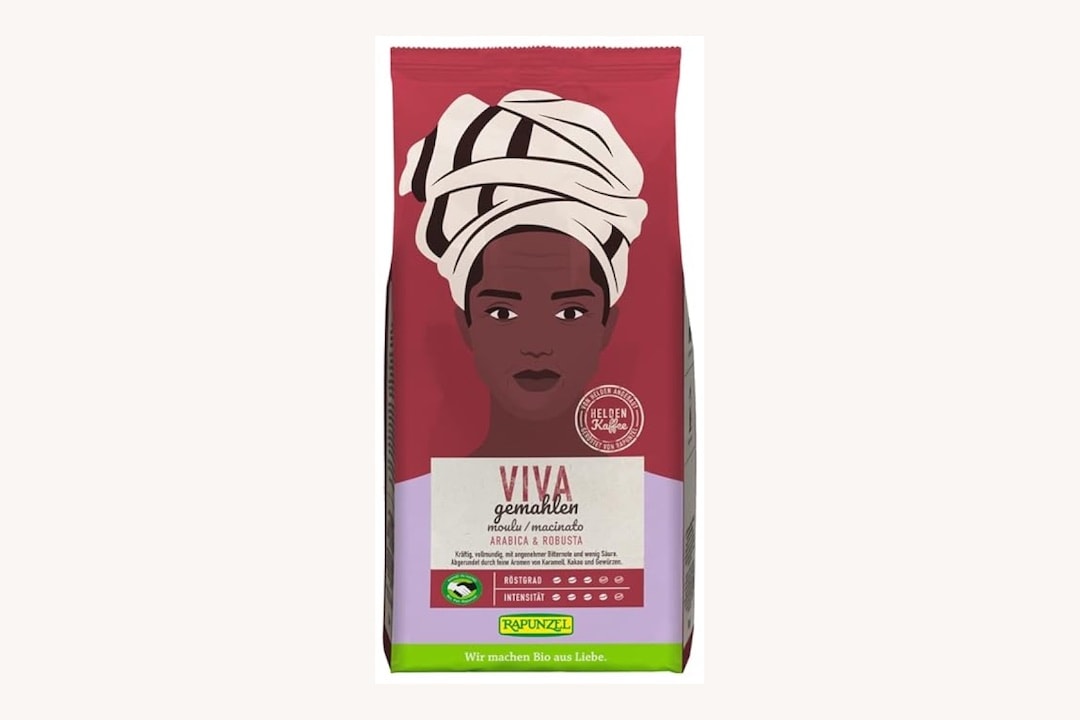
Rapunzel Heldenkaffee - Ganze Bohne & Gemahlen
Besonderes Merkmal: Biodiversität und Schattenanbau
Zertifizierungen: Bio-Zertifizierung (EG-Bio), HAND IN HAND Fair Trade
Kaffeetyp: Ganze Bohne, Gemahlen
Profil: Crema (mittlere Röstung), Arabica (mittlere Röstung), Viva (kräftige Röstung)
Herkunft der Bohnen: Honduras und Peru (fair gehandelt)
Entkoffeinierte Optionen: Nein
Preis: Ab 13,46 € für 500 g (gemahlen) bis 28,32 € für 1 kg (ganze Bohne)
Warum wir ihn ausgewählt haben:
Der Rapunzel Heldenkaffee trägt seinen Namen zu Recht – die Kaffeebauern bauen ihn in Mischkultur unter Schattenbäumen an, was blühende Ökosysteme und außergewöhnliche Qualität fördert. Die intensive Pflege und sorgfältige Handarbeit bei der Auslese merkt man dem Kaffee an.
Je nach Variante bekommst du unterschiedliche Geschmacksprofile: Der Crema überzeugt mit Karamell und fruchtigen Beeren plus samtiger Crema (perfekt für Vollautomaten), der Arabica kommt vollmundig mit Vanille, Nuss und Schokolade, und der Viva ist kräftig mit wenig Säure und Noten von Kakao und Gewürzen.
Rapunzel ist seit Jahren bekannt für Bio-Qualität und fairen Handel. Mit dem HAND IN HAND-Programm werden die Kaffeebauern fair bezahlt. Ein Bio Kaffee, der sowohl geschmacklich als auch ökologisch punktet.
Rapunzel Heldenkaffee hier kaufen*
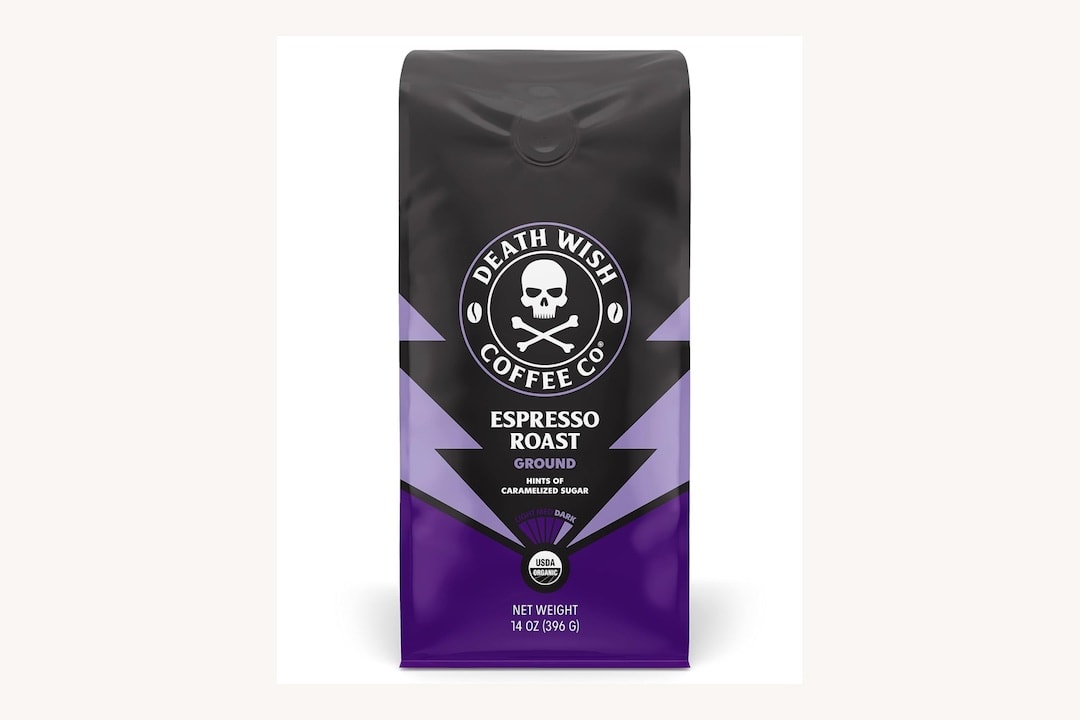
Death Wish Coffee - Fair Trade & Bio Espresso Röstung
Besonderes Merkmal: Extrem hoher Koffeingehalt
Zertifizierungen: USDA Certified Organic, Fair Trade Certified™
Kaffeetyp: Gemahlen, Ganze Bohne, K-Cup Pads, Instant-Kaffee
Profil: Helle Röstung, Mittlere Röstung, Dunkle Röstung, Espresso, Aromatisierte Varianten
Herkunft der Bohnen: Peru, Indien, Guatemala, Honduras, Äthiopien und Sumatra
Entkoffeinierte Optionen: Nein
Preis: 67,99€ (ca. 396 g)
Warum wir ihn ausgewählt haben:
Death Wish ist einer unserer Favoriten unter den schadstofffreien Kaffees. Die Espresso-Röstung hat einen intensiven, dunklen Geschmack und verbreitet diesen unwiderstehlichen Café-Duft in der Küche.
Als „stärkster Kaffee der Welt" angepriesen, packt Death Wish etwa doppelt so viel Koffein wie normaler Kaffee – dank einer Mischung mit natürlich koffeinhaltigen Robusta-Bohnen. Perfekt für lange, anstrengende Tage oder wenn normaler Kaffee einfach nicht wirkt.
Death Wish testet intern auf Mykotoxine, und unabhängige Labortests haben bestätigt, dass der Kaffee frei von Schimmel und Pestiziden ist. In einem aktuellen Verbraucherbericht gehörte er zu den „schadstofffreien" Kaffees. Nur eine Empfehlung: Vielleicht nicht um 18 Uhr abends trinken.
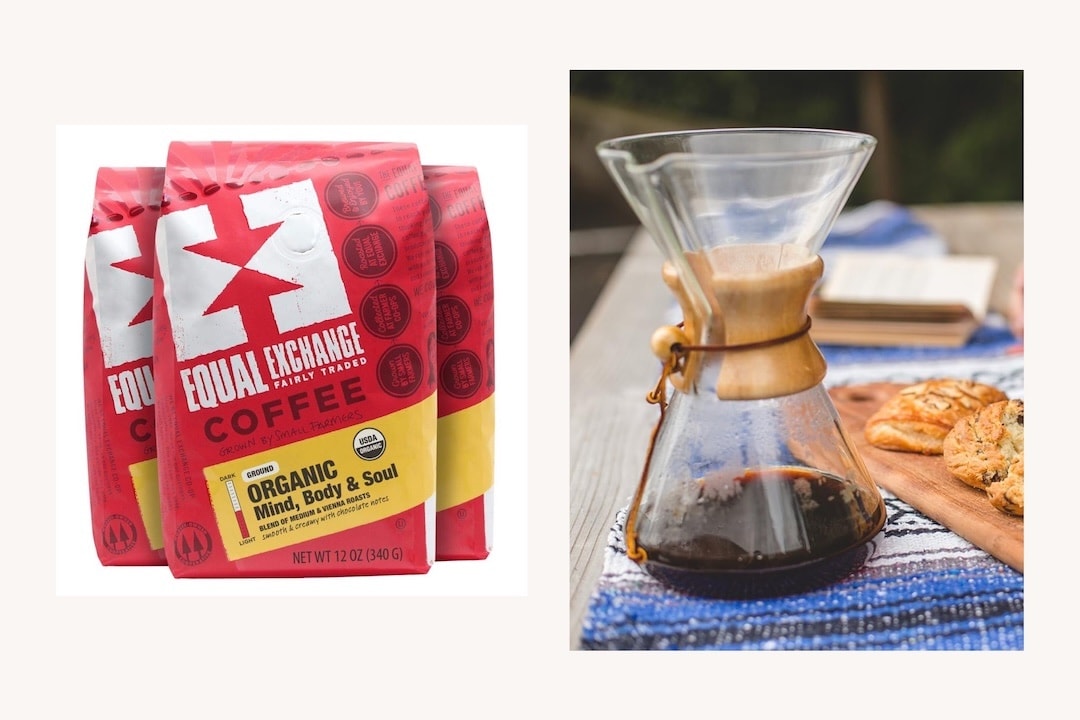
Equal Exchange - Gemahlener Fair Trade Bio Kaffee
Besonderes Merkmal: Mittlere Röstung, ethisch und fair gehandelt
Zertifizierungen: USDA Organic (Amerikanische Bio-Zertifizierung)
Kaffeetyp: Ganze Bohne, Gemahlen
Profil: Helle Röstung, Mittlere Röstung, Dunkle Röstung
Herkunft der Bohnen: Multi-Region Mischung
Entkoffeinierte Optionen: Ja (wasserverarbeitet)
Preis: 53,17€ für 340g
Warum wir ihn ausgewählt haben:
Equal Exchange bietet einen ethisch bezogenen Bio Kaffee mit klarer Mission. Die Mind, Body & Soul Mischung ist eine mittlere Röstung, die gleichzeitig kräftig und sanft ist – mit Noten von Milchschokolade, Nüssen und Karamell, ohne verbrannten oder zu sauren Nachgeschmack. Ein perfekter Alltagskaffee, den du morgens aufbrühst und pur oder mit etwas Hafermilch genießt.
Das Besondere an Equal Exchange ist die Mission: Als arbeitergeführte Kooperative arbeiten sie mit kleinen Bauernkooperativen weltweit zusammen und garantieren faire Preise und langfristige Unterstützung für die Erzeuger.
Equal Exchange hält sich an Bio-Standards (keine schädlichen Chemikalien) und hat seit den 1980er Jahren hohe Qualitätskontrollen. Auch wenn sie keine Schimmeltests veröffentlichen, ist ihre Expertise in hochwertigem, nachhaltigem Kaffee bewiesen. Wer einen säurearmen Kaffee ohne Schadstoffe sucht, der kleine Bauern unterstützt, ist hier genau richtig.
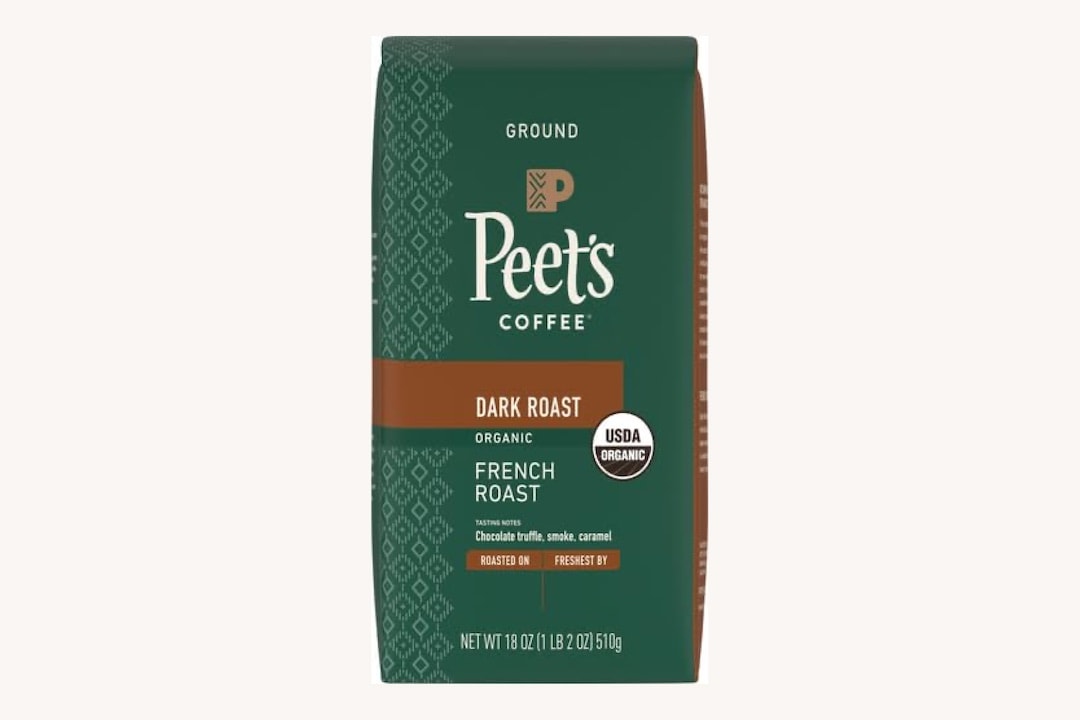
Peet's - Bio Kaffee Dunkle Französische Röstung
Besonderes Merkmal: Dunkle, rauchige Röstung
Zertifizierungen: USDA Organic (Amerikanische Bio-Zertifizierung)
Kaffeetyp: Gemahlen, Ganze Bohne, Kapseln
Profil: Helle Röstung, Mittlere Röstung, Dunkle Röstung
Herkunft der Bohnen: Single-Origin aus Lateinamerika (z.B. Guatemala, Kolumbien, variiert je nach Charge)
Entkoffeinierte Optionen: Ja
Preis: 33,13€ für 510g
Warum wir ihn ausgewählt haben:
Peet's ist seit Jahrzehnten ein bekannter Name im Kaffeebereich, und ihre Organic French Roast zeigt warum. Diese tiefe, dunkle Röstung liefert eine kräftige, rauchige Tasse, ohne verkohlt oder bitter zu werden. Viele trinken diesen Kaffee seit über 10 Jahren – das sagt einiges aus.
Die Bohnen stammen aus Hochlandregionen in Lateinamerika – frühere Chargen enthielten etwa guatemaltekische und kolumbianische Bohnen aus den Bergen, wo das kühlere Klima das Aroma entwickelt und Schimmelwachstum auf natürliche Weise hemmt. Peet's nimmt Frische ernst: Sie rösten in kleinen Chargen und drucken das Röstdatum auf die Verpackung.
Als Bio-zertifizierter Kaffee werden keine synthetischen Pestizide beim Anbau verwendet. Wir empfehlen French Press oder Pour-Over, um den vollsten Körper und Geschmack zu entfalten. Wer die Sicherheit einer etablierten, zuverlässigen Marke mit Bio-Zertifizierung sucht und dunkle Röstungen liebt, trifft mit Peet's Organic French eine ausgezeichnete Wahl.
Die „sehr guten" Bio-Kaffees ohne Schimmel (trotzdem hochwertig)
Bulletproof - The Original Clean Coffee - Mittlere Röstung Gemahlener Kaffee
Besonderes Merkmal: Sanft und magenfreundlich
Zertifizierungen: Rainforest Alliance Certified
Kaffeetyp: Gemahlen, Ganze Bohne, Pads
Profil: Helle Röstung, Mittlere Röstung, Mittel-Dunkle Röstung, Dunkle Röstung
Herkunft der Bohnen: Mittel- oder Südamerika
Entkoffeinierte Optionen: Ja
Preis: 43,49€ für 340g
Warum wir ihn ausgewählt haben:
Bulletproof ist die Marke, die den „cleanen Kaffee"-Trend maßgeblich mitgeprägt hat. Ihr Kaffee ist besonders beliebt bei gesundheitsbewussten Menschen – und das aus gutem Grund: Es ist ein schadtsofffreier, säurearmer Kaffee, den viele als deutlich magenfreundlicher als normalen Kaffee empfinden. Er hat einen reichhaltigen, mittleren Körper mit subtilen Noten von Zimt und Orange, ohne sauren Biss.
Die Marke folgt strengen Standards bei Beschaffung und Verarbeitung, um Schimmel zu vermeiden – sie verwenden nur Specialty-Grade-Bohnen und kontrollieren die Feuchtigkeit während der Produktion sorgfältig. Unabhängige Labortests haben bestätigt, dass Bulletproof frei von Schadstoffen wie PFAS, Pestiziden, Schimmel und Hefen ist.
Warum „sehr gut"? Der einzige Grund: Bulletproof hat keine offizielle USDA-Bio-Zertifizierung (stattdessen Rainforest Alliance). In der Praxis erfasst ihr Testverfahren aber vermutlich alle Schadstoffprobleme. Viele Fans berichten, dass dies der einzige Kaffee ist, der ihnen weder Magenbeschwerden noch Nervosität bereitet.
Danger Coffee - Schimmelfreier & Remineralisierter Gemahlener Kaffee, Mittlere Röstung
Besonderes Merkmal: Mit zusätzlichen Mineralien & Energie-Boost
Zertifizierungen: Keine
Kaffeetyp: Ganze Bohne, Gemahlen, Kompostierbare Pads
Profil: Mittlere und Dunkle Röstung
Herkunft der Bohnen: Mittelamerika
Entkoffeinierte Optionen: Ja
Preis: 60,92€ für 320g
Warum wir ihn ausgewählt haben:
Suchst du nach einem schimmelfreien Kaffee, der deinen gesunden Lebensstil unterstützt? Anders als normaler Kaffee, der Elektrolyte ausschwemmen kann, ist Danger's Kaffee im Labor auf Schimmel und Mykotoxine getestet und mit über 50 Spurenelementen und Elektrolyten angereichert. Dieser Premium-Kaffee füllt also Elektrolyte wieder auf und gibt dir einen Extra-Gesundheitsschub.
Der Unterschied? Danger's schadstofffreier Kaffee liefert anhaltende Energie ohne das übliche Koffein-Tief am Ende des Tages.
Abseits der Besonderheiten ist der Kaffee selbst hochwertig: sanft, säurearm und ergibt eine reine, kräftige Tasse ohne verbrannten Geschmack. Wir haben bei Danger Coffee eine schöne, gleichmäßige Energie bemerkt mit weniger Absturz – vielleicht durch das Mineralprofil oder einfach die hochwertigen Bohnen. Wie Bulletproof hat Danger Coffee keine Bio-Zertifizierung, bezieht aber Specialty-Grade, handgepflückte Bohnen und hält strenge Verarbeitungsstandards ein, um Schimmel zu eliminieren. Labortests von Drittanbietern bestätigen, dass Danger Coffee frei von über 500 Schadstoffen ist – inklusive Pestiziden, Mykotoxinen, Schimmel und sogar PFAS.
Warum „sehr gut"? Wir haben ihn hier eingeordnet, weil er nicht offiziell biologisch ist und nicht alle Labortestergebnisse öffentlich sind. Dennoch ist es eindeutig ein sehr hochwertiger Kaffee. Wenn du einen schadstofffreien Kaffee möchtest und die Idee zusätzlicher Mineralien (Magnesium, Zink usw.) magst, ist Danger Coffee einen Versuch wert.
Warum ist schadstofffreier Bio-Kaffee wichtig?
Der Konsum von stark mit Mykotoxinen belasteten Lebensmitteln kann akut krank machen. Aber was ist mit den kleinen, chronischen Belastungen, die durch eine tägliche Kaffeegewohnheit entstehen können? Es ist schwer zu wissen, wie viel Schimmelpilzgifte sich genau in jeder einzelnen Tasse verbergen könnten.
Eine wissenschaftliche Übersichtsarbeit in „Coffee in Health and Disease Prevention" stellte fest, dass Mykotoxine häufig in Kaffee vorkommen, normalerweise in geringen Mengen, und nur eine kleine Anzahl von Proben die behördlichen Grenzwerte überschreitet. Die Autoren wiesen auch auf einen Mangel an aktueller Forschung zu diesem Thema hin, was bedeutet, dass es noch einige Unsicherheiten gibt.
Die meisten Studien erwähnen zwei hochriskante Mykotoxine, die häufig in Kaffee vorkommen:
-
Aflatoxin B1 - Ein Mykotoxin, das regelmäßig in Kaffee auftaucht. Die Internationale Agentur für Krebsforschung (IARC) stuft dieses Mykotoxin als bekanntes menschliches Karzinogen ein und sagt, dass selbst eine geringe Belastung deine DNA subtil beeinflussen kann! Diese Schadstoffe können das Risiko für Leberkrebs erhöhen, Geburtsfehler verursachen und zu Problemen mit dem Immunsystem führen.
-
Ochratoxin A (OTA) - Ein Mykotoxin, das häufig in Kaffee vorkommt und als wahrscheinlich krebserregend beim Menschen eingestuft wird. Es hat sich in Tierversuchen als nierenschädigend erwiesen. Während behördliche Grenzwerte helfen, OTA-Werte in kommerziellem Kaffee niedrig zu halten, besteht die Sorge, dass die tägliche Aufnahme kumulative Effekte haben könnte.
Weitere versteckte Schadstoffe im Kaffee
Hier sind weitere schädliche Chemikalien, die sich in deinen Kaffee einschleichen können, aber nicht auf dem Etikett stehen:
-
Per- und Polyfluoralkylsubstanzen (PFAS) - Eine aktuelle Studie hat gezeigt, dass Kaffeetrinker mit höherer Wahrscheinlichkeit erhöhte PFAS-Werte im Blut haben. Diese „Ewigkeitschemikalien" werden mit einem erhöhten Krebsrisiko, Immunsuppression und Hormonstörungen in Verbindung gebracht.
-
Pestizide - Chemikalien wie Glyphosat werden häufig beim konventionellen Kaffeeanbau eingesetzt. Glyphosat wird mit Hormonstörungen und neurotoxischen Effekten in Verbindung gebracht.
-
Schwermetalle - Kaffee kann geringe Konzentrationen von Arsen, Cadmium und Blei enthalten. Diese giftigen Schwermetalle reichern sich jedoch über lange Zeit im Körper an und erhöhen das Risiko für Fortpflanzungsprobleme und andere Gesundheitsprobleme.
-
Methylenchlorid - Ein Lösungsmittel, das häufig zur Entkoffeinierung von Kaffee verwendet wird. Diese Chemikalie ist ein wahrscheinliches menschliches Karzinogen und ein potenzieller hormoneller Disruptor.
Jeder normale Kaffee kann mit einigen dieser Chemikalien belastet sein. Können geringe Mengen deine Gesundheit beeinträchtigen? Eine aktuelle Studie (2025) kam zu dem Schluss, dass selbst kleine Mengen von Aflatoxinen im Kaffee riskant sein können.
Unsere Meinung? Angesichts dieser Unsicherheiten ist die Wahl von im Labor geprüftem Kaffee ohne Schadstoffe der beste Weg, um deine Belastung durch diese toxischen Verbindungen zu reduzieren – besonders wenn du täglich Kaffee trinkst.
Das ist noch wichtiger für gefährdete Gruppen wie Menschen mit geschwächtem Immunsystem, Schwangere oder alle, die mit Erkrankungen zu tun haben, die sie empfindlich gegenüber Schadstoffen machen.
Deshalb ist es wichtig, auf hochwertige Marken zu setzen. Du weißt nicht, wie du eine vertrauenswürdige Marke erkennst? Schau dir die wichtigsten Zertifizierungen an, auf die du achten solltest!
Die wichtigsten Zertifizierungen für Bio Kaffee ohne Schadstoffe
Beim Kauf von Kaffee können bestimmte Zertifizierungen von Drittanbietern als Orientierung dienen, um hochwertigere, schadtsofffreiere Bohnen zu finden. Auch wenn nicht alle guten Kaffees all diese Siegel haben – wenn du sie auf einem Etikett siehst, ist das ein gutes Zeichen, dass die Marke Reinheit und Ethik ernst nimmt. Hier sind einige wichtige Zertifizierungen, auf die du achten solltest:
-
EU-Bio / EG-Öko-Verordnung: Das wichtigste Bio-Siegel in Deutschland. Garantiert, dass der Kaffee nach strengen europäischen Bio-Standards angebaut wurde – ohne synthetische Pestizide oder Düngemittel. Bei Öko Test schneiden Produkte mit diesem Siegel regelmäßig gut ab.
-
Demeter-zertifiziert Biodynamisch: Die strengste Bio-Zertifizierung, die aus Deutschland stammt. Demeter-Kaffee kommt von biodynamischen Farmen und gewährleistet einen ganzheitlichen, ökologischen und ethischen Ansatz beim Kaffeeanbau. Mount Hagen* bietet beispielsweise Demeter-zertifizierten Kaffee an.
-
Fairtrade: Gewährleistet ethische Arbeitsbedingungen und faire Preise für kleine Bauern im Kaffeeanbau. Marken wie GEPA* sind bekannt für ihren fairen Handel und soziale Verantwortung.
-
Naturland / Bioland: Deutsche Bio-Verbände mit strengen Richtlinien, die oft über die EU-Bio-Verordnung hinausgehen. Sie achten besonders auf Umweltschutz und nachhaltige Bewirtschaftung.
-
Rainforest Alliance Certified: Bestätigt, dass das Produkt von Farmen stammt, die Biodiversität schützen, faire Arbeitsbedingungen gewährleisten und nachhaltige Praktiken fördern. Diese Zertifizierung ist international anerkannt und auch in Deutschland verbreitet.
Wenn du im Supermarkt oder in Bio-Supermärkten einen Kaffee siehst, der EU-Bio, Fairtrade und vielleicht auch Demeter oder Rainforest Alliance ist, hältst du wahrscheinlich einen verantwortungsvoll produzierten, schadtsofffreien Kaffee in den Händen. Natürlich haben einige kleinere Marken möglicherweise nicht alle Siegel, liefern aber trotzdem großartigen hochwertigen Kaffee (oft mit detaillierten eigenen Testverfahren im Labor, wie einige, die wir aufgelistet haben). Nutze das oben Genannte als Leitfaden, aber berücksichtige auch die Transparenz einer Marke in Bezug auf Labortests und Beschaffung.
Bereit, deinen Kaffee mit Zuversicht auszuwählen? Schauen wir uns einige praktische Tipps an, wie du den gesündesten Kaffee auswählst und zubereitest.

Wie wählst du den besten Bio Kaffee?
Abschließend noch einige allgemeine Tipps zur Auswahl (und Zubereitung) von Kaffee, um Schimmel und Schadstoffe zu minimieren:
-
Wähle unabhängig im Labor getesteten Kaffee: Kaufe wann immer möglich bei Marken, die unabhängige Labore nutzen, um auf Schimmel und Mykotoxine (und andere Schadstoffe) zu testen. Hersteller, die Testergebnisse oder Zertifizierungen offen teilen, geben dir zusätzliche Transparenz und Sicherheit. Wenn eine Marke vage „schimmelfrei"-Behauptungen ohne Belege macht, nimm das mit Vorsicht. Entscheide dich für jene, die es belegen können – so findest du echten Kaffee ohne Schadstoffe.
-
Achte auf vertrauenswürdige Zertifizierungen: Wie oben beschrieben, ist Bio Qualität nicht verhandelbar für den gesündesten Kaffee. Zertifizierungen wie Demeter oder Fair Trade sind ein Plus, da sie mit besseren Arbeitsbedingungen und Handhabung korrelieren. Specialty-Grade-Bohnen enthalten mit geringerer Wahrscheinlichkeit beschädigte oder schimmelige Samen, also ist das ein weiteres Qualitätsmerkmal. Kurz gesagt: Je mehr seriöse Siegel auf der Verpackung, desto besser die Chancen auf einen schadtsofffreien Bio Kaffee.
-
Wähle Single Origin, wenn möglich: Ein Single-Origin-Kaffee (von einer Farm oder Kooperative) bedeutet, dass alles in deiner Packung eine bekannte Herkunft hat. Das verbessert die Transparenz beim Kaffeeanbau. Mischungen, besonders günstige Massenmischungen, könnten gute Bohnen mit minderwertigeren Kaffeesorten kombinieren (die schimmelige Teile enthalten könnten). Single-Origin-Kaffees werden in der Regel auch sorgfältiger angebaut, und du findest oft Infos zur Höhenlage und Verarbeitung.
-
Bevorzuge Bohnen aus großer Höhe und Schattenanbau: Höhenlage und Mikroklima spielen eine Rolle beim Anbau. Hochlandkaffees (1200+ Meter) wachsen unter kühleren Bedingungen, wo Pilze langsamer wachsen. Diese Kaffeebohnen haben meist auch besseres Aroma. Schattengewachsener Kaffee fördert ein gesünderes Ökosystem mit natürlicher Schädlingskontrolle, reduziert den Bedarf an Pestiziden und schafft Bedingungen, die für Schimmel weniger günstig sind. Viele unserer empfohlenen Marken sind aus großer Höhe und schattengewachsen – eine Kombination, die sowohl für Qualität als auch potenziell niedrigere Schadstoffwerte großartig ist.
-
Kaufe ganze Bohnen und lagere richtig: Wenn du dir Sorgen um Schimmel machst, zählt auch, wie du Kaffee zu Hause handhabst. Kaufe ganze Kaffeebohnen (sie bleiben länger frisch und haben weniger Oberfläche für Kontamination). Wenn du deine Bohnen bekommst, fülle sie in einen luftdichten Behälter um und bewahre ihn an einem kühlen, dunklen Ort auf (nicht im Kühlschrank oder Gefrierschrank mit Feuchtigkeit). Mahle deine Bohnen erst kurz vor dem Brühen – gemahlener Kaffee kann oxidieren und möglicherweise schneller Schimmel entwickeln, wenn Feuchtigkeit eindringt. Verbrauche deinen Kaffeevorrat innerhalb weniger Wochen nach dem Öffnen für bestes Aroma und geringstes Risiko.
-
Halte deine Geräte sauber: Eine oft übersehene Quelle von Schimmel ist die Kaffeemaschine selbst. Reinige deine Kaffeemaschine regelmäßig – besonders alle Teile, wo Wasser steht, der Wassertank und der Brühkorb. Schimmel kann in feuchten Abtropfschalen und Schläuchen wachsen. Lass monatlich einen Durchlauf mit Essig-Wasser laufen oder nutze eine Kaffeemaschinen-Reinigungslösung. Bei manuellen Methoden wasche deine French-Press- oder Pour-Over-Teile gründlich nach jedem Gebrauch. Eine saubere Maschine stellt sicher, dass du nicht mal den reinsten Kaffee mit Haushaltsschimmel rekontaminierst.
Wenn du diese Tipps befolgst, trinkst du den frischesten, sichersten Kaffee, den es gibt. Behandle Kaffee im Grunde wie das verderbliche, landwirtschaftliche Produkt, das er ist – kaufe gute Bohnen, lagere sie sorgfältig und halte alles sauber. Kombiniert mit der Wahl einer seriösen, getesteten Marke minimierst du Gesundheitsrisiken ernsthaft und hast nur noch den Genuss einer großartigen Tasse Kaffee.
Die wichtigsten Punkte im Überblick
-
Schimmel und Mykotoxine im Kaffee sind real – aber vermeidbar. Studien zeigen, dass zwischen ~10% und über 90% der Kaffeebohnen eine gewisse Mykotoxin-Kontamination aufweisen können. Diese Schadstoffe (wie Aflatoxin und Ochratoxin) sind unsichtbar und hitzebeständig. Mit der Zeit können sie zu Gesundheitsproblemen wie Leberkrebs oder Nierenschäden beitragen. Die gute Nachricht: Die Wahl von im Labor getesteten Kaffee ohne Schadstoffe eliminiert diese Sorge. Unabhängige Tests haben bei vielen Specialty- und Bio-Kaffees keine nachweisbaren Schimmel- oder Schadstoffwerte gefunden.
-
Bio Kaffee in Specialty-Grade ist generell viel „schadstofffreier". Die meisten Bio- und Premium-Kaffees, die in einer aktuellen Untersuchung getestet wurden, waren frei von Pestiziden, Mykotoxinen und Schimmel. Im Gegensatz dazu kann billiger konventioneller Kaffee Spuren von Agrarchemikalien und möglicherweise mehr Schimmel enthalten (besonders bei minderwertigen Mischungen). Priorisiere Bio-Kaffeebohnen, um Pestizid-Rückstände zu vermeiden, und achte auf Qualitätsmerkmale (Specialty Grade, schattengewachsen usw.), die mit sicherer Handhabung korrelieren.
-
Mehrere Kaffee-Marken haben „schadstofffrei" zu ihrer Mission gemacht. Unsere Top-Empfehlungen – wie Mount Hagen*, GEPA* dein faires Pfund, Lebensbaum Kaffee*, Rapunzel*, Bulletproof* usw. – gehen große Mühen ein, um ein hochwertiges Produkt zu gewährleisten (vom sorgfältigen Anbau bis zu unabhängigen Labortests). Zum Beispiel wurden bei Bulletproof und Danger Coffee in unabhängigen Laboren null Schimmel, Mykotoxine oder PFAS gefunden. Wenn du bei diesen geprüften Marken bleibst, kannst du sicher sein, dass du keine unerwünschten Inhaltsstoffe mit deinem Kaffee zu dir nimmst.
-
Wenn du sehr schimmelempfindlich oder immungeschwächt bist, sei besonders wählerisch. Das könnte bedeuten, ausschließlich Kaffees zu trinken, die Labortestergebnisse veröffentlichen oder strenge Zertifizierungen haben. Der Punkt ist: Nicht alle Bio-Kaffees sind gleich. Wenn deine Gesundheit höchste Vorsicht erfordert, wähle eine Marke mit nachgewiesener Erfahrung beim Testen oder eine, die von Experten für Schimmelpilzbelastung empfohlen wird.
-
Entkoffeinierter Kaffee: Wähle mit Bedacht. Denk daran, dass entkoffeinierter Kaffee mehr Schimmelpilzgifte beherbergen kann, sobald das Koffein (ein natürliches Antimykotikum) entfernt wurde. Außerdem verwenden viele entkoffeinierte Produkte Methylenchlorid, ein Lösungsmittel, das du vielleicht meiden möchtest. Entscheide dich für Swiss Water Process entkoffeinierten Kaffee von seriösen Marken – sie sind frei von Chemikalien und testen oft ihre entkoffeinierten Chargen. Deine sicherste Wahl für entkoffeinierten Kaffee ist ein Bio-Produkt mit Wasserverfahren von einem Hersteller, der Wert auf schimmelfreie Qualität legt.
-
Lagerung und Brühgewohnheiten können auch Schimmel beeinflussen. Sobald du deine reinen Bohnen hast, halte sie so! Lagere Kaffee an einem kühlen, trockenen Ort in einem verschlossenen Behälter. Verbrauche ihn innerhalb weniger Wochen nach dem Öffnen. Reinige deine Mühle und Kaffeemaschine oft, um Schimmelbildung zu verhindern, wo Wasser oder Kaffeereste sitzen. Wenn du sichtbaren Schimmel am Kaffee siehst (z.B. an feuchtem benutztem Kaffeesatz oder in Geräten), entsorge ihn und desinfiziere. Während es selten ist, dass trockener, gerösteter Kaffee sichtbar schimmelt, ist es unter feuchten Bedingungen möglich. Gute Hygiene stellt sicher, dass deine schimmelfreien Bohnen zu Hause nicht kontaminiert werden.
Zusammenfassend: Der beste Kaffee ohne Schadstoffe basiert auf hochwertigen Bio-Kaffeebohnen, sorgfältig verarbeitet beim Rösten, durch Tests verifiziert und frisch in einem sauberen System gebrüht. Wenn du die Ratschläge in diesem Guide befolgst, kannst du potenzielle Schadstoffe in deiner Kaffee-Routine erheblich reduzieren. Das Ergebnis ist eine Tasse mit hervorragendem Geschmack und Aroma, die dich gut fühlen lässt – ohne Nervosität, ohne Magenbeschwerden und ohne Sorgen darüber, was sich sonst noch in deiner Tasse verbergen könnte. Prost darauf!
Häufig gestellte Fragen zu Kaffee ohne Schadstoffe
Welcher Kaffee hat am wenigsten Schadstoffe?
Unabhängige Labortests haben gezeigt, dass viele Bio-Kaffees praktisch keine Schadstoffe enthalten. In einer Untersuchung von Premium-Marken aus 2024 waren bei den meisten Proben Schimmel, Mykotoxine und Pestizide nicht nachweisbar. Marken, die dies speziell priorisieren – zum Beispiel Mount Hagen* und GEPA* – schnitten in Öko Test-Analysen sehr gut ab und werden regelmäßig im Labor auf Schadstoffe geprüft. Generell kann keine einzelne Marke behaupten, „null Schadstoffe" zu allen Zeiten zu haben, aber Kaffees, die im Labor auf Mykotoxine getestet und richtig angebaut/gelagert werden (wie die in unserer Liste), werden am wenigsten Schadstoffe haben. Achte auf Hersteller, die offen Testergebnisse teilen oder Protokolle zur Schimmelvermeidung erwähnen und Transparenz zeigen. Große Mainstream-Kaffee-Marken testen darauf nicht, daher ist es am sichersten, bei bekannten Bio-Marken mit Zertifizierungen oder verifizierten Bio-Farmen zu bleiben.
Welcher Kaffee ist ohne Pestizide bzw. am wenigsten mit Pestiziden belastet?
Bio-zertifizierter Kaffee ist deine beste Wahl, um Pestizide zu vermeiden. Die Bio-Zertifizierung garantiert, dass beim Anbau keine synthetischen Pestizide oder Herbizide verwendet wurden. Kaffeesorten mit EU-Bio oder Demeter-Zertifizierung müssen strenge Richtlinien einhalten. In Öko Test-Analysen schnitten Bio-Produkte wie Mount Hagen*, GEPA* und Lebensbaum* besonders gut ab – mit keinen oder nur minimalen Pestizidrückständen. Konventioneller Kaffee, besonders von Discountern, kann hingegen Rückstände von Chemikalien wie Glyphosat enthalten. Wenn du auf Nummer sicher gehen willst, wähle Bio Kaffee von Marken, die ihre Produkte regelmäßig im Labor testen lassen.
Welcher Kaffee enthält am wenigsten Acrylamid?
Acrylamid entsteht beim Rösten von Kaffee bei hohen Temperaturen. Generell haben helle Röstungen niedrigere Acrylamid-Werte als dunkle Röstungen, da sie kürzer und bei niedrigeren Temperaturen geröstet werden. Die Europäische Behörde für Lebensmittelsicherheit empfiehlt schonende Röstverfahren, um den Acrylamid-Gehalt zu minimieren. In Öko Test-Untersuchungen zeigten Bio-Kaffees oft bessere Ergebnisse beim Acrylamid: Mount Hagen* und GEPA* (Testsieger) hatten beispielsweise niedrige Acrylamid-Werte. Kaffeebohnen, die langsam und schonend in Trommelröstverfahren geröstet werden, haben tendenziell weniger Acrylamid als industriell schnell geröstete Produkte. Achte auch auf die Röstung: Je dunkler, desto höher meist der Acrylamid-Gehalt.
Welcher Kaffee ist am Magen freundlichsten?
Säurearmer Kaffee ist am magenfreundlichsten. Kaffeebohnen, die in großen Höhen langsam wachsen und schonend geröstet werden, haben von Natur aus weniger Säure. Marken wie Mount Hagen* und Rapunzel* sind speziell für ihre magenschonenden Eigenschaften bekannt. Auch die Röstung spielt eine Rolle: Dunkle Röstungen haben oft weniger Säure als helle. Bio Kaffee, der frei von Pestiziden und Schadstoffen ist, wird ebenfalls besser vertragen, da keine chemischen Rückstände den Magen reizen. Viele Menschen berichten, dass sie mit schadstofffreiem, säurearmem Kaffee ohne Schadstoffe keine Magenbeschwerden oder Sodbrennen mehr haben. Wenn du einen empfindlichen Magen hast, probiere Kaffeesorten aus Honduras oder Peru, die oft mild und magenschonend sind.
Wie trinke ich Kaffee ohne Schimmel?
Um sicherzustellen, dass dein Kaffee schimmelfrei ist, konzentriere dich auf zwei Bereiche: die richtige Wahl des Kaffees und die richtige Lagerung/Zubereitung. Kaufe zunächst Kaffee von Marken, die auf Schimmel/Mykotoxine testen oder einen Ruf für sauberen Kaffee haben (siehe unsere Empfehlungen). Entscheide dich für ganze Kaffeebohnen und prüfe, dass sie frisch geröstet sind. Lagere die Bohnen in einem luftdichten Behälter an einem kühlen, trockenen Ort – Feuchtigkeit ist der Feind und kann Schimmel fördern. Mahle nur das, was du unmittelbar vor dem Brühen brauchst, da gemahlener Kaffee schneller abgestanden oder schimmelig werden kann, wenn er Feuchtigkeit ausgesetzt ist. Halte auch deine Kaffeeausrüstung sauber: Spüle und trockne Filterhalter, Kannen und Mühlen regelmäßig und reinige deine Kaffeemaschine regelmäßig gründlich mit Essig oder einer Reinigungslösung. Das verhindert, dass Umgebungsschimmel in der Maschine wächst.
Ist entkoffeinierter Kaffee frei von schädlichen Schadstoffen?
Kaffee kann mit unterschiedlichen Verfahren entkoffeiniert werden, etwa mit Wasser oder Kohlendioxid. Prüfe das genannte Verfahren und verfügbare produktspezifische Prüfinformationen. Durch diese Prozesse wird Kaffee nicht chemiefrei.
* Werbung: Dieser Artikel enthält mit * gekennzeichnete Affiliate-Links. Wenn du über diese Links einkaufst, erhalten wir eine kleine Provision – für dich entstehen keine zusätzlichen Kosten. Die bereitgestellten Informationen dienen ausschließlich Bildungs- und Informationszwecken und stellen keine medizinische Beratung dar. Sie ersetzen nicht die Konsultation eines Arztes oder qualifizierten Gesundheitsdienstleisters. Dieser Artikel wurde mit Unterstützung von KI-Tools erstellt und von unserem Team redaktionell geprüft und freigegeben. Alle geäußerten Meinungen sind unsere eigenen.
Cristina Solis

Cristina Solis ist eine engagierte Umweltingenieurin und Nachhaltigkeitsberaterin, die es sich zur Aufgabe gemacht hat, bewusste Verbraucher zu informieren und Unternehmen dabei zu unterstützen, einen positiven Einfluss auf unseren Planeten zu haben. Ihre Expertenmeinungen zu Umweltthemen wurden bereits in angesehenen Medien wie Forbes, American Recycler, Green Living Magazine und Homes & Garden veröffentlicht. In ihrer Freizeit verbindet sie sich gerne mit der Natur und verbringt Zeit mit ihrer Familie.







2 Kommentare
Gracias por ilustrarnos
Maria Navarro Velazquez
Gracias por tan valiosa información
Maria Navarro Velazquez
Hinterlasse einen Kommentar