
Table of Contents
Greenwashing erkennen: So erkennst du falsche "Öko"-Versprechen bei Mode & Kosmetik
This page may contain affiliate links. We may earn a commission on purchases, at no additional cost to you. Learn more →
Hast du auch schon mal ein Produkt in der Hand gehalten, das so schön grün verpackt war, dass du dich dabei richtig gut gefühlt hast, nur um später festzustellen, dass an dem „umweltfreundlich" rein gar nichts dran war? Mir ist das öfters passiert. Und genau diese Frustration hat mich dazu gebracht, genauer hinzuschauen, wie Unternehmen mit grünen Versprechen werben, ohne sie einzulösen.
Das nennt sich Greenwashing. Viele Unternehmen stecken mehr Geld in grünes Marketing als in echten Umweltschutz. Sie täuschen uns als Verbraucher mit vagen Begriffen, Naturbildern und Behauptungen, die beim genaueren Hinsehen wie ein Kartenhaus zusammenfallen.
Die gute Nachricht? Sobald du die Tricks kennst, kannst du Greenwashing fast sofort erkennen. In diesem Guide zeigen wir dir die häufigsten Formen, echte Beispiele aus Mode und Kosmetik, und geben dir praktische Tipps, um beim Einkaufen informierte Entscheidungen zu treffen. Denn deine Werte verdienen mehr als Marketing-Floskeln.
Das Wichtigste auf einen Blick
-
Was ist Greenwashing? Greenwashing liegt vor, wenn ein Unternehmen sich oder seine Produkte als umweltfreundlicher darstellt, als sie tatsächlich sind — mehr Schein als Sein. Das reicht von subtilen Verpackungstricks bis zu dreisten Nachhaltigkeitsbehauptungen ohne jeden Nachweis.
-
Warum es dich betrifft: Irreführende Umweltaussagen kosten dich echtes Geld und lenken deine Kaufkraft weg von wirklich nachhaltigen Produkten. Eine EU-Studie von 2020 ergab, dass über 53 % der untersuchten Werbeaussagen vage oder irreführend waren und 40 % keinerlei Beweise hatten.
-
Typische Red Flags: Achte auf vage Begriffe wie „natürlich" oder „umweltfreundlich" ohne Belege, grüne Bildwelten ohne konkrete Maßnahmen und fehlende Transparenz. Wenn etwas zu gut klingt, um wahr zu sein, ist es das meistens auch.
-
So prüfst du Produkte: Authentische Unternehmen liefern konkrete Angaben (z. B. „hergestellt aus 50 % GOTS-zertifizierter Bio-Baumwolle"), tragen anerkannte Siegel wie GOTS, Fair Trade oder den Blauen Engel und legen ihre Lieferkette offen. Unser Guide zu GOTS-zertifizierter Kleidung erklärt, was der Goldstandard bei Textilien wirklich bedeutet.
-
Mode und Kosmetik im Fokus: Diese Branchen sind Hochburgen des Greenwashings. Von angeblich „bewussten" Kollektionen mit minimalem Recyclinganteil bis zu „Clean Beauty"-Versprechen ohne regulierte Definition — wir zeigen dir, wie du die Tricks erkennst.
-
Du bist nicht allein: In Deutschland und der EU wird Greenwashing zunehmend rechtlich verfolgt. Der Bundesgerichtshof hat 2024 ein wegweisendes Urteil gegen irreführende „klimaneutral"-Werbung gefällt. Und ab September 2026 treten deutlich strengere Regeln in Kraft.

Was genau ist Greenwashing?
Der Begriff Greenwashing setzt sich aus „green" (grün) und „whitewashing" (Schönfärberei) zusammen. Er wurde in den 1980er-Jahren vom Umweltschützer Jay Westerveld geprägt, der die angebliche „Umweltkampagne" eines Hotels entlarvte, bei der es nur darum ging, Handtücher seltener zu waschen — und Kosten zu sparen.
Heute umfasst Greenwashing jede Marketingstrategie, bei der Unternehmen Umweltvorteile übertreiben oder umweltschädliche Praktiken hinter einem grünen Image verbergen. Ein Modeunternehmen bringt eine „nachhaltige Kollektion" heraus, die überwiegend aus konventionellen Stoffen besteht. Ein Ölkonzern wirbt mit „Klimaschutz", während er Klimaregelungen blockiert. Es ist Nachhaltigkeit als Performance — ohne Substanz.
Die Umweltforscherin Angel Hsu unterscheidet drei Formen von Greenwashing: Gut gemeint, aber ohne Plan — Versprechen ohne konkrete Maßnahmen. Kompensation statt Reduktion — CO₂-Zertifikate kaufen, anstatt Emissionen tatsächlich zu senken. Und bewusste Täuschung — dreiste Behauptungen, die nie eingelöst werden sollen.
Warum sollte dich das persönlich kümmern? Greenwashing leitet dein Geld in die falschen Kanäle — egal ob bei Kleidung, Kosmetik, Lebensmitteln oder Dienstleistungen. Es schwächt den Wettbewerbsdruck auf Unternehmen, echten Umweltschutz zu betreiben, und verzögert wirkliche Klima-Anstrengungen. Nur etwa ein Drittel der Verbraucher vertraut den Umweltaussagen der Produkte, die sie kaufen. Greenwashing ist ein wesentlicher Grund dafür.
Warum gerade jetzt alles „nachhaltig" ist
Wenn dir vorkommt, als hätte heute jedes Produkt irgendein grünes Label, dann bildest du dir das nicht ein. Rund 85 % der Menschen weltweit haben ihren Konsum in Richtung Nachhaltigkeit verändert, und ein Drittel ist bereit, mehr für umweltfreundliche Produkte zu zahlen. Unternehmen wissen das — und machen Profit daraus, indem sie Green Claims inflationär einsetzen.
Begriffe wie „biologisch abbaubar", „nachhaltig" und „Clean Beauty" begegnen dir überall — ohne belastbare Informationen dahinter. Wenn du nach „Greenwashing erkennen" suchst, stellst du genau die richtige Frage. Vor allem bewusstere Käufer:innen – häufig Millennials und Gen Z – fühlen sich schnell verunsichert von all den Nachhaltigkeitsclaims. „Ist diese nachhaltige Mode wirklich seriös?“, „Welchen Siegeln kann ich vertrauen?", „Richte ich am Ende mehr Schaden als Nutzen an?“ – solche Fragen sind inzwischen ziemlich normal.
Rund um den Earth Day oder wenn Klima-Themen groß in den Medien sind, steigt das Interesse an Greenwashing spürbar. Marken schalten dann besonders viele „grüne“ Kampagnen – und Menschen schauen genauer hin. Gerade in solchen Nachhaltigkeits-Phasen solltest du besonders aufmerksam bleiben.
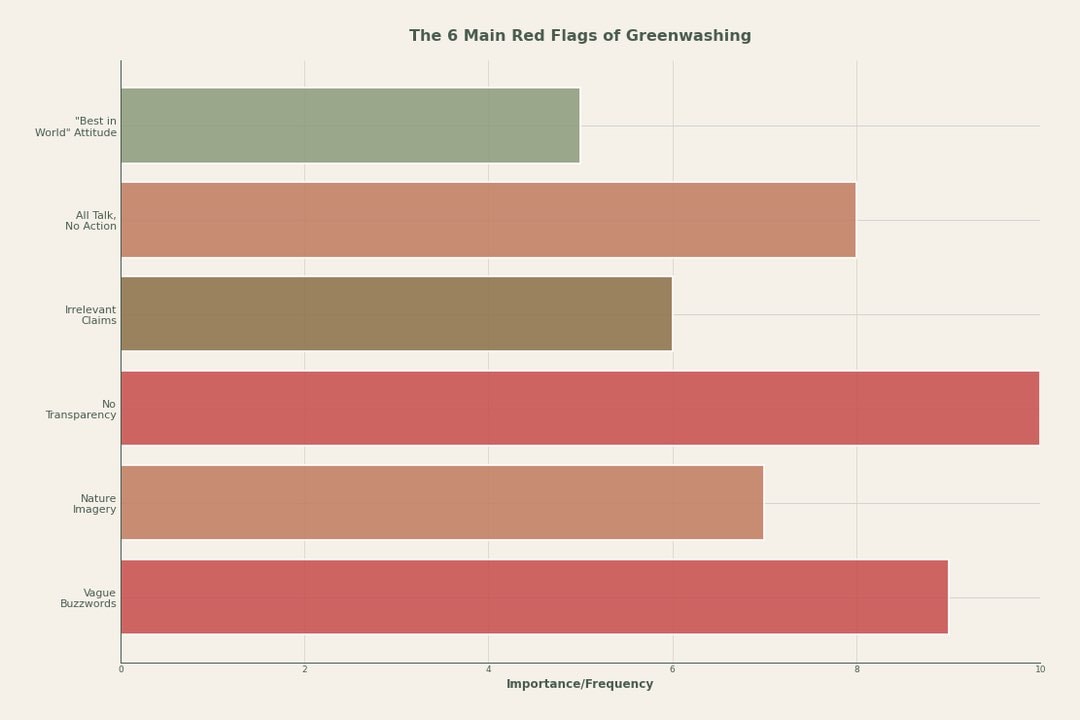
6 Red Flags: So kannst du Greenwashing erkennen
Nachhaltiger Konsum sollte sich gut anfühlen. Aber bevor du den Werbeaussagen eines Unternehmens vertraust, achte auf diese typischen Warnsignale.
1. Vage „grüne" Begriffe ohne Definition
Wörter wie „natürlich", „umweltfreundlich", „grün" oder „nachhaltig" sind nicht geschützt und können alles oder nichts bedeuten. Die Verbraucherzentrale Rheinland-Pfalz warnt: Unternehmen beschreiben ihre Produkte mit nachhaltig klingenden Wörtern, die nicht geschützt sind und nicht bewiesen werden müssen.
Eine Hautcreme behauptet „rein und natürlich", enthält aber aggressive synthetische Inhaltsstoffe. Ein Kleidungsstück trägt das Etikett „nachhaltige Mode" — ohne jede weitere Erklärung, was daran nachhaltig sein soll.
So erkennst du es: Fordere Konkretes. Wenn ein Produkt „nachhaltig" heißt, frag dich: In welchem Aspekt? Das Material? Die Produktion? Die Lieferkette? Wenn weder auf der Verpackung noch auf der Website erklärt wird, was „umweltfreundlich" tatsächlich bedeutet, ist der Claim wahrscheinlich hohl.
2. Natur-Bilder und grüne Ästhetik
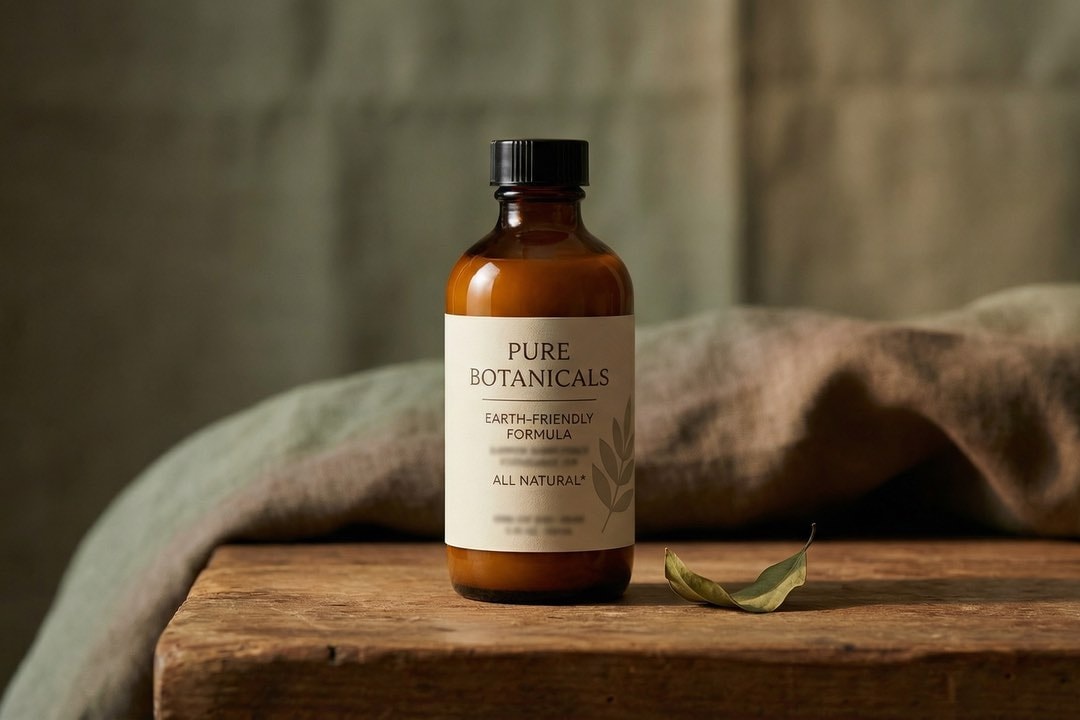
Manchmal steckt die Täuschung nicht in den Worten, sondern in den Bildern. Verpackungen mit grünen Blättern, Wäldern oder Erdtönen signalisieren „umweltfreundlich" — selbst wenn das Produkt keinerlei Umweltvorteile hat.
Ein bekanntes Beispiel: Coca-Cola brachte „Coca-Cola Life" in einer grünen Dose heraus — suggerierte Umweltbewusstsein, war aber letztlich dasselbe Produkt. Fast-Fashion-Unternehmen dekorieren ihre „Conscious Collections" mit Blumen und Recycling-Symbolen, verkaufen aber überwiegend konventionelles Polyester.
So erkennst du es: Beurteile ein Produkt nie nur nach der Verpackung. Dreh es um. Hat das Unternehmen Daten oder Siegel, die das grüne Image belegen?
3. Kein Nachweis, keine Transparenz
Das ist ein großes Warnsignal. Unternehmen, die wirklich etwas für die Umwelt tun, sind offen darüber. Greenwasher bleiben vage.
Ein Waschmittel behauptet „planetenfreundlich", ohne zu sagen, warum. Ein T-Shirt nennt sich „ethisch hergestellt", aber du findest keine Informationen über die Fabrik. Kein Nachhaltigkeitsbericht, kein Nachweis.
Anerkannte Siegel wie GOTS, Fair Trade, OEKO-TEX oder der Blaue Engel bedeuten, dass eine unabhängige Stelle die Kriterien geprüft hat. Wenn du dich fragst, welchen Clean-Beauty-Zertifizierungen du vertrauen kannst, lohnt sich ein genauerer Blick. Die Verbraucherzentrale stellt klar: Ein Siegel, das ein Unternehmen für eigene Produkte vergibt, ist meist nichts wert.
So erkennst du es: Auf der Verpackung: Gibt es echte Siegel? Auf der Website: Existiert ein Bericht? Achte auf Zahlen — „hergestellt aus 30 % recyceltem Material" sagt mehr als „nachhaltig produziert".
4. Irrelevante oder übertriebene Behauptungen
Greenwashing beinhaltet oft das Hervorheben eines winzigen grünen Aspekts, der das Produkt insgesamt nicht nachhaltiger macht. Der Klassiker: „FCKW-frei" auf Spraydosen — FCKW sind seit Jahrzehnten verboten. Jede Spraydose ist FCKW-frei.
Weitere Beispiele: Eine Plastikverpackung wirbt mit „recycelbar", obwohl alle vergleichbaren Produkte das ebenfalls sind. Ein Shampoo bewirbt „50 % mehr natürliche Inhaltsstoffe" — von 2 % auf 3 %. Klingt beeindruckend, ist praktisch irrelevant.
Das Landgericht Amberg urteilte in einem Fall, in dem sich eine Umweltaussage nur auf die Verpackung bezog, nicht aber auf das gesamte Produkt — ohne dies kenntlich zu machen. Ein klassischer Fehler bei Werbeaussagen, der Abmahnungen provoziert.
So erkennst du es: Kontext ist alles. Ist die Behauptung wirklich einzigartig oder einfach nur Standard? Schau auf den gesamten Lebenszyklus. Wenn ein Unternehmen nur einen grünen Aspekt herausstellt, prüfe den Rest — Rohstoffe, Produktion, Verpackung, Entsorgung.
5. Große Versprechen, keine Taten
„Wir werden bis 2050 klimaneutral!" — inspirierend oder Greenwashing? Ohne Umsetzungsplan ist es Letzteres.
Das Landgericht Nürnberg-Fürth untersagte im März 2025 Adidas die Werbung mit „Bis zum Jahr 2050 werden wir klimaneutral sein". Ohne konkrete Pläne seien solche Zukunftsaussagen irreführend nach § 5 UWG. Die Deutsche Umwelthilfe hatte die Klage eingereicht — eines von über 100 erfolgreichen Verfahren.
Auch die Überbetonung von CO₂-Kompensation ist ein Warnsignal. Kompensation kann ein Weg sein, Verantwortung abzuschieben — andere bezahlen, während eigene Anstrengungen zur Reduktion ausbleiben.
So erkennst du es: Achte auf Ziele mit konkreten Zwischenzielen und nachprüfbaren Daten. Wenn du nur große Aussagen ohne Belege hörst, ist Skepsis angebracht.
6. Die „Wir sind die Besten"-Haltung
Ein Unternehmen, das behauptet, „100 % nachhaltig" oder „die grünste Marke der Welt" zu sein, sollte dir zu denken geben. Kein Unternehmen ist in jedem Aspekt vollständig nachhaltig. Nachhaltigkeit ist ein Weg — und wirklich engagierte Unternehmen erkennen das an.
Patagonia wird oft als Vorbild genannt, und doch geben sie offen zu, dass sie nicht komplett nachhaltig sind. „So etwas wie nachhaltige Kleidung gibt es nicht — wir können nur versuchen, weniger Schaden anzurichten." Diese Ehrlichkeit schafft Vertrauen. Bei Orbasics sehen wir das genauso — wir sind stolz auf unsere GOTS-zertifizierte nachhaltige Kleidung, aber wir wissen auch, dass es immer Raum für Verbesserung gibt.
So erkennst du es: Wenn ein Unternehmen nie Herausforderungen eingesteht und sich nur selbst feiert, schau genauer hin. Echte Unternehmen veröffentlichen Berichte mit Erfolgen und Schwächen.
Greenwashing in der Mode: Wenn „Sustainable Style" nicht nachhaltig ist
Die Modeindustrie hat die Sprache der Nachhaltigkeit übernommen — zumindest im Marketing. Kollektionen mit Labels wie „Conscious" oder „Green Collection" sind überall. Aber die Green Claims der Modeindustrie halten selten einer Prüfung stand.
-
Grüne Mini-Kollektionen als Feigenblatt: Große Modeunternehmen bringen regelmäßig kleine nachhaltige Linien heraus — ein paar T-Shirts aus Bio-Baumwolle oder recyceltem Polyester — und vermarkten sie intensiv. Diese Produkte machen oft nur einen Bruchteil des Sortiments aus, während der Rest konventionelle Fast Fashion bleibt. Britische Aufsichtsbehörden stellten fest, dass einige Artikel dieser Linien nur 20 % Recyclinganteil hatten und die Kriterien für die Aufnahme unklar waren.
-
„Bio" und „Recycelt" ohne Belege: Ohne Zertifizierung oder Kontext führen diese Begriffe Verbraucher in die Irre. Ein Etikett mit „Bio-Baumwollmischung" kann 5 % Bio und 95 % konventionell bedeuten. Prüfe immer die genauen Anteile und achte auf Siegel wie GOTS oder den Global Recycle Standard. Wenn du verstehen willst, was wirklich schadstofffreie Kleidung ausmacht, lohnt es sich, die Unterschiede zu kennen.
-
Grüne Bildwelten im Store: Fast-Fashion-Ketten nutzen erdige Dekoration, grüne Etiketten und Recycling-Behälter als Image-Booster. Lies immer die einzelnen Labels und prüfe die Materialzusammensetzung — das zeigt den echten Unterschied.
-
Intransparente Lieferketten: Ein Unternehmen sagt „Wir schützen Umwelt und Arbeiter" — aber du findest keine Informationen über Fabriken oder Wasserverbrauch. In der Mode ist Transparenz das neue Grün. Wenn du nach Marken suchst, die es anders machen, ist unser Überblick der besten schadstofffreien, PFAS-freien Kleidungsmarken ein guter Startpunkt.
Im Jahr 2022 haben Aufsichtsbehörden mehrere große Modehändler wegen irreführender „grüner“ Werbung unter die Lupe genommen. Die betroffenen Marken mussten daraufhin Hunderte Produkte umetikettieren oder ganz aus dem Sortiment nehmen und ihre Marketingtexte so anpassen, dass sie die Realität besser widerspiegeln.
Wenn du Marken suchst, die es mit Transparenz und schadstoffarmen Materialien ernster meinen, ist unsere Übersicht über besonders schadstoffarme, PFAS-freie Modelabels ein guter Einstieg.
Greenwashing in der Kosmetik: „Clean, Green, Natural" — Fakt oder Floskeln?
Die Beauty-Branche hat ihre eigenen Tricks. „Clean Beauty", „non-toxic", „natürlich" — diese Green Claims sind auf Shampoos, Cremes und Lippenstiften allgegenwärtig. Aber es gibt kein Verbot für Begriffe wie „natürlich" — das macht es für Unternehmen leicht, ein nachhaltiges Image zu suggerieren.
-
„Natürlich" und „chemiefrei": Alles besteht auf molekularer Ebene aus Chemikalien. Was Unternehmen meinen, ist: keine synthetischen Chemikalien. Aber natürlich heißt nicht automatisch sicher — Arsen ist natürlich und giftig. Achte auf Siegel wie COSMOS Natural/Organic, BDIH oder NATRUE, die echte Kriterien haben. Unser Clean-Beauty-Guide erklärt, welche Begriffe du wirklich ernst nehmen kannst.
-
Grüne Verpackungs-Illusion: Marken designen ihre Produkte um — dieselbe Plastikflasche, nur jetzt in Grün mit mattem Etikett, das „recycelt" suggeriert. Echte nachhaltige Verpackung wird explizit deklariert: „Diese Flasche besteht aus 100 % recyceltem Post-Consumer-Plastik."
-
Fehlende Inhaltsstoff-Transparenz: Eine Lotion behauptet „non-toxic", aber die Inhaltsliste ist voller unaussprechlicher Stoffe. Ehrliche Unternehmen legen alle Inhaltsstoffe offen, oft mit Glossar zu Quellen und Herkunft.
-
Irreführende Öko-Claims bei Lebensmitteln und Kosmetik: Eine Seife wirbt mit „nachhaltig gewonnenem Palmöl" — das muss mit einer RSPO-Zertifizierung belegt werden. „Tierversuchsfrei" sollte mit einem Leaping Bunny oder PETA-Logo daherkommen — nicht mit einem erfundenen Häschen-Symbol. Als ich anfing, auf eine schadstofffreie Hautpflege-Routine umzusteigen, habe ich schnell gemerkt, wie viel vom „Clean"-Marketing genau das war — Marketing.
Smarter einkaufen: Tipps gegen Greenwashing
Jetzt kommt der Teil, der wirklich zählt — was du konkret tun kannst. Es sind keine komplizierten Schritte, sondern kleine Gewohnheiten, die nachhaltiges Einkaufen natürlich statt anstrengend machen.
-
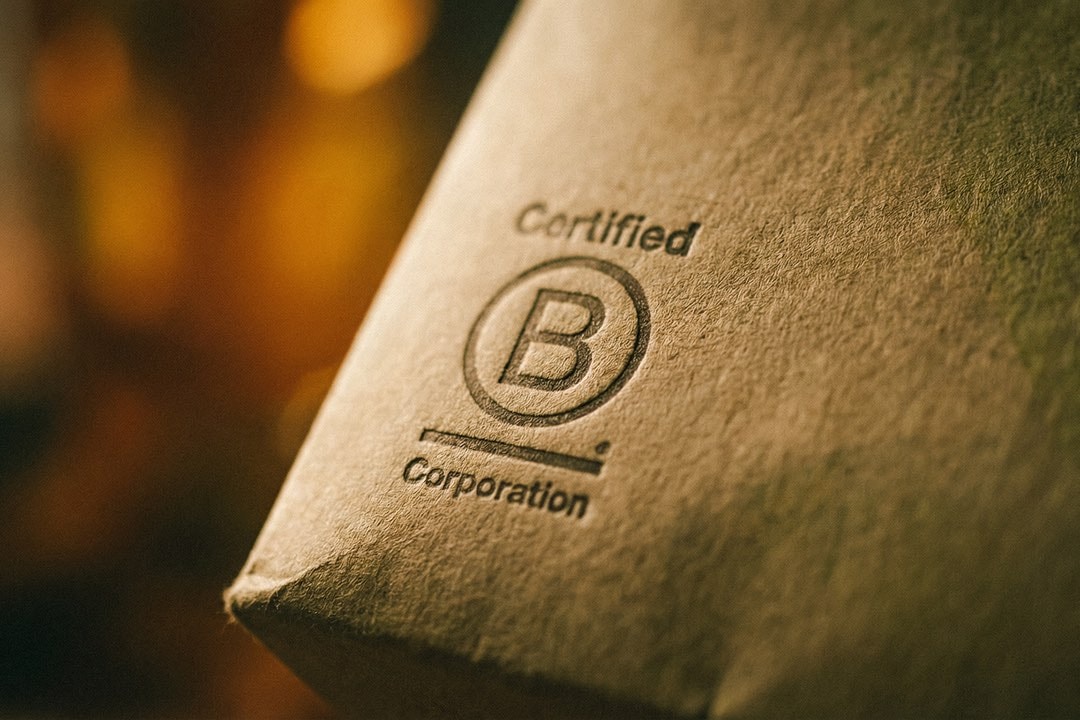
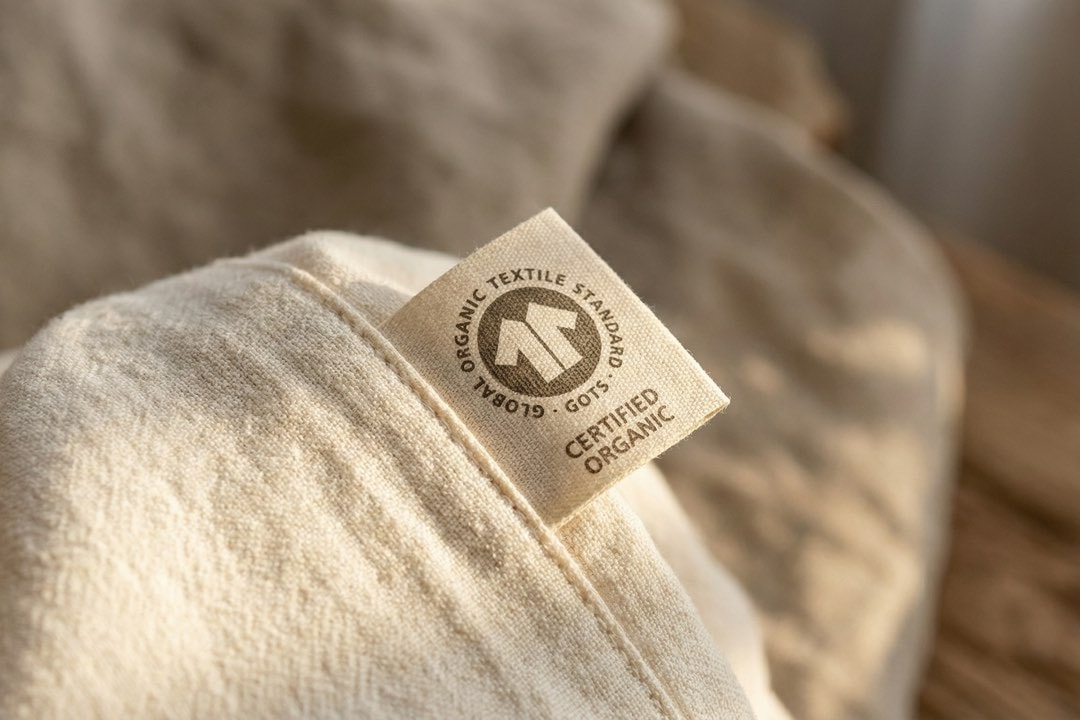
Vertrauenswürdige Siegel kennen: Für Mode: GOTS für Bio-Fasern, Bluesign für verantwortungsvolle Produktion, OEKO-TEX für schadstoffgeprüfte Textilien. Für Kosmetik: BDIH/COSMOS, NATRUE, Leaping Bunny. Für Lebensmitteln und Produkte allgemein: Blauer Engel, EU-Ecolabel, Fair Trade, B Corp. Diese Labels sind Gold wert, weil eine unabhängige Stelle die Kriterien verifiziert hat.
-
Schneller Background-Check: Suche „[Markenname] + Greenwashing" oder „[Markenname] + Nachhaltigkeit" auf dem Handy, noch im Laden. Gibt es einen Nachhaltigkeitsbericht? Unabhängige Audits? Wenn Nachrichtenartikel von Klagen berichten, hast du deine Antwort.
-
Apps und Community nutzen: Nutze Apps wie Good On You für Modebewertungen oder CodeCheck und ToxFox für Kosmetik-Inhaltsstoffe. Online-Communities können dich schneller über fragwürdige Werbeaussagen informieren als jede Werbung dich täuschen kann.
-
Etiketten wirklich lesen: Dreh das Produkt um und lies sowohl die Werbeaussagen als auch die Inhaltsliste. Bei Kleidung: Prüfe das Materialschild — besteht das „nachhaltige" Shirt vielleicht aus 100 % Polyester? Bei Kosmetik: Scanne die Inhaltsstoffe. Wenn vorne „pflanzlich" steht, aber hinten synthetische Stoffe dominieren, hast du einen Greenwash entdeckt.
-
„Zu günstig" ist verdächtig: Professor Andreas Rasche, Greenwashing-Experte, sagt es klar: „Wenn du ein T-Shirt für einen Euro kaufst und es sagt, es sei umweltfreundlich, sagt dir dein gesunder Menschenverstand, dass das nicht sein kann." Extrem niedrige Kosten bedeuten fast immer, dass an anderer Stelle gespart wurde. Der nachhaltigste Konsum ist oft: Secondhand kaufen oder in hochwertige Bio-Basics investieren, die lange halten.
-
Unternehmen mit ganzheitlichem Ansatz unterstützen: Bevorzuge Unternehmen, die Nachhaltigkeit in alles einbetten — Rohstoffe, Arbeitsbedingungen, Umweltschutz-Anstrengungen. Marken mit echtem Engagement veröffentlichen Wirkungsberichte, haben Rücknahme- oder Reparaturprogramme und machen Transparenz zum Kern ihrer Dienstleistungen — nicht nur zu einer Produktlinie.
Jeder Euro ist eine Stimme. Bewusstes Einkaufen belohnt Unternehmen, die es richtig machen.
Deutschland und die EU: Der Kampf gegen Greenwashing
Das UWG: Deutschlands Waffe gegen irreführende Werbung
Das Gesetz gegen den unlauteren Wettbewerb (UWG) verbietet irreführende Werbeaussagen — und deutsche Gerichte legen einen besonders strengen Maßstab an Umweltwerbung an.
Das wegweisende Urteil: Im Juni 2024 entschied der Bundesgerichtshof (BGH, Az. I ZR 98/23), dass die Werbung mit „klimaneutral" irreführend ist, wenn nicht direkt am Produkt erklärt wird, ob die Klimaneutralität durch echte Emissionsreduktion oder bloße Kompensation erreicht wird. Ein Verweis per QR-Code reicht nicht aus. Dieses Urteil hat die Anforderungen an Umweltwerbung in Deutschland grundlegend verschärft.
Die Deutsche Umwelthilfe: Deutschlands Greenwashing-Jäger
Die Deutsche Umwelthilfe (DUH) hat über 100 Verfahren gegen Greenwashing geführt — und bisher alle rechtskräftigen gewonnen. Zu den betroffenen Unternehmen gehören Eurowings, Shell, dm, Apple und Adidas. Die DUH verleiht außerdem jährlich den „Goldenen Geier" für die dreisteste Umweltlüge — bisherige Preisträger sind unter anderem Nestlé, RWE und McDonald's.
Auch die Wettbewerbszentrale und die Verbraucherzentralen gehen aktiv gegen irreführende Nachhaltigkeitsbehauptungen vor. Der Verbraucherzentrale Bundesverband gewann 2025 ein Verfahren gegen Google wegen irreführender Emissionsangaben bei Google Flights.
Ab 2026: Deutlich strengere Regeln
Der Bundesrat hat im Januar 2026 das Anti-Greenwashing-Gesetz gebilligt, das die EU-Richtlinie „Empowering Consumers for the Green Transition" (EmpCo) in deutsches Recht umsetzt. Ab dem 27. September 2026 gelten unter anderem folgende Vorgaben:
Allgemeine Umweltaussagen wie „umweltfreundlich", „nachhaltig" oder „klimaneutral" sind nur noch erlaubt, wenn sie konkret spezifiziert und belegt werden. Werbeaussagen zur Klimaneutralität, die nur auf Kompensation beruhen, sind per se verboten — ein Verbot, das zum Beispiel Unternehmen in der Lebensmittel- und Dienstleistungsbranche direkt betrifft. Nicht zertifizierte, selbst erfundene Siegel sind unzulässig — sie müssen unabhängige Kriterien erfüllen. Zukunftsversprechen brauchen einen detaillierten, öffentlich einsehbaren Umsetzungsplan mit nachprüfbaren Informationen. Verstöße landen auf der „Schwarzen Liste" des UWG — Abmahnungen werden deutlich erleichtert, mit Bußgeldern von bis zu vier Prozent des Jahresumsatzes. Stand heute sollten Unternehmen ihre Green Claims dringend prüfen.
Die Green Claims Directive: Auf Eis, aber nicht vergessen
Die EU-Kommission legte ihren Vorschlag für die Green Claims Directive im Juni 2025 auf Eis, nachdem es politischen Widerstand gab. Die Green Claims Richtlinie hätte Unternehmen verpflichtet, jeden einzelnen Green Claim wissenschaftlich zu belegen und unabhängig prüfen zu lassen. Die bestehenden Regeln bleiben in Kraft, und die EmpCo-Richtlinie verschärft die Vorgaben ab September 2026 erheblich.
Dein Wissen ist das beste Werkzeug
Greenwashing mag allgegenwärtig sein, aber dein Wissen ist das Gegenmittel. Sobald du die Tricks erkennst — vage Begriffe, hübsche grüne Labels, fehlende Beweise — werden echte nachhaltige Entscheidungen klar. Du schützt dein Geld, unterstützt ehrliche Unternehmen und trägst dazu bei, das Image der gesamten Branche zu verändern.
Niemand ist ein perfekter Verbraucher. Aber der Stand der Dinge stimmt optimistisch: Regulierungsbehörden, die Wettbewerbszentrale, die Deutsche Umwelthilfe und informierte Verbraucher ziehen Unternehmen zunehmend zur Rechenschaft.
Greenwashing erkennen bedeutet am Ende: neugierig bleiben und ein bisschen skeptisch. Fragen stellen. Das Kleingedruckte lesen. Unternehmen unterstützen, die dein Recht auf Wahrheit respektieren. Damit hilfst du nicht nur dir — du baust mit an einem Markt, in dem echte Nachhaltigkeit belohnt wird.
Wenn du den nächsten Schritt machen willst, findest du in unseren Guides für schadstofffreies Leben praktische Tipps — von dem, was du trägst, bis zu dem, was du auf deine Haut aufträgst.
Nicht alles, was grün aussieht, ist auch gut. Aber mit diesem Wissen kannst du sicher erkennen, was es wirklich ist.
FAQ: Häufig gestellte Fragen zum Thema Greenwashing
Wie lässt sich Greenwashing erkennen?
Achte auf drei Dinge: Erstens, vage Begriffe wie „umweltfreundlich" oder „natürlich" ohne Erklärung oder Nachweis. Zweitens, fehlende Transparenz — keine Siegel, keine Nachhaltigkeitsberichte, keine konkreten Zahlen. Drittens, irrelevante Behauptungen — wenn ein Produkt mit etwas wirbt, das ohnehin Standard ist, ist das kein Qualitätsmerkmal, sondern Augenwischerei.
Was ist ein Beispiel für Greenwashing?
Der BGH entschied 2024, dass ein Süßwarenhersteller seine Produkte nicht als „klimaneutral" bewerben durfte. Die Produktion war nicht CO₂-neutral — das Unternehmen kompensierte lediglich über Klimaschutzprojekte. Der BGH stellte klar: Begriffe wie „klimaneutral" sind mehrdeutig und müssen direkt in der Werbung erklärt werden.
Wie kann man Greenwashing bei Strom erkennen?
Prüfe, welchen Anteil erneuerbarer Energien der Tarif tatsächlich enthält. Die Verbraucherzentrale warnt: Wenn ein Energieunternehmen mit Klimafreundlichkeit wirbt, aber nur 2 % des Stroms aus erneuerbaren Quellen stammen, ist das Greenwashing. Achte auf das Grüner-Strom-Label oder ok-power-Siegel, die einen echten Umweltnutzen garantieren.
Kann KI helfen, Greenwashing zu erkennen?
Ja — KI-Tools gleichen Werbeaussagen und Green Claims automatisiert mit Quellen und Nachhaltigkeitsberichten ab. Aber KI allein reicht nicht — dein kritischer Blick auf Siegel und konkrete Belege bleibt unverzichtbar.
Ist Greenwashing in Deutschland illegal?
Ja, in vielen Fällen. Irreführende Umweltaussagen verstoßen gegen § 5 des Gesetzes gegen den unlauteren Wettbewerb (UWG). Verstöße können durch Wettbewerber, Verbraucherschutzverbände oder die Deutsche Umwelthilfe abgemahnt und gerichtlich verfolgt werden. Die DUH hat bisher alle rechtskräftigen Greenwashing-Verfahren gewonnen. Ab 2026 wird das UWG durch die Umsetzung der EU-EmpCo-Richtlinie nochmals deutlich verschärft.
Welchen Zertifizierungen kann ich vertrauen?
In Deutschland und der EU sind besonders anerkannt: GOTS als Goldstandard für Bio-Textilien. OEKO-TEX für schadstoffgeprüfte Stoffe. Der Blaue Engel als ältestes Umweltzeichen der Welt. Fair Trade für soziale und ökologische Standards. BDIH/COSMOS und NATRUE für zertifizierte Naturkosmetik. Leaping Bunny für tierversuchsfreie Produkte. B Corp für ganzheitliche Unternehmens-Nachhaltigkeit. Wenn du ein Siegel nicht kennst, genügt eine kurze Recherche, um herauszufinden, ob es echt ist. Mehr dazu in unserem Guide zu GOTS-Zertifizierung und Clean-Beauty-Zertifizierungen.
* Werbung: Dieser Artikel enthält mit * gekennzeichnete Affiliate-Links. Wenn du über diese Links einkaufst, erhalten wir eine kleine Provision – für dich entstehen keine zusätzlichen Kosten. Die bereitgestellten Informationen dienen ausschließlich Bildungs- und Informationszwecken und stellen keine medizinische Beratung dar. Sie ersetzen nicht die Konsultation eines Arztes oder qualifizierten Gesundheitsdienstleisters. Dieser Artikel wurde mit Unterstützung von KI-Tools erstellt und von unserem Team redaktionell geprüft und freigegeben. Alle geäußerten Meinungen sind unsere eigenen.
Lilija Bairamova

Lilija ist die Gründerin von Orbasics und Mutter ihrer Tochter Nika. Sie gründete Orbasics als Mutter auf der Suche nach gesunder und biologischer Kleidung für ihr Kind. Heute bietet Orbasics nicht nur Kleidung aus Bio-Baumwolle an, sondern hat sich auch zu einem Blog entwickelt, der sich nachhaltigem, gesundem und achtsamem Leben widmet. Mit Tipps, Anleitungen und Artikeln, die Ihnen helfen, einen nachhaltigeren, bewussteren und gesünderen Lebensstil zu führen.









Hinterlasse einen Kommentar