
Table of Contents
OEKO-TEX vs GOTS: Welches Zertifikat schützt dich wirklich?
This page may contain affiliate links. We may earn a commission on purchases, at no additional cost to you. Learn more →
Du kennst das bestimmt: Dieses leichte Kratzen von einem neuen Shirt, der Ausschlag nach dem Tragen billiger Leggings oder der chemische Geruch, der dir aus frisch ausgepackten Bettlaken entgegenkommt. Du wäschst alles zweimal und hoffst, dass es besser wird. Aber hast du dich schon mal gefragt, was eigentlich in diesen Stoffen steckt?
Hier ein paar Fakten: In der Textilproduktion werden Tausende Chemikalien eingesetzt – und viele davon landen in den Materialien, die direkt auf deiner Haut liegen. Ohne verlässliche Zertifizierungen bleibt dir nur das Vertrauen in Werbeversprechen, die oft nicht mehr als Greenwashing sind. Genau deshalb gibt es Siegel wie OEKO-TEX® und GOTS – beide wollen Transparenz schaffen, verfolgen aber unterschiedliche Ziele.
Den Unterschied zwischen diesen beiden Textilzertifizierungen zu kennen, macht dich nicht nur zu einem bewussteren Konsumenten. Es hilft dir, deine Gesundheit zu schützen und gleichzeitig Produktionsweisen zu unterstützen, die weder Mensch noch Umwelt schaden.
Kurz erklärt: OEKO-TEX® vs. GOTS
Bevor wir tiefer einsteigen, hier das Wichtigste auf einen Blick:
-
OEKO-TEX® Standard 100 sorgt dafür, dass Textilien sicher für dich sind. Dafür werden fertige Produkte auf über 1000 schädliche Stoffe geprüft, darunter Pestizide, Schwermetalle, Azofarbstoffe und Formaldehyd. So wird sichergestellt, dass du keinen gefährlichen Chemikalien ausgesetzt bist. Diese Zertifizierung gilt für alle Fasern, egal ob natürlich oder synthetisch, und ist besonders wichtig bei Babytextilien, Unterwäsche und Kleidung für empfindliche Haut.
-
GOTS (Global Organic Textile Standard) prüft dagegen die gesamte Lieferkette bei Bio-Textilien. Mindestens 70 % der Fasern müssen aus kontrolliert biologischem Anbau stammen. Zudem sind giftige Farbstoffe und Schadstoffe in der Produktion verboten, das Abwasser muss aufbereitet werden, und faire Arbeitsbedingungen sind Pflicht. GOTS garantiert also, dass Textilien wirklich biologisch und ethisch produziert werden – vom Anbau bis zum fertigen Produkt.
-
Das Fazit: OEKO-TEX® zeigt dir, dass das fertige Textil sicher ist. GOTS zeigt dir, dass es nachhaltig hergestellt wurde. Beide Siegel ergänzen sich und sind keine Konkurrenten. Der Idealfall? Textilien, die beide Zertifikate tragen.
OEKO-TEX® Standard 100 – was wird eigentlich getestet?
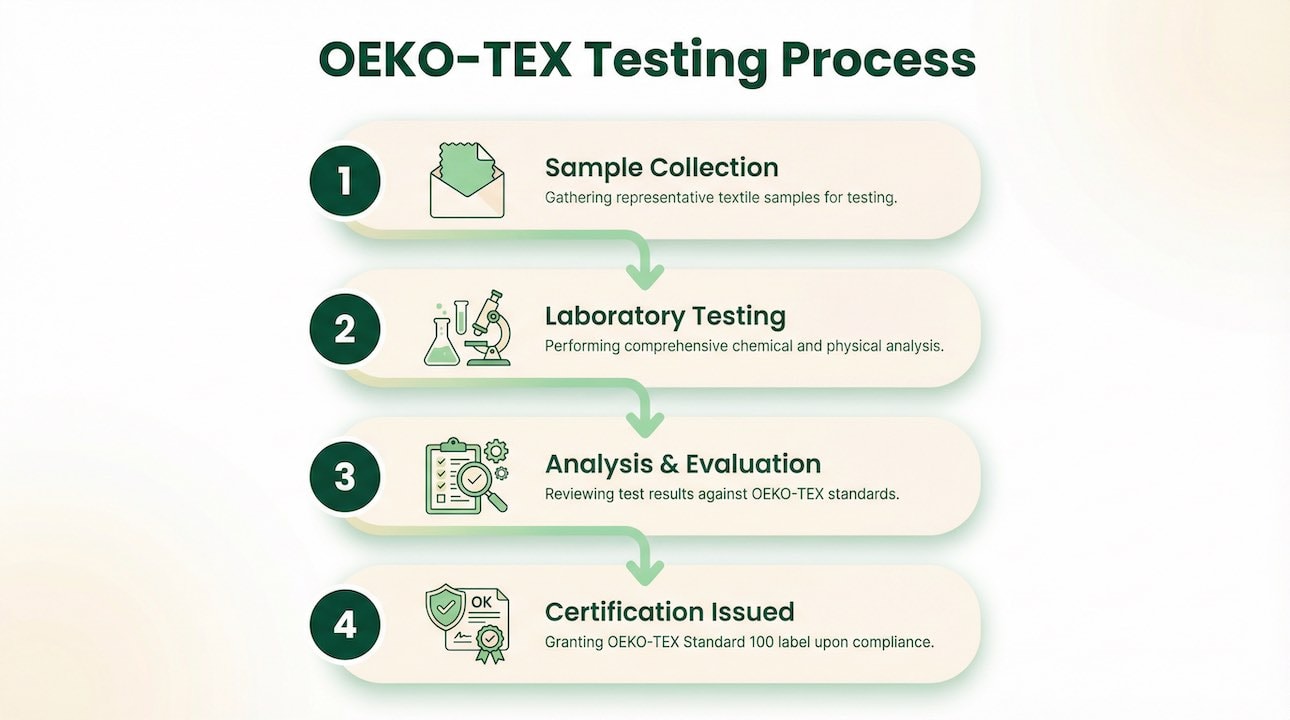
Fangen wir mit OEKO-TEX® an, denn hier steht deine Gesundheit im Mittelpunkt. Die Zertifizierung wurde 1992 ins Leben gerufen, als europäische Forscher begannen, Chemikalien in Textilien genauer unter die Lupe zu nehmen. Heute gehört OEKO-TEX® zu den bekanntesten Sicherheitsstandards weltweit.
Bei der Prüfung wird jedes einzelne Teil eines Textils getestet – also nicht nur der Stoff selbst, sondern auch Nähte, Knöpfe, Reißverschlüsse, Drucke und alles, was später mit deiner Haut in Kontakt kommt.
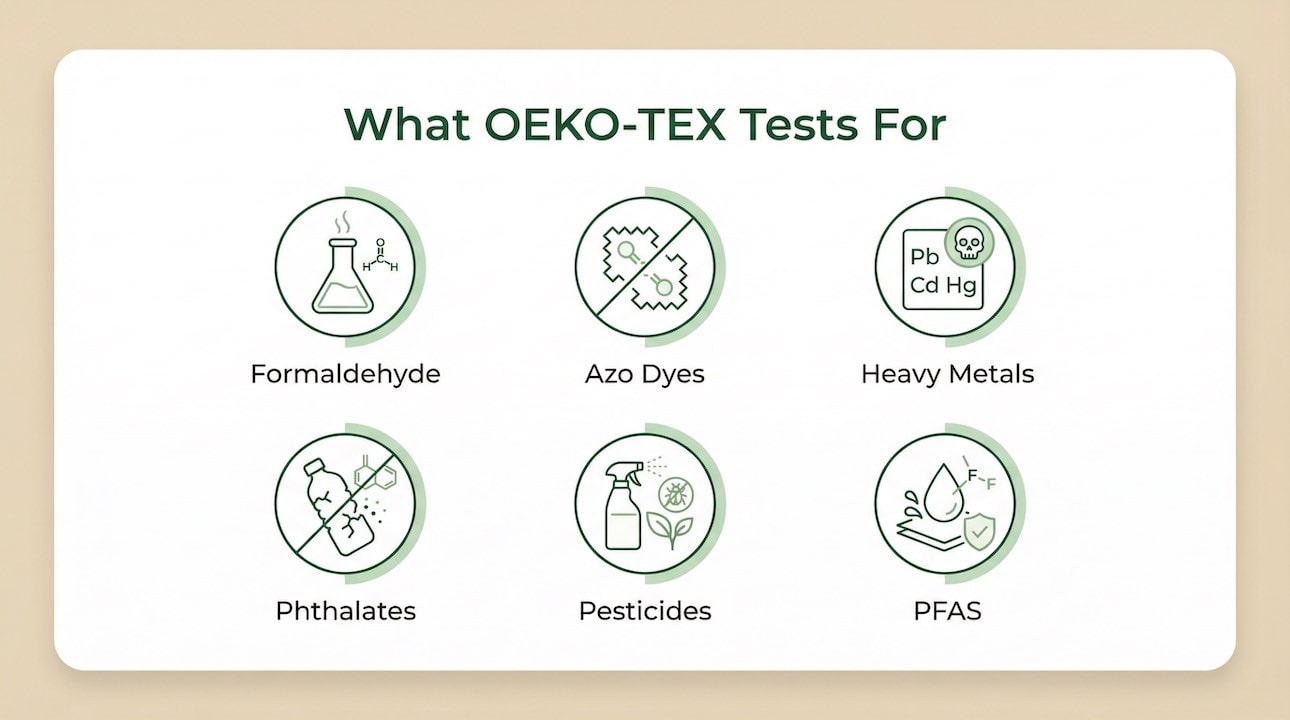
Diese Chemikalien werden getestet
Die Liste ist ziemlich lang. Zu den überprüften Stoffen gehören unter anderem:
-
Formaldehyd – sorgt für den „knitterfreien“ Effekt, kann aber Haut und Atemwege reizen.
-
Azofarbstoffe, die sich in krebserregende Verbindungen aufspalten können.
-
Schwermetalle wie Blei, Cadmium oder Arsen.
-
Phthalate, oft in Druckmotiven enthalten und bekannt dafür, den Hormonhaushalt zu stören.
-
Pestizidrückstände, die aus dem konventionellen Anbau von Fasern stammen können.
-
PFAS, sogenannte „Ewigkeitschemikalien“, die häufig in wasserabweisenden Beschichtungen stecken – und die OEKO-TEX® im Jahr 2024 vollständig verboten hat.
Laut dem OEKO-TEX® Update 2024 sind viele ihrer Grenzwerte strenger als staatliche Vorgaben.
Ein Beispiel: Der Formaldehyd-Gehalt darf bei Textilien für Erwachsene nicht über 75 ppm liegen. Für Babyartikel (Produktklasse I) gilt ein Limit von ≤ 0,1 mg/kg – das ist so niedrig, dass es praktisch nicht mehr nachweisbar ist.
Die Produktklassen von OEKO-TEX®
OEKO-TEX® teilt Textilien danach ein, wie viel Kontakt sie mit der Haut haben:
-
Klasse I: Babyartikel (0–3 Jahre) – die strengsten Anforderungen, inklusive Tests, die simulieren, was passiert, wenn Babys an Stoffen lutschen oder kauen.
-
Klasse II: Kleidung mit direktem Hautkontakt – also Shirts, Unterwäsche, Bettwäsche.
-
Klasse III: Artikel mit begrenztem Hautkontakt wie Jacken oder Futterstoffe.
-
Klasse IV: Wohntextilien – also Möbel- und Dekorationsstoffe.
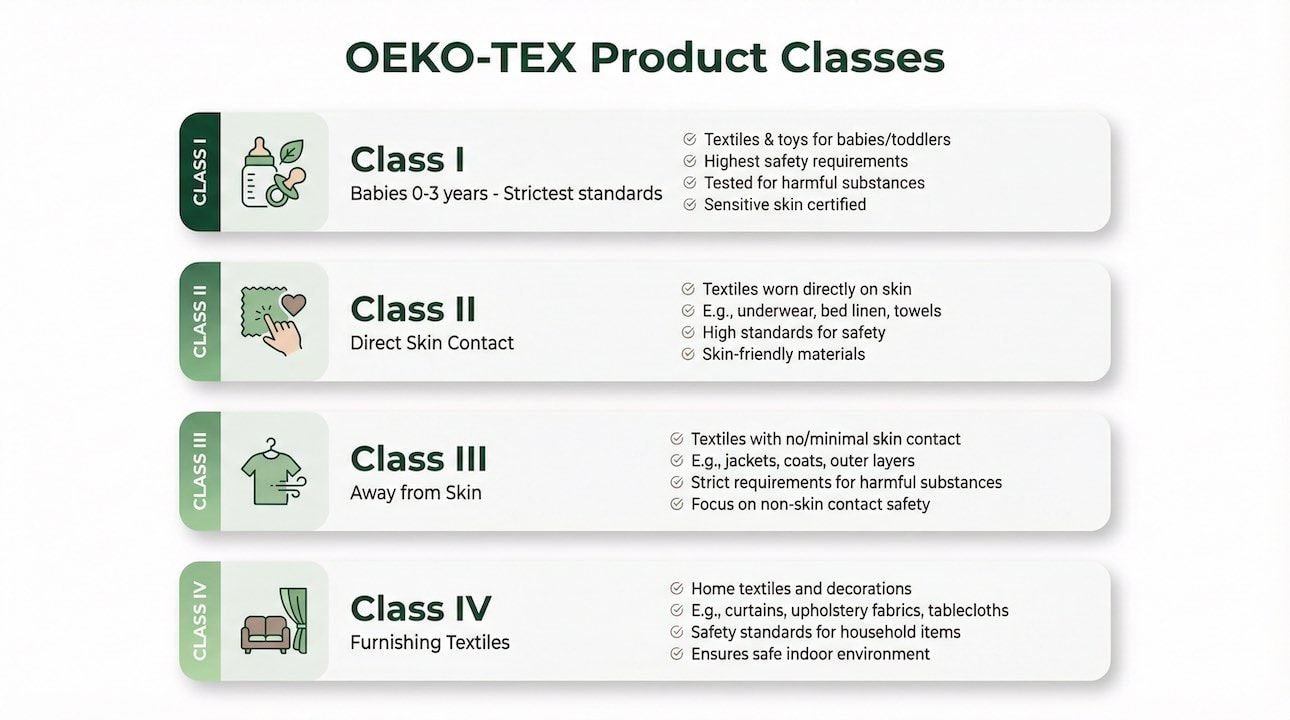
Wenn du Textilien für Babys suchst oder empfindliche Haut hast, bietet dir Produktklasse I die höchste Sicherheit, denn hier am strengsten auf Chemikalien getestet wird.
Was OEKO-TEX® nicht abdeckt
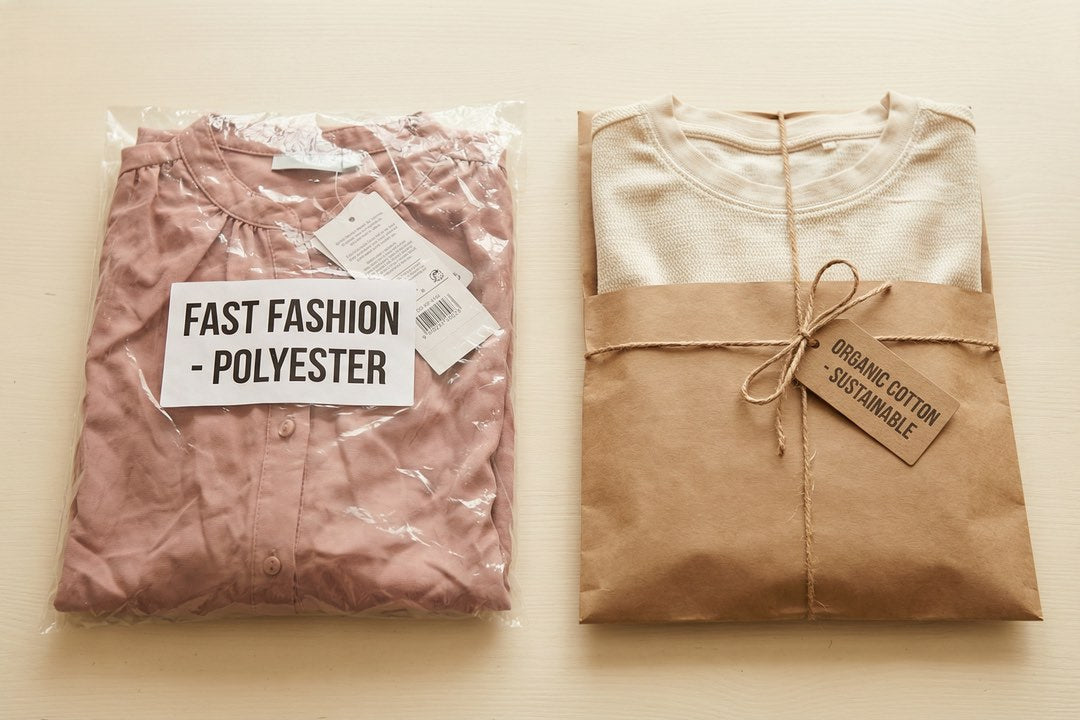
Der Haken: OEKO-TEX® bedeutet nicht automatisch „bio“. Auch Textilien aus Polyester oder konventioneller Baumwolle können das Siegel tragen – solange das Endprodukt schadstofffrei ist.
Außerdem prüft OEKO-TEX® keine Arbeitsbedingungen in den Fabriken und auch nicht, ob bei der Produktion Gewässer verschmutzt wurden. Das Label konzentriert sich ausschließlich darauf, was in deinen Textilien steckt – es geht also rein um Produktsicherheit.
Was ist GOTS? – Der Goldstandard für Bio-Textilien
Wenn OEKO-TEX® fragt: „Sind diese Textilien sicher zu tragen?“, dann fragt GOTS: „Wurden diese Textilien von Anfang bis Ende verantwortungsvoll hergestellt?“
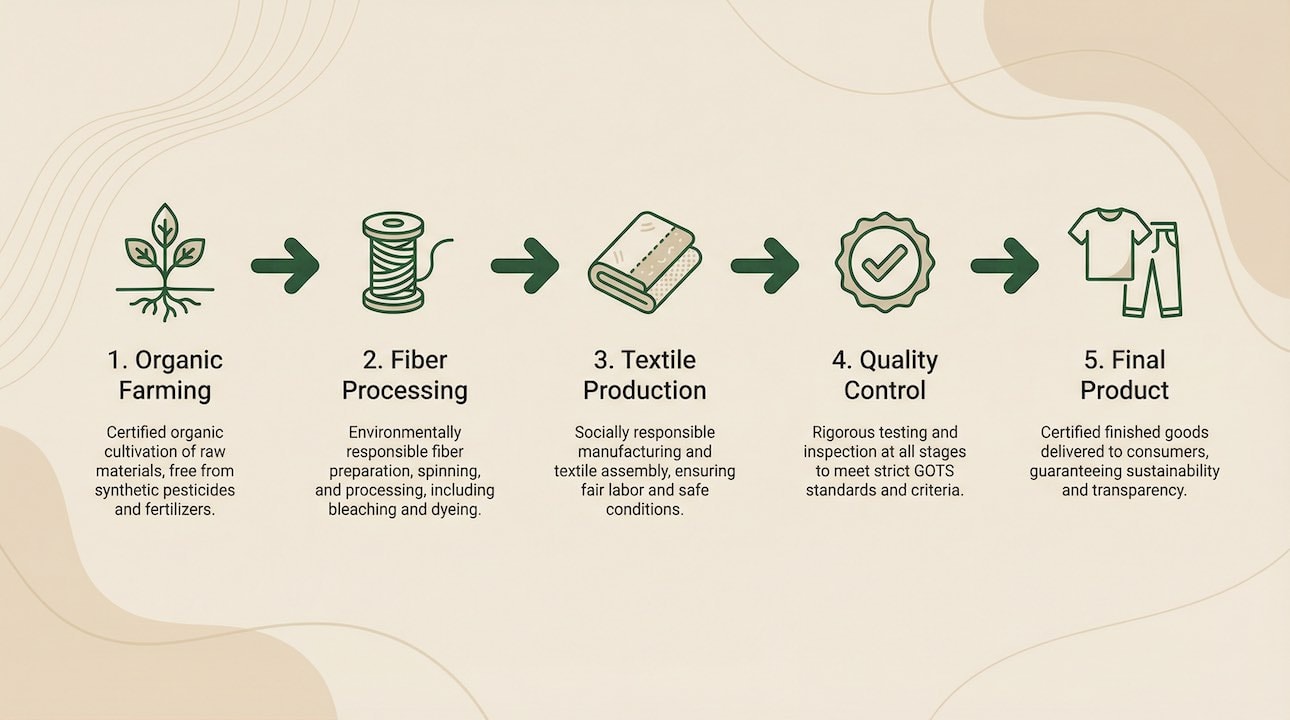
Der Global Organic Textile Standard (GOTS) gilt als führende Zertifizierung für Bio-Textilien weltweit. GOTS deckt alles ab – vom Anbau der Baumwolle bis hin zu den Arbeitsbedingungen in den Nähereien.
Was „bio“ bei GOTS wirklich bedeutet
Damit ein Produkt das GOTS-Label tragen darf, gelten klare Vorgaben:
-
„GOTS Organic“ bedeutet: 95–100 % biologische Fasern.
-
„Made with Organic“ bedeutet: 70–94 % Bio-Fasern.
Diese Fasern stammen von Höfen, die ökologisch wirtschaften – also ohne synthetische Pestizide und ohne Gentechnik.
Von GOTS verbotene Chemikalien
Anders als OEKO-TEX® testet GOTS nicht das Endprodukt, sondern kontrolliert, was während der Produktion eingesetzt wird. Auf der Verbotsliste stehen unter anderem:
-
Azofarbstoffe, die krebserregende Amine freisetzen können
-
Formaldehydhaltige Ausrüstungen
-
Chlorbleiche – erlaubt ist nur Sauerstoffbleiche
-
Schwermetalle in der Verarbeitung
-
Phthalate in Druckfarben
Die Idee dahinter ist einfach: Wenn in der Produktion keine giftigen Chemikalien verwendet werden, landen sie auch nicht im Stoff.
Umweltstandards bei GOTS
GOTS schreibt außerdem klare Umweltschutzmaßnahmen vor:
-
Abwasseraufbereitung in allen Betrieben mit Nassverarbeitung – also dort, wo gefärbt, gewaschen oder beschichtet wird. Das Abwasser muss gereinigt werden, bevor es in die Umwelt gelangt.
-
Nachhaltige Verpackung – kein PVC, stattdessen recyceltes oder FSC-zertifiziertes Papier.
-
Nur zugelassene Chemikalien – Hersteller dürfen ausschließlich GOTS-geprüfte Farbstoffe und Ausrüstungen verwenden.
Das macht einen echten Unterschied: Die Textilproduktion zählt zu den größten Umweltverschmutzern weltweit, vor allem in Ländern mit schwachen gesetzlichen Vorgaben. GOTS-zertifizierte Textilien stammen dagegen aus Betrieben, die ihr Abwasser wirklich reinigen – und damit den ökologischen Fußabdruck der Textilherstellung deutlich reduzieren.
Der soziale Aspekt
Hier liegt der wichtigste Unterschied zwischen GOTS und OEKO-TEX®.
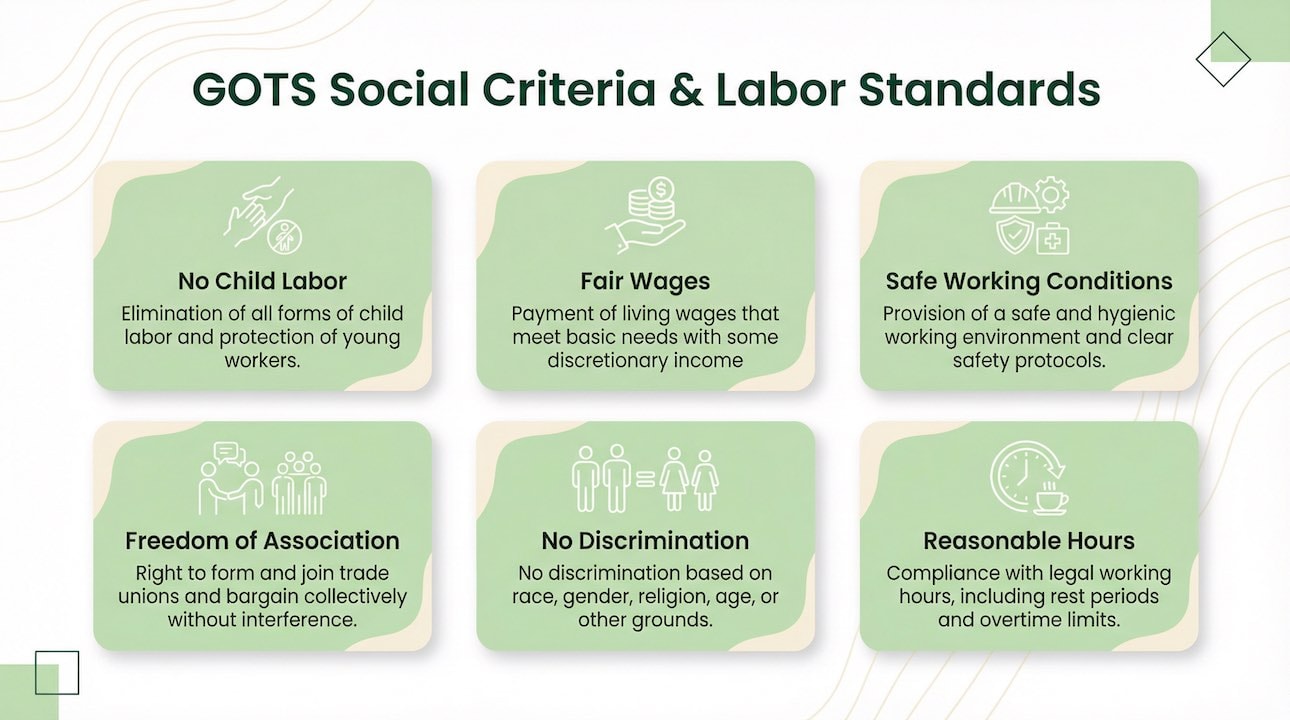
Alle nach GOTS zertifizierten Betriebe müssen die Arbeitsrichtlinien der Internationalen Arbeitsorganisation (ILO) einhalten:
-
Keine Kinder- oder Zwangsarbeit
-
Sichere Arbeitsbedingungen
-
Faire Löhne – und seit Version 7.0 müssen Betriebe nachweisen, dass sie auf existenzsichernde Löhne hinarbeitenAngemessene Arbeitszeiten
-
Recht auf gewerkschaftliche Organisation
Wenn du also GOTS-zertifizierte Textilien kaufst, kannst du sicher sein, dass die Menschen, die sie herstellen, fair behandelt werden. Genau dieser Bereich – soziale Verantwortung – wird von OEKO-TEX® Standard 100 nicht abgedeckt.
OEKO-TEX® vs. GOTS: Der direkte Vergleich
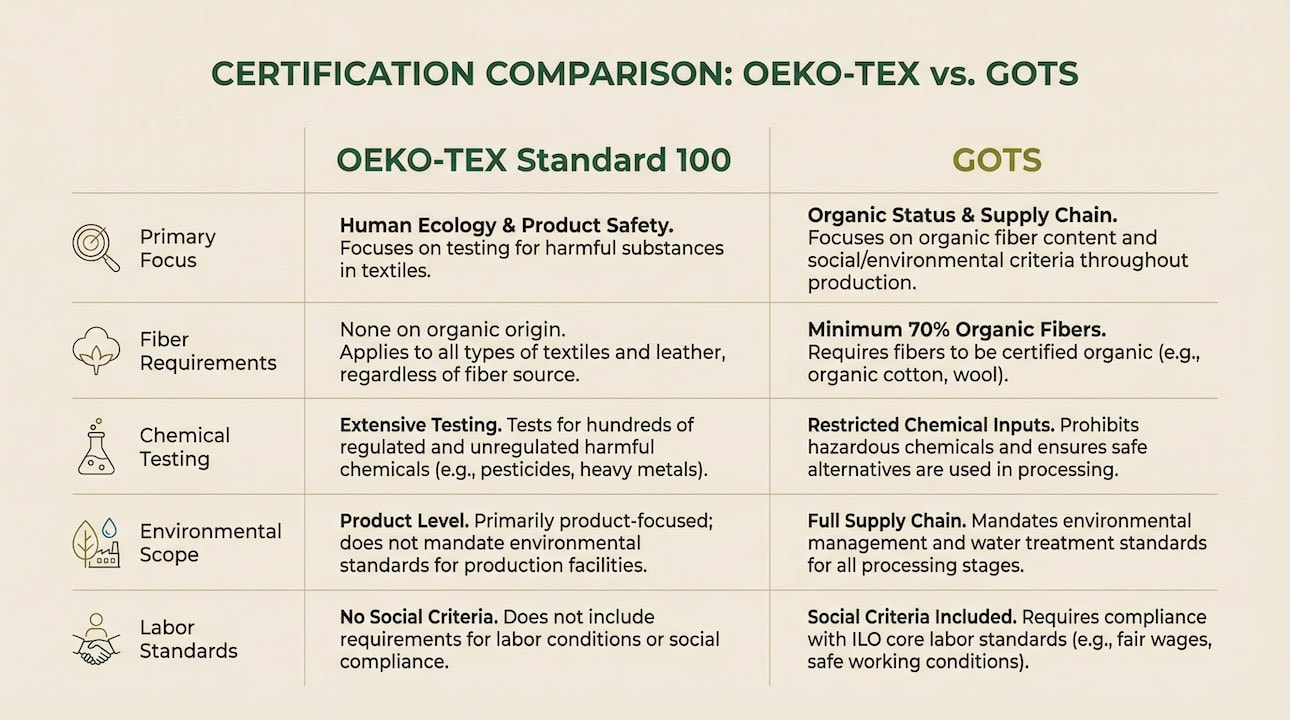
Jetzt kommen wir zu der Frage, die dich wahrscheinlich am meisten interessiert: Worin genau unterscheiden sich diese beiden Zertifizierungen für Textilien und Bettwaren?
|
Eigenschaften |
OEKO-TEX® Standard 100 |
GOTS |
|---|---|---|
|
Hauptfokus |
Chemische Sicherheit im fertigen Produkt |
Nachhaltigkeit der gesamten Lieferkette |
|
Faservorgaben |
Keine – gilt für alle Fasern (Baumwolle, Polyester, Synthetik u. a.) |
Mindestens 70 % zertifizierte Biofasern |
|
Chemikalienprüfung |
Testet über 100 Substanzen im Endprodukt |
Kontrolliert alle eingesetzten Stoffe und verbietet problematische Chemikalien schon im Herstellungsprozess |
|
Umweltaspekte |
Beschränkt auf den Inhalt des Produkts |
Umfassend – von biologischem Anbau über Abwasseraufbereitung bis zu nachhaltiger Verpackung |
|
Arbeitsbedingungen |
Nicht Bestandteil der Prüfung |
Pflicht – Einhaltung der ILO-Arbeitsstandards erforderlich |
|
Zertifizierung |
Labortests von Produktproben |
Jährliche Audits vor Ort + Rückverfolgbarkeit der gesamten Lieferkette |
|
Bedeutung des Labels |
„Dieses Produkt ist frei von schädlichen Rückständen.“ |
„Dieses Produkt ist biologisch hergestellt und fair produziert.“ |
Welches Zertifizierungssystem ist besser?
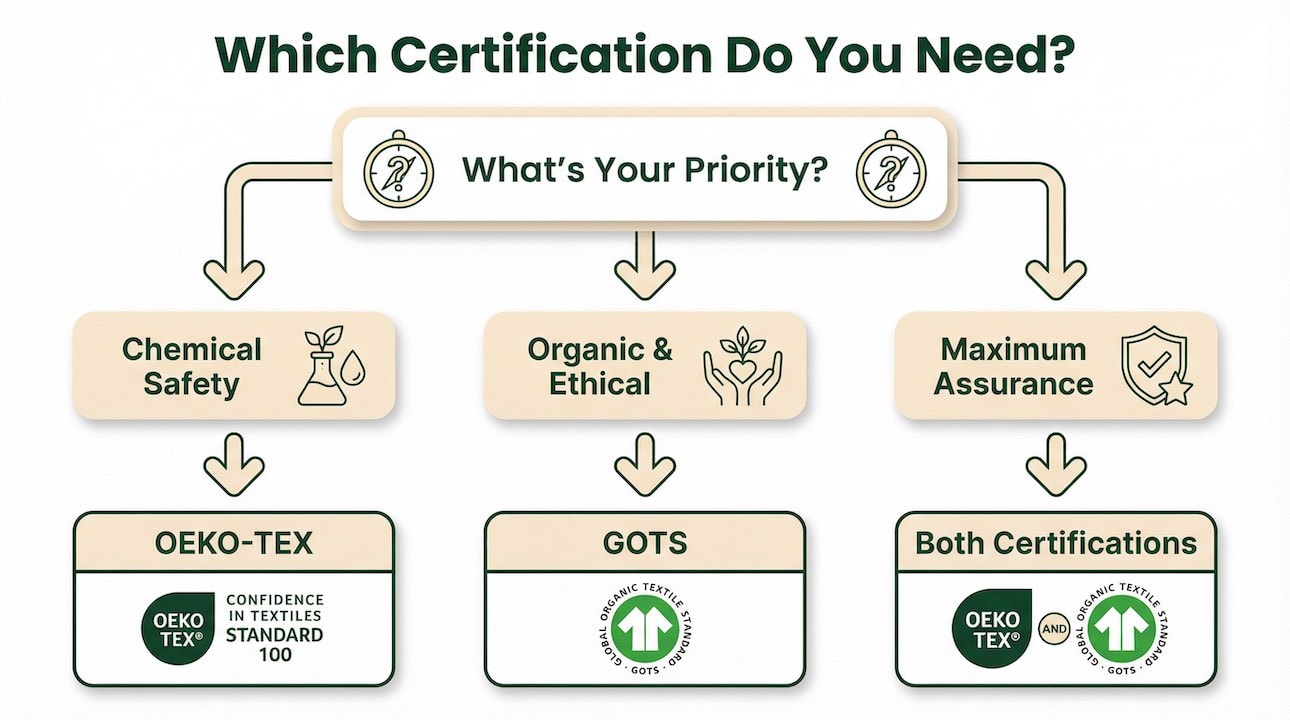
Keine der beiden Zertifizierungen ist grundsätzlich „besser“ – sie setzen nur unterschiedliche Schwerpunkte. Für die meisten Marken, die auf Nachhaltigkeit setzen, lohnt sich GOTS auf jeden Fall, weil es eine glaubwürdige Geschichte erzählt, die gut zu bewusst einkaufenden Verbraucher*innen passt.
Wenn dir dagegen vor allem die Belastung durch Chemikalien wichtig ist – etwa bei einem Baby mit Ekzem oder bei jemandem mit starker Empfindlichkeit gegenüber Chemikalien – bietet dir OEKO-TEX® mit seinen strengen Tests eine sehr konkrete Sicherheit, dass Textilien wirklich unbedenklich sind.
Das Ideal? Ethik und Sicherheit zusammen: also Textilien, die nach beiden Standards zertifiziert sind. Viele Marken lassen ihre Produkte inzwischen sowohl nach OEKO-TEX® als auch nach GOTS zertifizieren – wenn du so etwas findest, ist das die stärkste Wahl, die du treffen kannst.
Warum sind diese Zertifizierungen wichtig? Praktische Anwendungsbeispiele
Lass uns konkret werden. In diesen Situationen sind OEKO-TEX und GOTS besonders wichtig:
Babyprodukte und Kinderkleidung
Babys nehmen alles in den Mund, und ihre Haut ist viel durchlässiger als die von Erwachsenen. Genau deshalb ist OEKO-TEX® Produktklasse I so wertvoll – hier wird auch getestet, was passiert, wenn Stoffe gelutscht oder gekaut werden.
Gleichzeitig ist GOTS-zertifizierte Bio-Baumwolle oft weicher und atmungsaktiver, weil auf Silikon-Weichmacher und formaldehydhaltige Ausrüstungen verzichtet wird. Für Babytextilien ist die Kombination aus GOTS und OEKO-TEX® Klasse I ideal.
Bettwäsche aus Bio-Baumwolle
Du verbringst ungefähr ein Drittel deines Lebens im Bett. Bei GOTS-zertifizierter Bettwäsche bekommst du Bio-Fasern, die ohne schädliche Substanzen verarbeitet werden – perfekt, wenn du nachts viel schwitzt oder zu Allergien neigst.
Für Bettwäsche aus Bio-Baumwolle stellt GOTS sicher, dass die Fasern wirklich vollständig biologisch zertifiziert sind. Bei Eukalyptus-Fasern (Lyocell/TENCEL): Wenn der Eukalyptus aus FSC-zertifizierten, nachhaltig bewirtschafteten Wäldern stammt, kann er bis zu 30 % des gesamten Faseranteils in einem GOTS-zertifizierten Produkt ausmachen. In allen anderen Fällen solltest du auf OEKO-TEX® achten, um die chemische Sicherheit der Bettwäsche sicherzustellen.
Für empfindliche Haut und Allergien
Wenn du schon einmal nach neuen Kleidungsstücken Hautausschlag bekommen hast, weißt du, wie nervig das ist. OEKO-TEX® filtert genau die Farbstoffe und Chemikalien heraus, die häufig Kontaktdermatitis auslösen.
Auch GOTS-zertifizierte Bio-Baumwolle ist in der Regel hautfreundlicher, weil deutlich weniger Rückstände aus der Verarbeitung im Stoff verbleiben.
Activewear, Synthetics und halbsynthetische Stoffe
GOTS gilt für natürliche Bio-Fasern wie Baumwolle, Leinen, Wolle oder Hanf. Viele beliebte Materialien fallen aber nicht in diese Kategorie.
-
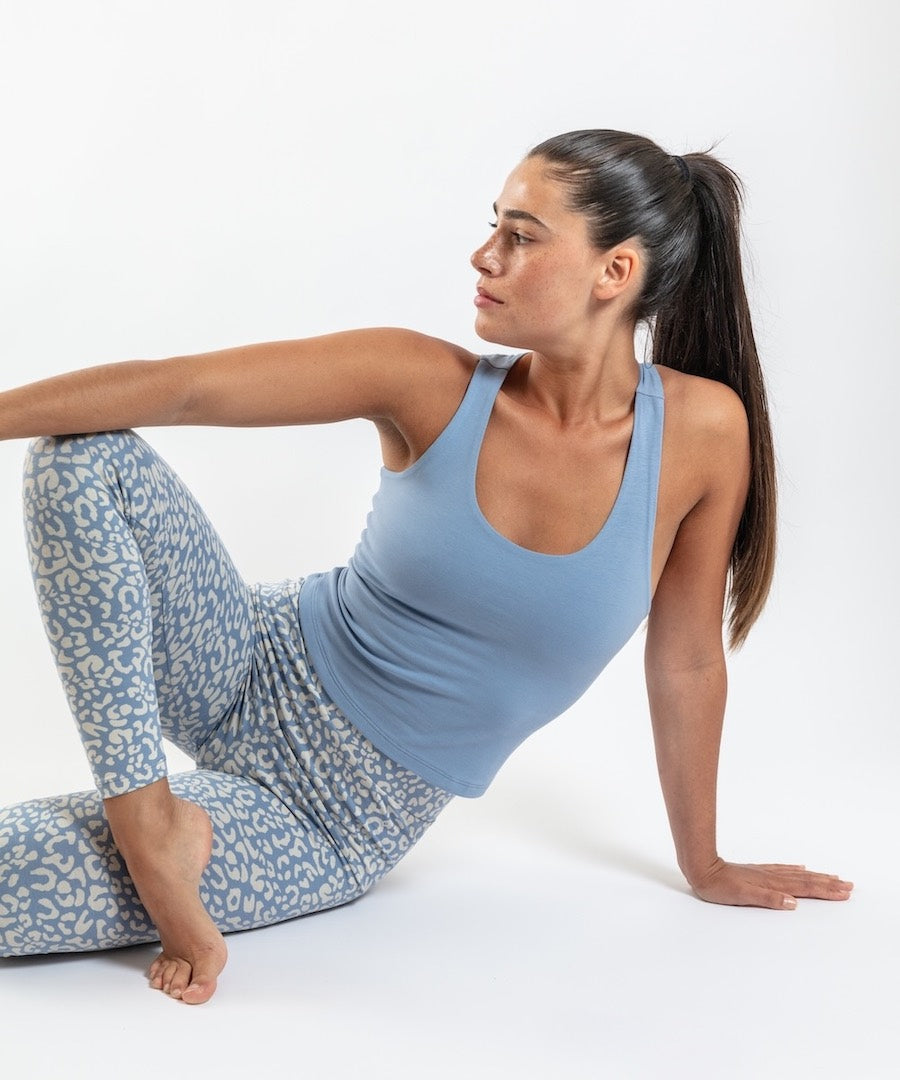
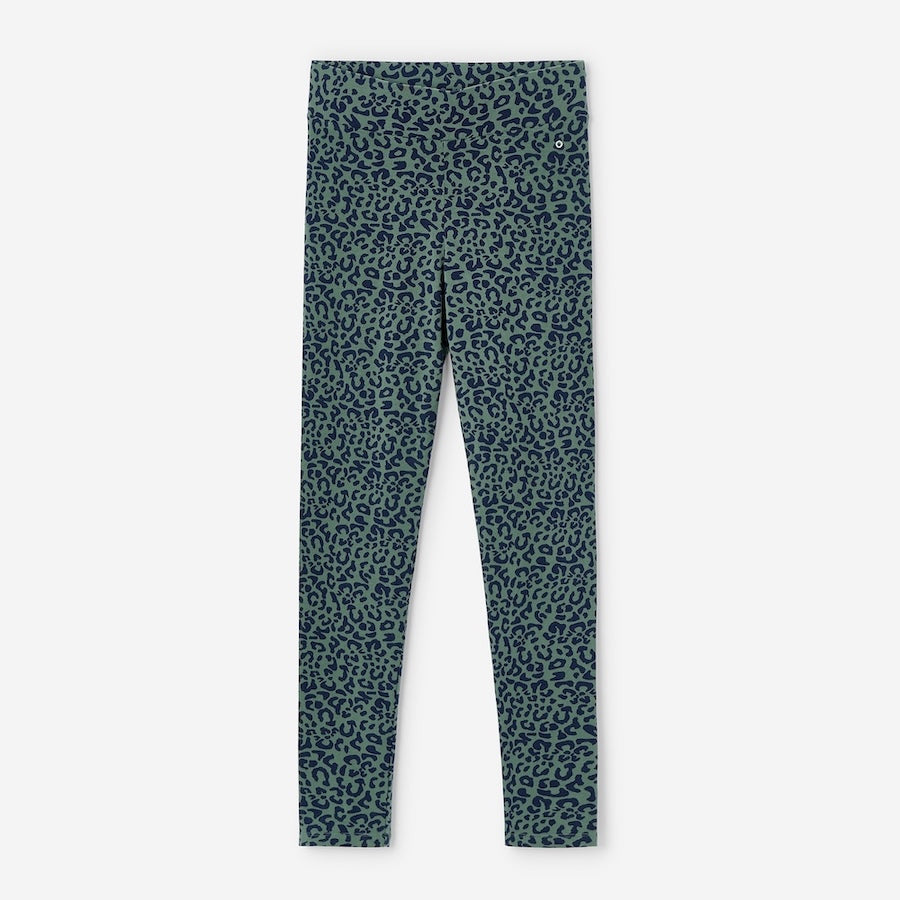
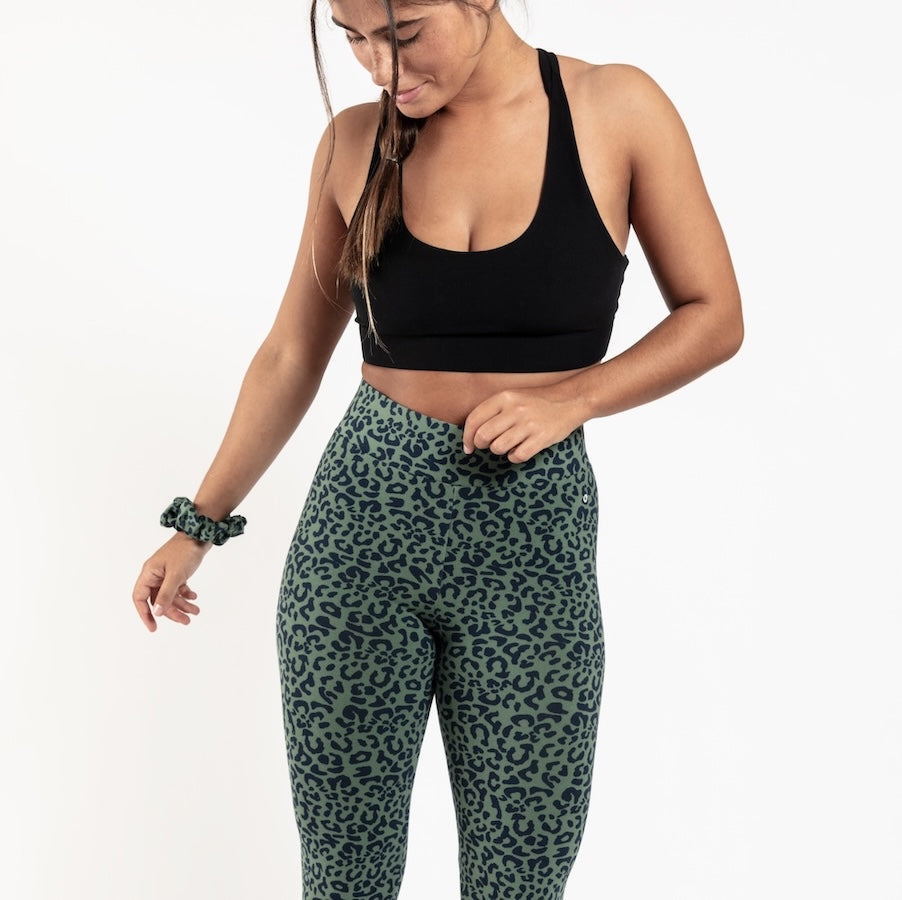
Synthetische Fasern wie Polyester, Nylon oder Elasthan gibt es nicht in „bio“. Für deine Sportleggings oder Bikinis ist daher OEKO-TEX® die relevante Zertifizierung – sie stellt sicher, dass das synthetische Textil auf Schadstoffe geprüft wurde.
-
Halbsynthetische Materialien wie Lyocell, TENCEL™, Modal oder Bambus-Viskose werden zwar aus pflanzlicher Zellulose gewonnen, aber chemisch verarbeitet. Sie sind deshalb im GOTS-Sinn nicht „bio“, tragen dafür typischerweise ein OEKO-TEX®-Siegel. Wenn du also Eukalyptus-Bettwäsche oder ein Lyocell-Shirt kaufst, solltest du auf OEKO-TEX® achten, um sicherzugehen, dass keine schädlichen Rückstände im Stoff sind.
Für ethischen Konsum
Wenn dir faire Löhne und gute Arbeitsbedingungen wichtig sind, ist GOTS entscheidend. OEKO-TEX® Standard 100 allein sagt nichts darüber aus, wie die Menschen in der Produktion behandelt wurden.
GOTS stellt sicher, dass Textilien nicht in Ausbeutungsbetrieben entstehen – die sozialen Kriterien verlangen faire und sichere Bedingungen auf allen Verarbeitungsstufen, und das wird regelmäßig überprüft.
Zertifikate prüfen (Greenwashing vermeiden)
Sowohl GOTS als auch OEKO-TEX® bieten Möglichkeiten, um sicherzustellen, dass die Siegel echt sind:
-
Bei GOTS: Such nach dem Label mit Lizenznummer und Namen des Zertifizierers (z. B. „GOTS Organic, CU 123456 von Control Union“). Du kannst das in der GOTS-Öffentlichen Datenbank überprüfen. Die Datenbank bestätigt die Biologische Integrität und die vollständige Rückverfolgbarkeit. Ohne Lizenznummer solltest du vorsichtig sein.
-
Bei OEKO-TEX®: Achte auf die Zertifikatsnummer und den QR-Code. Mit dem OEKO-TEX® Label Check Tool kannst du die Echtheit direkt prüfen.
Diese vollständige Nachverfolgbarkeit unterscheidet echte Textilzertifizierungen von vagen „umweltfreundlich“-Werbeversprechen.
Praktische Tipps: Die richtige Zertifizierung für deine Bedürfnisse
Wenn du GOTS-zertifizierte Basics suchst, kannst du unsere Bio Kleidung und Tops aus Bio-Baumwolle ansehen und die Zertifizierungsangaben auf der jeweiligen Produktseite prüfen.
-
Für Babyprodukte: Setze auf OEKO-TEX® Klasse I für maximale Sicherheit bei Chemikalien. Wenn du Bio-Materialien willst, wähle GOTS-zertifizierte Bio-Baumwolle. Am besten: Produkte mit beiden Siegeln.
-
Für faire Bettwäsche und Laken: GOTS garantiert, dass die Baumwolle ohne synthetische Pestizide angebaut und schadstofffrei verarbeitet wurde. OEKO-TEX® bestätigt, dass im fertigen Stoff keine problematischen Rückstände sind. Für Bio-Baumwoll-Bettwäsche nimm GOTS wegen des Umweltschutzes – und OEKO-TEX® als Extra-Sicherheit. Eukalyptus-Bettwäsche (Lyocell/TENCEL™) hat meist OEKO-TEX®, weil sie keine Bio-Faser ist.
-
Für Sportkleidung und nicht-bio Stoffe: GOTS gilt nur für Bio-Naturfasern. Bei Polyester, Nylon oder Elasthan schau nach OEKO-TEX®. Dasselbe bei halbsynthetischen Stoffen wie Lyocell, TENCEL™, Modal oder Bambus-Viskose – die sind pflanzlich, aber chemisch verarbeitet, deshalb brauchst du OEKO-TEX® als Sicherheitscheck.
-
Bei knappem Budget: Priorisiere Zertifikate bei Produkten mit viel Hautkontakt – Unterwäsche, Babytextilien, Bio-Baumwoll-Bettwäsche. Bei Außenkleidung ist das weniger entscheidend. Für ein nachhaltiges Schlafzimmer starte mit GOTS-Bettwäsche oder OEKO-TEX®-Eukalyptus-Bettwäsche.
Fazit: Die richtige Entscheidung treffen
Wenn du den Unterschied zwischen OEKO-TEX® und GOTS kennst, kannst du leichter über vage „umweltfreundlich“-Versprechen hinwegsehen und echte Entscheidungen treffen – für die Gesundheit deiner Familie, die Menschen in der Textilproduktion und die Umwelt.
OEKO-TEX® Standard 100 beantwortet die Frage: „Ist das sicher zu tragen?“ Es prüft das fertige Produkt streng auf Chemikalien – besonders wichtig für Babys, empfindliche Haut und enge Kleidung.
GOTS geht weiter und fragt: „Wurde das verantwortungsvoll hergestellt?“ Es garantiert biologische Qualität, verbietet problematische Stoffe wie Formaldehyd und PFAS in allen Produktionsphasen und setzt Umwelt- und Sozialstandards entlang der gesamten Lieferkette.
Die beiden sind keine Konkurrenz, sondern ergänzen sich perfekt. Die Textilbranche braucht beides: Prozesskontrolle (GOTS) und Produktprüfung (OEKO-TEX®). Wenn du Artikel mit beiden Siegeln findest, hast du das höchste Maß an Sicherheit, das es gibt.
Nächstes Mal, wenn du im Laden Labels vergleichst, weißt du genau, worauf du achten musst. All diese Abkürzungen? Sie sind dein Wegweiser zu Kleidung, bei der du dich wirklich wohlfühlen kannst – innen wie außen.
Bei Orbasics kannst du Kleidung anhand der Faserzusammensetzung, Pflegehinweise, Herstellungsangaben und vorhandenen Zertifizierungen auf den jeweiligen Produktseiten vergleichen.
Häufige Fragen zu OEKO-TEX® vs. GOTS
Was ist besser, GOTS oder OEKO-TEX®?
Keine der beiden ist grundsätzlich besser – sie haben unterschiedliche Schwerpunkte. GOTS ist umfassender, weil es Bio-Faseranteile, faire Produktion und Umweltschutz abdeckt. OEKO-TEX® Standard 100 konzentriert sich dagegen rein auf die chemische Sicherheit des fertigen Produkts. Für maximale Sicherheit suchst du am besten Produkte mit beiden Zertifizierungen.
Was ist OEKO-TEX® und was sind GOTS?
GOTS (Global Organic Textile Standard) zertifiziert Textilien mit mindestens 70 % Bio-Fasern. Es prüft nachhaltigen Anbau, umweltfreundliche Verarbeitung und faire Arbeitsbedingungen entlang der gesamten Lieferkette. Der GOTS-Standard gilt weltweit als Maßstab für Bio-Textilien. OEKO-TEX® Standard 100 testet fertige Textilien auf über 100 schädliche Stoffe, um sicherzustellen, dass du als Träger:in keinen Chemikalien ausgesetzt bist.
Bedeutet GOTS „schadstofffrei“?
GOTS verbietet viele problematische Chemikalien in der Verarbeitung – darunter Azofarbstoffe, Formaldehyd, Chlorbleiche und Schwermetalle. Das reduziert die Schadstoffbelastung deutlich. Allerdings kontrolliert GOTS vor allem die eingesetzten Stoffe, testet aber nicht jedes Endprodukt wie OEKO-TEX®. In der Praxis sind GOTS-Produkte durch diese strengen Vorgaben aber sehr schadstoffarm.
Erlaubt GOTS Formaldehyd?
Nein. GOTS verbietet Formaldehyd als Knitterschutz explizit und legt sehr strenge Grenzwerte für Rückstände fest. Im fertigen Textil dürfen Formaldehydspuren unter 20 mg/kg liegen – das ist praktisch nicht mehr nachweisbar.
Bedeutet GOTS-zertifiziert „ohne jegliche Chemikalien“?
Nicht ganz. GOTS verbietet schädliche und problematische Stoffe, erlaubt aber zugelassene Farbstoffe, Ausrüstungen und Hilfsmittel, die strenge Sicherheitskriterien erfüllen. Der Standard arbeitet mit Positivlisten für erlaubte Substanzen, statt alles zu verbieten. Ergebnis: Textilien, die mit deutlich sichereren Chemikalien verarbeitet werden als konventionelle Produkte.
Erlaubt OEKO-TEX® Pestizide?
OEKO-TEX® testet Pestizidrückstände und setzt strenge Grenzwerte – aber es regelt nicht, wie die Rohstoffe angebaut wurden. Ein Produkt aus konventioneller Baumwolle kann OEKO-TEX® bestehen, wenn die Rückstände unter den Limits liegen. Wenn du Pestizide im Anbau vermeiden willst, such zusätzlich nach GOTS oder anderen Bio-Siegeln neben OEKO-TEX®.
Was bedeutet OEKO-TEX® MADE IN GREEN?
OEKO-TEX® MADE IN GREEN ist ein Rückverfolgbarkeits-Label für Textilien, die gleich drei Dinge erfüllen: Sie bestehen aus auf Schadstoffe geprüften Materialien, sie wurden in umweltfreundlichen Betrieben hergestellt und unter sicheren, sozial verantwortlichen Arbeitsbedingungen produziert. Über eine individuelle Produkt-ID oder einen QR-Code kannst du nachverfolgen, wo ein Artikel gefertigt wurde – das gibt dir Transparenz über die Lieferkette und mehr Sicherheit beim Einkauf.
* Werbung: Dieser Artikel enthält mit * gekennzeichnete Affiliate-Links. Wenn du über diese Links einkaufst, erhalten wir eine kleine Provision – für dich entstehen keine zusätzlichen Kosten. Die bereitgestellten Informationen dienen ausschließlich Bildungs- und Informationszwecken und stellen keine medizinische Beratung dar. Sie ersetzen nicht die Konsultation eines Arztes oder qualifizierten Gesundheitsdienstleisters. Dieser Artikel wurde mit Unterstützung von KI-Tools erstellt und von unserem Team redaktionell geprüft und freigegeben. Alle geäußerten Meinungen sind unsere eigenen.
Lilija Bairamova

Lilija ist die Gründerin von Orbasics und Mutter ihrer Tochter Nika. Sie gründete Orbasics als Mutter auf der Suche nach gesunder und biologischer Kleidung für ihr Kind. Heute bietet Orbasics nicht nur Kleidung aus Bio-Baumwolle an, sondern hat sich auch zu einem Blog entwickelt, der sich nachhaltigem, gesundem und achtsamem Leben widmet. Mit Tipps, Anleitungen und Artikeln, die Ihnen helfen, einen nachhaltigeren, bewussteren und gesünderen Lebensstil zu führen.





Hinterlasse einen Kommentar