
Table of Contents
Die besten Öko-Feuchttücher für ein strahlendes Zuhause
This page may contain affiliate links. We may earn a commission on purchases, at no additional cost to you. Learn more →
Haben Sie sich jemals gefragt, ob Ihre Reinigungstücher wirklich sicher in der Anwendung sind? Nach der COVID-19-Pandemie griffen viele von uns zu Desinfektionstüchern, um ein beruhigendes Gefühl zu haben. Aber hier ist der Haken: Wenn es sich nicht um ungiftige Reinigungstücher handelt, können sie tatsächlich mehr schaden als nützen.
Als ich auf dem Etikett „Gefahren für Mensch und Haustier“ las, wusste ich, dass ich recherchieren musste. Und ehrlich gesagt war ich schockiert zu entdecken, dass Desinfektionstücher nicht nur Keime abtöten, sondern auch echte Gesundheitsrisiken für Ihre Familie und sogar Ihre Haustiere darstellen können.
Es ist beängstigend zu glauben, was passieren könnte, wenn Ihr Baby oder Haustier eine „frisch gereinigte“ Oberfläche ableckt oder berührt.
Desinfektionstücher wie die von Clorox und Lysol sind vollgepackt mit giftigen Chemikalien und sogar Pestiziden (oft Quats wie Benzalkoniumchlorid oder Chlorbleiche/Natriumhypochlorit), die auf Oberflächen verbleiben können, bis sie trocknen oder abgewischt werden.
Das Berühren von noch nassen Oberflächen, das versehentliche Verschlucken von Rückständen (z. B. durch Hand-Mund-Kontakt) oder das Einatmen von Dämpfen – insbesondere in schlecht belüfteten Räumen – kann Augen, Haut, Nase, Rachen und Lunge reizen. Bei Menschen mit Asthma oder Chemikaliensensibilitäten können diese Produkte auch Symptome auslösen.
Glücklicherweise gibt es viele natürliche Reinigungsprodukte, die Sie stattdessen verwenden können, einschließlich ungiftiger Tücher, die perfekt zu Ihrem ungiftigen Lebensstil passen.
In diesem Leitfaden finden Sie die besten ungiftigen Reinigungstücher für eine sicherere tägliche Reinigung, die Chemikalien, die Sie meiden sollten, und sogar ein einfaches DIY-Rezept für ungiftige Desinfektionstücher!
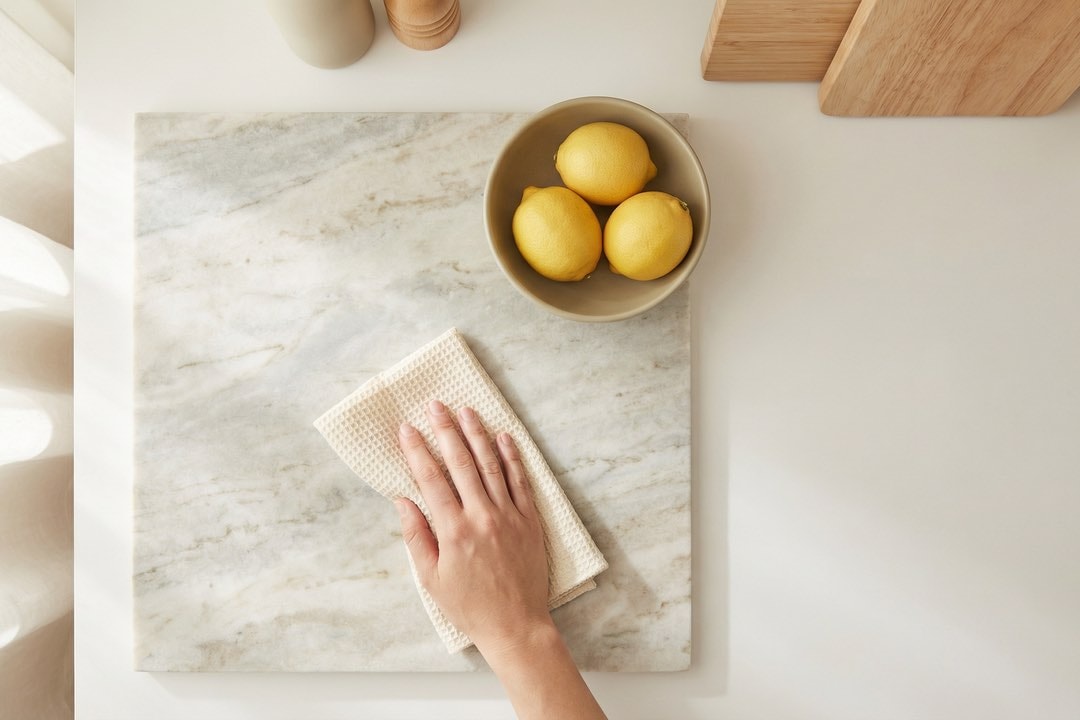
Warum parfümfreie, ungiftige Reinigungstücher wählen?
Jeder, der ein Desinfektionstuch oder eine frisch gereinigte Oberfläche berührt, kann giftigen Chemikalien ausgesetzt sein, entweder über die Haut oder durch versehentliches Berühren des Mundes.
Einige aktive Inhaltsstoffe von Desinfektionstüchern – insbesondere quaternäre Ammoniumverbindungen (Quats) – sind bekannte Reizstoffe, und Studien in beruflichen Umgebungen bringen die Exposition gegenüber Quats bei einigen Menschen mit Atemwegssymptomen und arbeitsbedingtem Asthma in Verbindung. Hinweise zu langfristigen Auswirkungen auf die Fortpflanzung oder Entwicklung entwickeln sich noch.
Ähnlich kam eine jüngste Studie, die im American Journal of Infection Control veröffentlicht wurde, zu dem Schluss, dass Menschen, die regelmäßig Quats ausgesetzt sind, eher Asthma entwickeln.
Diese Auswirkungen können bei Kindern noch gravierender sein. Wie Jerome Paulson, MD, Kinderarzt und emeritierter Professor an der George Washington University, erklärt, inhalieren Kinder mehr dieser Chemikalien als Erwachsene, was sie einem größeren Risiko aussetzt.
Dennoch ist die Reinigung stark frequentierter Bereiche wie Badezimmer und Küchen unerlässlich, um Ihr Zuhause sauber zu halten. Und wenn Sie so sind wie ich, wünschen Sie sich ein sauberes Zuhause, das sich auch ruhig und ästhetisch ansprechend anfühlt – nicht eines, das nach einer Chemikalienwolke riecht.
Und hier kommen umweltfreundliche Reinigungstücher ins Spiel. Grüne Reinigungstücher verwenden pflanzliche Inhaltsstoffe, die Schmutz entfernen, ohne unnötige Giftstoffe in Ihr Zuhause zu bringen. Deshalb können Sie sie bedenkenlos in der Nähe von Kindern, chemikaliensensiblen Personen und Haustieren verwenden. Sie sind auch ein einfacher Austausch, wenn Sie Ihre Routine umweltfreundlicher gestalten möchten, ohne alles auf einmal zu überarbeiten.
Welche umweltfreundlichen Reinigungstücher sind also effektiv und dennoch frei von Giftstoffen? Schauen wir mal!
Die besten ungiftigen & umweltfreundlichen Reinigungstücher
„Am besten“
Biom | Hier kaufen*
Aunt Fannie’s | Hier kaufen*
Dapple | Hier kaufen*
ATTITUDE | Hier kaufen*
EcoSoul | Hier kaufen*
Honest Company | Hier kaufen*
Pura Baby Wipes | Hier kaufen*
Caboo Tree Free | Hier kaufen*
„Besser“
Better Life | Hier kaufen*
Everspring | Hier kaufen*
Wie wählen wir die besten ungiftigen Reinigungstücher aus?
Wir haben umweltfreundliche Reinigungstücher zusammengestellt, denen Sie vertrauen können, damit Sie Ihr Zuhause sauber halten können, ohne sich Sorgen um schädliche Giftstoffe machen zu müssen. Bei Reinigungsmitteln legen wir auch Wert auf Marken, die transparent darüber sind, was enthalten ist (und was nicht). Unsere Top-Auswahl umfasst Marken, die unsere strengen Auswahlkriterien erfüllen:
-
Keine aggressiven Chemikalien, einschließlich Quats, Chlorbleiche und Formaldehyd freisetzende Konservierungsmittel
-
Drittanbieter-Sicherheitszertifizierung, falls verfügbar
-
Biologisch abbaubare oder kompostierbare Materialien, wie Bambus oder Viskose
Hinweis: Preise, Inhaltsstoffe und Zertifizierungen können sich ändern – überprüfen Sie daher immer das aktuelle Etikett und die Auflistung, bevor Sie kaufen.
„Am besten“ vs. „Besser“
-
„Am besten“ ungiftige Reinigungstücher: Unsere Top-Auswahl umfasst Reinigungstücher, die vollständig frei von aggressiven Chemikalien, potenziellen Reizstoffen und Allergenen sind. Einige von ihnen können auch strenge Sicherheitszertifizierungen wie EWG Verified und Made Safe besitzen.
-
„Besser“ ungiftige Reinigungstücher: Diese Optionen erfüllen immer noch unsere Kriterien, können aber einige potenzielle Allergene oder nicht deklarierte Duftstoffe enthalten, was für Personen mit starker Chemikaliensensibilität oder Allergien ein Problem sein könnte.
Was sind die besten ungiftigen Reinigungstücher?
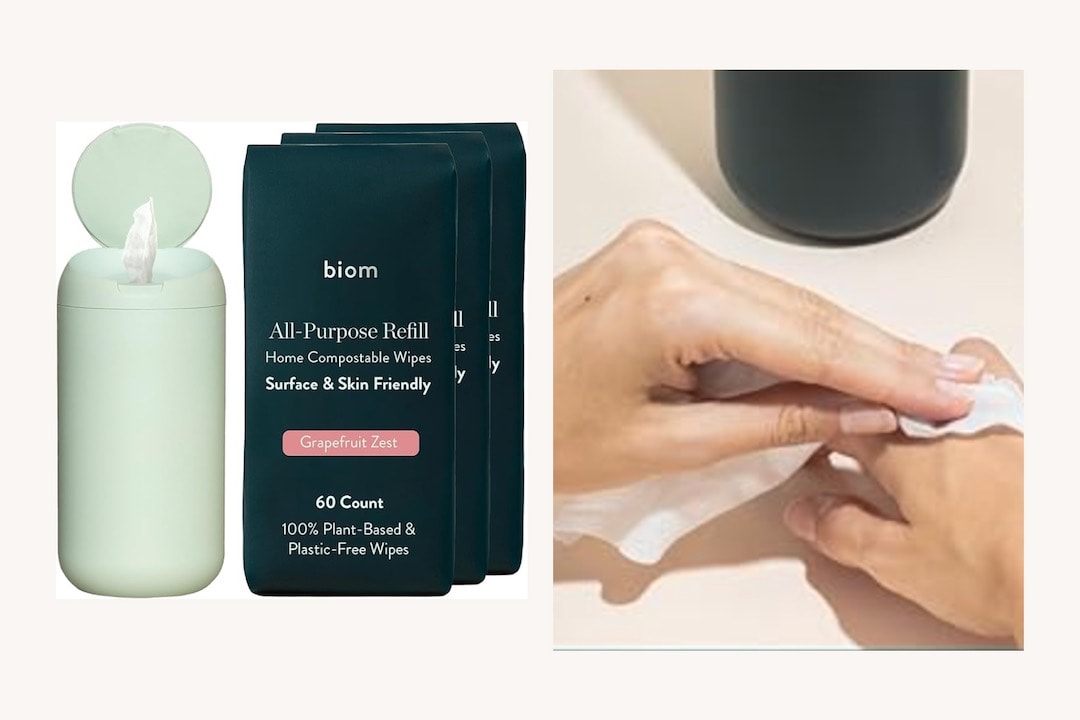
Biom- Die besten plastikfreien Allzwecktücher (Unsere Top-Auswahl)*
Am besten geeignet für: Tägliche leichte Reinigung
Zertifizierungen: Certified Plastic Neutral™
Natürliche Inhaltsstoffe: Wasser, Polyglyceryl-4 Caprate, Aloe Barbadensis Leaf Juice
Preis: 27,00 $ (3er-Pack)
Warum wir es mögen:
Suchen Sie ultra-sanfte Alltagstücher, die nicht reizen? Biom ist unsere absolute Lieblingswahl für alle mit empfindlicher Haut, Kinder, Haustiere, Autoimmunerkrankungen oder Kontaktdermatitis. Dank des sanften, pflanzlichen Reinigers machen diese pflanzlichen Tücher die tägliche Reinigung einfach und schonend für Ihre Haut. Keine Sorge vor Ausschlägen oder Trockenheit. Außerdem sind sie zu 100 % plastikfrei und biologisch abbaubar.
Sie können diese ungiftigen Tücher verwenden, um alltäglichen Schmutz auf Küchentheken, Tischen, Autoinnenräumen, Spielzeug, Hochstuhltabletts, Tierpfoten und sogar klebrigen Händen zu beseitigen. So sicher und effektiv sind sie!
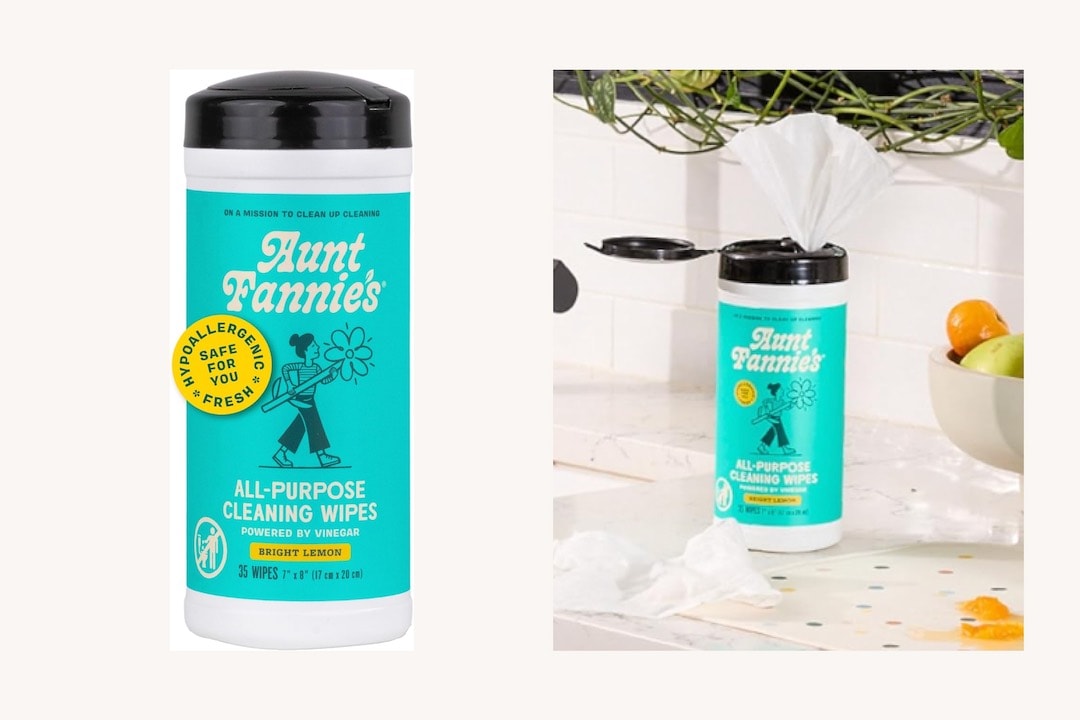
Aunt Fannie’s – Biologisch abbaubare Allzwecktücher für den Alltag*
Am besten geeignet für: Küche
Zertifizierungen: PETA Cruelty-Free zertifiziert, Leaping Bunny
Natürliche Inhaltsstoffe: Essig, Zucker-Tensid (Caprylyl/Myristyl Glucoside), Ätherische Öle
Preis: 8,69 $
Warum wir es mögen:
Aunt Fannie’s biologisch abbaubare Tücher sind eine gute Wahl für den täglichen Gebrauch auf Oberflächen, die mit Lebensmitteln in Kontakt kommen. Die Marke hebt traditionellen Essig auf die nächste Stufe mit einem natürlich gewonnenen Tensid, das Ihnen hilft, Küchentheken, Esstische, Hochstuhltabletts, Kochfelder, Kühlschrankregale und sogar einige Oberflächen mit Lebensmittelkontakt blitzsauber zu halten. Befolgen Sie wie immer die Anweisungen auf dem Etikett – wenn Sie Schneidebretter oder etwas für rohes Fleisch verwenden, bevorzugen viele Menschen zur Sicherheit anschließend eine schnelle Wasserspülung.
Ich liebe es, wie dick Aunt Fannie’s hypoallergene Tücher sind. Diese ungiftigen Oberflächentücher sind widerstandsfähiger als die meisten biologisch abbaubaren Optionen und zerfallen beim Schrubben nicht.
Da diese umweltfreundlichen Tücher Essig enthalten, denken Sie daran, sie nicht auf Natursteinoberflächen zu verwenden.
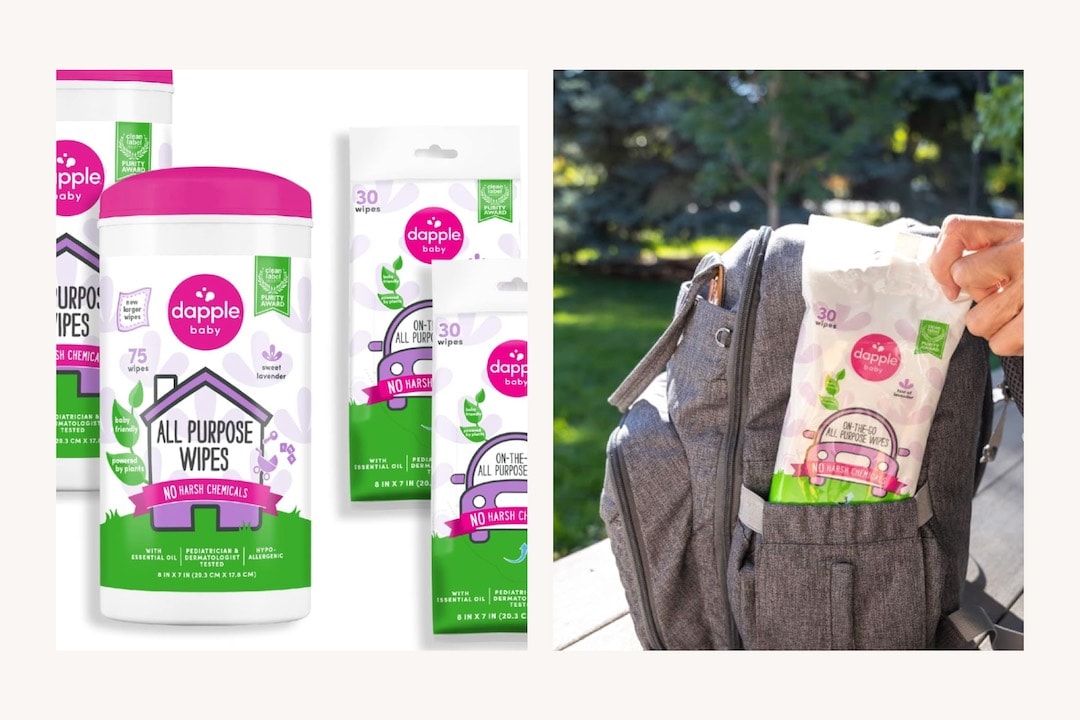
Dapple - Allzweck-Reinigungstücher mit Lavendel*
Am besten geeignet für: Babyspielzeug & Oberflächen im Kinderzimmer
Zertifizierungen: N/A
Pflanzliche Inhaltsstoffe: Gereinigtes Wasser, Glycerin, Decylglucosid, Äpfelsäure, Gluconolacton, Lavandula Angustifolia Öl und Konservierungsmittel
Preis: 29,96 $ (2er-Pack)
Warum wir es mögen:
Auf der Suche nach babysicheren, ungiftigen Oberflächentüchern? Als Elternteil kann es schwierig sein, Reinigungsprodukte zu finden, die babyfreundlich sind. Glücklicherweise wurden Dapples Tücher von Kinderärzten und Dermatologen getestet, sodass sie für die Reinigung jeder Oberfläche, die Ihr Kleines berühren oder schmecken könnte, bei sachgemäßer Anwendung sicher sind.
Was ich an diesen babyfreundlichen Tüchern am meisten liebe, ist, dass sie länger feucht bleiben als andere Marken und Sie am Ende weniger Tücher verbrauchen. Sie erleichtern das Abwischen von Essensresten, Schmutz, Dreck und Fingerabdrücken von Hochstühlen, Spielzeug, Gitterbettstangen und Autositzen.
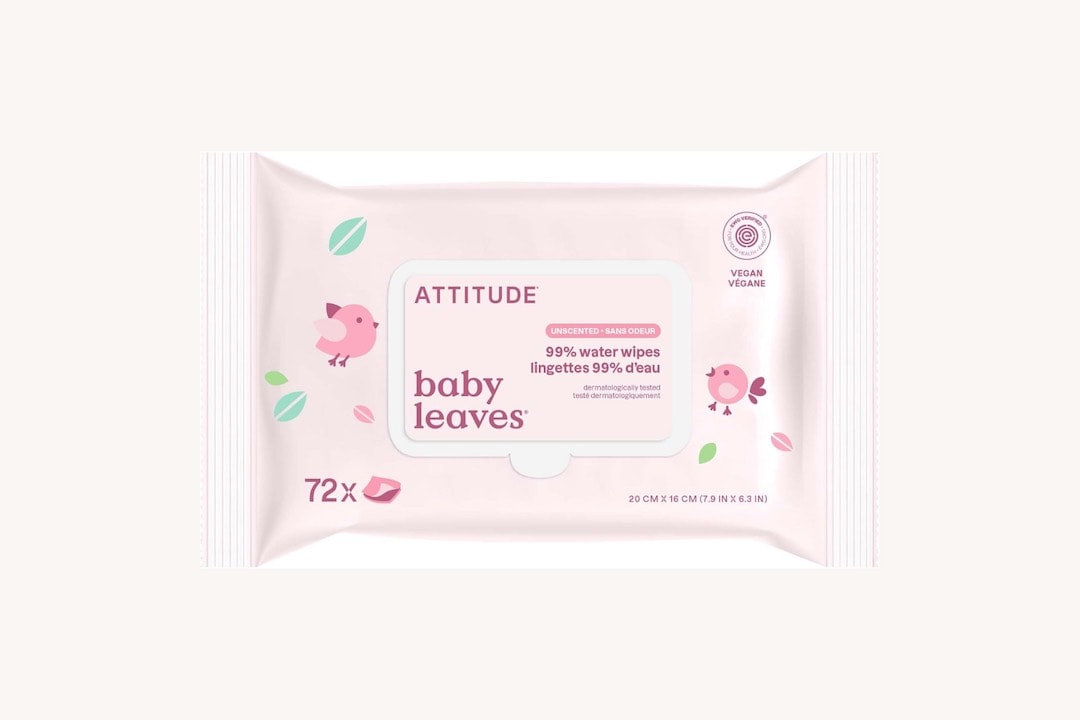
ATTITUDE - Biologisch abbaubare, sensitive natürliche Baby-Feuchttücher mit 99 % Wasseranteil*
Am besten geeignet für: Empfindliche Haut
Zertifizierungen: EWG Verified, PETA Cruelty-Free
Saubere Inhaltsstoffe: Haferkernmehl, Cellulose, Kamillenextrakt, Zitronensäure, Glycerin, Natriumcitrat, Natriumcocoamphoacetat, Wasser und Konservierungsstoffe
Preis: 71,30 $ (6er-Pack)
Warum wir es mögen:
Wenn Sie extra sanfte Tücher für Babys oder zu Ekzemen neigende Haut suchen, sind Attitudes unparfümierte Tücher ein klarer Gewinner. Angereichert mit einem Hauch von Hafermehl und Kamillenextrakt bieten diese pflanzlichen Tücher eine sanfte Reinigung und helfen, zarte, gereizte Haut zu beruhigen. Ihre Weichheit ist ein weiterer großer Pluspunkt, der sie ideal für empfindliche Haut und die tägliche Neugeborenenreinigung macht.
Diese EWG Verified, ungiftigen Tücher erfüllen strenge Sicherheitsstandards und sind frei von vielen gängigen giftigen Chemikalien und hochriskanten Reizstoffen. Sie sind so formuliert, dass sie potenzielle Allergene minimieren.
Zusätzlich sind diese reisefreundlichen Tücher hypoallergen, dermatologisch getestet und frei von Duftstoffen.
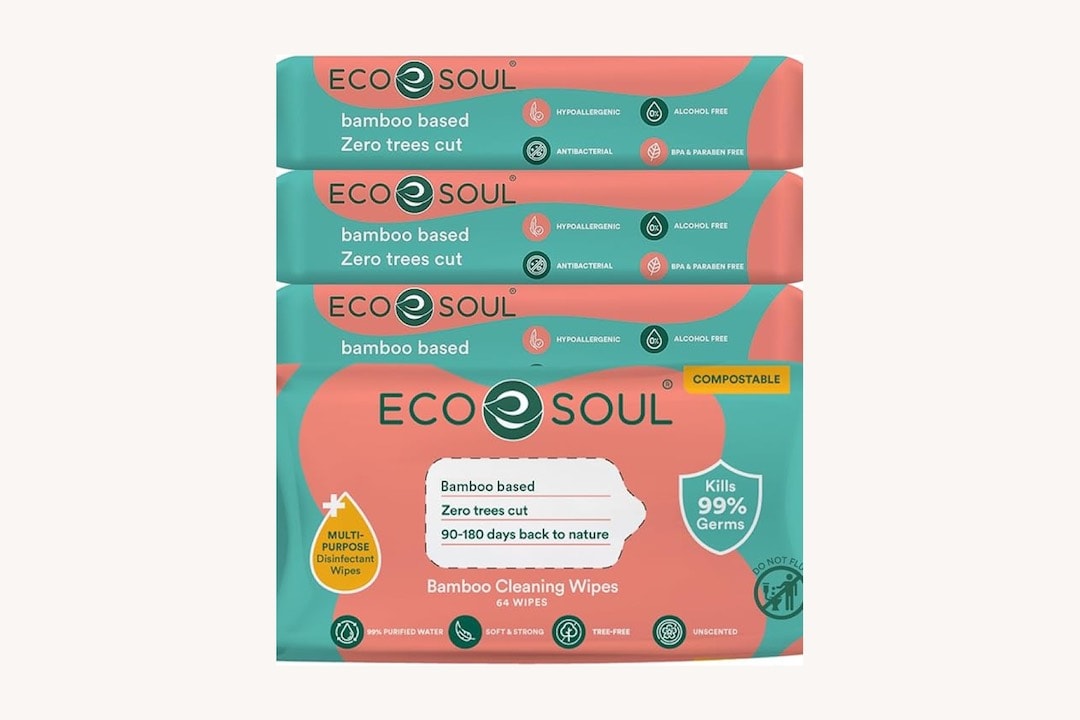
EcoSoul – Unparfümierte, preiswerte, umweltfreundliche Reinigungstücher*
Am besten geeignet für: Preiswerte Reinigungstücher
Zertifizierungen: FSC-zertifizierter Bambus
Ungiftige Inhaltsstoffe: 99 % gereinigtes Wasser, weitere 1 %: Propylenglykol, Natriumbenzoat, 2-Phenoxyethanol, Glycerol, Cocamidopropylbetain
Preis: 19,99 $ (4er-Pack)
Warum wir es mögen:
Suchen Sie nach einer preiswerten Möglichkeit, Ihr Zuhause sauber und Ihre Hände reizfrei zu halten? Mit EcoSoul erhalten Sie ungiftige Tücher für weniger als 5 $ pro Packung. Diese biologisch abbaubaren Bambustücher verwenden eine kleine Menge milder Tenside und gängiger Konservierungsmittel, die im Allgemeinen als für den täglichen Gebrauch in geringen Konzentrationen geeignet gelten.
Wenn Sie speziell Mikroplastik vermeiden möchten, überprüfen Sie das Tuchmaterial auf dem Etikett: Einige Tücher auf dem Markt enthalten immer noch Kunstfasern, selbst wenn sie als „pflanzlich“ beworben werden.
Die Nachteile? Sie sind etwas kleiner als andere Tücher und nicht ideal für hartnäckigen, schweren Schmutz.
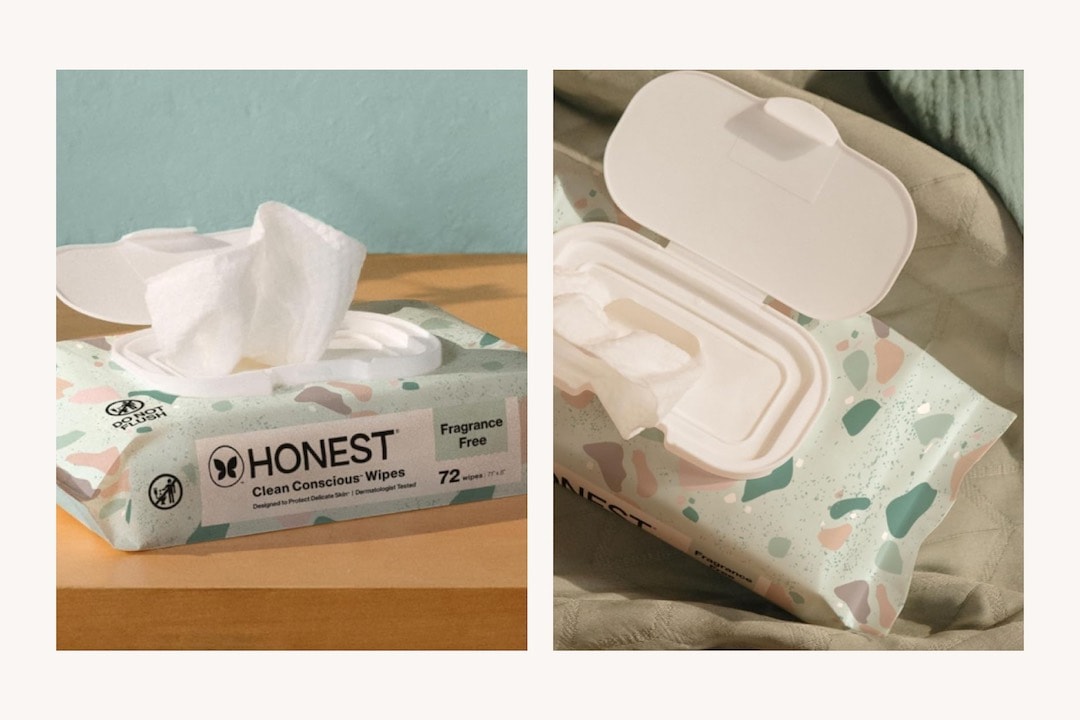
The Honest Company - Duftfreie, kompostierbare Conscious Wipes*
Am besten geeignet für: Windelwechsel
Zertifizierungen: EWG Verified, USDA Biobased, TUV Austria Compost, Seal of Acceptance™ der National Eczema Association
Ungiftige Inhaltsstoffe: Wasser, Trinatriumethylendiamindisuccinat, Natriumbenzoat, Sorbitanoleat Decylglucosid-Crosspolymer, Caprylylglykol, Ethylhexylglycerin, Zitronensäure
Preis: 19,99 $ (4er-Pack)
Warum wir es mögen:
Diese pflanzlichen Tücher sind eine der sanftesten Optionen, um den Po Ihres Babys sauber zu halten und Windelausschlag vorzubeugen! Die Baby-Feuchttücher von Honest Company kombinieren sanfte Reinigungsmittel mit Hautpflegemitteln, um den empfindlichsten Bereich Ihres Babys zu reinigen und zu beruhigen.
Durch mehrere Zertifizierungen können Sie sicher sein, sie auch auf der empfindlichsten, zu Ekzemen neigenden Haut zu verwenden. Diese ungiftigen Tücher sind weich und dennoch dick genug, um die Aufgabe zu erfüllen. Zudem erleichtern ihre gesteppte Textur und größere Größe das Abwischen erheblich.
Und das Beste daran? Sie finden sie in den meisten Geschäften!
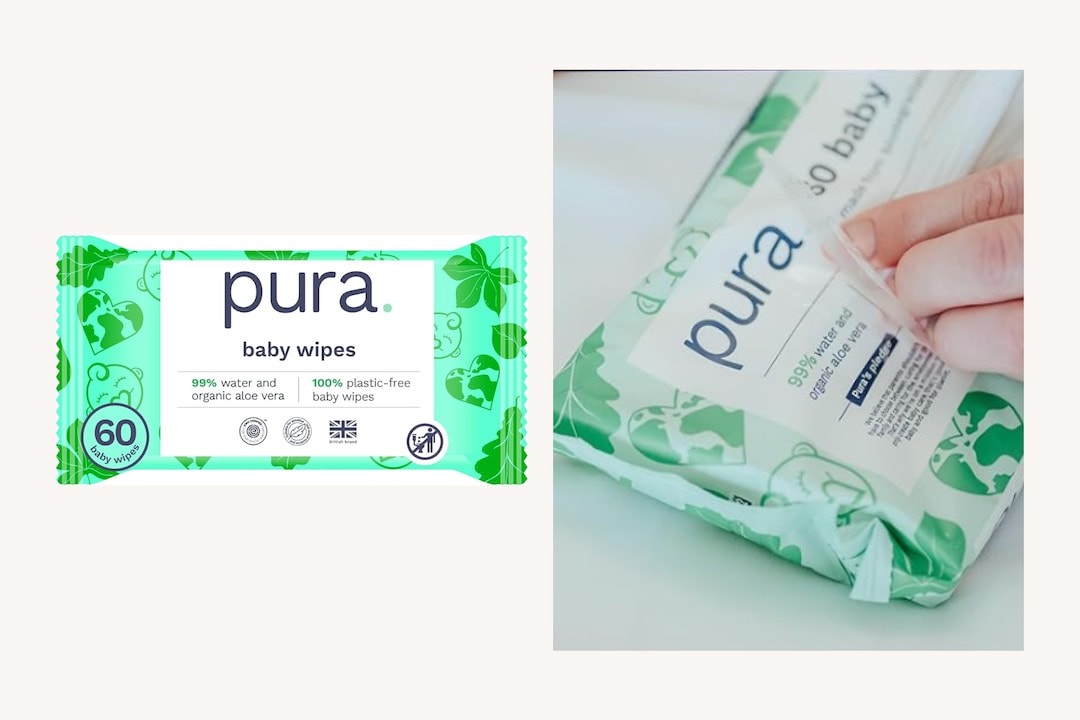
Pura Baby Wipes – Plastikfreie, pflanzliche Babytücher*
Am besten geeignet für: Ganze Familie
Zertifizierungen: B Corp, Carbon Neutral, EWG Verified, Allergy UK approved, Vegan Society Certified
Saubere Inhaltsstoffe: Wasser, Aloe Vera Blattsaft, Glycerin, Lävulinsäure, Natriumlävulinat, Natriumbenzoat, Dinatriumcocoamphodiacetat, Kaliumsorbat, Natriumchlorid
Preis: 3,79 $
Warum wir es mögen:
Pura bietet preiswerte, ungiftige Tücher, die jeder in der Familie verwenden kann. Mit 99 % Wasser und 1 % Feuchtigkeitsspendern und sicheren Konservierungsmitteln sind diese hypoallergenen Tücher eine wunderbare Option für die schnelle Reinigung und absolut sicher für Hände, Körper und Gesicht.
Einer der größten Vorteile dieser biologisch abbaubaren Tücher ist, dass sie keine klebrigen Rückstände oder anhaltenden Gerüche hinterlassen. Aber mein Lieblingsteil ist, wie sich ihre weiche, stoffähnliche Textur auf der Haut anfühlt.
Der einzige Nachteil ist jedoch, dass sie etwas dünn und klein sind.
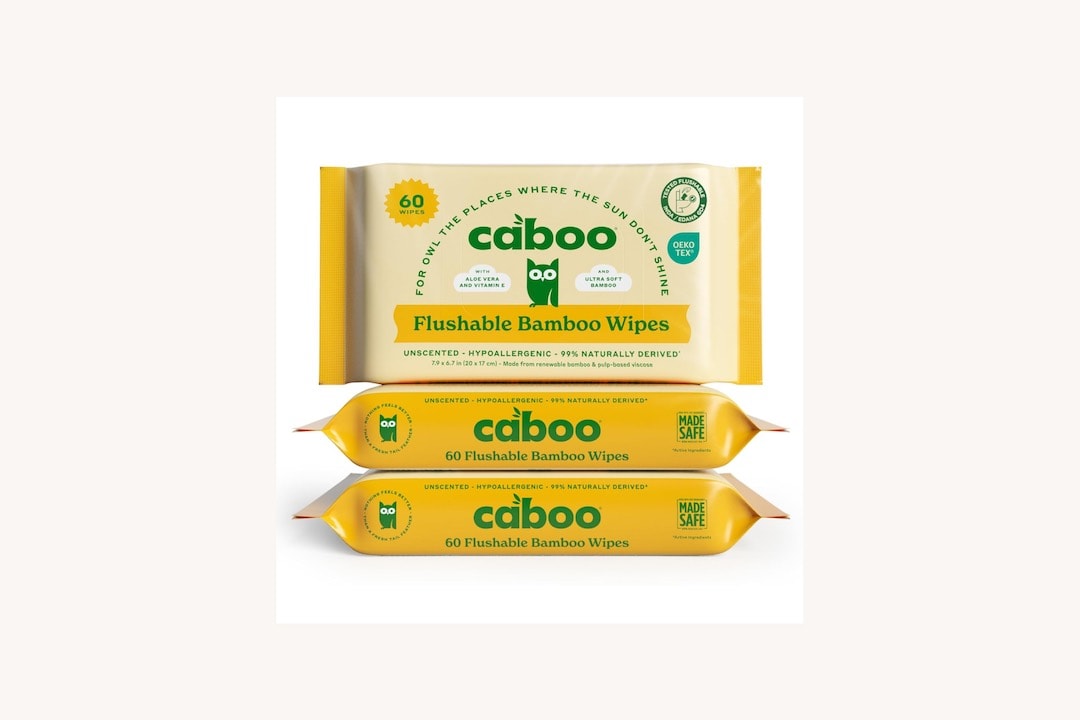
Caboo Tree Free – Spülbare Allzweck-Bambus-Reinigungstücher*
Am besten geeignet für: Toilettenpapier
Zertifizierungen: Made Safe®, Leaping Bunny, OEKO-TEX® Standard 100
Nachhaltige Inhaltsstoffe: Aqua, Glycerin, Geogard Ultra (Gluconolacton & Natriumbenzoat, Natriumcitrat, Zitronensäure, Aloe Barbadensis Blattsaft, Tocopherol (Vitamin E)
Preis: 21,49 $ (3er-Pack)
Warum wir es mögen:
Möchten Sie es sauber halten, ohne den Planeten oder Ihre Haut zu belasten? Caboo Tree Free hat die Lösung. Die Toilettenpapier des Herstellers sind eine weichere, umweltfreundlichere – und gesündere – Alternative zu normalen Feuchttüchern und Toilettenpapier. Sie eignen sich perfekt für Erwachsene, die Wochenbettpflege und Senioren.
Mit diesen Toilettenpapieren können Sie beruhigt sein, dass Sie keine bedenklichen Inhaltsstoffe auf Ihre empfindlichsten Bereiche auftragen. Diese biologisch abbaubaren Bambus-Feuchttücher tragen das Made Safe®-Siegel, einen der strengsten Standards für saubere Inhaltsstoffe.
Wichtig: Auch wenn Feuchttücher als „spülbar“ beworben werden, empfehlen viele Wasserversorger, Feuchttücher zu entsorgen und nicht zu spülen, um Rohrleitungen, Abwasserkanäle und Kläranlagen zu schützen.
Was sind die „besseren“ ungiftigen Reinigungstücher? (Immer noch sicher)
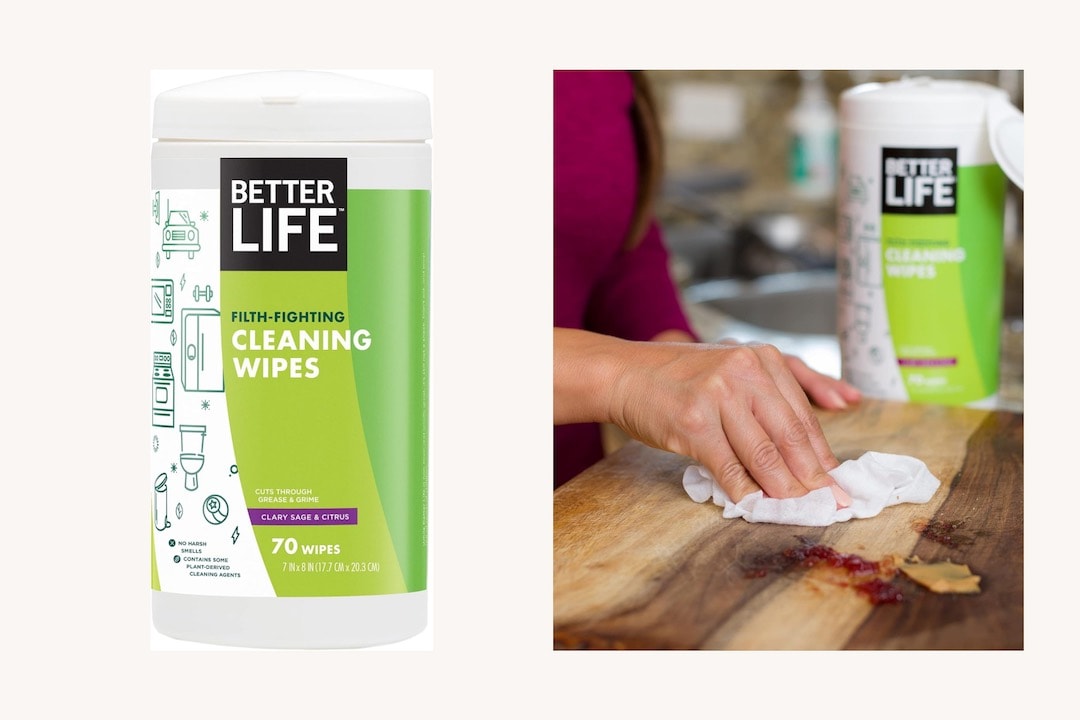
Better Life – Natürliche Allzweck-Reinigungstücher für jeden Raum*
Am besten geeignet für: Verwendung im gesamten Haus
Zertifizierungen: N/A
Ungiftige Inhaltsstoffe: Gereinigtes Wasser, pflanzliche Reinigungsmittel, Zitrus- und Kräuterextrakte, Methylisothiazolinon (weniger als 0,01 %)
Preis: 9,99 $
Warum wir es mögen:
Suchen Sie sichere Reinigungstücher, die Sie überall in Ihrem Zuhause verwenden können? Die pflanzliche Formel von Better Life entfernt Fett und Schmutz, ohne Ihre Familie aggressiven Chemikalien auszusetzen. Tatsächlich reinigen diese ungiftigen Tücher Verschüttungen, Fett und alltäglichen Schmutz genauso gut wie Clorox- und Lysol-Tücher.
Was ich an diesen Mehrzwecktüchern besonders schätze, ist, dass Sie sie überall in Ihrem Zuhause verwenden können. Sie sind sicher auf Arbeitsplatten, Wänden, Böden und sogar auf Oberflächen, die Kinder und Haustiere ständig berühren.
Warum besser? Diese Tücher sind nur für die Reinigung von Oberflächen, nicht für die Haut. Die Marke verwendet eine geringe Konzentration von Methylisothiazolinon, einem synthetischen Konservierungsmittel, das ein bekanntes Kontaktallergen ist.
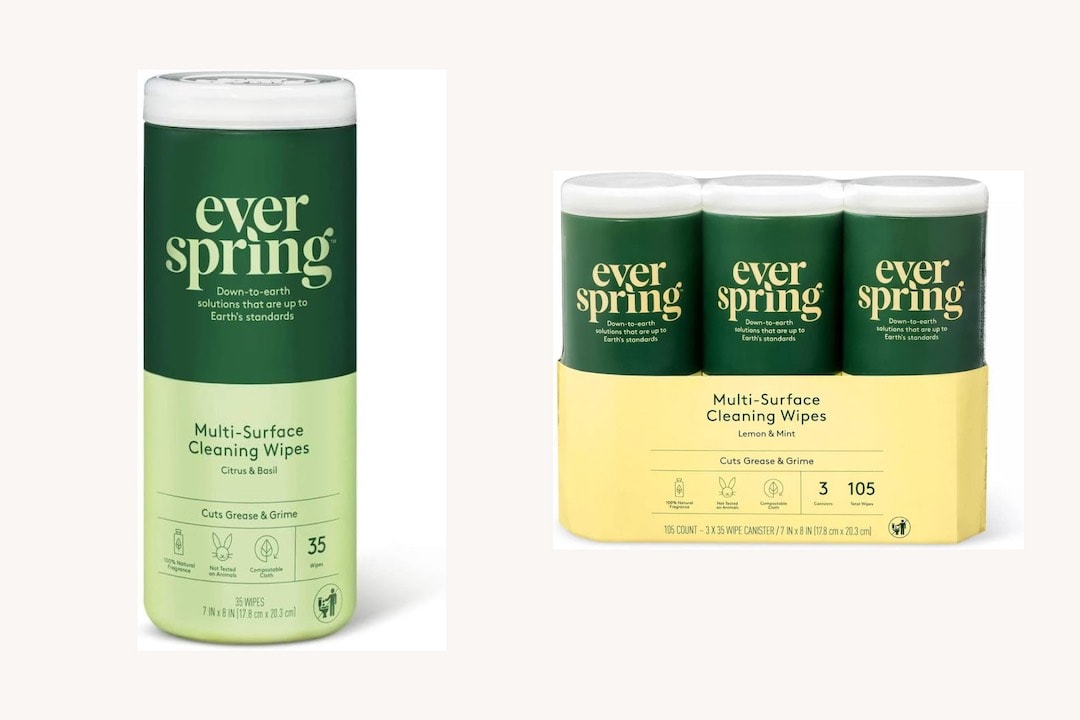
Everspring Reinigungstücher - Mehrzweck-Reinigungstücher mit mildem Duft*
Am besten geeignet für: Leichte Duftstoffe
Zertifizierungen: USDA Certified Biobased Product
Giftfreie Inhaltsstoffe: Wasser, Caprylylglucosid, Phenoxyethanol, Caprylylglykol, Myristylglucosid, Duftstoff, Zitronenöl, Minzöl, Basilikumöl, Geraniumöl, Tensidmischung, Tuch
Preis: 14,99 $
Warum wir es mögen:
Sie lieben den frischen, sauberen Duft nach dem Aufräumen? Eversprings herrlich duftende Tücher bieten die perfekte Balance zwischen einem frischen Duft und sichereren Inhaltsstoffen. Diese Tücher bringen Ihre Oberflächen zum Glänzen und verströmen gleichzeitig ein dezentes, erfrischendes Zitrusaroma, das nicht aufdringlich ist.
Diese USDA Certified Biobased Reinigungstücher bieten eine sanftere Alternative zu vielen herkömmlichen Optionen, enthalten aber Duftstoffe (einschließlich ätherischer Öle), die für sehr empfindliche Personen ein Auslöser sein können.
Warum besser? Diese Reinigungstücher sollten nur auf harten Oberflächen verwendet werden. Sie enthalten einige Duftstoffallergene und einige nicht deklarierte Duftstoffe.
Umweltfreundliche Desinfektionstücher, die Sie gelegentlich verwenden können
Die oben genannten Marken sind die sichersten Optionen für die regelmäßige Reinigung, aber denken Sie daran, dass die meisten davon keine registrierten Desinfektionsmittel sind. Reinigungstücher können Keime entfernen, indem sie Schmutz und Rückstände physikalisch abheben, aber sie töten möglicherweise nicht zuverlässig genügend Keime nach Krankheit, der Zubereitung von rohem Fleisch oder Badezimmerunordnungen ab.
Damit ein Tuch desinfizieren kann, benötigt es antimikrobielle Wirkstoffe und muss genau nach Anweisung für die erforderliche Einwirkzeit verwendet werden. In den USA müssen Produkte, die Desinfektion beanspruchen, bei der EPA registriert und gemäß dem Etikett verwendet werden.
Die meisten antimikrobiellen Chemikalien sind jedoch von Natur aus stark und können bei bestimmten Expositionsmengen für lebende Organismen, einschließlich Menschen und Haustiere, toxisch sein.
Deshalb sind Desinfektionstücher nicht ideal für Oberflächen, die Ihre Kinder oder Haustiere berühren könnten – viele haben sogar „Warnung“ direkt auf dem Etikett aufgedruckt. Was können Sie also zur Desinfektion verwenden, wenn Sie sie tatsächlich benötigen?
Wenn Sie eine Desinfektionsoption mit geringeren Rückständen wünschen, suchen Sie nach Produkten, deren Wirkstoffe Wasserstoffperoxid oder bestimmte organische Säuren (z. B. Milchsäure oder Zitronensäure) sind – und befolgen Sie immer die Anweisungen auf dem Etikett und die Einwirkzeit.
Sie können auch Seventh Generation Lemongrass Citrus Desinfecting Wipes verwenden, um Toiletten und andere kontaminierte Oberflächen zu desinfizieren. Obwohl sie von der Environmental Working Group (EWG) eine hohe Sicherheitsbewertung erhalten, sollten Sie sie dennoch mit etwas Vorsicht verwenden. Diese Desinfektionstücher enthalten mehrere Inhaltsstoffe, die empfindliche Haut reizen können, einschließlich Kupfersulfat und Duftstoffallergenen.
Stellen Sie daher sicher, dass der Bereich während der Anwendung gut belüftet ist und halten Sie Kinder mindestens 20 Minuten nach dem vollständigen Trocknen der Oberfläche aus dem Raum fern.
Neugierig auf die giftigen Chemikalien, die in herkömmlichen Desinfektionstüchern lauern? Schauen wir uns das unten an.
Schädliche Chemikalien in herkömmlichen Desinfektionstüchern & Gesundheitsrisiken
Beim Kauf von Desinfektions- oder Reinigungstüchern sollten Sie die Inhaltsstoffliste lesen und auf potenzielle Giftstoffe, Reizstoffe oder Allergene achten.
Es ist am besten, diese Chemikalien zu vermeiden, aber wenn Sie sie verwenden müssen, schützen Sie sich, indem Sie Handschuhe tragen, für gute Belüftung sorgen und Kinder und Haustiere fernhalten, bis die Oberflächen trocken sind:
-
Quaternäre Ammoniumverbindungen (Quats): Einige Beispiele sind Benzalkoniumchlorid und Dialkyldimethylammoniumchlorid. Quats sind in vielen "antibakteriellen" Tüchern die aktiven Inhaltsstoffe. Jüngste Studien zeigen jedoch, dass diese Desinfektionsmittel das Risiko von Asthmasymptomen, Kontaktdermatitis, Lungenreizungen und sogar Fortpflanzungsschäden erhöhen.
-
Chlorbleiche (Natriumhypochlorit): Der klassische Keimtöter, den wir alle kennen. Bleichmittel ist hochkorrosiv und kann Ihre Haut und Augen reizen oder sogar verbrennen. Die Dämpfe können auch Hals und Lunge reizen. Außerdem sollten Sie vorsichtig sein, wenn Sie es mit anderen Reinigern mischen, da es giftige Gase erzeugen kann, von denen einige tödlich sind.
-
Aggressive Tenside: Reinigungsmittel wie Natriumlaurylsulfat und Natriumlaurethsulfat sind in vielen Reinigungstüchern häufig enthalten. Sie sind jedoch als Hautreizstoffe bekannt.
-
Formaldehyd freisetzende Konservierungsmittel: Einige Konservierungsmittel in Desinfektionstüchern wie DMDM Hydantoin können geringe Mengen Formaldehyd abgeben, ein bekanntes Karzinogen, das Übelkeit, Husten, Hautreizungen und ein Brennen in Augen, Nase und Rachen verursachen kann.
-
Synthetische Duftstoffe: Der „frische“ Saubergeruch, den Sie nach der Verwendung von Desinfektionstüchern wahrnehmen, stammt oft von einer komplexen Mischung aus Duftchemikalien, einschließlich potenzieller Allergene und Reizstoffe. Einige davon erscheinen nicht auf der Zutatenliste, sondern verstecken sich unter Oberbegriffen wie „Duftstoff“. Diese Chemikalien können bei empfindlichen Personen allergische Reaktionen, Dermatitis und Atemwegssymptome auslösen.
-
Methylisothiazolinon (MI) & Methylchlorisothiazolinon (MCI): Diese Konservierungsmittel helfen, das Bakterienwachstum in Reinigungstüchern zu verhindern, gehören aber auch zu den weltweit häufigsten Hautallergenen und Reizstoffen.
-
Schwermetalle & Metallsalze: Desinfektionstücher können Schwermetalle und Metallsalze wie Kupfersulfat und Silberverbindungen enthalten. Diese aggressiven Chemikalien wurden mit Hormonstörungen, Krebs, allergischen Hautreaktionen und Fruchtbarkeitsproblemen in Verbindung gebracht.
-
Polyethylenglykolverbindungen (PEGs): Diese feuchtigkeitstragenden Mittel und Tenside sind oft mit Ethylenoxid und 1,4-Dioxan kontaminiert, Chemikalien, die mit verschiedenen Krebsarten in Verbindung gebracht werden.
Möchten Sie sicherstellen, dass Ihre umweltfreundlichen Reinigungstücher wirklich ungiftig sind? Sehen Sie sich unsere Top-Tipps zur Auswahl sicherer, effektiver Tücher unten an.
Wie wählt man giftfreie Reinigungsprodukte aus?
-
Inhaltsstoffliste: Priorisieren Sie Transparenz und Offenlegung der Inhaltsstoffe (suchen Sie nach vollständigen Inhaltsstofflisten und vermeiden Sie vage Oberbegriffe wie „Duftstoffe“ oder „Konservierungsmittel“, wann immer möglich).
-
Zertifizierungen: USDA Biobased, USDA Organic (wo zutreffend), Leaping Bunny, EWG Verified, EPA Safer Choice und Made Safe können Ihnen helfen, Produkte mit geringer Toxizität schnell zu erkennen, die viele hochriskante Chemikalien vermeiden.
-
Oberflächen & Verwendung: Wählen Sie Tücher, die klar angeben, für welche Oberflächen sie sicher sind (vermeiden Sie zum Beispiel saure Formulierungen wie Essig auf Natursteinen wie Marmor, Granit oder Kalkstein).
-
Duft: Wenn jemand in Ihrem Haushalt Asthma, Allergien oder chemische Empfindlichkeiten hat, wählen Sie duftfreie Produkte oder solche, die Duftbestandteile vollständig offenlegen, anstatt sie unter „Parfum“ zu verstecken.
-
Materialien: Entscheiden Sie sich für Tücher aus biologisch abbaubaren pflanzlichen Fasern (wie Bambus oder Zellstoff-Viskose) anstelle von Plastikfasern, die beim Reinigen Mikroplastik abgeben können.
-
Leistung: Für alltägliche Verschmutzungen sollten Sie einfache Reinigungskraft (Seife, milde Tenside und Wasser) gegenüber Marketingaussagen wie „tötet 99,9 % der Keime“ bevorzugen, die normalerweise auf aggressiveren Desinfektionschemikalien wie Quats basieren.
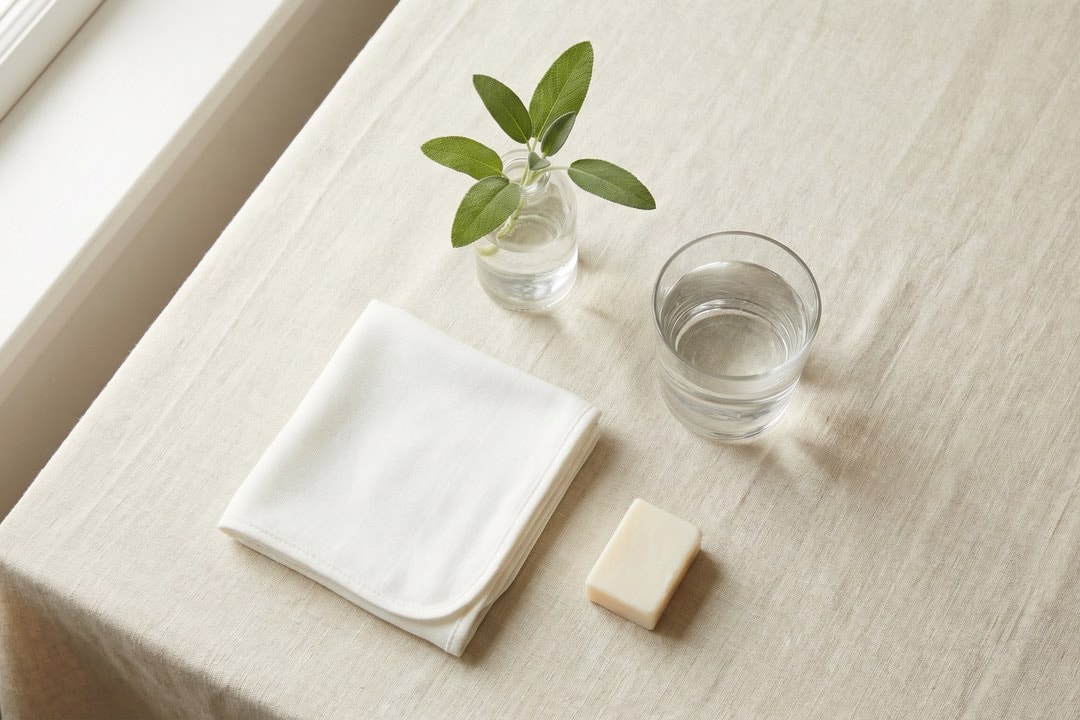
DIY-Rezept für ungiftige Reinigungstücher
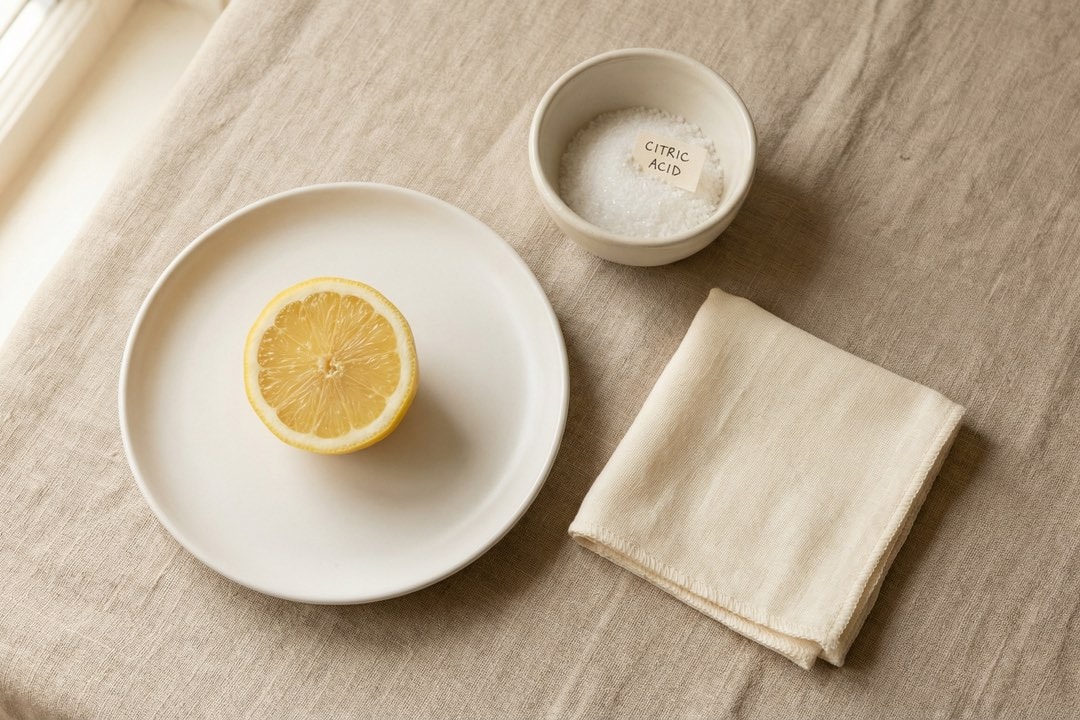
Wenn Sie die Bequemlichkeit von Tüchern lieben, aber aggressive Desinfektionschemikalien vermeiden möchten, können Sie Ihre eigenen ungiftigen Reinigungstücher ganz einfach zu Hause herstellen. Diese sind für die tägliche Reinigung und Auffrischung gedacht, nicht für die Desinfektion in Krankenhausqualität.
Was Sie brauchen:
-
1 sauberes Glasgefäß oder wiederverwendbarer Behälter mit dicht schließendem Deckel
-
10–15 saubere Stoffquadrate oder wiederverwendbare Papierhandtuch-ähnliche Tücher
-
2 Tassen warmes Wasser
-
1 Teelöffel milde, duftfreie Flüssigseife (nicht antibakteriell)
-
Optional: 1 Esslöffel weißer Essig (auf Naturstein wie Marmor, Granit oder Kalkstein weglassen)
-
Optional: 5–10 Tropfen biologisches ätherisches Öl für den Duft (nur wenn niemand in Ihrem Haushalt empfindlich auf Duftstoffe reagiert)
So stellen Sie Ihre Tücher her:
-
Legen Sie die sauberen Tücher in Ihr Glasgefäß oder Ihren Behälter.
-
Mischen Sie in einer separaten Schüssel warmes Wasser, Flüssigseife und alle optionalen Zutaten, bis alles gut vermischt ist.
-
Gießen Sie die Lösung gleichmäßig über die Tücher, bis sie gesättigt sind, aber nicht im Flüssigkeitsüberschuss schwimmen.
-
Schließen Sie den Deckel und lassen Sie die Tücher einige Minuten einweichen – dann sind sie gebrauchsfertig. Bei Raumtemperatur lagern und alle paar Tage eine frische Charge herstellen, damit die Lösung sauber bleibt.
-
Da selbstgemachte Tücher kein getestetes Konservierungssystem enthalten, stellen Sie kleine Mengen her, halten Sie den Behälter sehr sauber und ersetzen Sie die Lösung häufig (sofort entsorgen, wenn sie „merkwürdig“ riecht oder trüb aussieht).
Für die meisten Menschen zu Hause entfernt einfaches Reinigen – das Entfernen von Schmutz und anderen Rückständen von einer Oberfläche mit Seife, Wasser und etwas Schrubben – bereits viele besorgniserregende Keime, sodass Sie nicht immer starke Desinfektionsmittel benötigen.
Sie brauchen auch keine ausgefallenen Spezialreiniger. Normale Seife und Wasser oder ein duftfreier Allzweckreiniger können die meisten alltäglichen Keime effektiv entfernen, wenn Sie die Oberflächen gründlich schrubben.
Reinigen Sie Oberflächen mit einfacher Seife und Wasser. Mischen Sie einfach warmes Wasser mit einer kleinen Menge flüssiger, nicht antibakterieller Seife, tragen Sie die Lösung dann mit einem Tuch oder Schwamm auf die gewünschte Stelle auf und schrubben Sie sanft, um Verunreinigungen zu lösen.
Wichtigste Erkenntnisse
-
Die meisten herkömmlichen Desinfektionstücher basieren auf aggressiven oder reizenden Chemikalien wie Quats oder Bleichmitteln, die Augen, Haut und Lunge reizen können – insbesondere bei Kindern und Menschen mit Asthma oder chemischer Empfindlichkeit.
-
Für die tägliche Reinigung reichen Seife, Wasser und ungiftige Reinigungstücher in der Regel aus, um die meisten Keime zu entfernen – Desinfektionsmittel sollten für risikoreichere Situationen wie rohes Fleisch, Magen-Darm-Erkrankungen oder wenn jemand im Haushalt immungeschwächt ist, aufbewahrt werden.
-
Duftstofffreie, pflanzliche und von Dritten zertifizierte Tücher helfen Ihnen, viele häufige Allergene, Hormonstörer und Karzinogene zu vermeiden, die in traditionellen Produkten enthalten sind.
-
Sie können einfache Reinigungstücher leicht selbst mit Wasser und milder Seife herstellen, was sowohl Ihre Exposition gegenüber unnötigen Chemikalien als auch Ihren Haushaltsabfall reduziert.
-
Was auch immer Sie verwenden, lesen Sie immer das Etikett, lüften Sie gut, wenn Sie stärkere Produkte verwenden, und halten Sie Kinder und Haustiere von frisch behandelten Oberflächen fern, bis diese vollständig trocken sind.
Häufig gestellte Fragen
Sind Reinigungstücher sicher in der Anwendung?
Das hängt von der Art des Tuchs und der Art der Anwendung ab. In den USA werden Desinfektionstücher als antimikrobielle Pestizide reguliert und können Augen-, Haut- und Atemwegsreizungen verursachen. Daher sollten sie mit guter Belüftung und außerhalb der Reichweite von Kindern verwendet werden. Sicherere Optionen umfassen duftstofffreie, pflanzliche Reinigungstücher (keine Desinfektionstücher) und einfache Seife-und-Wasser-Reinigung, insbesondere für alltägliche Verschmutzungen.
Sind Biom-Tücher ungiftig?
Bioms Allzwecktücher sind pflanzlich und werden als mikroplastikfrei und biologisch abbaubar vermarktet. Sie sind für die Verwendung auf nicht porösen Oberflächen (und zur schnellen Reinigung der Haut) konzipiert, je nach spezifischem Produkttyp. Sie enthalten keine herkömmlichen Desinfektionswirkstoffe wie Bleichmittel oder Quats; stattdessen basieren sie auf sanften Tensiden und Aloe, aber wie bei jedem Produkt mit Konservierungsmitteln oder natürlich duftenden Optionen möchten sehr empfindliche Benutzer möglicherweise zuerst einen Patch-Test durchführen.
Was sind die gesündesten Feuchttücher?
Die gesündesten Feuchttücher sind typischerweise unparfümiert, frei von Quats, Bleichmitteln und Formaldehyd freisetzenden Konservierungsmitteln und tragen Zertifizierungen von Drittanbietern wie EWG Verified, USDA Biobased oder Made Safe. Wählen Sie immer duftstofffreie Optionen, wenn jemand in Ihrem Haushalt empfindliche Haut oder Asthma hat.
Sind Clorox-Tücher giftig für Hunde?
Standard-Desinfektionstücher können Reizungen oder Magenverstimmungen verursachen, wenn Hunde frisch behandelte Oberflächen ablecken oder an den Tüchern kauen. Um Haustiere zu schützen, halten Sie sie während der Reinigung aus dem Raum, lassen Sie Oberflächen vollständig trocknen, bevor sie Zugang haben, lagern Sie Tücher sicher und ziehen Sie in Betracht, auf haustiersicherere, nicht desinfizierende Reinigungsmethoden für Bereiche umzusteigen, die sie häufig berühren oder ablecken. Wenn Ihr Haustier ein Tuch kaut oder frisst, kontaktieren Sie umgehend Ihren Tierarzt.
* Werbung: Dieser Artikel enthält mit * gekennzeichnete Affiliate-Links. Wenn du über diese Links einkaufst, erhalten wir eine kleine Provision – für dich entstehen keine zusätzlichen Kosten. Die bereitgestellten Informationen dienen ausschließlich Bildungs- und Informationszwecken und stellen keine medizinische Beratung dar. Sie ersetzen nicht die Konsultation eines Arztes oder qualifizierten Gesundheitsdienstleisters. Dieser Artikel wurde mit Unterstützung von KI-Tools erstellt und von unserem Team redaktionell geprüft und freigegeben. Alle geäußerten Meinungen sind unsere eigenen.
Cristina Solis

Cristina Solis ist eine engagierte Umweltingenieurin und Nachhaltigkeitsberaterin, die es sich zur Aufgabe gemacht hat, bewusste Verbraucher zu informieren und Unternehmen dabei zu unterstützen, einen positiven Einfluss auf unseren Planeten zu haben. Ihre Expertenmeinungen zu Umweltthemen wurden bereits in angesehenen Medien wie Forbes, American Recycler, Green Living Magazine und Homes & Garden veröffentlicht. In ihrer Freizeit verbindet sie sich gerne mit der Natur und verbringt Zeit mit ihrer Familie.










Hinterlasse einen Kommentar